Omuaraa
Ua haapii mai te 3003 Aluminium Checker Plate Sheet is a versatile, widely used alloy product that blends good formability, excellent corrosion resistance, and practical durability.
Known for its classic diamond-patterned surface, the checker plate provides a non-slip finish that makes it a preferred choice for flooring, stair tads, truck beds, and industrial platforms.
Its alloy family—3003—derives most of its strength from manganese through work hardening, not heat treatment, which means it offers predictable performance under a range of working conditions.
This comprehensive guide explores 3003 aluminium checker plate sheet in depth. You will find material science insights, market context, practical selection criteria, performance comparisons with similar alloys, production considerations, and supplier guidance.
It also introduces Huawei Aluminum, a prominent supplier in the aluminum sector, to help buyers understand sourcing options and what to look for when engaging a supplier for this product.
Eaha te 3003 Aluminium Checker Plate Sheet?
The basic makeup of the alloy and its checker plate form
3003 aluminium is part of the 3000-series family, which are non-heat-treatable alloys whose strength comes from work hardening and alloying (primarily manganese).
Ua haapii mai te 3003 alloy contains roughly 1.0–1.5% manganese with aluminium as the balance and small amounts of iron, Te mau mana'o tauturu no te, and other trace elements.
The key attribute of this alloy in sheet form is its exceptional formability and good corrosion resistance, especially in non-extreme environments.
Checker plate, also called tread plate or diamond plate, features a raised pattern on the surface.
The raised diamond pattern provides a tactile anti-slip surface that is valuable in areas where traction and grip are important, such as ramps, stair landings, loading docks, and vehicle floors.
When combined with the 3003 alloy’s ductility, the resulting sheet offers a practical balance of ease of fabrication, slip resistance, and resistance to corrosive attack.
Typical composition ranges for 3003 aluminium
- Aluminum (Al): Te aifaitoraa
- Manganese (Mn): 1.0–1.5%
- Magnésium (Mg): 0.0–0.5% (trace)
- Silicon (Si): 0.0–0.6%
- Auri (Fe): 0.0–0.7%
- Te Tahi atu mau Mea: ≤0.05% each, total ≤0.1%
Temper and surface finish play a significant role in performance. The most common temper for checker plate is H14 (moderately work-hardened, suitable for forming, Te mau mana'o tauturu no te, and relatively good strength).
In some markets, H22 or H24 temper plates are also available, offering different balances of strength and ductility.
The surface finish may be mill finish or lightly treated to enhance corrosion resistance or improve paint adhesion.
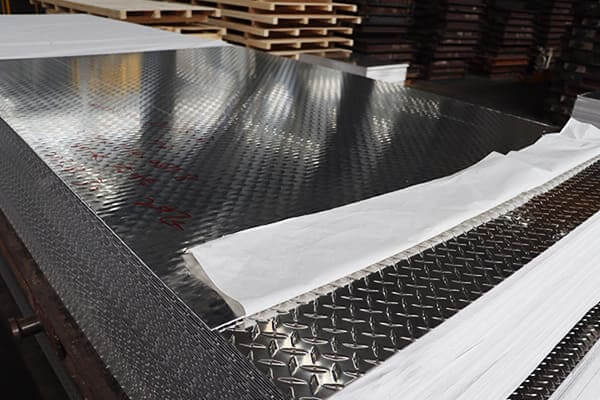
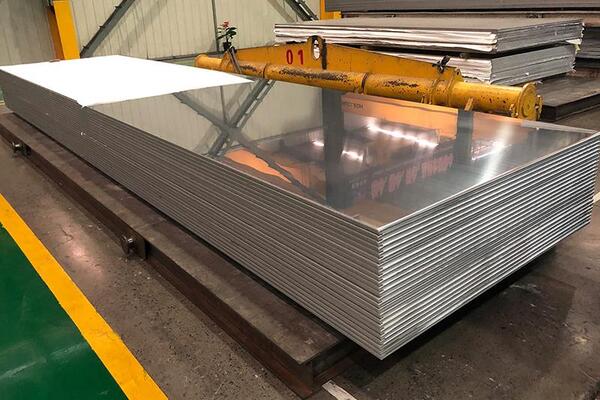
3003 Aluminium Checker Plate Sheet
Key properties at a glance
- Te vai-ti'amâ-raa: Maitai roa; the alloy can be formed and bent with standard sheet metal tooling without cracking, especially in O to H14 temper ranges.
- Puai: Lower than high-strength alloys; yield strength typically around tens of MPa to a little over 100 MPa depending on temper, with UTS in the range of roughly 120–190 MPa for commonly used tempers.
- Hardness and wear: Moderate; the checker pattern provides a robust anti-slip surface but is not a hard steel-like wear surface. For heavy abrasion, surface coatings or a different alloy may be preferable.
- Te patoiraa i te patoiraa: Good to very good in non-extreme environments; particularly resistant to atmospheric corrosion and typical industrial exposure. Saltwater exposure requires careful evaluation or protective coatings.
- Te faito teiaha: Moderate; density around 2.7 g/cm³ means a 1 mm thick sheet weighs about 2.7 kg per square meter; weight scales linearly with thickness.
- Cost: Generally economical in the checker plate sector, often offering cost advantages relative to higher-strength alloys due to ease of fabrication and abundant supply.
Surface characteristics and anti-slip performance
The diamond-tread surface on 3003 checker plate is designed to improve traction under foot and vehicle contact.
The actual anti-slip performance depends on tread pattern geometry, surface roughness, Te mau mana'o tauturu no te, e te mau taata e ere i ta tatou haapa'oraa.
In industrial practice, the pattern commonly used provides predictable friction characteristics under dry and moderately wet conditions.
For critical safety applications, engineers may conduct slip testing to verify compliance with relevant safety standards and site conditions.
Material properties and performance details
Mechanical properties by temper
Understanding the mechanical properties of 3003 aluminium plate helps determine its suitability for a given application.
The temper determines how much work hardening the material has undergone, which translates into yield strength and ultimate tensile strength (UTS).
- O temper (Te mau nota): Highest ductility, lowest strength. Useful for deep drawing and extensive forming operations.
- H14 temper (half hard): Balanced formability and strength. Common for checker plate because it maintains good anti-slip performance while remaining workable.
- H24 temper (strain-hardened): Higher strength with reduced ductility; used where higher load-bearing capability is required but still demands some formability.
Typical mechanical properties (approximate, depending on supplier and temper):
- Te horoa - noa - raa i te puai (5% offset): ~60–115 MPa (H14 may be around 90–110 MPa)
- Ultimate tensile strength: ~120–170 MPa
- Elongation at break: ~10–25% in O temper; lower in H14 (typically 6–12%)
- Te paari (Brinell or Vickers): Moderate; not as hard as heat-treatable alloys
Nota: Specifics vary by product, temper, Te mau mana'o tauturu no te, and processing history. Always consult the supplier’s data sheet for precise figures.
Formability and fabrication considerations
3003 checker plate offers excellent formability for the sheet metal shop. Bending radii should be chosen to avoid cracking, particularly in thinner gauges and tighter bend radii.
Typical practice for H14 sheets is to use bend radii of 1.5–2x the material thickness for mild forming, with larger radii for more delicate features.
Tooling should avoid sharp edges near the tread area to prevent deformation or tear-out of the pattern.
For post-forming operations such as stamping or punching, consider springback and work-hardening effects to achieve dimensional accuracy.
Corrosion resistance and environmental factors
In non-corrosive environments, 3003 aluminum shows excellent atmospheric corrosion resistance.
In marine or chloride-rich environments, corrosion risk increases if protective coatings are not used or if the plate is exposed to salt spray continuously. Solutions include:
- Protective coatings (paint, powder coat, or anodizing)
- Use of sealants at joints and fastener penetrations
- Cathodic protection in highly corrosive environments
- Regular inspection and surface maintenance
Supplier data sheets and third-party corrosion tests can provide site-specific guidance.
For long-term outdoor use, consider a protective coating strategy or a higher-strength, corrosion-resistant alloy if the environment is particularly harsh.
Checker plate specifics: te mau hoho'a, finishes, and standards
Patterns and standardization
Checker plate surfaces use a raised diamond or similar geometrical pattern.
The exact geometry can vary by manufacturer but generally includes:
- Diamond pattern pitch (distance between centerlines)
- Diamond height (peak height above base surface)
- Pattern depth and wheel-rolling stability to minimize surface gouges
While the basic anti-slip function is similar, pattern geometry can influence tripping hazard potential in stairs or ramps, load distribution, and cleanability.
When specifying patterns, consider the application’s friction requirements, cleaning regimes, and whether the plate will be wet, oily, or dusty.
Surface finishes
Common finishes for 3003 checker plate sheets include:
- Mill finish: Natural surface with visible lines from rolling; typically preferred when paint or coating is to be applied later.
- Anodized finish (anodizing on aluminum): Increases corrosion resistance and provides color options; usually used for decorative or high-durability needs.
- Painted or powder-coated finishes: Adds color and protective layer, improving resistance to weathering and abrasion; requires compatible primers and surface preparation.
- Bright-dipped or brushed finishes: Less common on checker plate but used in some decorative or architectural applications.
Standards and compliance
Industrial buyers often reference standards to ensure compatibility and interchangeability. Common standards linked to aluminum sheet and plate include:
- ASTM B209 for Aluminum and Aluminum-Alloy Sheet and Plate
- ASTM B221 for Aluminum Extruded Bars, Rods, Profiles, and Tubes (relevant if the plate is part of a broader assembly)
- EN standards (such as EN 485 for aluminum and EN 515 for hot or cold rolled alloys)
- ISO quality and safety management systems (e.g., ISO 9001)
Always verify which standards are required by your project owner, regulatory body, or customer specifications, and ensure that the chosen supplier can certify compliance and provide test reports (e.g., Te mau matini, thickness tolerances, surface finish, and chemical composition).
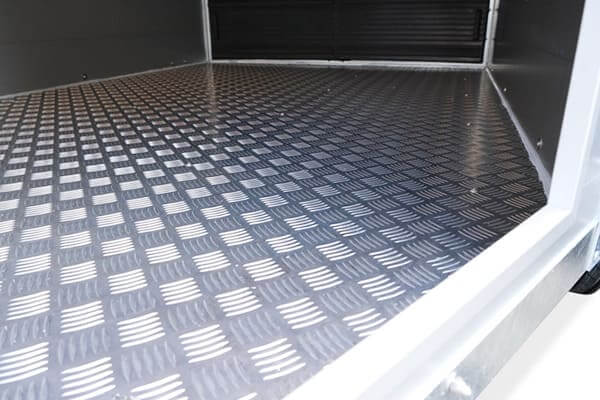
3003 Aluminium Checker Plate for Truck Floor
Applications and benefits: where 3003 checker plate shines
Industrial flooring and structural platforms
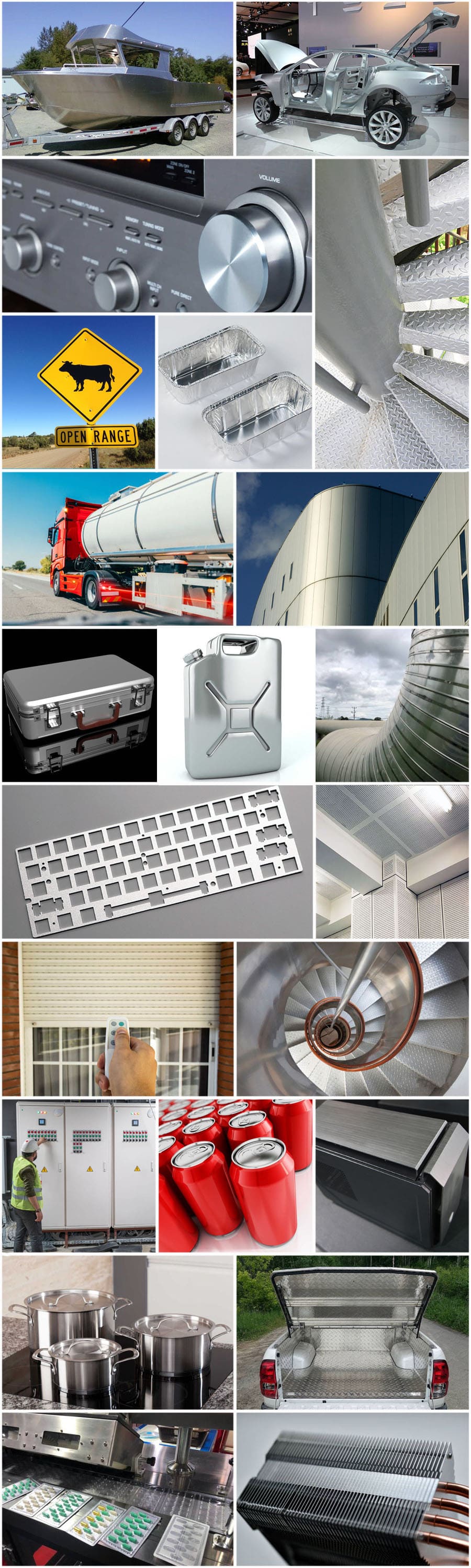
The anti-slip surface of 3003 checker plate combined with its workability makes it an excellent choice for industrial flooring, catwalks, mezzanines, and platform decking.
In such settings, the plate must resist abrasion and provide reliable traction, even when surfaces become wet with oil or water.
The manganese content helps improve resistance to corrosion from basic industrial environments, while the relatively high ductility reduces the risk of brittle cracking under impact or repetitive loads.
Transportation and vehicle applications
Checker plate is widely used for truck bed flooring, trailer floors, cab floors, and other vehicle interiors where durability, slip resistance, and easy cleaning are valued.
As a non-heat-treatable alloy, 3003 is easier to form into curved or irregular shapes, matching complex automotive and transport geometries without sacrificing performance.
Architectural and decorative uses
In some markets, 3003 checker plate finds decorative and architectural applications due to its metallic luster and the diamond surface’s visual texture.
When combined with protective coatings or anodizing, it can provide both aesthetic appeal and protective functionality for interior and exterior fixtures, signage bases, or feature walls.
Small-scale fabrication and DIY projects
Because of its ductility and formability, 3003 checker plate is also popular for DIY and hobbyist projects such as workbenches, tool trays, and custom aluminum furniture components.
The ease of machining and bending reduces lead times and improves project feasibility.
Comparisons with similar products
3003 te mau 5052 aluminium checker plate sheet
- Puai: 5052 is stronger than 3003 due to its magnesium content, typically offering higher yield and tensile strength across common tempers. This results in better load-bearing capacity and dimension stability under stress.
- Te vai-ti'amâ-raa: 3003 generally forms more easily than 5052, which makes it advantageous for complex or tight-radius bending. If your part requires significant shaping, 3003 can reduce tooling wear and forming defects.
- Te patoiraa i te patoiraa: Both alloys resist corrosion well, but 5052’s magnesium presence offers slightly improved corrosion resistance in some sea-air environments; however, neither is meant for highly aggressive environments without protective coatings.
- Cost: 3003 is usually more cost-effective due to simpler alloy chemistry and widespread production. For budget-conscious projects where performance is adequate, 3003 is a logical choice.
3003 te mau 6061 aluminium checker plate sheet
- Strength and heat treatment: 6061 is a heat-treatable alloy offering much higher strength, greater stiffness, e te mau mana'o maitai no te ti'araa p. This makes it suitable for high-load or structural components, but it is less formable than 3003 in most guises and can be more difficult to work with in the field.
- Weight and machinability: Both alloys exhibit good machinability, but 6061’s higher strength often translates to tighter tolerances after forming and cutting. In contrast, 3003’s ductility reduces springback and makes it easier to work with in finishing operations like stamping, trimming, or embossing the checker pattern.
- Te mau faaohiparaa: For anti-slip flooring requiring higher strength, 6061 might be favored in mechanical or structural applications; for simple anti-slip surfaces with less demanding load requirements, 3003 checker plate can be the most cost-effective choice.
Other common 3000-series options
- 3004 aluminium sheet: Slightly stronger than 3003 with a similar work hardening mechanism. Often used where slightly improved strength is desirable while keeping formability high.
- 3105 (an alloy that blends 3003 with other elements to adjust mechanical properties): Provides a blend between corrosion resistance, formability, and strength with broader architectural uses.
Quick comparison highlights
| Alloy | Typical uses | Te vai-ti'amâ-raa | Puai | Te patoiraa i te patoiraa | Typical cost |
|---|---|---|---|---|---|
| 3003 | General purpose, anti-slip checker plate | Maitai roa | Moderate | Maitai | Low to moderate |
| 5052 | Higher strength, marine applications | Maitai | Higher | Very good | Moderate |
| 6061 | Te mau tuhaa o te mau tao'a e vai ra i roto, high-strength needs | Moderate | High | Maitai | Higher |
| 3004 | Improved strength over 3003, good for sheet | Maitai | Moderate | Maitai | Moderate |
Manufacturing and processing overview
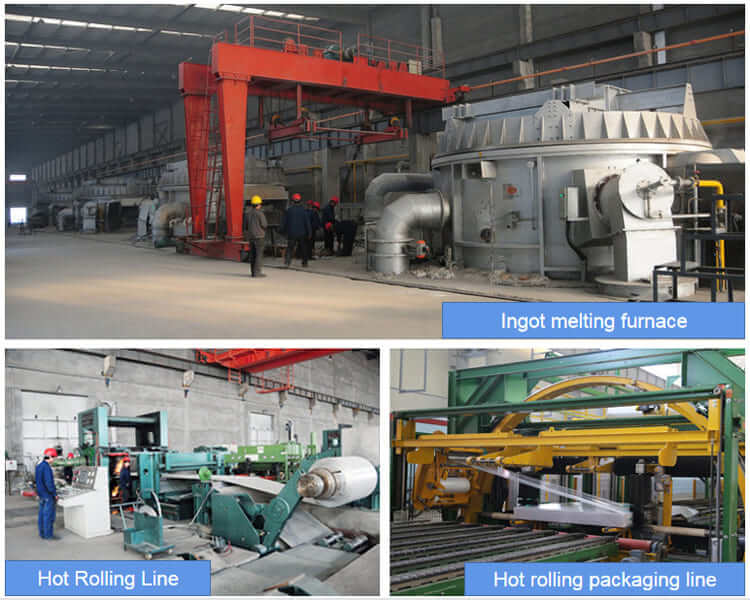
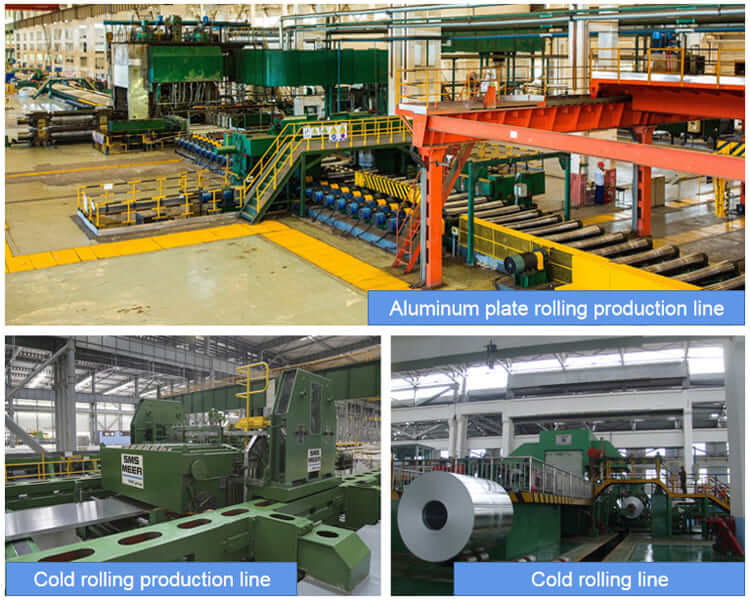
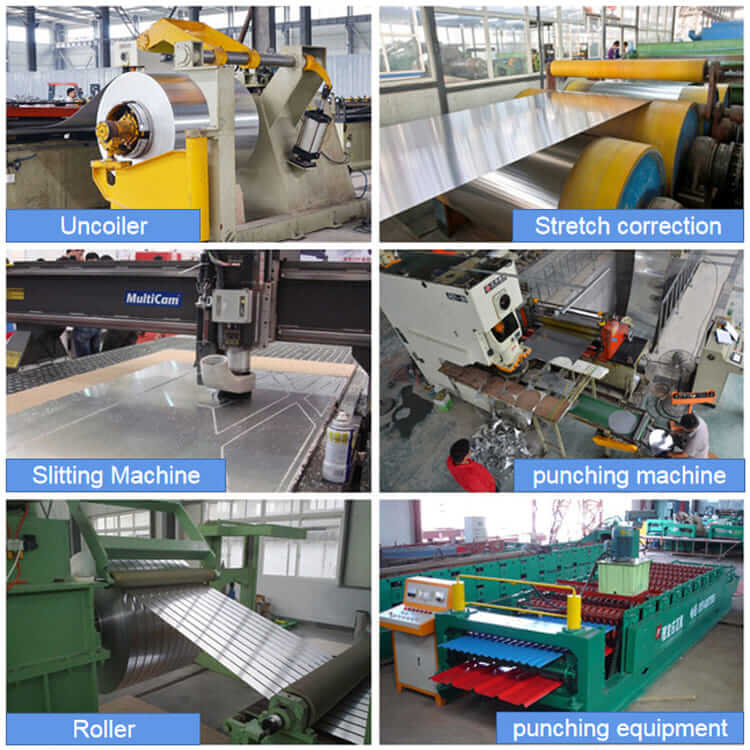
Production flow for 3003 aluminium checker plate sheet
- Alloying and casting: The base alloy is prepared with precise Mn content to achieve target properties.
- Homogenization: The material is homogenized to distribute alloying elements uniformly.
- Preheating and rolling: The sheet is hot rolled to near-final thickness and then cold rolled to the desired thickness. The checker pattern is formed on the surface through a controlled rolling process or via a dedicated pattern rolling die.
- Tempering and ageing: For tempering (e.g., H14), work hardening is controlled to achieve the desired balance of strength and ductility.
- Te faaotiraa: The sheet is cut to size, surface finished (mill finish, Te mau mana'o tauturu no te, or painted), and checked for flatness and surface quality.
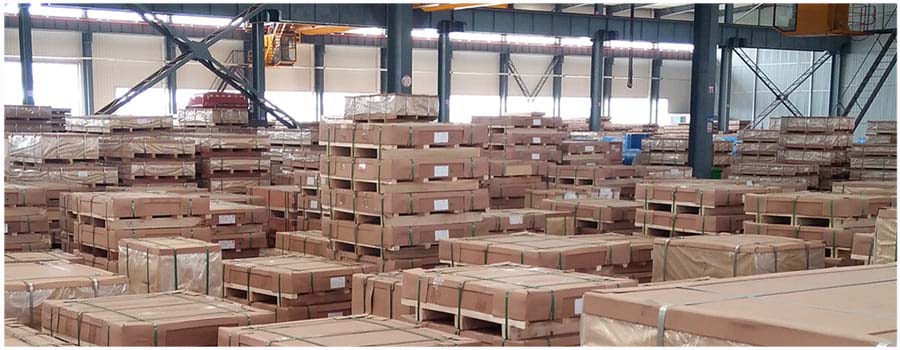
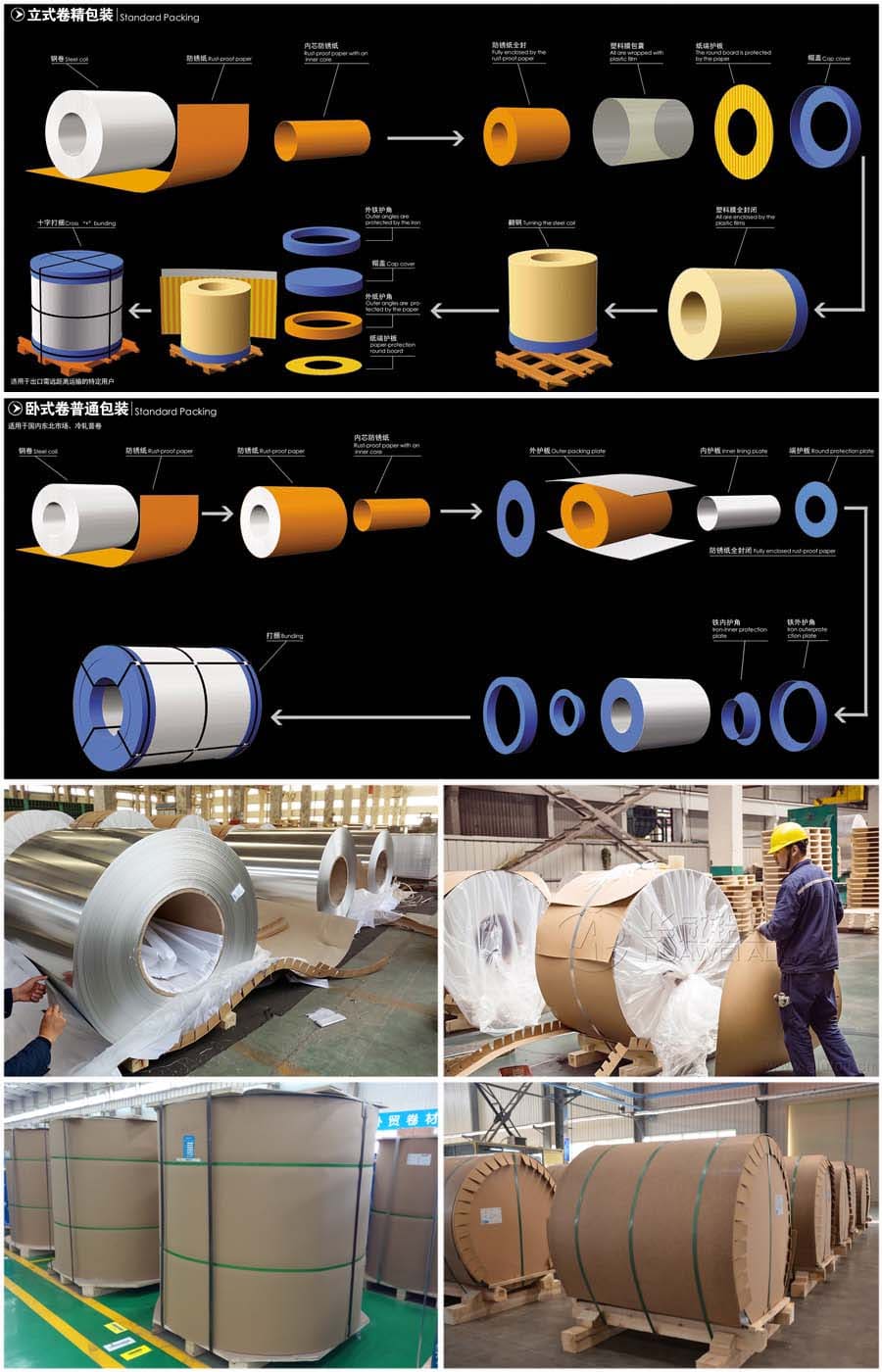
- Inspection and packaging: Final checks include chemical composition verification, Te mau matini, surface finish, and thickness tolerances. The plate is packaged for shipment with protective coverings to prevent surface damage.
Quality control and testing
- Chemical analysis of the alloy to verify Mn content and other impurities.
- Mechanical testing to confirm yield strength, tensile strength, and elongation in the specified temper.
- Dimensional inspection to ensure thickness tolerance and flatness (flatness is particularly critical in checker plate for consistent contact with surfaces).
- Surface inspection for defects, pattern integrity, and coating adhesion where applicable.
- Corrosion resistance testing where required, especially for marine or coastal applications.
Weight and sizing: practical calculations
Understanding weight helps with handling, shipping, and structural analysis.
The approximate weight per square meter of 3003 aluminium sheet is thickness (Te mau mana'o tauturu no te) times density (no ni'a 2.73 g/cm³ or 2.73 t/m³) times 1 m².
Weight per m² (Te mau mana'o tauturu no te) ≈ thickness (Te mau mana'o tauturu no te) × 2.73
Examples:
– 1.0 mm thickness: ~2.73 kg/m²
– 2.0 mm thickness: ~5.46 kg/m²
– 3.0 mm thickness: ~8.19 kg/m²
– 6.0 mm thickness: ~16.38 kg/m²
To compute panel weight for a given sheet area:
– Te faito teiaha (Te mau mana'o tauturu no te) = Area (m²) × thickness (m) × density (1/m.)
– Example: A 2.5 m × 1.2 m plate at 3.0 Te mau mana'o tauturu no te haapiiraa: 3.0 mm = 0.003 m; Area = 3.0 m²; Weight ≈ 0.003 × 2700 × 3.0 ≈ 24.3 Te mau mana'o tauturu no te
Practical sizing guidance
- For flooring and tread applications where stiffness matters, thicker gauges (2–6 mm) are common, balancing weight with load-bearing needs.
- For ornamental or non-structural uses, thinner gauges (0.8–2.0 mm) can be adequate, with emphasis on surface finish and pattern integrity.
- Consider packaging and transport constraints when ordering large sheets; reduce waste by matching panel sizes to preparation and installation requirements.
Supplier landscape and procurement considerations
Introducing Huawei Aluminum
Huawei Aluminum is a recognized supplier in the aluminum coil, Api tapo'i, and plate markets, known for offering a broad range of alloy grades and finishes, tae noa'tu i te 3003 aluminium checker plate sheet.
The company emphasizes robust quality management, reliable supply chains, and global export capabilities. For buyers, Huawei Aluminum often provides:
- Comprehensive product catalogs featuring thicknesses, tempers, and surface finishes
- Material certifications and test reports (Te mau mana'o tauturu no te haapiiraa, Te mau matini, and thickness), supporting traceability
- Customization options such as cut-to-size services and surface finishing requests
- Certifications such as ISO 9001 and relevant industry standards to support quality and safety claims
When engaging Huawei Aluminum or any supplier, you should verify:
- Material certification and traceability: Ensure the product comes with a certificate of analysis (CoA) and materials test reports (MTRs) detailing composition and mechanical properties.
- Temper and finish confirmation: Confirm the exact temper (e.g., H14) and surface finish (mill, Te mau mana'o tauturu no te, hoho'a peni) to align with your design requirements.
- Minimum order quantities and lead times: Some suppliers have standard stock and others offer made-to-order production; both have different implications for project schedules.
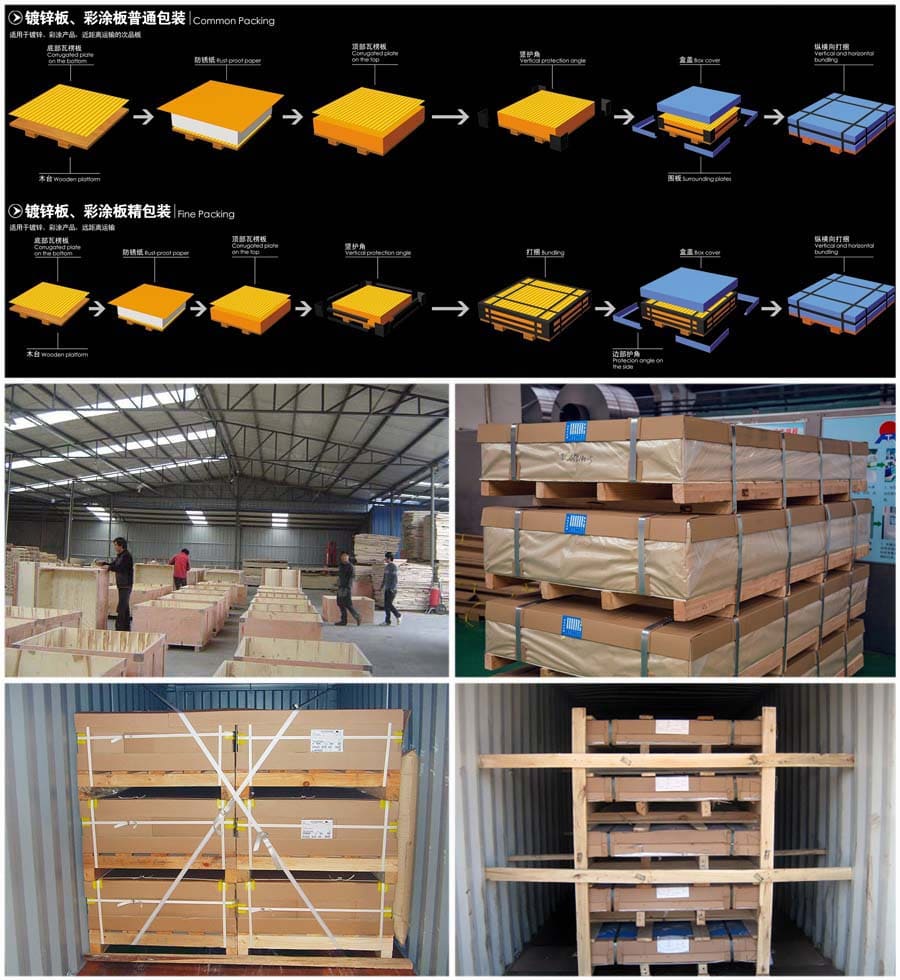
- Delivery and packaging: Understand packaging protection, shipping method, and packaging tolerances. This is particularly important for checker plate, where surface finishes matter.
- After-sales support and warranties: Look for clear policies on returns, defects, and replacement commitments.
How to select a supplier for 3003 checker plate sheet
- Define the specification: Alloy (3003), temper (e.g., H14), Te mau mana'o tauturu no te, pattern type, surface finish, and coating requirements.
- Check compliance: Confirm standards (ASTM, EN, ISO) and required inspection documents.
- Review capability: Verify production capacity, lead times, and ability to cut to size or punch patterns if needed.
- Confirm logistics: Assess shipping zones, incoterms, and packaging quality.
- Validate after-sales support: Ensure warranty or defect remediation policy and accessible technical support.
Packaging, logistics, and durability considerations
Packaging essentials
- Surface protection: Sheets should be individually protected using edge guards and surface-safe wrapping to prevent scratching on the tread pattern.
- Interleaf protection: Cardboard or soft protective layers between sheets in a bundle to minimize abrasion and pattern damage.
- Banding: Secure bundles with metal or plastic bands to prevent shifting during transit.
- Labeling: Clear labeling including alloy, temper, Te mau mana'o tauturu no te, hoho'a, quantity, and batch information to aid traceability.
Shipping and handling
- Weight and size: Plan for handling heavy gauge sheets. For instance, a 3.0 mm thick sheet of 2 m × 1 m weighs roughly 16.4 Te mau mana'o tauturu no te, requiring appropriate lifting equipment.
- Transportation mode: Road freight, sea shipping, or air freight will have different lead times and cost structures. Choose a provider with experience in metal shipments and appropriate insurance coverage.
- On-site handling considerations: For installation, ensure forklifts or crane access, and plan for safe unloading procedures.
Durability considerations
- Surface finish durability: Mill finish may require protective coatings for outdoor exposure; anodized or painted finishes offer enhanced durability.
- Fastener compatibility: Aluminum fasteners and coatings to prevent galvanic corrosion with dissimilar metals.
- Maintenance: Regular cleaning and inspection to keep the anti-slip surface functional, particularly in wet or oily environments.
FAQs
What is the typical life span of 3003 aluminium checker plate in outdoor use?
Life span depends on exposure and protective measures. In moderate climates with common weathering and occasional cleaning, a properly coated 3003 checker plate can last 15–25 years or longer. In marine environments or heavy salt exposure, protective coatings or frequent maintenance may be required to maximize life expectancy.
E nehenehe 3003 checker plate be welded?
Aluminum 3003 is not strength-optimized for welding in the same way as heat-treatable alloys. If welding is necessary, use appropriate filler materials and consult welding guidelines for aluminum alloys. In many cases, mechanical joining (bolts, Te mau nota) is preferred for checker plate assemblies; if welding is unavoidable, consider post-weld inspection and potential heat treatment options if applicable.
How does the anti-slip performance compare to other materials?
The checker pattern provides a reliable anti-slip surface when combined with the alloy’s ductility. The overall slip resistance depends on moisture, oil presence, tread depth, and cleaning. It’s generally superior to smooth aluminum sheets but not solely dependent on material hardness; the pattern geometry and maintenance determine long-term safety.
What finishes are most common for outdoor checker plate?
For outdoor or exposed environments, anodizing or powder coating are common to provide UV resistance and outdoor durability. Paint and primers must be compatible with aluminum to avoid chemical reactions and to ensure adhesion.
Is there a standard thickness range for checker plate sheets?
Common thicknesses range from about 0.8 e tae atu i te 6 Te mau mana'o tauturu no te, with most industrial checker plates in the 1.5–4 mm range for general use. Thicker gauges are reserved for more demanding load-bearing or structural applications. Always verify tolerances with your supplier.
How do I select the right pattern and tread depth?
Choose based on the surface conditions and load requirements. For heavy traffic or oily surfaces, deeper tread patterns and more aggressive anti-slip features provide better traction. Consider maintenance and cleaning requirements as deeper patterns may collect debris.
What certifications should I request from a supplier?
- Material composition certificate (CoA)
- Mechanical property test results (tensile strength, yield strength, elongation)
- Thickness tolerances and flatness verification
- Surface finish verification (pattern fidelity, coating thickness if applicable)
- Compliance with relevant standards (ASTM, EN, ISO)
Conclusion
Ua haapii mai te 3003 Aluminium Checker Plate Sheet represents a compelling blend of practicality, performance, and value.
Its non-heat-treatable manganese-based composition offers dependable formability and corrosion resistance, while the checker surface provides reliable anti-slip characteristics across a broad spectrum of applications.
The combination of these attributes makes 3003 checker plate a dependable choice for industrial floors, vehicle beds, architectural accents, and more.
For buyers, a clear specification, good supplier relationships, and rigorous quality checks are essential to achieving consistent outcomes.
Huawei Aluminum emerges as a credible supplier option within this space, offering a range of alloy sheets and finished products with documentation and support to facilitate project success.
By understanding alloy behavior, temper effects, pattern considerations, and practical fabrication guidance, you can optimize your design and procurement strategy for 3003 aluminium checker plate sheet.
Share with PDF: Download


A vaiiho i te hoê pahonoraa