The Ultimate Guide to 40 Micron 8011 H18 PTP Aluminum Foil
In the intricate world of pharmaceutical packaging, the barrier between a life-saving medication and the destructive forces of the environment is often measured in microns. Among the various materials vying for dominance in this critical sector, 40 Te mau nota 8011 H18 PTP aluminum foil stands out as a benchmark for reliability, protection, and structural integrity.
This comprehensive guide explores every facet of this specialized material, from its metallurgical DNA to its indispensable role in modern healthcare logistics.
Understanding the Material Specifications
To the uninitiated, a foil is just a thin sheet of metal. Tera râ,, for pharmaceutical engineers and packaging specialists, the specific nomenclature—”40 Te mau nota,” “8011,” “H18″—represents a complex matrix of performance criteria.
Each element of this designation dictates how the material behaves during high-speed packaging and how it performs over the shelf life of the drug.
The Significance of the 8011 Te mau Series
Ua haapii mai te “8011” designation refers to the specific aluminum alloy composition.
This is not pure aluminum; it is a carefully engineered material belonging to the 8xxx series of aluminum alloys, which are alloyed primarily with iron and silicon.
The inclusion of these elements is not arbitrary. Iron and silicon significantly influence the foil’s mechanical properties and its microstructure.
In the realm of PTP (Push-Through Packaging) applications, 8011 is the industry standard for several compelling reasons.
A tahi, the alloy offers an exceptional balance between strength and ductility.
Pure aluminum might be too soft, leading to deformation during handling, while other alloys might be too brittle, causing cracking during the forming process. 8011 strikes a perfect equilibrium.
The chemical composition typically ranges as follows:
| Element | Percentage (%) |
|---|---|
| Aluminum (Al) | Te aifaitoraa |
| Silicon (Si) | 0.50 – 0.90 |
| Auri (Fe) | 0.60 – 1.00 |
| Te veo (Te mau mana'o tauturu no te) | Max 0.10 |
| Manganese (Mn) | Max 0.20 |
| Magnésium (Mg) | Max 0.05 |
| Zinc (Zn) | Max 0.10 |
| Vetahi ê (Tata'itahi) | Max 0.05 |
| Vetahi ê (Taatoaraa) | Max 0.15 |
The presence of Iron (Fe) and Silicon (Si) in these proportions creates a fine, dispersed second phase within the aluminum matrix.
This microstructure is crucial for achieving the necessary hardness and minimizing the risk of pinholes, which are the arch-nemesis of pharmaceutical barrier packaging.

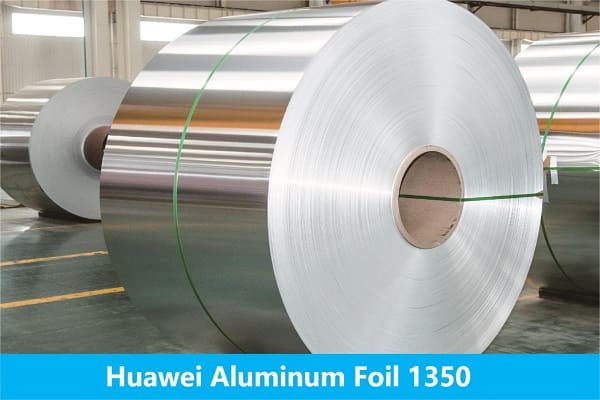
Huawei 40 Micron 8011 H18 PTP Aluminum Foil
Decoding the H18 Temper
Ua haapii mai te “H18” designation describes the temper or the hardness of the aluminum.
In the Aluminum Association designation system, te “H” prefix indicates “strain-hardened.”
The digit “1” signifies that the product has been strain-hardened to a degree greater than required for the final temper, followed by a partial annealing.
Tera râ,, the digit “8” is the critical variable here. It indicates that the foil is in the “full hard” Te mau mana'o tauturu no te.
For pharmaceutical applications, this level of hardness is vital.
Consider the mechanics of Push-Through Packaging (PTP). The foil acts as a lid, sealed to a plastic blister (usually PVC or PVDC).
When a patient presses a tablet against the foil, the foil must rupture cleanly and easily. If the foil is too soft (e.g., H14), it might stretch or deform without breaking, frustrating the user.
If it is too brittle, it might tear spontaneously. H18 provides a tensile strength typically ranging between 160-200 MPa, ensuring the “pop” effect that consumers expect while maintaining enough rigidity to protect the contents during shipping.
Why 40 Microns Matters
The thickness of the foil—40 microns (or 0.04mm)—is a specification that balances cost, protection, e te mana'o papû.
While thinner foils exist for standard applications, 40 Te mau nota 8011 H18 PTP aluminum foil is often selected for high-value medications or those requiring superior mechanical protection.
- Barrier Efficiency: While aluminum foil is generally considered a “perfect” barrier, the reality depends on thickness. Below a certain threshold, pinholes become statistically probable. At 40 Te mau nota, the foil is virtually pinhole-free, providing an absolute barrier against moisture, Te mau mana'o tauturu no te, maramarama, and microorganisms.
- Structural Rigidity: Thinner foils can sometimes wrinkle or “tunnel” on the packaging line. The 40-micron gauge offers enough body to lie flat on the web, ensuring consistent heat sealing and printing results.
- Printability: The surface of a 40-micron foil provides an excellent substrate for high-resolution printing. Pharmaceutical companies rely on this surface to print expiration dates, batch numbers, and dosage instructions with clarity and permanence.
The Critical Role of PTP Aluminum Foil in Pharmaceuticals
Pharmaceutical products are delicate chemical formulations. Exposure to environmental factors can alter their chemical structure, rendering them ineffective or even dangerous.
The primary function of PTP foil is to act as a sentinel, guarding against these invisible threats.
Defense Against Moisture and Oxygen
Moisture is the primary adversary of solid dosage forms like tablets and capsules.
Hydrolysis—the chemical breakdown of a compound due to reaction with water—can reduce the efficacy of active pharmaceutical ingredients (APIs).
Hoê â huru, oxidation can alter the chemical composition of the drug.
Glass is an excellent barrier, but it is heavy, breakable, and not always convenient for patients.
Plastics, while versatile, are inherently permeable. Even high-barrier plastics like PVDC allow a small transmission rate of water vapor and oxygen.
This is where 40 Te mau nota 8011 H18 PTP aluminum foil excels. Because aluminum is a metal, its barrier properties are not based on density or thickness alone but on its metallic structure.
As long as the foil remains intact, the Water Vapor Transmission Rate (WVTR) is effectively zero. The Oxygen Transmission Rate (OTR) is also zero.
This creates a “hermetic” seal—an environment isolated from the outside world.
Light and UV Protection
Many pharmaceutical compounds are photosensitive. Exposure to ultraviolet (UV) light or even visible light can trigger photodegradation.
This is why many pill bottles are amber-colored.
Aluminum foil is opaque. It blocks 100% of light transmission across the spectrum.
By using 40-micron foil, manufacturers ensure that the drug remains in a state of “darkness” until the moment of consumption.
This is particularly critical for vitamins, antibiotics, and certain cardiovascular medications that are highly susceptible to photolytic degradation.
Compliance and Patient Safety
Beyond physical protection, PTP foil plays a crucial role in regulatory compliance and patient safety.
Ua haapii mai te “push-through” mechanism is not merely a convenience; it is a safety feature.
It prevents accidental ingestion by children and helps elderly patients track their dosage.
The foil surface allows for the serialization and tamper-evidence required by regulatory bodies like the FDA (Food and Drug Administration) and EMA (European Medicines Agency).
High-quality 8011 H18 foil accepts heat-seal lacquers and printing inks uniformly, ensuring that the required text—dosage, warnings, brand identity—remains legible throughout the product’s lifecycle.
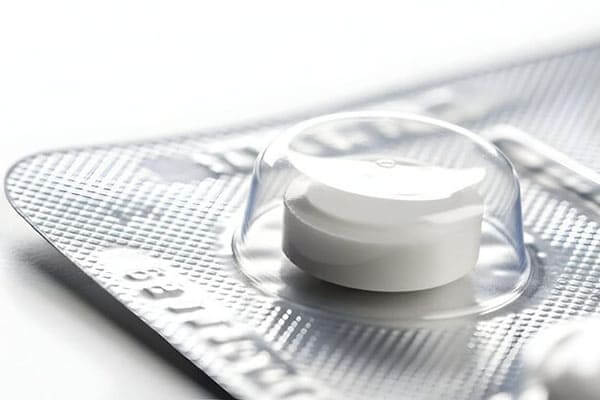
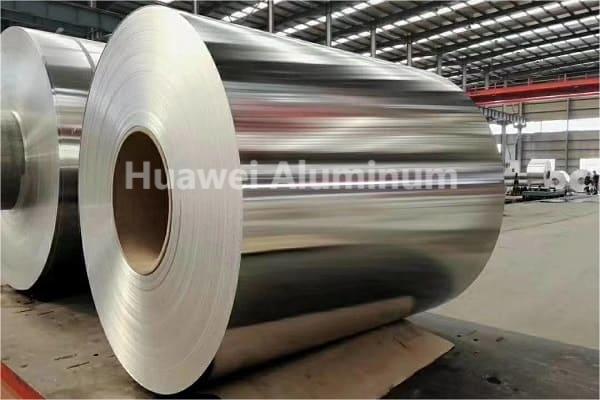
8011 H18 PTP Aluminum Foil Display
Manufacturing Excellence: How 8011 H18 Foil is Produced
The journey from a raw aluminum ingot to a 40-micron pharmaceutical foil is a sophisticated process involving metallurgy, mechanical engineering, and rigorous quality control.
Understanding this process highlights why consistency is so difficult to achieve and why sourcing from reputable manufacturers is paramount.
Casting and Rolling Processes
The production of 8011 aluminum foil typically begins with continuous casting. The molten aluminum alloy is poured into a mold or a moving belt to form a slab. This slab is then cooled and coiled.
Subsequently, the slab undergoes cold rolling. The metal passes through a series of rollers that apply immense pressure, reducing the thickness. This is a progressive reduction. A slab that starts at several centimeters thick is reduced to just 40 Te mau nota.
During this rolling process, the metal undergoes work hardening. As the grains of the metal are compressed and elongated, the material becomes harder and stronger. This is the origin of the “H” (strain-hardened) temper.
For H18 temper, the rolling is continued until the desired hardness is achieved. Intermediate annealing (heating the metal to a specific temperature to soften it) may be used to allow further rolling without cracking the material. The final pass leaves the foil in its full-hard state, ready for the rigors of packaging machinery.
Annealing and Surface Treatment
While H18 is a “hard” temper, the surface quality still matters. For PTP applications, the foil is often “bright” on one side (the side that touches the rolling mill’s polished rolls) e “matte” on the other.
Tera râ,, before the foil is shipped to pharmaceutical packagers, it often undergoes surface treatment to improve its adhesion properties.
Aluminum naturally forms a thin oxide layer. While this layer provides corrosion resistance, it can sometimes interfere with the bonding of heat-seal lacquers.
Manufacturers may use corona treatment or chemical coating to activate the surface, ensuring that the protective lacquers and heat-seal polymers adhere permanently.
Without this step, the foil might delaminate from the blister during a “push-through” attempt, causing the drug to spill or creating a choking hazard.
Quality Assurance and Defect Prevention
The production of pharmaceutical-grade foil leaves no room for error. Defects such as pinholes, non-metallic inclusions, or thickness variations are unacceptable.
- Pinhole Detection: Manufacturers use high-tech vision systems to scan the moving web of foil. Any pinhole, however microscopic, triggers an alarm or marks the roll for removal. At 40 Te mau nota, pinholes are rare, but absolute certainty is required.
- Tensile Testing: Samples are taken from every coil to verify the H18 temper. The tensile strength must meet the specified range. If the foil is too hard, it might break on the machine; if too soft, it won’t push through correctly.
- Flatness Measurement: “Te parahurahu” refers to the foil’s ability to lie perfectly flat. Warped or wavy foil cannot be printed or sealed accurately. Sophisticated laser systems measure the flatness profile and adjust the rolling mill tension in real-time to correct any deviations.
Comparative Analysis: 40 Micron vs. Other Gauges
Choosing the right foil thickness is an engineering decision based on the specific needs of the drug product.
While 40 micron is a robust choice, it is important to compare it with other common gauges to understand its relative advantages.
25 Micron Foil: The Standard Choice
Historically, 25 microns was the standard for PTP lids. It is cheaper, uses less aluminum, and provides adequate protection for stable, low-risk medications.
- Pros: Lower material cost, easier to rupture for elderly patients, lighter weight.
- Cons: Higher risk of pinholes, lower mechanical strength, prone to wrinkling on high-speed lines.
For vitamins or simple painkillers, 25 microns is often sufficient.
Tera râ,, for sensitive biologics or hygroscopic drugs, the barrier integrity might be compromised under extreme conditions.
50 Micron and 60 Micron Foil: Heavy-Duty Protection
In some “Cold Forming” (CF) blister packs, the aluminum is much thicker, often laminated to a plastic film.
- Pros: Ultimate protection, essentially a rigid cup, excellent for sensitive drugs.
- Cons: Slower production speed (forming takes time), higher cost, opaque (cannot see the pill), difficult for patients with arthritis to push through.
The Middle Ground: Why 40 Micron is the Optimal Balance
40 Te mau nota 8011 H18 PTP aluminum foil occupies a “sweet spot” between the standard 25-micron lidding and the heavy-duty cold-forming blisters.
- Enhanced Barrier over 25 Micron: The risk of pinhole formation drops dramatically as thickness increases from 25 i te 40 Te mau nota. Statistical models show a near-zero pinhole probability at 40 Te mau nota, making it a safe bet for high-value pharmaceuticals.
- Better Machinability than Thicker Foils: It runs on standard thermoforming blister lines without requiring the specialized tooling needed for cold-forming aluminum. It maintains the “push-through” functionality, which is preferred by patients over the “peel-push” mechanism of many cold-form packs.
- Cost Efficiency: While more expensive than 25 Te mau nota, it offers a significant upgrade in protection for a fraction of the cost of moving to a full cold-forming solution.
Below is a comparative summary of the properties:
| Feature | 25 Micron (H18) | 40 Micron (H18) | Api no te peniraa |
|---|---|---|---|
| Barrier | High (Minimal Pinhole Risk) | Absolute (Zero Pinhole Risk) | Absolute |
| Te puai no te ti'araa p | Moderate | High | Very High |
| Push-Through | Easy | Optimal (Good ‘Pop’) | N/A (Requires Peeling) |
| Cost | Low | Moderate | High |
| Ideal Use | Stable Tablets | Sensitive/Medium-High Value Drugs | Highly Sensitive Biologics |
Key Considerations for Selecting a Supplier
Sourcing 40 Te mau nota 8011 H18 PTP aluminum foil is a critical supply chain decision.
The raw material impacts the packaging line efficiency, the product’s shelf life, and regulatory compliance. Not all aluminum foil manufacturers are created equal.
Supplier Technical Capability
A supplier must possess more than just rolling mills. They need the technical capability to control the microstructure of the alloy.
The distribution of Iron and Silicon in the 8011 alloy determines the texture of the fracture surface when the foil is pushed.
If the grain structure is too coarse, the foil might tear jaggedly. If it is too fine, it might not tear at all.
A top-tier supplier uses advanced metallography to monitor these structures, ensuring that every coil delivered behaves identically to the last one.
Consistency of Supply
Pharmaceutical production is continuous. A packaging line stopping due to foil breakage or quality issues results in significant financial losses.
Suppliers must have robust capacity and inventory management.
Te tahi atu â mau mea, the supplier must provide a Certificate of Analysis (CoA) with every batch.
This document verifies that the chemical composition, Te mau matini, and surface quality meet the agreed specifications.
Reliability in delivery schedules is just as important as the quality of the material itself.

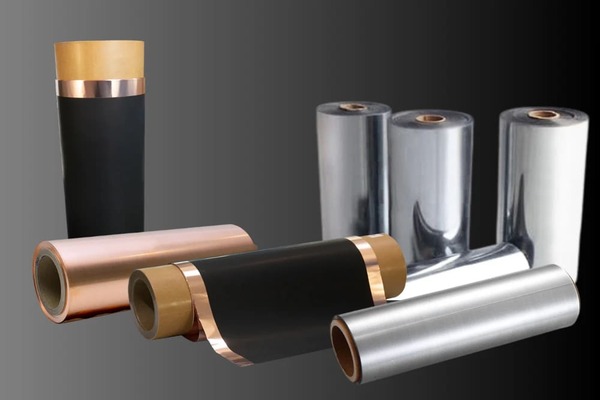
40 Te mau nota 8011 H18 Aluminum Foil for Medicine
Introduction to Huawei Aluminum
In the landscape of global aluminum supply, Huawei Aluminum has established itself as a prominent player, particularly in the niche of pharmaceutical packaging materials.
With years of dedicated experience in aluminum processing, Huawei Aluminum specializes in the production of high-precision aluminum foil.
Their manufacturing facilities are equipped with state-of-the-art casting and rolling lines designed specifically for thin-gauge alloys like 8011.
Huawei Aluminum understands the nuances of the H18 temper required for PTP applications.
They implement rigorous quality control protocols, ensuring that their 40-micron foil meets international standards such as ASTM B209 and EN 546.
Their commitment to quality extends to the surface treatment phase, guaranteeing excellent adhesion for heat-seal lacquers used by downstream blister packagers.
The company’s strength lies in its ability to customize. Recognizing that different packaging machines have different tension requirements, Huawei Aluminum can adjust the slitting and winding parameters to ensure the foil unrolls smoothly on specific equipment.
This customer-centric approach makes them a reliable partner for pharmaceutical companies looking to secure their supply chain for critical packaging components.
Innovations and Future Trends in Pharmaceutical Foil
The pharmaceutical industry is dynamic, driven by changing regulations and patient needs.
The humble aluminum foil is also evolving to meet these new challenges.
Child-Resistant and Senior-Friendly Foils
One of the biggest challenges is balancing child safety with senior accessibility. Standard PTP foil can often be easily pushed by a determined child.
To counter this, manufacturers are developing laminated foils where a paper or PET layer must be peeled back first to reveal the foil, which is then pushed.
Tera râ,, this creates a “peel-push” mechanism that can be difficult for seniors with arthritis. New 40-micron foil variations are being engineered with calibrated fracture lines.
These foils remain intact under normal handling but rupture easily when specific pressure is applied, creating a hybrid solution that meets both child-resistant and senior-friendly guidelines.
Sustainability and Recyclability
The environmental impact of packaging is under intense scrutiny.
Aluminum is infinitely recyclable, which gives it a distinct advantage over multi-layer plastic blisters which are difficult to separate and recycle.
The industry is moving towards “mono-material” concepts. By using 40 Te mau nota 8011 H18 PTP aluminum foil in thicker gauges for the entire blister (rather than just the lid), or by developing easier-to-separate laminate structures, the industry aims to improve the recyclability of blister packs.
Huawei Aluminum and other leaders are actively researching alloys that require less energy to recycle while maintaining the high barrier properties essential for drug safety.
Anti-Counterfeiting Measures
Drug counterfeiting is a global health crisis. Foil is the first line of defense.
Advanced printing technologies allow for microscopic text, holographic integration, and color-shifting inks to be applied directly to the 40-micron foil surface.
Te tahi atu â mau mea, “track and trace” serialization codes are now often printed on every blister pocket.
The dimensional stability of 40-micron H18 foil is crucial for high-resolution inkjet printing required for these serialization codes.
If the foil stretches or distorts, the codes become unreadable by scanners in the supply chain.
Technical Deep Dive: Testing and Validation
When a pharmaceutical company validates a packaging material, they subject it to a battery of tests.
For 40 Te mau nota 8011 H18 PTP aluminum foil, these tests verify that the material will survive the packaging process and protect the drug product.
Mechanical Testing
- Tensile Strength and Elongation: Using a universal testing machine, a strip of foil is pulled until it breaks. For H18 temper, the elongation is low (typically <2%), but the tensile strength is high. This data ensures the foil will not snap under the tension of the packaging machine.
- Burst Strength: This measures the force required to rupture the foil. It simulates the patient’s finger pushing the tablet. If the burst strength is too high, the patient cannot access the drug; if too low, the foil may break during handling.
Barrier Testing
- Water Vapor Transmission Rate (WVTR): The foil is sealed over a cup containing desiccant. The assembly is placed in a humid chamber. By weighing the cup over time, the amount of moisture that penetrated the foil is measured. For intact 40-micron foil, the expected result is 0.00 g/m²/day.
- Pinhole Testing: A light box test or electrical conductivity test checks for microscopic holes. 40-micron foil should typically have zero pinholes, or a strictly controlled maximum of pinholes per unit area that are invisible to the naked eye.
Surface Quality Testing
- Wettability: To ensure the heat-seal lacquer sticks, the surface energy of the foil is tested using dyne pens or contact angle measurements. A high surface energy indicates a clean, bondable surface.
- Surface Roughness (Ra): A rough surface can interfere with high-speed printing. Profilometers measure the peaks and valleys of the foil surface to ensure a smooth, printable finish.
Frequently Asked Questions (FAQs)
Q1: Why is 8011 alloy preferred over other aluminum alloys for PTP foil?
A: Ua haapii mai te 8011 alloy is preferred because of its specific Iron and Silicon content. These elements create a fine, uniform microstructure that provides the right balance of hardness (for the push-through effect) e te pato'iraa. It also finishes with a clean, bright surface ideal for printing.
Q2: Is 40-micron foil safe for highly hygroscopic drugs?
A: E. Oia mau, 40-micron foil is often chosen specifically for hygroscopic drugs because it is essentially pinhole-free. Unlike thinner foils (like 20 e aore râ, 25 Te mau nota) which have a statistical probability of pinholes, 40 microns provides an absolute barrier against moisture ingress, making it ideal for moisture-sensitive formulations.
Q3: What does “H18” mean in practical terms for the patient?
A: H18 means “Full Hard.” For the patient, this translates to the tactile experience of pushing the tablet through the foil. The foil will not simply stretch like a piece of gum; it will snap cleanly. This ensures the tablet is easily accessible and prevents the foil from tearing jaggedly, which could be a safety hazard.
Q4: Can 40-micron foil be recycled?
A: E, aluminum foil is highly recyclable. Tera râ,, in a PTP format, the foil is usually laminated to a plastic blister (PVC/PVDC). Separating these layers for recycling is difficult. The industry is currently working on mono-material solutions, but currently, the foil itself is recyclable material if separated.
Q5: How does temperature affect the 40-micron H18 foil?
A: Aluminum retains its properties across a wide temperature range. Tera râ,, the heat-seal lacquer applied to the foil (which bonds it to the plastic blister) is sensitive to temperature. During the sealing process, precise heat and pressure are applied. The H18 temper is stable enough not to degrade or soften during the brief heat sealing exposure.
Q6: Why choose Huawei Aluminum for pharmaceutical foil?
A: Huawei Aluminum offers a combination of technical expertise and production capacity. They specialize in the precise temper control required for H18 foil and ensure rigorous quality checks for pinholes and surface quality. Their ability to provide consistent batch-to-batch quality reduces downtime for pharmaceutical packagers.
Conclusion
Ua haapii mai te 40 Te mau nota 8011 H18 PTP aluminum foil is more than just a metallic sheet; it is a sophisticated pharmaceutical packaging solution engineered for perfection.
From the precise alloying of Iron and Silicon to the strain-hardening processes of H18 temper, every aspect of its production is geared towards one goal: the safety and efficacy of the medication within.
Its selection over thinner gauges represents a commitment to quality—a decision to prioritize absolute barrier protection over marginal cost savings.
As the pharmaceutical industry evolves, facing new challenges in sustainability and counterfeiting, the role of high-quality aluminum foil will only grow.
Suppliers like Huawei Aluminum are at the forefront of this evolution, ensuring that the critical link between the manufacturer and the patient remains unbreakable.
Whether you are formulating a new biologic or optimizing the packaging line for an existing product, understanding the technical depth of your packaging materials is essential.
Ua haapii mai te 40 Te mau nota 8011 H18 foil stands as a testament to material science working in service of global health.
Share with PDF: Download



A vaiiho i te hoê pahonoraa