Omuaraa
Ua haapii mai te 9-Te mau nota 1235 composite aluminum foil is a lightweight, flexible, and high-barrier substrate commonly used in laminated packaging (e.g., lidding, sachets, flexible pouches) where low basis weight, good formability, and excellent barrier performance matter.
Typical constructions pair a 9 µm AA1235 aluminum foil layer with polymeric films (PE/CPP/PET) or adhesives to form a composite that balances mechanical integrity, sealability, e barrier properties.
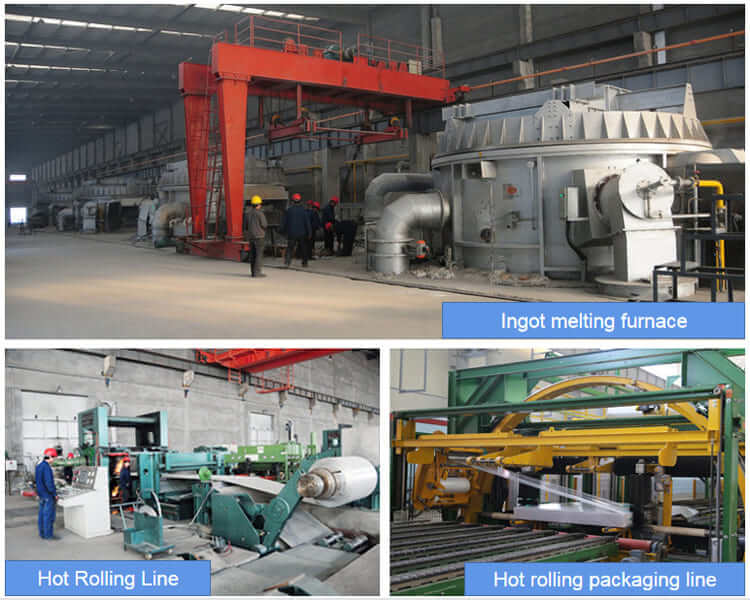
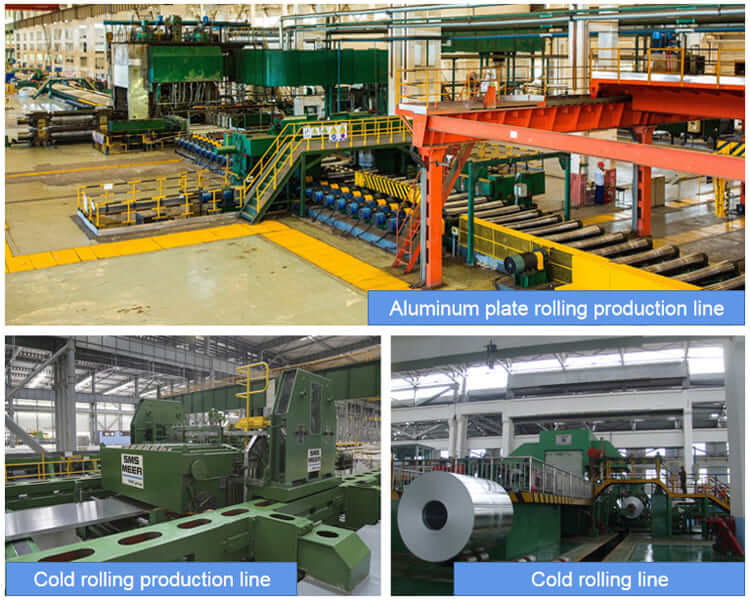
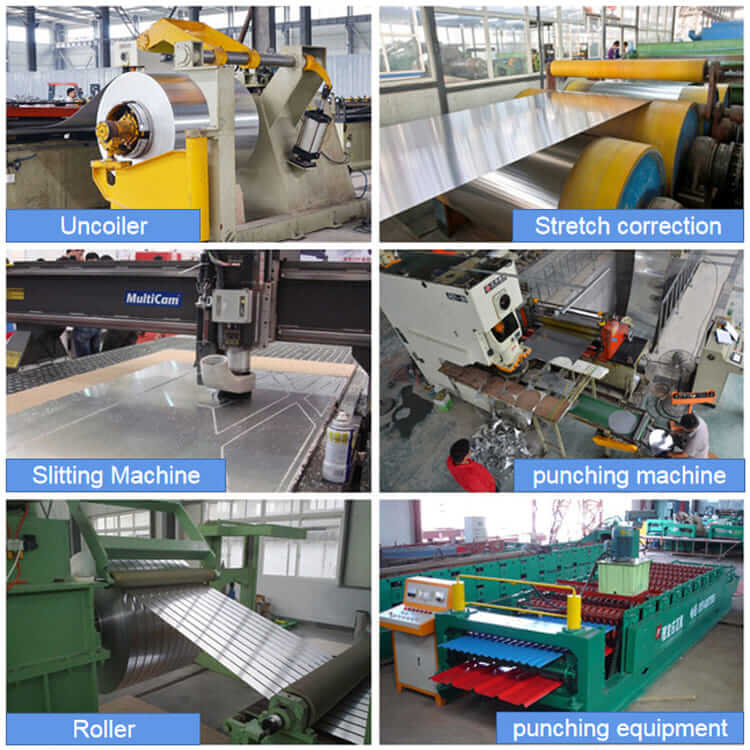
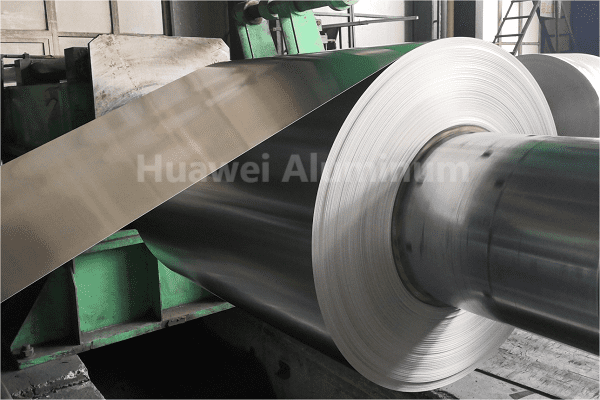
Henan Huawei Aluminum Co., Ltd. manufactures precision aluminum foils with stringent process control and in-house slitting, coating, and lamination capabilities.
For 9-µm 1235 Te mau mana'o tauturu no te, Huawei offers traceable Certificates of Analysis (CoA), customised slitting widths, and pilot-run support—critical for customers who must validate sealing windows and barrier performance before scale-up.

1) Alloy Profile: What 1235 Brings to Lamination
1235 aluminum foil is a high-purity 1xxx alloy tailored for converter foil. Its low alloying additions maximize formability and dead-fold while keeping good corrosion behavior and high reflectivity.
Te faanahoraa i te pae no te mau tao' (wt%) — Typical Limits
| Element | Min | Max | Role in Lamination Foil |
|---|---|---|---|
| Al | 99.35 | — | Matrix providing ductility and high reflectivity. |
| Si | — | 0.10 | Tight control → smooth rolling surface, low defects. |
| Fe | — | 0.60 | Strengthens slightly; excessive Fe can raise defect risk. |
| Te mau mana'o tauturu no te | — | 0.05 | Kept very low to preserve corrosion resistance. |
| Mn | — | 0.05 | Trace; limited for foil. |
| Mg | — | 0.05 | Trace; limited for foil. |
| Zn | — | 0.10 | Trace control. |
| Ti'araa | — | 0.03 | Grain refinement in melt; typically very low. |
| Vetahi ê (each) | — | 0.03 | Impurity cap. |
| Vetahi ê (Te mau nota) | — | 0.10 | Aggregate impurity control. |
Usual tempers: O (Mărû) for maximum ductility and bondability in extrusion/adhesive lamination; H18 (full hard) where handling stiffness and slit-edge quality matter prior to bonding (the laminate then provides final flex).
2) Why 9 mea e ti'a ia ravehia? The Engineering Trade-off
Barrier: Aluminum foil is the only true, continuous barrier layer used in flexible packaging. At intact sections, WVTR e OTR are effectively near-zero; real-world barrier is governed by Te mau nota, seam quality, e adhesion.
Cost/Yield: Thinner foil reduces weight e improves area yield. Below ~7 µm, pinhole probability rises sharply; at 9 mea e ti'a ia ravehia most converters achieve a stable, low pinhole density with modern rolling and filtration.
Yield & Weight — Simple, Actionable Math
- Te mau mana'o tauturu no te haapiiraa (Al): 2.70 g/cm³
- Areal mass at 9 mea e ti'a ia ravehia: 2.70 × 9×10⁻⁶ m × 10⁴ cm²/m² ≈ 24.3 g/m.
- Area per kg: 1 Te mau mana'o tauturu no te / 0.0243 kg/m² ≈ 41.15 m²/kg
Example: A 1,000 mm × 4,000 m roll of 9 µm foil has area 4,000 m² and weighs ≈ 97.2 Te mau mana'o tauturu no te. Switching from 12 µm → 9 mea e ti'a ia ravehia reduces foil mass by 25% at the same area.
Thickness vs. Pinhole Risk (Qualitative)
| Gauge | Barrier risk from pinholes | Typical use case |
|---|---|---|
| 7–8 µm | Higher; needs top-tier melt/roll control | Ultra-light laminations for cost-critical SKUs |
| 9 mea e ti'a ia ravehia | Balanced: good barrier with robust yields | Mainstream PET/AL/PE, Paper/AL/PE, cigarette inner liner |
| 12 mea e ti'a ia ravehia | Lower pinhole probability; heavier | Premium barrier, high-stress lines, retort-adjacent stacks |

3) Composite Stack-ups that Use 9 mea e ti'a ia ravehia 1235 Foil
Laminate design tunes stiffness, heat-seal behavior, and puncture while the foil ensures barrier and light-proofing. Below are typical stacks and performance intentions.
| Stack | Opuaraa | Te mau tuhaa taa ê & Notes |
|---|---|---|
| PET (12–25) / AL (9) / PE (40–80) | General dry food, snacks, powders | PET provides printability & stiffness; foil provides aroma/light barrier; PE seals and protects. |
| BOPP (20) / AL (9) / CPP (40–70) | Crisps, biscuits, confectionery | BOPP for crack resistance & Te ti'amâraa ia ma'iti; foil for barrier; CPP for hot-tack window. |
| Paper (40–60 g/m²) / AL (9) / PE (20–60) | Cigarette inner liner, sachets | Paper feel plus opacity; foil for barrier; PE for heat-seal & moisture lock. |
| PA (15) / AL (9) / PE (60–80) | Puncture-resistant pouches (non-retort) | PA adds tear & puncture resistance; foil blocks oxygen, odor, and UV. |
| Non-wovens / AL (9) / PE | Insulation facers, cable wrap combos | Foil gives EMI/moisture barrier; PE bonds to substrate. |
Barrier reference values for intact laminates (typical, lab-measured):
- WVTR: < 0.01 g/m²·day (38 °C, 90% RH)
- OTR: < 0.1 cc/m²·day (23 °C, 0% RH)
Actual numbers depend on Te mau nota, adhesive layer continuity, e seal integrity.
4) Lamination-Ready Surface: What to Control
Converter performance lives or dies with surface cleanliness and energy.
- Wetting tension (dyne level): ≥ 36–38 dynes after degreasing + corona ensures uniform adhesive wet-out.
- Residual rolling oil: ≤ 3.0 mg/m² (as low as practicable).
- Surface topology: One bright and one matte side from double-roll finish; many converters prefer the matte side to adhesive for slightly higher effective surface area.
- Adhesive systems: 2K polyurethane solvent-based is the workhorse; extrusion lamination with LDPE/LLDPE also common (mind neck-in e draw resonance to keep AL fully covered).
- Bond strength: ASTM F88 ≥ 3.5–6.0 N/15 mm depending on stack and film thickness.

5) Key Specifications & Targets
| Category | Ohipa | Typical Target Window | Why it Matters |
|---|---|---|---|
| Me'ume'u | Nominal | 9 mea e ti'a ia ravehia | Balanced barrier/yield for mass laminations. |
| Tolerance (1σ / peak-to-valley) | ±4–6% / ≤ 8–10% | Controls print register, coat weight, and splice rate. | |
| Te huru â te huru | O or H18 | O for ductility; H18 for handling stiffness | Choose per line conditions. |
| Wetting | Surface energy | ≥ 36–38 dynes | Adhesive wet-out & bond uniformity. |
| Cleanliness | Residual oil | ≤ 3.0 mg/m² | Prevents bond starvation & delam. |
| Defects | Pinhole density (≥0.2 mm) | Basic: ≤ 80 holes/m²; Enhanced: ≤ 40; Premium: ≤ 10 | Direct driver of OTR/WVTR in use. |
| Visual | Black lines/roll marks | AQL-based acceptance | Print & barrier aesthetics. |
| Splices | Count/roll | ≤ 3 (converter rolls) | Reduces changeovers & waste. |
| Core/OD | 3″/6″ ID; OD ≤ 1,000–1,200 mm | Line compatibility | Stable unwind & web tension. |
These are practical acceptance windows used by converters. Your final spec should reflect equipment limits, SKU risk, and the end-market’s barrier target.
6) Performance of 9-micron 1235 Composite Aluminum Foil
6.1 Barrier & Aroma Retention
- Aluminum foil barrier is essentially Te mau mana'o tauturu no te; real-life barrier equals the sum of micro-leaks (Te mau nota + edge microgaps + channeling in adhesives).
- For 9 mea e ti'a ia ravehia 1235 in good laminates, expect OTR < 0.1 cc/m²·day e WVTR < 0.01 g/m²·day; this translates to months-to-years of shelf stability for oxygen-sensitive dry goods and excellent aroma lock for coffee/tea/spices (when seals are sound).
6.2 Light & Heat Management
- Total reflectance: ~88–92% (bright side) — effective at UV and visible shielding; aroma and light-sensitive actives (e.g., certain vitamins, essential oils) benefit.
- Thermal shielding: Foil layer moderates radiant heat pickup in display lighting and transport.
6.3 Mechanical Converting
- Slit-edge quality e camber control reduce web wander and print/register issues.
- Dead-fold o te 1235 enables crisp corner creases in folded sachets and inner liners without spring-back.
7. Testing & acceptance checklist (for procurement & IQC)
- Chemical composition (optical emission spectrometry) — verify 1235 spec.
- Me'ume'u (5-point average per coil) — μm tolerance pass/fail.
- Visual inspection (Te mau nota, scratches, blisters) — defined AQL level.
- Pinhole test (vacuum or blue dye) — count per m².
- Peel strength (laminate) — N/25 mm.
- WVTR/OTR on finished laminate — target per product shelf-life needs.
- Heat seal window (temperature/time/pressure) — validated on customer equipment.
- Accelerated aging (e.g., 40 °C/75% RH for 2–4 weeks) — observe delam/odor/color change.
- Migration tests (for food) — follow local regulations (EU, FDA, GB).
8) Applications of 9-micron 1235 Composite Aluminum Foil
A. Flexible Food Packaging (Dry Goods, Powdered Beverages, Coffee/Tea)
- Need: Long shelf life, aroma lock, light protection.
- Stack: PET/AL(9)/PE or BOPP/AL(9)/CPP.
- What 9 µm does: Delivers class-leading OTR/WVTR with competitive yield; supports high-speed FFS with reliable seal windows.
- Tip: Validate hot-tack e seal-through-contamination for powder lines.

B. Cigarette Inner Liner & Paper/Aluminum Laminates
- Need: Dead-fold, aroma retention, paper feel.
- Stack: Paper/AL(9)/PE.
- What 9 µm does: Combines traditional fold quality with very low odor transmission; paper provides print & tactile cues.
C. Pharmaceuticals (Overwraps, Sachet Foils — non-blister)
- Need: Moisture/oxygen block for secondary wraps and stick packs.
- Stack: PET/AL(9)/PE or PA/AL(9)/PE (non-retort).
- Nota: Primary contact blister foils often use 8011/8021; for overwrap/secondary packs, 1235 at 9 mea e ti'a ia ravehia is widely used to hit cost-barrier balance.
D. Cable Wrap & Insulation Facers
- Need: Moisture/EMI shielding and dimensional stability.
- Stack: Non-woven/AL(9)/PE or Paper/AL(9)/PE.
- What 9 µm does: High area yield without sacrificing metallized barrier; flex-crack resistance comes from non-woven/paper layer.
E. Personal Care & Utuafare (Detergent Pods, Sachets)
- Need: Odor barrier and light protection.
- Stack: BOPP/AL(9)/CPP or PET/AL(9)/PE.
- Nota: Validate surfactant compatibility with adhesive/PE seal layers.

9) Quality Assurance & Test Methods (Specify These)
| Te tereraa | Test | Target/Note |
|---|---|---|
| Me'ume'u | Beta/X-ray gauge or micrometer | Cpk on gauge; ±4–6% typical process window. |
| Surface energy | ASTM D2578 (dyne pens) | ≥ 36–38 dynes after corona. |
| Oil residue | Gravimetric/IR | ≤ 3.0 mg/m². |
| Pinhole count | Back-lit inspection (≥0.2 mm) | Set tiered limits per SKU risk. |
| OTR | ASTM D3985 | < 0.1 cc/m²·day (laminate). |
| WVTR | ASTM F1249 | < 0.01 g/m²·day (laminate). |
| Bond strength | ASTM F88 | ≥ 3.5–6.0 N/15 mm (stack-dependent). |
| Visual | AQL sampling | No roll marks, black lines, flutters beyond limit. |
Regulatory/food contact: Upon request, suppliers should provide EU 1935/2004 declaration and relevant FDA suitability statements for the laminate system (Te mau mana'o tauturu no te + adhesive + polymers).
10) Te vai - papu - raa & Design-for-Recycling
- Foil is infinitely recyclable, tera râ, multi-material laminates complicate stream sorting.
- For brands with recycling KPIs, consider:
- Paper/AL structures with delamination-friendly adhesives to enable fiber recovery.
- Down-gauging (12 → 9 mea e ti'a ia ravehia) as a direct material reduction with no barrier penalty when pinhole control is strong.
- Additive transparency: specify low-VOC adhesives and document curing to minimize residual monomers.
11) Comparative Snapshot — 1235 te mau 8079 te mau 8011 at Lamination Gauges
| Attribute | 1235 | 8079 | 8011 |
|---|---|---|---|
| Al purity (min.) | ≥ 99.35% | ≥ 99.0% (high-strength 1xxx) | Al-Fe-Si 8xxx (not purity-grade) |
| Tensile @ 9–12 µm (O / H18, MPa) | 60–90 / 110–150 | 80–110 / 130–170 | 80–120 / 140–180 |
| Te mana'o hape (A₅₀, %) (O / H18) | 4–10 / 1–3 | 3–8 / 1–3 | 3–7 / 1–2 |
| Dead-fold (crease retention) | Maitai roa | Very good | Good–very good |
| Flex-crack resistance (after lamination) | Maitai | Very good | Good–very good |
| Typical tempers in lamination | O, H18 | O, H18 | O, H18 |
| Pinhole robustness at 9 mea e ti'a ia ravehia (≥0.2 mm, best-practice)* | Enhanced: ≤ 20–40 / m²; Premium: ≤ 10–20 / m² | Enhanced: ≤ 15–30 / m²; Premium: ≤ 8–20 / m² | Enhanced: ≤ 10–25 / m²; Premium: ≤ 8–15 / m² |
| Bondability (PU/extrusion) | Maitai roa (low oil, high dyne) | Maitai roa | Very good (watch cure/neck-in) |
| Surface (as-rolled) | Bright / matte | Bright / matte | Bright / matte |
| Barrier at intact sections | Near-zero OTR/WVTR (foil governs) | Same | Same |
| Cost position (relative) | $ (most economical) | $$ | $$ |
| Typical stacks | PET/AL/PE, Paper/AL/PE, BOPP/AL/CPP | PET/AL/PE, PA/AL/PE (higher abuse), pharma overwrap | PET/AL/PE, lidding/Tube-Lam trends, some pharma |
| Go-to use cases | Mainstream food sachets, inner liner | Higher abuse pouches, pharma overwrap | Lidding/closures, tube laminates, general lamination |
12) Specification Template (Ready to Paste into Your PO/QA)
| Ohipa | Requirement | Notes |
|---|---|---|
| Alloy & Te huru â te huru | 1235-O/H18 | Choose per line conditions. |
| Nominal Thickness | 9 mea e ti'a ia ravehia | Cpk-controlled. |
| Te mau mana'o tauturu no te haapiiraa | ±4–6% (1σ), ≤ 8–10% peak-to-valley | At set gauge. |
| Te mau mana'o tauturu no te haapiiraa | ±0.2–0.3 mm | Converter-grade slitting. |
| Core/OD | 3″ or 6″ core; OD ≤ 1,000–1,200 mm | As per winder. |
| Surface | One bright / one matte | Side designation in COA. |
| Residual Oil | ≤ 3.0 mg/m² | After degreasing. |
| Wetting Tension | ≥ 36–38 dynes | Post-corona. |
| Pinhole (≥0.2 mm) | Enhanced: ≤ 40 holes/m² | SKU-risk dependent. |
| Splices | ≤ 3 per roll | Stepped, flagged. |
| Documents | COA, food-contact declarations | Batch-traceable. |
13) From Mill to Market — How Henan Huawei Aluminum Helps
Henan Huawei Aluminum Co., Ltd is a China-based, high-quality aluminum supplier focused on converter-grade foil:
- Stable 9 µm gauge control with tight thickness tolerance e low oil for clean bonding.
- Surface preparedness: degreasing + Te mau mana'o tauturu no te in-line corona for ≥ 36–38 dynes on delivery.
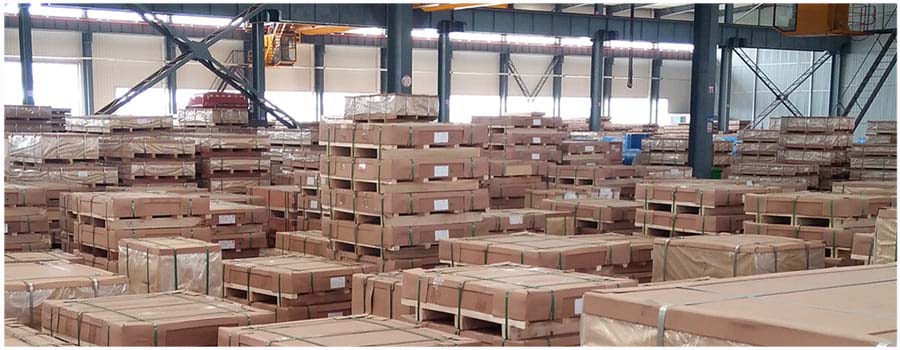
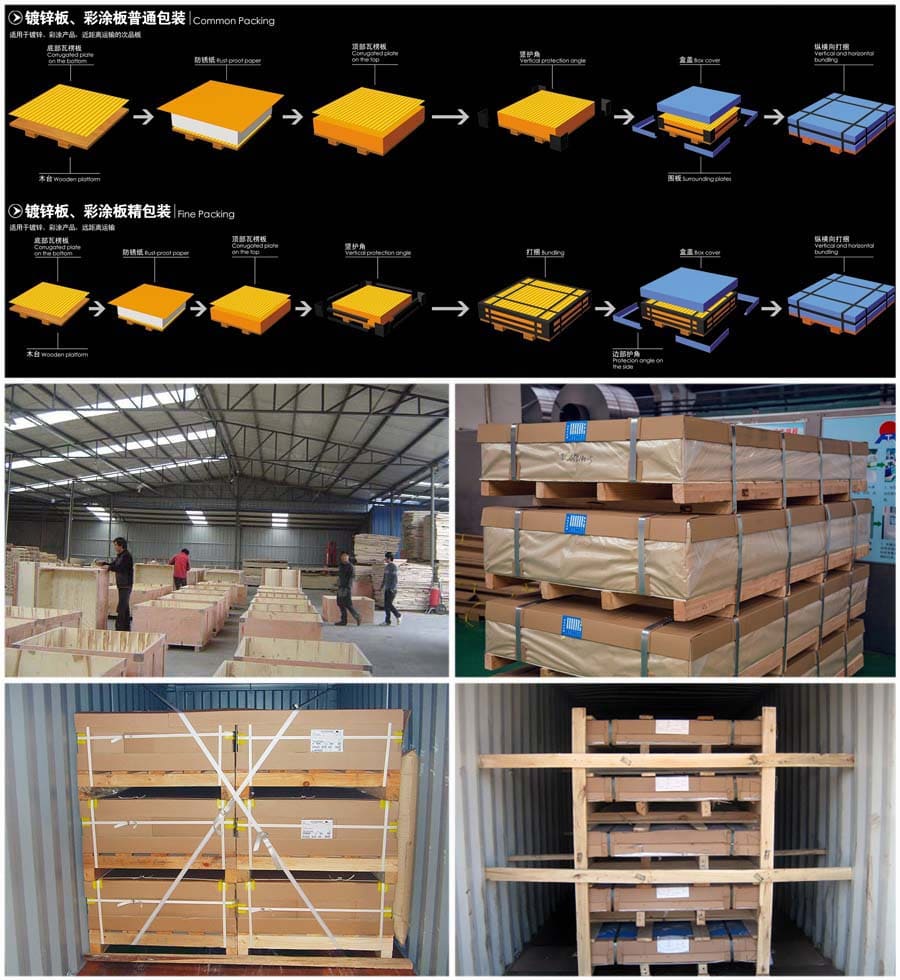
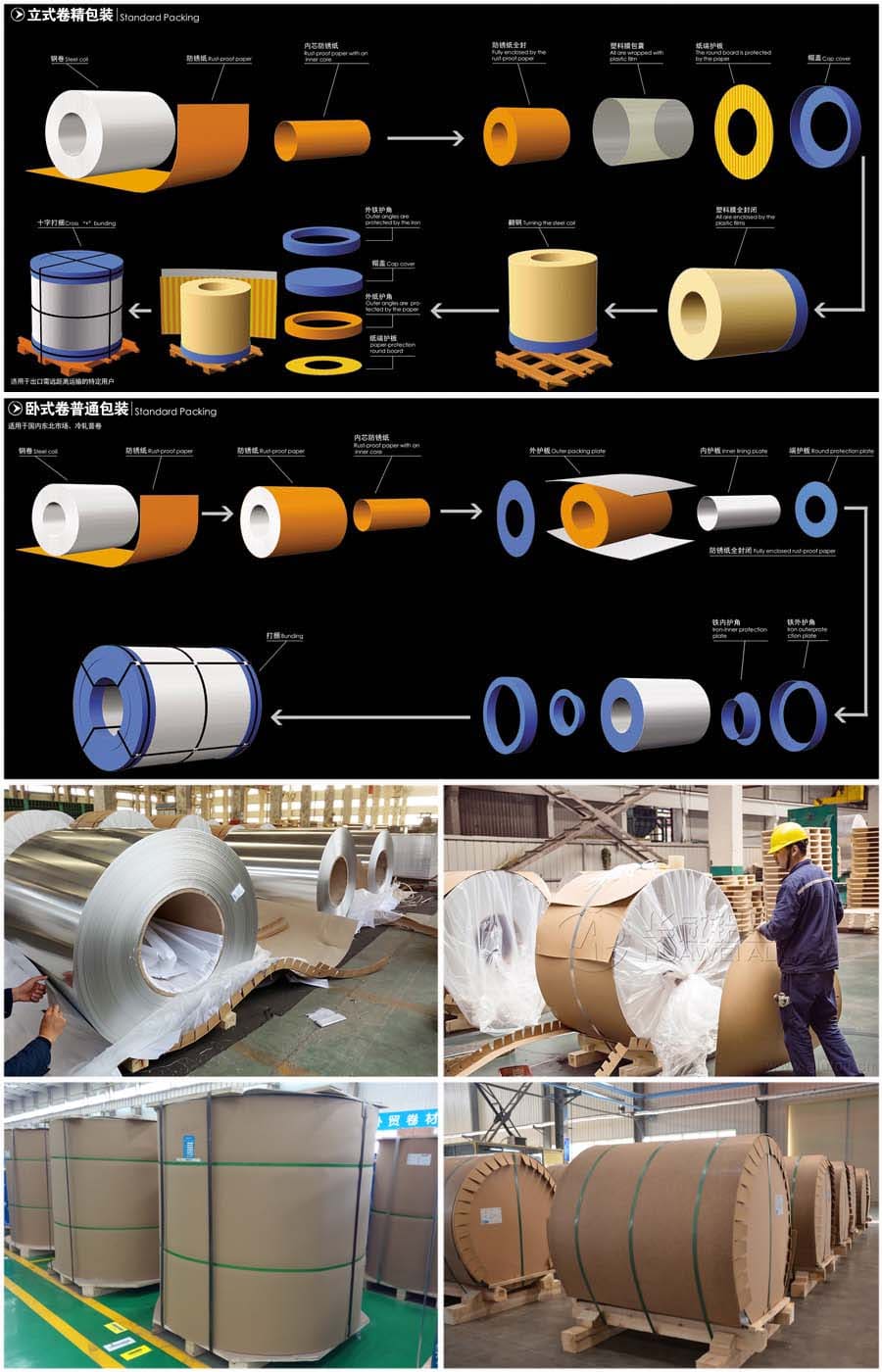
- Logistics-friendly rolls: consistent OD, low splice counts, 3″/6″ cores, moisture-barrier packing.
- Application support: help you tune adhesive coat weights, verify dyne, e screen pinhole density; we can co-run OTR/WVTR e bond tests with your labs to accelerate approvals.
- Cost & sustainability: down-gauge consulting (e.g., 12 → 9 mea e ti'a ia ravehia) e scrap-recycling programs for edge trims and setup waste.
Looking to qualify a new 9 µm lamination foil or migrate SKUs from 12 mea e ti'a ia ravehia? Henan Huawei Aluminum Co., Ltd provides samples, pilot coils, and data packs so your packaging team can validate barrier, bond, and machinability with less risk and fewer press stops.
14) Conclusion
Ua haapii mai te 9-Te mau nota 1235 composite aluminum foil provides an economical and technically sound option for many lidding, sachet, and flexible pouch applications.
It offers good barrier per unit weight, excellent formability, e fast production compatibility—all while enabling attractive composite constructions.
To fully leverage its benefits, firms should validate laminate designs on production lines, require rigorous QC (Te mau mana'o tauturu no te, Te mau nota, WVTR, seal window), and collaborate with suppliers such as Henan Huawei Aluminum Co., Ltd. for tailored pilot trials, CoA traceability, and optimized laminate recipes.




A vaiiho i te hoê pahonoraa