1050 h14 aluminum sheet plate
In the world of alloys, the 1xxx series—led by 1050—stands out for purity, kondaktibiti, and exceptional formability. When combined with the H14 temper, 1050 aluminum sheet plate delivers a balanced blend of moderate strength, outstanding ductility, and excellent corrosion resistance.
This makes 1050 H14 a go-to choice for applications where aluminum’s natural advantages matter: high reflectivity, easy fabrication, and reliable performance in demanding environments.
This comprehensive guide covers everything you need to know about 1050 h14 aluminum sheet plate—from fundamental composition and temper definitions to fabrication, finishing, and practical application guidance.
It also includes comparisons with similar products, procurement considerations, and a supplier profile for Huawei Aluminum, a reputable source for 1050-H14 sheet plate.
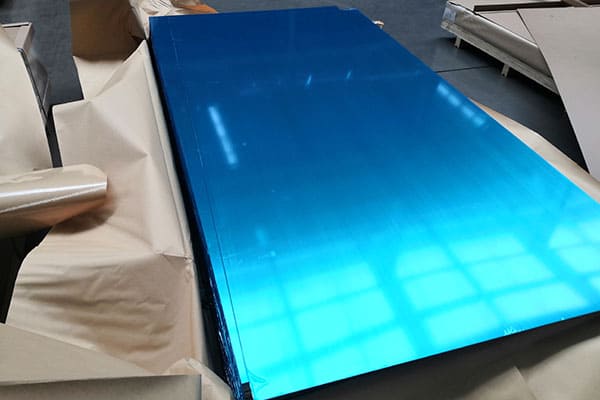
1050 h14 aluminum sheet plate
Ano ang 1050 aluminum sheet plate?
1050 aluminyo sheet is part of the 1xxx family, the highest-purity aluminum alloys available commercially.
Typical 1xxx alloys contain aluminum with minimal alloying elements, offering exceptional corrosion resistance, high electrical and thermal conductivity, and excellent workability.
The designation 1050 indicates a minimum aluminum content of 99.5%. When this alloy is processed to H14 temper, the material has undergone a specific degree of strain hardening (cold work) and partial annealing to achieve a particular strength-ductility balance.
- 1050: Very high purity aluminum with outstanding formability and corrosion resistance.
- H14 temper: A pressure of cold work followed by partial annealing to yield intermediate strength with retained ductility.
- The resulting material: A sheet or plate that can be readily formed, welded, and fabricated, while maintaining good surface finish and reflectivity.
Why 1050 h14 is a practical choice
- Superior formability: Because the baseline alloy is so pure, it can be shaped into complex forms with relative ease, making it ideal for deep-drawing, pag stamp ng, and intricate panels.
- Napakahusay na paglaban sa kaagnasan: The low impurity content reduces galvanic activity, enabling robust performance in most environments.
- High reflectivity and cosmetic appeal: The surface can be bright-polished or finished to achieve a highly reflective appearance, which is valuable for lighting and signage.
- Good combination of strength and ductility: H14 temper adds strength beyond fully annealed states while preserving ductility needed for forming and finishing.
- Weldability and joinability: This alloy can be welded using common methods (TIG, MIG) with appropriate filler materials, making it suitable for assemblies.
Key properties at a glance
- Purity: ≥99.5% aluminum (typical for 1050)
- Temper: H14 (partial cold work with partial anneal)
- Form: Sheet and plate in a range of thicknesses
- Densidad ng katawan: ~2.70 g/cm3
- Electrical conductivity: ~60% IACS
- Thermal conductivity: ~205 W/m·K
- Melting range: ~660–680°C
- Corrosion resistance: Excellent in atmospheric and many environmental conditions
- Weldability: Very good with proper technique and filler
- Surface finish options: Tapos na ang gilingan, bright polish, pag anod ng, coating
Note: Specific property values vary with thickness, production lot, and exact tempering protocol. Always request supplier data sheets and minimum/maximum tolerances for your batch.
Variations in the 1xxx family: how 1050-H14 compares
To make informed decisions, it helps to compare 1050-H14 against closely related alloys and tempers. The following quick comparisons illustrate general behavior:
- 1050-H14 vs 1050-O (annealed na nga ba): H14 is stronger and less ductile than O; O is the softest temper with maximum formability but poorer strength.
- 1050-H14 vs 1100-H14: 1100 is very similar but typically has marginally lower resistance to chemical attack and slightly different work-hardening behavior; both offer high ductility, pero 1050 often has slightly higher reflectivity and conductivity due to purity.
- 3003-H14 (Al-Mn): 3003 offers higher strength than 1050-H14 but at some loss of conductivity and formability; it’s less pure and often used where higher strength is needed in the 3xxx series.
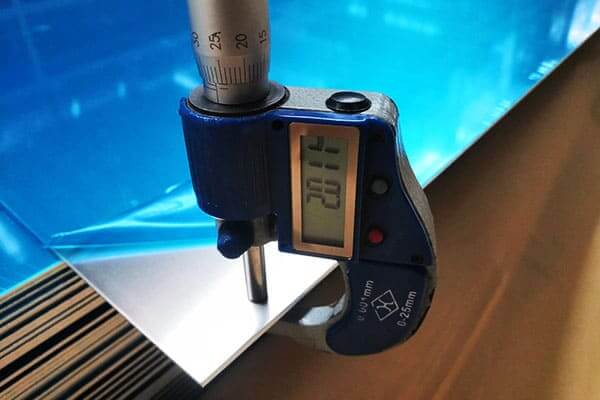
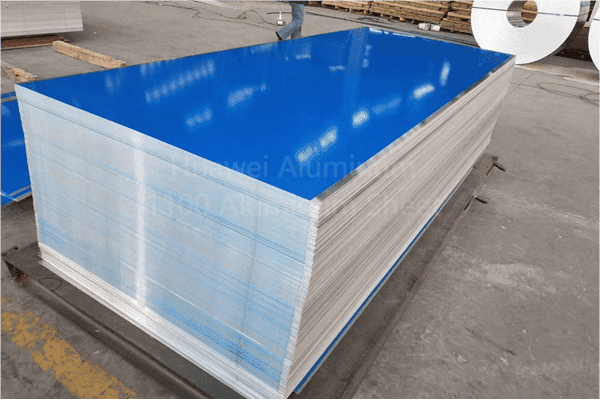
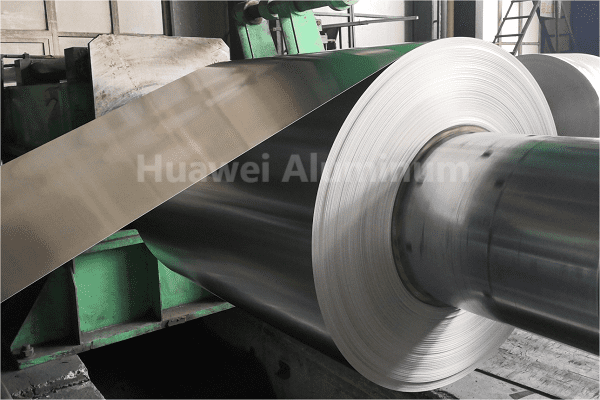
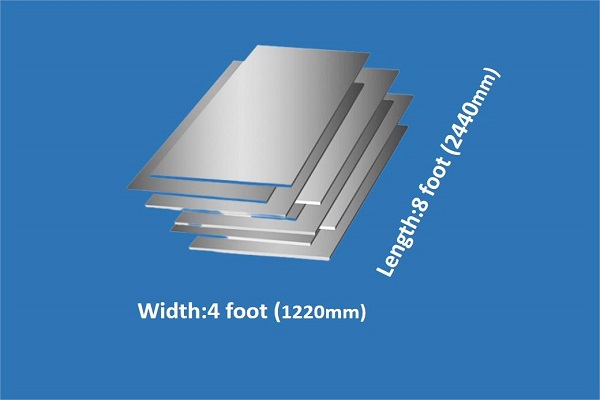
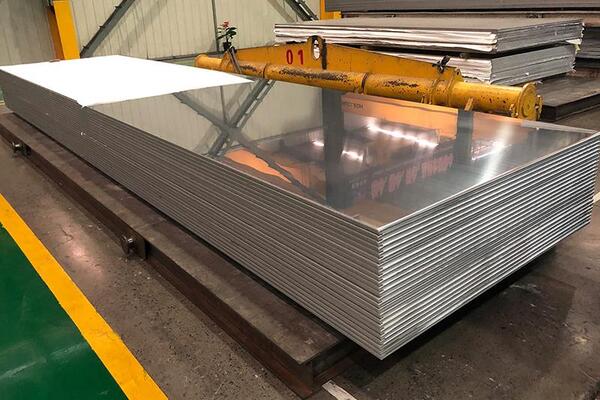
2mm 1050 h14 aluminum sheet plate Measurement
The bottom line:
If you need near-pure aluminum with high formability and excellent corrosion resistance, 1050-H14 is often the best choice.
If you need more strength, look at 3003 or other 3xxx alloys; if you need enhanced conductivity and brightness with very high formability, 1050 remains a strong contender, and the H14 temper helps bridge the gap between fully annealed and fully hard states.
Quick comparison of 1050-H14 and close equivalents
| Pag-aari / haluang metal | 1050-H14 | 1050-O | 1100-H14 | 3003-H14 |
|---|---|---|---|---|
| Aluminum content (min) | ≥99.5% | ≥99.5% | ≥99.0% | ~99.0–99.5% |
| Common applications | Reflective panels, chemical equipment, mga heat exchanger | Deep drawing, pag iimpake, electrical components | Complex formed parts with higher strength needs | Beverage cans, architectural panels, mga heat exchanger |
| Lakas ng paghatak (typical) | Moderate (higher than O) | Low | Higher than 1050-H14 | Higher than 1050-H14 |
| Formability | Napakahusay | Napakahusay (highest) | Very good | Good to very good, depending on temp |
| Corrosion resistance | Napakahusay | Napakahusay | Napakahusay | Napakahusay (but with Mn-containing alloying) |
| Electrical conductivity (IACS %) | ~60 | ~60 | ~60 | ~60 (similar) |
| Weldability | Good with appropriate filler | Mabuti na lang | Mabuti na lang | Mabuti na lang |
| Typical surface finish | Bright, reflective; easy to polish | Bright or dull | Bright, easy to polish | Bright or dull |
Note: This table provides approximate guidance. For precise values, consult supplier data sheets and perform your own testing under your process conditions.
Applications and industries
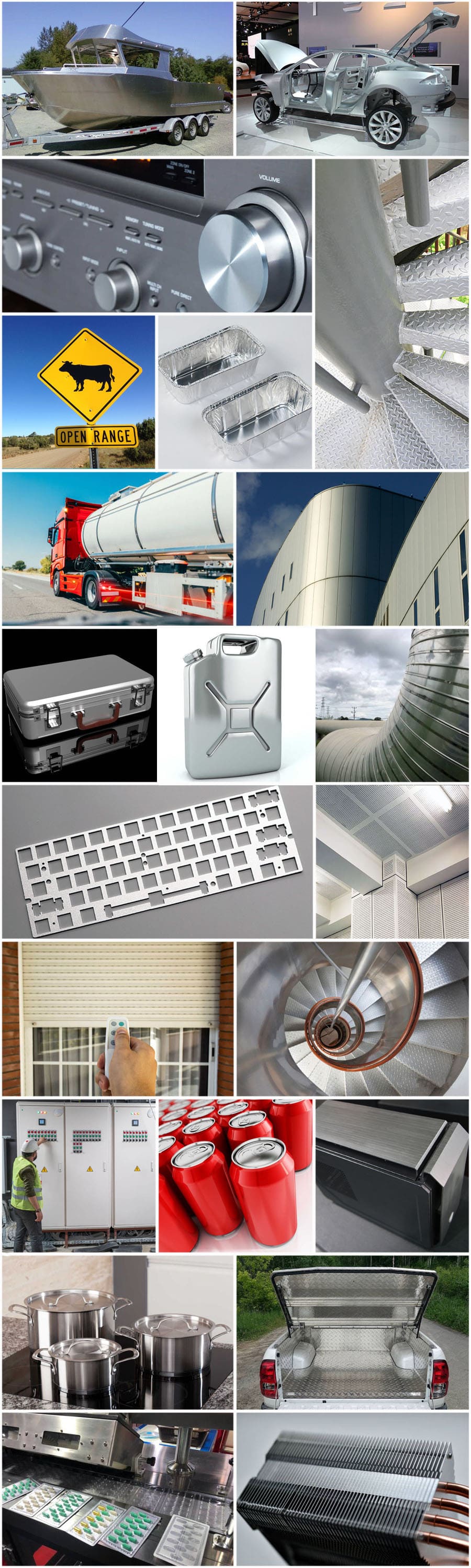
1050-H14 sheet plate serves a wide range of applications thanks to its unique combination of properties:
- Electrical and electronics: Conductive components, bus bars, heat sinks, shielding surfaces where high conductivity and ductility matter.
- Architecture and signage: Reflective surfaces, mga pandekorasyon na panel, architectural cladding, and signage with printed graphics or coatings.
- Chemical processing and equipment: Tanks, liners, and components that encounter corrosive environments at ambient temperatures.
- Food and beverage equipment: Magaan ang timbang, corrosion-resistant pieces that require cleanability and safe contact with foods (subject to regulatory compliance and coatings where needed).
- Reflective and lighting applications: Ducts, mga reflector, and light fixtures benefit from high reflectivity and ease of forming.
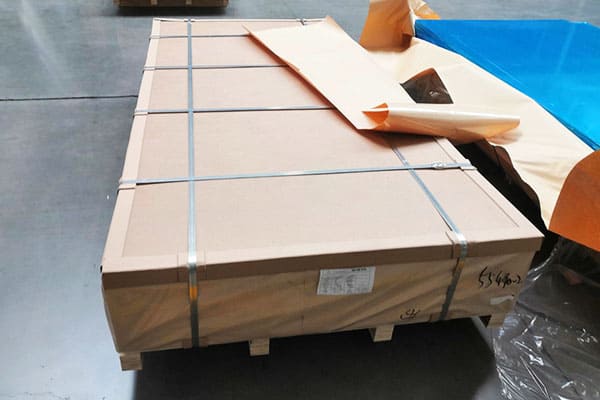
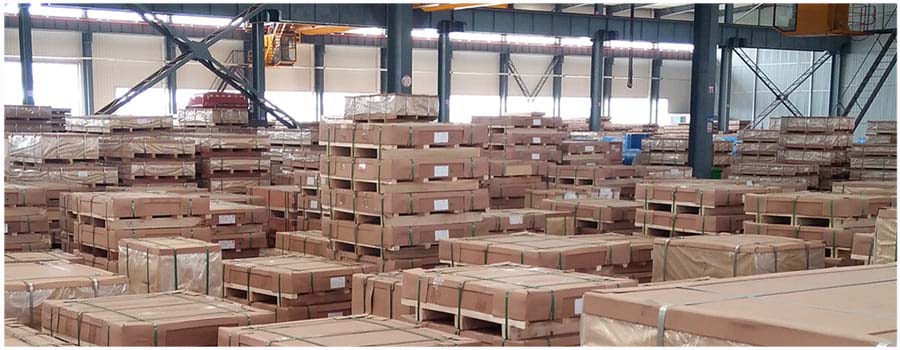
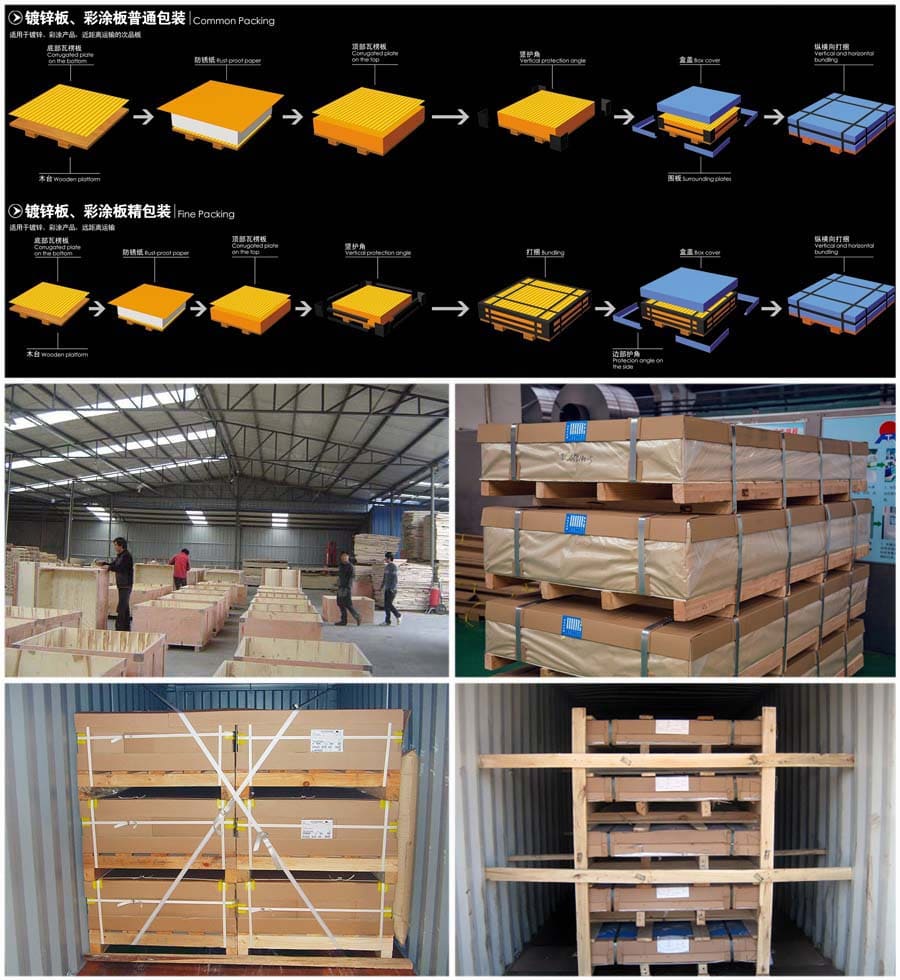
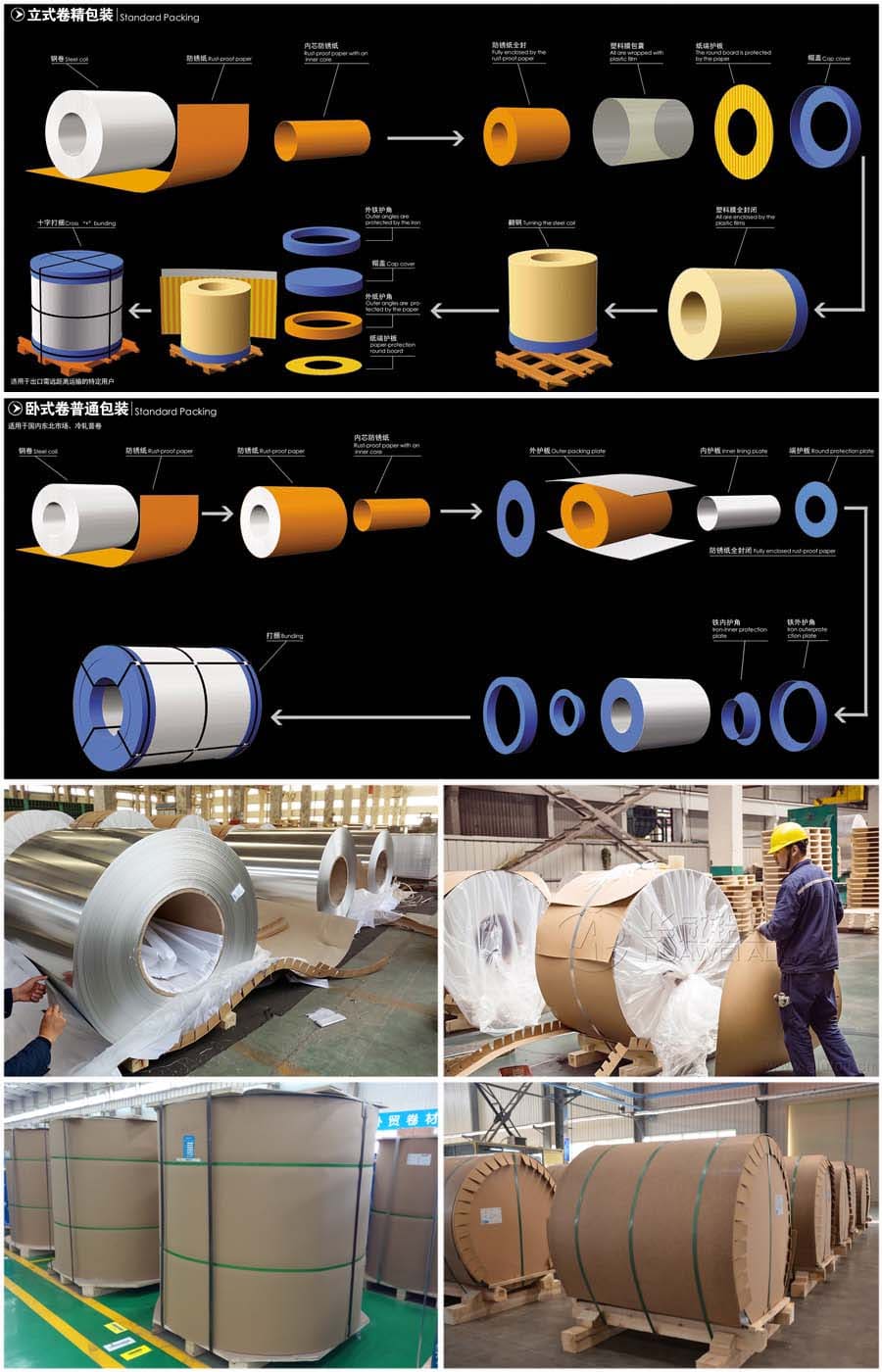
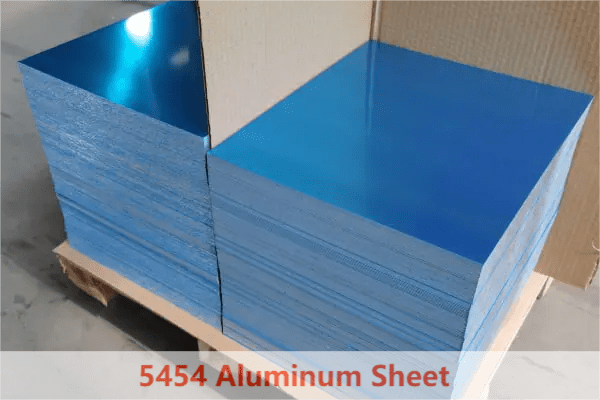
Huwei Packaged 1050 aluminyo sheet
Design and engineering considerations
When integrating 1050-H14 into a design, consider the following:
- Strength vs. formability balance: H14 temper provides an intermediate strength level; for maximum formability, consider O temper or H18/H19 if higher strength is needed, bearing in mind the trade-offs in ductility.
- Thermal and electrical performance: Expect high electrical and thermal conductivity, but always validate with supplier data for your thickness and alloy lot.
- Surface finish requirements: If your application demands bright finishes or consistent coatings, specify the desired surface condition early and confirm with the supplier.
- Weldability strategies: For welded joints, choose compatible filler materials (like 1xxx series fillers for welding 1xxx sheets) and consider post-weld heat treatment if needed for dimensional stability.
- Coatings and anodizing: Anodizing can improve wear and corrosion resistance and offer color options. Ensure the substrate’s surface finish and alloy composition align with the chosen coating.
Paggawa, processing, and tolerances
1050-H14 sheet plate is produced through a sequence of industrial processes designed to preserve surface quality, maintain dimensional accuracy, and ensure consistent temper:
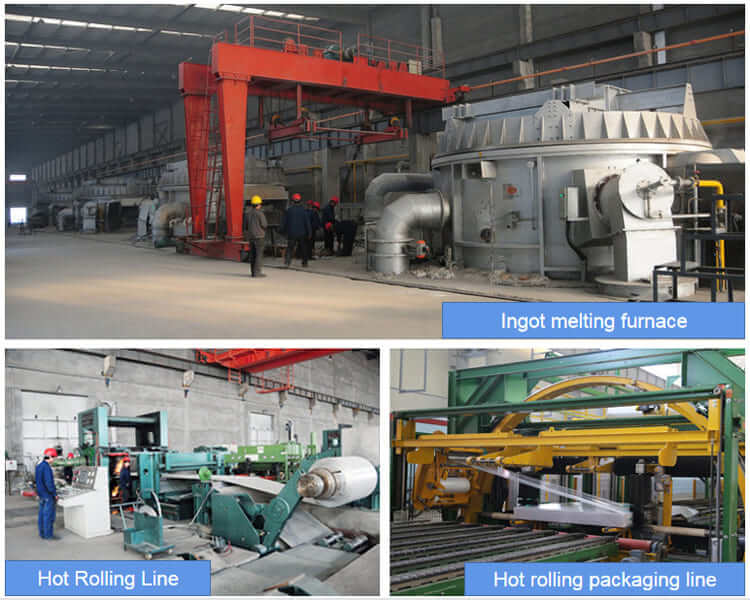
- Melting and casting: Impurities are removed, and the metal is cast into billets or slabs suitable for rolling.
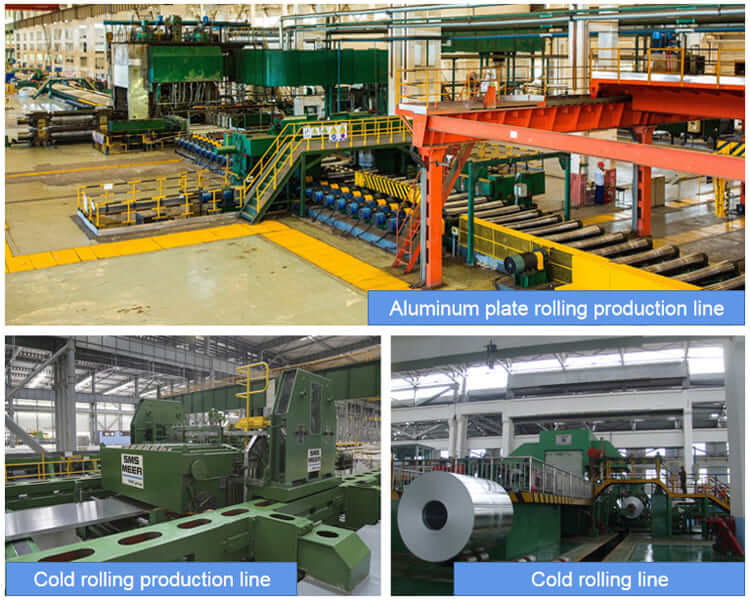
- Hot rolling: The material is hot-rolled to the required thickness, improving ductility and workability.
- Cold rolling and tempering: Cold working induces strain hardening; subsequent annealing and stabilization steps lead to the H14 temper. The exact process determines strength, ductility, and surface characteristics.
- Surface finishing: Milling, grinding, polishing, or bright-dip finishing can be applied to achieve the desired surface condition. Anodizing or coatings may be added as a post-process.
Tolerance considerations:
– Thickness tolerance depends on the material grade, kapal naman, and supplier; typical tolerances for sheet and plate in the 0.2–6.0 mm range are ±0.02–0.15 mm, with tighter tolerances for specified orders.
– Flatness and straightness tolerances are also specified in product data sheets and can vary with thickness and width.
Surface finishes and coatings
- Tapos na ang gilingan: Natural surface with slight sheen, common for many structural and fabricated components.
- Bright finish: Polished surface for maximum reflectivity, often used in signage and decorative applications.
- Anodizing: Anodic oxide layer increases hardness and wear resistance and allows color finishing. Aluminyo 1050 accepts anodizing well, producing consistent hues and durable surfaces.
- Painting and powder coating: Exterior or interior surfaces can be coated for color, UV resistance, and environmental protection.
- Conversion coatings: Alodizing and other conversion coatings can improve corrosion resistance and prepare surfaces for painting or bonding.
Fabrication considerations
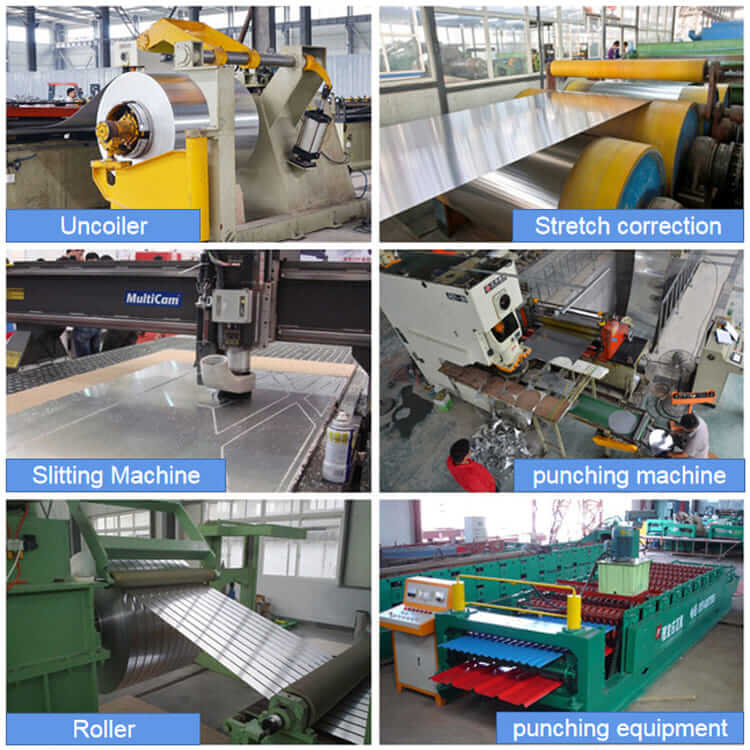
- Cutting: 1050-H14 cuts easily with standard methods such as shearing, laser, waterjet, and sawing. Diamond-coated blades and sharp tooling help maintain edge quality.
- Bending: Excellent formability supports tight radii and complex bend angles; use proper tooling and bend allowances to avoid cracking.
- Joining: Welding is straightforward with many filler materials; ensure proper preparation and heat control to avoid oxide formation and distortion.
- Surface preparation: For coatings and adhesives, ensure blasted or cleaned surfaces to maximize adhesion.
Quality control and testing
- Visual inspection: Surface finish, dents, scratches, and edge quality are checked on each batch.
- Dimensional checks: Ang kapal, lapad ng katawan, haba, and flatness are verified using calibrated gauges and metrology equipment.
- Material certification: Suppliers provide material test reports (MTRs) that confirm purity, temper, and mechanical properties.
- Non-destructive testing: In critical components, eddy current, ultrasonic, or dye-penetrant testing may be used to detect subsurface defects.
- Compliance and standards: Materials should comply with relevant standards (hal., ASTM, EN, or ISO) and customer specifications.
Procurement and supplier considerations
- Lead times: Depending on demand, orders may be fulfilled from stock or produced to order, with typical lead times ranging from a few days to several weeks.
- Minimum order quantities (MOQs): Some suppliers impose MOQs based on thickness and width; longer runs often yield better pricing.
- Certifications: Request ISO 9001 or equivalent quality management certifications, and ensure compliance with environmental and safety standards.
- Dokumentasyon: For traceability, obtain MTRs, mill certificates, and coating or finishing documentation as needed.
- Supplier coordination: Coordinate with the supplier on heat treatment, tempering, coatings, and packaging requirements to ensure smooth delivery.
Tables and data sheets are essential for procurement teams to verify that a batch meets project requirements. Always verify the latest product data from the supplier and supplement with in-house testing when possible.
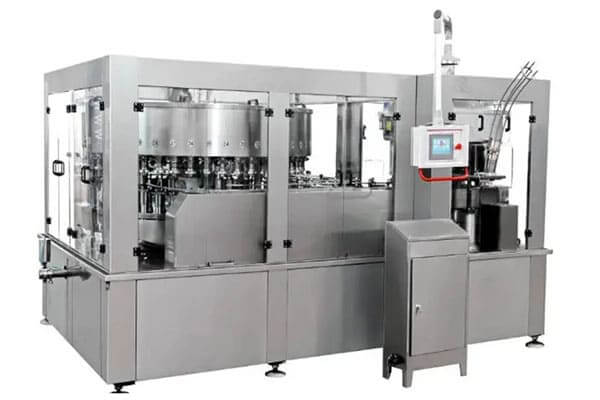
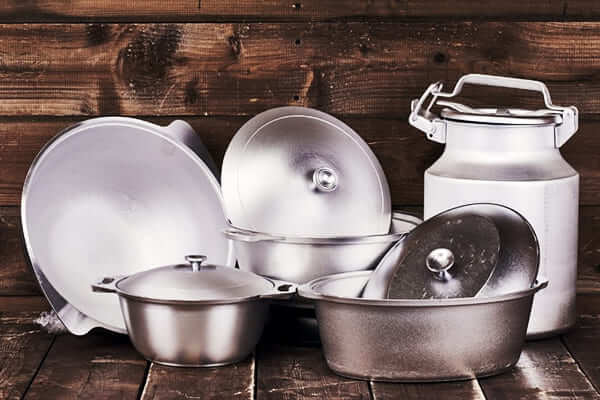
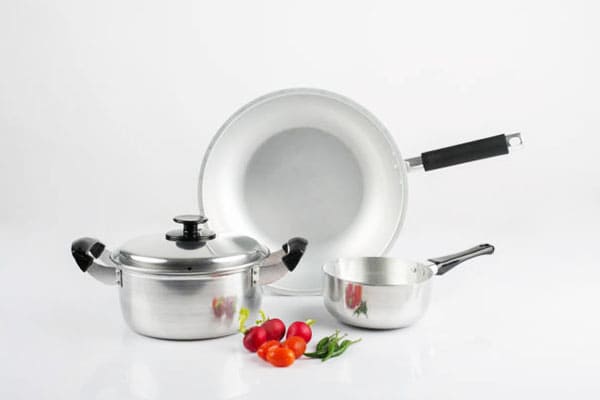
Food machinery used 1050 h14 aluminum sheet plate
Huawei Aluminum: supplier introduction and profile
Huawei Aluminum is a well-regarded manufacturer and supplier of aluminum products, including 1xxx-series alloys such as 1050.
Headquartered in China, Huawei Aluminum serves global markets with a broad product catalog that includes aluminum sheet, plate, coil, and extruded profiles.
The company emphasizes quality control, flexible manufacturing, and customer-centric service.
- Core capabilities: Production of high-purity aluminum sheet and plate with various tempers, including H14, H24, H18, and other common temper classes. The facility focuses on delivering consistent quality, customized sizes, and reliable delivery.
- Quality management: Huawei Aluminum commonly implements standard quality-management practices, often with ISO-based certifications to satisfy international buyers. Documentation such as material certificates, testing data, and process traceability are typically provided.
- Applications served: Machinery components, packaging materials, mga reflector, electrical components, architectural panels, and other 1050-H14 applications.
- Customer support: The supplier path typically includes technical support, material data sheets, and on-time delivery programs, with options for custom-cut-to-size sheets or plates and logistic arrangements.
When considering Huawei Aluminum as a supplier for 1050-H14 sheet plate, buyers can expect:
– Access to standard and custom thicknesses within practical ranges for sheet and plate.
– Competitive pricing due to scale of production and integrated supply chain.
– Assurance of consistency across production lots through data sheets and traceability.
– Flexible order processing and responsive customer service to support design iterations and project timelines.
If you’re evaluating Huawei Aluminum, request a detailed product data sheet for 1050-H14, kasama na ang:
– Chemical composition (with tolerance)
– Mechanical properties (tensile strength, yield strength, elongation)
– Thickness tolerance and flatness specifications
– Surface finish options and coating/Anodizing capabilities
– Packaging, marking, and logistics options
– Certification documents and quality assurances
FAQs
What is 1050-H14 aluminum?
1050 is a high-purity aluminum (≥99.5% aluminum). H14 is a temper indicating a combination of strain hardening and partial annealing, yielding moderate strength with good ductility and formability.
How is 1050-H14 different from 1050-H24 or 1050-H18?
H14, H24, H18 are different degrees and methods of cold work and partial annealing. H14 typically offers a balance of formability and strength; H24 and H18 represent higher levels of work hardening and strength.
Can I weld 1050-H14 sheet plate?
Oo nga. Welding is feasible with appropriate filler metals and welding parameters. Pre-welding surface preparation and post-weld treatment can improve joint quality.
What thickness ranges are available?
Typical sheet thicknesses range from 0.2 mm to several millimeters, with plate options extending to thicker sections depending on supplier capabilities. Tolerances vary by supplier and thickness.
What finishing options are common?
Tapos na ang gilingan, bright polish, pag anod ng, coating, painting, and other surface treatments are common for 1050-H14 sheets.
Where is 1050-H14 commonly used?
Conductive electrical components, reflective panels, architectural and decorative panels, chemical equipment, and light-weight structural parts.
How does the price of 1050-H14 compare to 1100-H14 or 3003-H14?
Price varies with purity, kapal naman, lapad ng katawan, and supplier. Sa pangkalahatan, 1050 tends to be competitively priced among high-purity 1xxx alloys, with 1100 at 3003 offering different trade-offs in strength, paglaban sa kaagnasan, and processing characteristics.
What should I ask a supplier like Huawei Aluminum?
Request a current MTR (material test report), komposisyon ng kemikal, mechanical properties, tolerances, surface finish options, coating capabilities, lead times, minimum order quantities, and packaging details. Confirm certifications and quality-control processes.
Summary and takeaways
1050 H14 aluminum sheet plate represents a compelling option where high purity, excellent formability, and reliable corrosion resistance meet practical manufacturing considerations.
Its balance of moderate strength and superior ductility makes it suitable for both formed components and decorative or functional panels.
With appropriate surface finishes and coatings, 1050-H14 becomes a versatile substrate for a broad range of industrial and architectural applications.
Huawei Aluminum stands as a credible supplier option for 1050-H14 sheet plate. Their capabilities typically cover a wide range of 1xxx-series products with customization options, quality-control documentation, and global logistics solutions.
If you’re evaluating 1050-H14, reach out to Huawei Aluminum and other reputable suppliers to compare data sheets, lead times, and total cost of ownership.
In closing, 1050 h14 aluminum sheet plate is a versatile material that supports a variety of design goals—from robust physical performance to aesthetic appeal. Its high purity, strong forming characteristics, and reliable corrosion resistance make it a strong candidate for engineers and fabricators seeking reliable, high-quality aluminum sheet solutions.
When selecting suppliers, such as Huawei Aluminum, evaluate not only price but also data integrity, certification readiness, logistics flexibility, and post-sale technical support to ensure a successful project outcome.
Share with PDF: Download


Mag iwan ng Tugon