Introduction of Black Anodised 5052 Aluminum Sheet
Black anodised 5052 aluminum sheet sits at the intersection of durability, aesthetics, and practical performance.
It combines the natural advantages of the 5052 aluminum alloy—excellent formability, magandang paglaban sa kaagnasan, and noticeable strength for a non-heat-treatable alloy—with the protective, decorative, and durable qualities of a black anodised coating.
This combination makes black anodised 5052 sheets a popular choice across architectural, automotive, marine, and consumer electronics enclosures, as well as customized signage and interior décor.
In this comprehensive guide, we’ll unpack what makes black anodised 5052 sheets distinctive, how they are manufactured, and where they excel.
We’ll also compare them with similar products, discuss selection criteria, and offer practical guidance for buyers, fabricators, and end users.
To give you a credible and practical perspective, we’ll reference typical industry data, relevant standards, and common supplier capabilities—including insights into Huawei Aluminum, a notable supplier in the aluminum sector that serves customers seeking reliable supply chains and consistent quality.
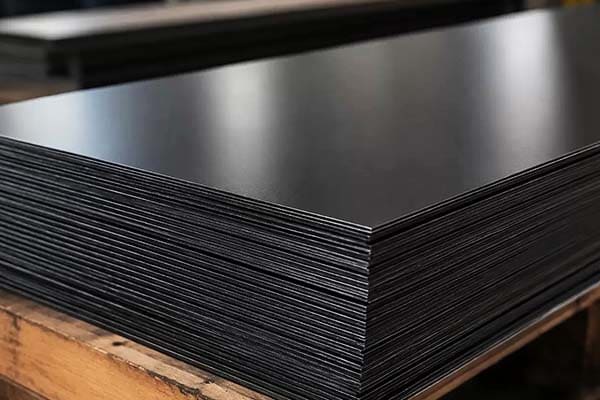
Black Anodised 5052 Aluminum Sheet
What is Black Anodised 5052 Aluminum Sheet?
5052 aluminum is part of the magnesium (Mg) alloy family within the 5000-series family. It’s a non-heat-treatable alloy that combines good corrosion resistance with high formability, making it ideal for complex shapes and deep drawing.
The principal alloying element is magnesium, typically in the range of about 2.2% sa 2.8%, with small amounts of other elements such as manganese and silicon to fine-tune properties. The balance is aluminum.
Key attributes of 5052 aluminyo:
– Napakahusay na paglaban sa kaagnasan, especially in marine and industrial environments.
– Superior formability, allowing for deep drawing and complex bends with good elongation.
– Moderate strength for a non-heat-treatable alloy; strength varies with temper (hal., O for annealed, H32 for strain-hardened).
– Magandang weldability, though care must be taken with certain welding processes to avoid distortion or heat-affected zone issues.
– Non-magnetic, highly ductile, and relatively lightweight.
Common tempers for 5052 sheet include:
– 5052-O: Annealed, maximizes ductility and formability but offers lower strength.
– 5052-H32: Strain-hardened to a stable intermediate strength; widely used for sheet metal fabrication, where a balance of strength and ductility is needed.
– 5052-H34 or H36: Higher strengths with tighter tolerances, but with reduced ductility relative to H32.
Black anodised sheets use the natural aural and tactile appeal of the aluminum surface while adding a protective oxide layer that is dyed black or inherent black in the oxide.
Anodising is an electrochemical process that thickens and stabilizes the surface oxide layer, creating a harder surface that resists wear and corrosion and provides a receptive platform for color dyes in the case of dyed finishes.
What is black anodising and how does it work?
Black anodising is a form of electrolytic passivation where an electrical current is used to form a thicker oxide layer on the surface of aluminum.
The anodised layer is primarily aluminum oxide, which is harder and more wear-resistant than the base metal. The process typically involves:
– Cleaning and pre-treatment to remove oils, oxides, and surface contaminants.
– Anodising in an acidic electrolyte (commonly sulfuric acid or oxalic acid) under controlled voltage and time to build up the oxide layer.
– Coloring (for dyed finishes): The porous anodic layer can be dyed with metal or organic pigments. The dye becomes integrated into the pores of the oxide layer.
– Sealing: The porous layer is sealed to reduce porosity, which increases moisture resistance and color fastness.
Black anodising can be achieved in two general ways:
– Dye-based black: The porous oxide picks up a black dye. Colorfastness is dependent on the dye chemistry and sealing quality.
– Integral or opaque black: Some proprietary anodising processes produce a dark, nearly opaque black without relying heavily on dye. These tend to be more UV-stable and scratch-resistant but can be more expensive and require specialized equipment.
Benefits of black anodising for 5052 mga sheet:
– Aesthetic versatility: Deep, uniform black color that coordinates with a wide range of design schemes.
– Enhanced surface hardness: The oxide layer is significantly harder than the aluminum substrate, improving scratch and wear resistance.
– Improved corrosion protection: The oxide barrier provides corrosion resistance, particularly when the sealing step is correctly performed.
– UV resistance: Properly sealed anodised finishes show good resistance to UV light, reducing color fade in outdoor applications.
– Dye stability: Good quality black dyes can offer excellent colorfastness, though long-term performance depends on exposure conditions (UV, heat, humidity).
Limitations and considerations:
– Color consistency: Achieving uniform color across large sheets requires tight process control and dyeing/sealing protocols.
– Surface blemishes: Deep scratches through the anodised layer may reveal the base metal color; repairing anodised surfaces can be challenging.
– Surface preparation: Any surface contaminants can affect coating adhesion; consistent cleaning and etching are critical.
– Cost: Anodising adds processing cost, especially for thick or specialty coatings, but it can be cost-effective when considering the long service life and aesthetic value.
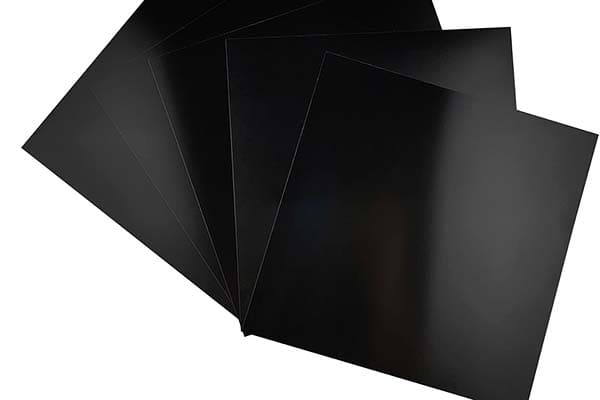
Black Anodised 5052 Aluminum Sheet
Why Choose Black Anodised 5052 Aluminum Sheet?
Choosing black anodised 5052 aluminyo sheet is a decision based on the combination of physical performance and appearance.
Here are the main drivers behind this choice:
1) Aesthetic appeal with durable protection
– The uniform black color is visually appealing and consistent with many architectural and consumer product designs.
– The anodised layer adds surface hardness and scratch resistance, prolonging the appearance of newness.
2) Superior corrosion resistance for challenging environments
– 5052’s corrosion resistance is well-regarded, and anodising adds an extra barrier that helps protect in marine, chemical, or humid environments.
– Sealed anodised finishes minimize porosity, reducing the likelihood of moisture intrusion.
3) Formability and ease of fabrication
– 5052 retains its ductility in common sheet temper ranges, enabling bending, deep drawing, and forming without cracking.
– The combination of 5052 alloy and anodising can help reduce wear in forming tools by creating a protective surface layer.
4) Practical lifecycle considerations
– Anodised aluminum resists finger prints, staining, and some cosmetic contaminants more reliably than bare metal, especially in high-traffic or consumer-facing installations.
– The long-term maintenance is straightforward: mild cleaners, non-abrasive pads, and routine inspections are typically sufficient.
Comparative note: in many projects, designers select black anodised 5052 when they want a corrosion-resistant sheet with a durable finish that also aligns with a modern aesthetic.
Properties at a glance: 5052 mga bes. black anodised 5052
Table: Typical properties (approximate and in practical ranges; actual values vary by temper and processing)
| Pag-aari | 5052 haluang metal (unmodified) | Black Anodised 5052 Sheet | Notes |
|---|---|---|---|
| Alloy family | 5xxx (Mg alloy) | 5xxx (MG alloy) | Anodising adds oxide layer; dye or integral black color |
| Temper example | O, H32 | O, H32 (often H32) | Temper chosen for formability and strength; anodising does not alter temper |
| Corrosion resistance | Excellent in neutral and marine environments | Enhanced barrier protection due to oxide layer | Sealing improves moisture resistance |
| Surface hardness | Moderate | Significantly higher after anodising | Oxide layer increases hardness and wear resistance |
| Color/appearance | Natural metallic or brushed look | Uniform black color; colorfast with sealing | Aesthetics tailored for design intents |
| Thickness range (sheet) | Typically 0.5 mm sa 6.0 mm common | Same thickness options; coating does not significantly change available thickness | Finishes adapt to standard sheet specs |
| Weldability | Good with proper technique | Similar weldability; anodising usually not affected by welding processes | Welding before anodising is common; post-weld finishing may require re-anodising |
| Common applications | General sheet metal, formed parts | Specialty parts requiring durable finish | Widely used with aesthetic demands and corrosion resistance needs |
Notes:
– Actual properties vary depending on temper, processing, coating thickness, and sealing quality.
– Anodising adds a layer thickness that is typically in micrometers; the visible color does not reflect a change in the bulk mechanical properties of the metal.
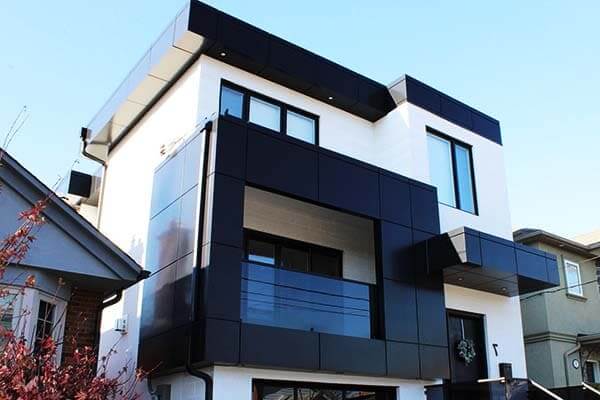
Black Anodised 5052 Aluminum Sheet for Construction
Fabrication and processing considerations
Working with black anodised 5052 sheets requires awareness of how forming, joining, and finishing interact with the anodised layer.
- Forming
- Bending radii: Forming radii should be generous enough to avoid cracking the anodised layer; consult guidelines that match temper and thickness.
- Tool hardness: Use sharp, clean tooling; softer coatings can gouge or scratch the anodised surface.
- Dent management: Anodised surfaces can show dents or orange peel if pressed too aggressively. Plan for controlled forming sequences.
- Welding
- Pre-weld vs post-weld anodising: Many applications weld base metal before anodising; welding after anodising requires careful process selection to avoid compromising the oxide layer.
- Heat effects: Welding introduces heat-affected zones that can affect the surrounding alloy properties; ensure proper heat management and post-weld inspection.
- Joining and assembly
- Fasteners: Use corrosion-resistant fasteners; consider dielectric unions to minimize galvanic corrosion when different metals are in contact.
- Adhesives: If using adhesives, test compatibility with anodised surfaces and ensure proper surface cleaning to maximize adhesion.
- Finishing and coatings
- Additional coatings: Sa ilang mga kaso, designers add clear coats or protective topcoats to improve UV resistance; evaluate compatibility with the anodised surface and required color stability.
- Repair strategies: If anodised surfaces are damaged, options include localized re-anodising or cosmetic repair; full panel re-anodising is often the most durable option.
Quality control, testing, and standards
Quality control is essential for consistent, reliable performance. Typical standards and testing practices include:
- Dye penetration and color uniformity checks: Visual inspection under standardized lighting to confirm color uniformity across the sheet.
- Oxide thickness measurement: Non-contact gauges or cross-sectional analysis to verify oxide thickness within target ranges.
- Sealing integrity: Water immersion tests and contact angle measurements to evaluate sealing quality.
- Adhesion tests: ASTM D3359-style cross-cut tests to ensure coating adhesion to the substrate.
- Surface finish quality: Visual and tactile inspection to detect scratches, pits, or other surface defects.
- Mechanical properties by temper: Tensile and yield strength and elongation data depending on the chosen temper (hal., O, H32). These properties guide design and fabrication decisions.
- Compliance and traceability: Documentation on alloy composition, temper, batch, dye lot, and sealer used; traceability supports audits and warranty claims.
A strong supplier like Huawei Aluminum will typically provide a certificate of conformity (CoC) with order details, including alloy, tempers offered, kapal naman, surface finish, anodising process, dye system, sealing method, and QA results.
This documentation is crucial for design validation and for ensuring the finished product meets project specifications.
Comparisons: black anodised 5052 vs similar products
To help you pick the best option for a given application, here are practical comparisons across common alternatives:
- 5052-H32 vs 5083-H116
- Lakas ng loob: 5083 generally offers higher strength in similar tempers; 5052 is easier to form.
- Corrosion: 5083 has excellent corrosion resistance but is harder to form; 5052 remains a good all-around choice.
- Cost: 5052 is typically less expensive than 5083 due to fewer alloying elements and processing demands.
- Mga Aplikasyon: 5052 is widely used for forming-heavy parts; 5083 is favored for more demanding structural marine parts.
- 5052 natural (uncoated) vs black anodised 5052
- Corrosion protection: Anodising adds a protective layer that improves corrosion resistance, especially in challenging environments, and improves wear resistance.
- Aesthetics: Anodised finishes deliver consistent color and can be matched to design schemes.
- Maintenance: Anodised surfaces require less frequent maintenance for appearance than bare metal; however, scratches may reveal bare metal.
- 3003 mga bes 5052
- Formability: Both are highly formable, pero 5052 handles more demanding forming operations due to higher strength.
- Lakas ng loob: 5052 is stronger than 3003; however, 3003 is easier to weld and is cheaper.
- Mga Aplikasyon: 3003 is common for cookware and certain light-duty applications; 5052 covers a wider range of structural and forming needs, including more demanding environments.
- 6061 mga bes 5052
- Strength and heat treatability: 6061 is an age-hhardenable alloy with higher strength after heat treatment but less formable in many sheet forms.
- Corrosion resistance: 5052 generally offers better corrosion resistance in some environments (hal., marine), while 6061 can be more prone to corrosion if not properly treated.
- Mga Aplikasyon: 6061 is often selected for high-strength structural components; 5052 is favored for forming-heavy applications with corrosion resistance and easier processing.
- Black anodised vs black powder-coated aluminum
- Hitsura: Anodised finishes tend to be more color-stable under UV and heat exposure; powder coatings may offer a thicker coat and more color options.
- Wear resistance: Anodised layers are thin but very hard; powder coating adds thickness and can provide additional impact resistance but may require surface prep optimization for adhesion.
- Maintenance: Both finishes can be cleaned with non-abrasive cleaners; anodised surfaces are less likely to chip in some low-stress applications, while coatings can chip under heavy impact.
Supplier profile: Huawei Aluminum
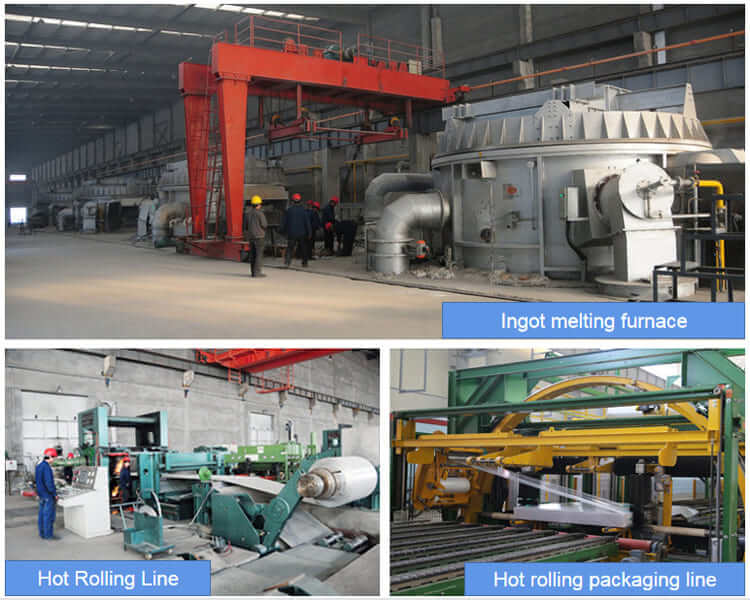
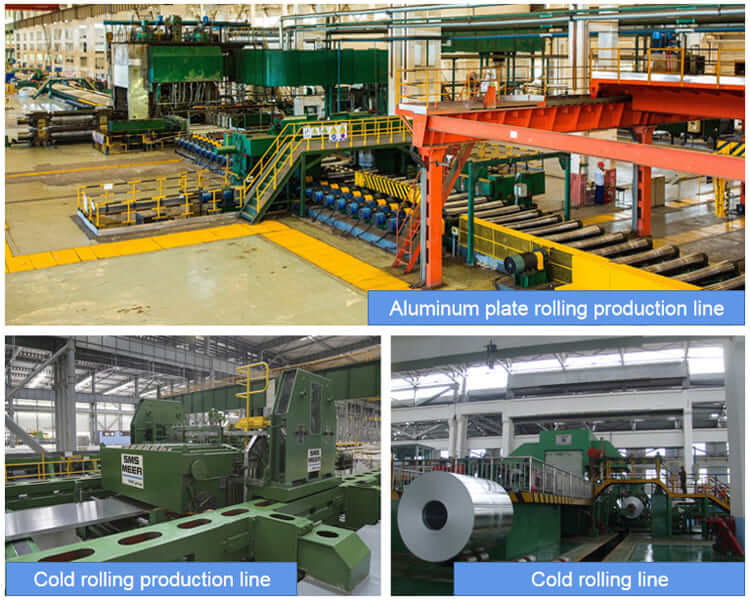
Huawei Aluminum operates as a major supplier within the aluminum industry, offering a broad portfolio of products including aluminum sheets, plates, and extruded profiles across a range of alloys.
They emphasize quality assurance and supply chain integrity through:
– ISO-compliant quality management systems and traceability for material lots.
– Anodising line capabilities, with dyeing options and a variety of sealants to tailor performance for specific environments.
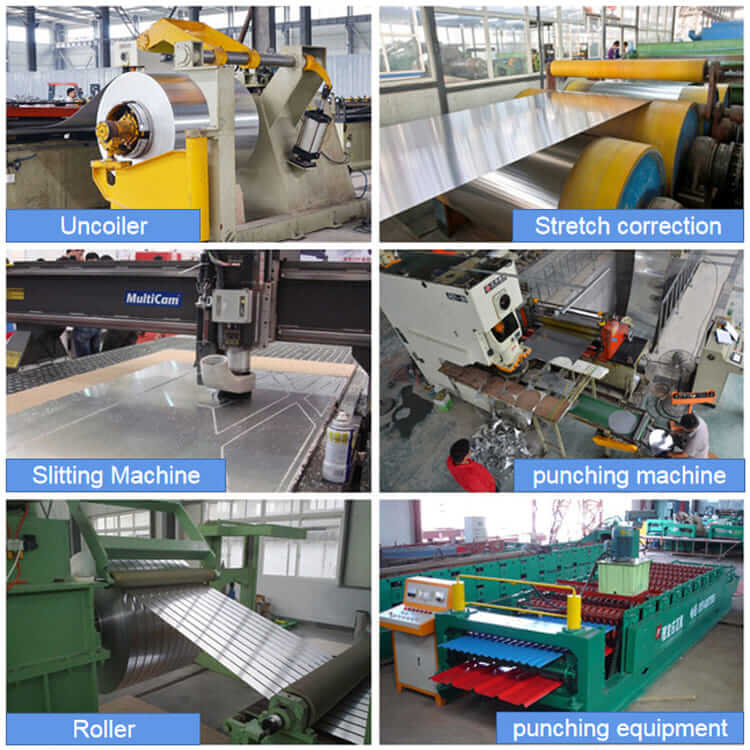
– Custom sheet processing options, including cut-to-size and precision tolerances for architectural and industrial projects.
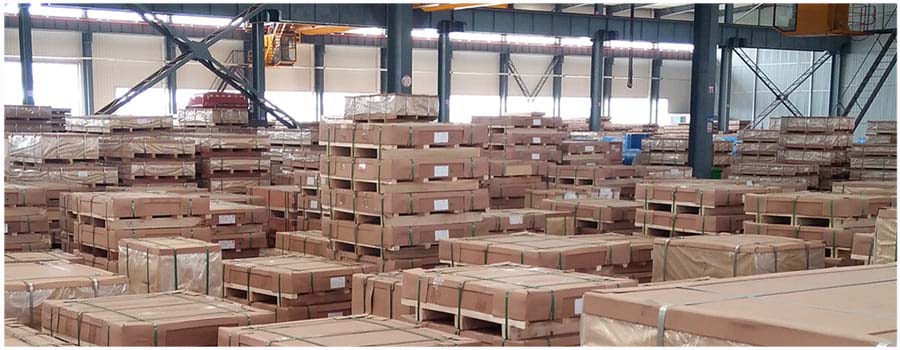
– Global logistics and customer service teams to support international projects, with a track record of meeting tight lead times and complex specification requirements.
For buyers, Huawei Aluminum serves as a reliable reference who can provide:
– Consistent alloy and temper specification.
– Verified anodising process documentation, including dye lots and sealing procedures.
– Transparent pricing and clear communication across the ordering lifecycle.
– Strong post-sales support for replacements, warranty coverage, and technical consultation.
FAQs About Black Anodised 5052 Aluminum Sheet
What is the difference between black anodised and black painted aluminum?
Black anodising creates a hard, protective oxide layer that is integral to the aluminum and offers superior abrasion resistance and color fastness.
Painted finishes add a pigment layer on top; they can be thicker but may be more prone to chipping or fading if not properly applied and maintained.
How thick is the anodic layer on black anodised 5052 sheet?
Typical oxide thickness for general-purpose anodising ranges from 5 sa 25 micrometers, with thicker layers used for hard anodising.
For dyed black finishes, the dye is embedded within the porous oxide layer; the overall thickness includes the oxide and the sealing layer.
Specific product specs from the supplier will confirm exact thickness ranges.
Is black anodised 5052 sheet suitable for marine environments?
Oo nga, 5052 has strong corrosion resistance in marine and coastal environments, and anodising further enhances protection by providing a dense, sealed oxide layer.
Gayunpaman, ongoing maintenance and sealing quality matter; expect some additional protection to be necessary in high-chloride seawater exposures or splash zones.
How should I clean a black anodised 5052 sheet?
Use a mild detergent in warm water and a soft cloth or sponge. Avoid abrasive pads, strong solvents, and acidic cleaners that can damage the oxide layer.
For more persistent stains, consult the supplier’s care guidelines.
Can I weld black anodised 5052 sheet after anodising?
Welding is typically performed on the bare metal prior to anodising.
Welding after anodising can damage the oxide layer, and subsequent re-anodising is often required if the weld area needs to be restored to the protective finish.
Do suppliers offer custom sizes for black anodised 5052 mga sheet?
Oo nga. Many suppliers, including Huawei Aluminum, offer custom sheet sizes, thicknesses, and temper options, in addition to a range of anodising finishes.
Always confirm minimum order quantities, lead times, and acceptable tolerances for your project.
What is the typical lead time for black anodised 5052 mga sheet?
Lead times vary by region, supplier capacity, and current order volumes.
Basic stock sheets may ship in days, while customized sizes or special dye/sealing options can extend to several weeks.
Discuss your schedule with the supplier to align expectations and avoid production bottlenecks.
Conclusion
Black anodised 5052 aluminum sheet represents a robust, aesthetically versatile material with a proven track record in challenging environments.
The combination of 5052’s formability and corrosion resistance with the durable, protective, and attractive properties of a black anodised finish makes it appealing for architectural, marine, automotive, mga electronics, and consumer applications.
The choice between black anodised 5052 and alternatives comes down to your specific requirements for strength, forming, environment, and design intent.
When you source this product, prioritize alloy verification, temper specification, and anodising process details.
Seek a supplier who provides transparent QA documentation, consistent color control, and reliable lead times.
Huawei Aluminum, as a representative supplier, exemplifies the type of partner that can deliver on these expectations—combining technical capability with practical, service-focused support.
This guide has aimed to give you a practical, decision-ready understanding of black anodised 5052 mga sheet.
By balancing technical insight with real-world procurement considerations, you can move from concept to production with confidence, ensuring your project benefits from a durable, visually compelling, and reliable aluminum solution.
If you want to dive deeper into a specific industry application or require tailored specifications for a project, reach out to a trusted supplier such as Huawei Aluminum to initiate a detailed discussion and a formal quotation.
Share with PDF: Download



Mag iwan ng Tugon