Microwave Mayhem: The Surprising Truth About Aluminum Foil
Panimula
In kitchens worldwide, aluminum foil has long been regarded as a versatile, convenient, and essential tool. From wrapping leftovers to lining baking sheets, aluminum foil serves countless culinary purposes. Gayunpaman, when it comes to microwaving food, many household cooks harbor doubts and fears about whether aluminum foil is safe or potentially hazardous in microwave ovens.
This concern has persisted over decades, often fueled by media reports, safety warnings, and misinterpretations. The crux of the debate hinges on understanding how aluminum foil interacts with microwave radiation—leading some to believe it causes dangerous sparks, fires, or even explosions.
In this comprehensive examination, we delve into the surprising truth about aluminum foil in microwave use. We explore the scientific principles behind microwave interactions, assess safety guidelines, and provide practical advice backed by credible data. Our goal is to equip you with accurate, actionable insights—so you can cook confidently and safely without risking your appliance or your household.

The Role and Origins of Aluminum Foil in the Kitchen
Historical Background and Manufacturing
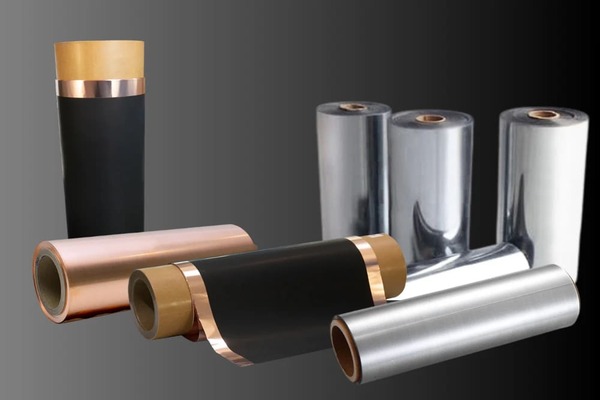
Aluminum foil’s journey began in the 19th century, evolving from early tin foil to modern aluminum variants. Today, it is produced through a refined process:
- Rolling: Aluminum is heated and rolled into thin sheets.
- Cutting and Packaging: These sheets are cut into standard sizes, rolled into sheets or pockets, and packaged for consumer use.
Physical Properties
Aluminum foil is lightweight, malleable, and possesses excellent heat conductivity. It is typically 0.016 sa 0.024 millimeters thick, making it flexible enough for wrapping and lining while durable enough for various applications.
Common Uses in Food Preparation
- Wrapping and storing leftovers
- Lining baking trays
- Covering bowls to prevent splatters
- Grilling and barbecuing
Understanding Microwave Technology
How Microwave Ovens Work
Microwave ovens generate electromagnetic radiation at a frequency of approximately 2.45 gigahertz (GHz). This radiation interacts primarily with water molecules in food, causing them to vibrate and generate heat—thus cooking the food efficiently.
Electromagnetic Spectrum Overview
| Radiation Type | Frequency Range | Typical Uses | Interaction with Metals |
|---|---|---|---|
| Radio Waves | < 300 GHz | TV, Radio | Generally reflect; can cause interference |
| Microwaves | 300 MHz – 300 GHz | Cooking | Absorbed by water, fats, sugars |
| Infrared | 300 GHz – 430 THz | Pag init ng katawan, Remote controls | Not reflective; heats objects directly |
Interaction of Metals with Microwaves
Metals conduct electricity and reflect microwaves. When metal objects are placed in an active microwave field, currents induce on their surfaces. This can result in:
- Sparks or arcing
- Fires
- Damage to the microwave oven
Key Factors Influencing Metal Behavior in Microwaves
| Factor | Effect |
|---|---|
| Shape and size | Sharp edges or points concentrate electric fields (arcing risk) |
| Ang kapal | Thinner foils are more prone to arcing |
| Distance from magnetron | Close proximity increases the risk of sparking |
| Presence of airflow or moisture | Can reduce or eliminate certain hazards |
The Science Behind Aluminum Foil and Microwaves
Does Aluminum Foil Spark or Catch Fire?
In practice, whether aluminum foil sparks depends on several conditions:
- Sukat at hugis: Large, flat sheets may reflect microwaves and cause arcing along edges.
- Placement: Wrapping food leaving sharp edges or exposing large areas increases risk.
- Microwave power: Higher wattage ovens can produce more intense electromagnetic interactions.
- Surface features: Crinkled or folded foil can concentrate electric fields, promoting sparks.
Scientific studies demonstrate that small, properly used aluminum foil—say, a thin strip or a carefully shaped piece—can be used in the microwave without incident. Conversely, large flat sheets are more likely to cause sparks.

The Electromagnetic Principle of Reflection and Absorption
Aluminum foil’s conductive surface reflects microwaves efficiently, preventing heat penetration into the enclosed space. This can be advantageous for:
- Preventing overcooking
- Protecting certain parts of food from direct microwave exposure
Gayunpaman, if the foil forms sharp edges or folds, localized electric fields increase markedly, leading to potential sparking.
Critical Thresholds for Safe Use
Research indicates that:
- Small pieces (less than 2 inches in any dimension) are generally safe if used correctly.
- Folded or crumpled foil presents a risk of sparking.
- Larger, flat sheets should be avoided altogether.
The Role of Foil Thickness
Thinner aluminum foil offers less resistance and is more flexible, which facilitates safe use when shaped properly. Thicker foil might resist deformation but can also reflect more energy, increasing the potential for arcing if not handled correctly.
Practical Guidelines for Using Aluminum Foil in the Microwave
Do’s and Don’ts
| Do | Don’t |
|---|---|
| Use small, smooth pieces of foil | Cover large food areas with wide sheets |
| Shape foil to conform to the food carefully | Crumple or fold foil into sharp creases |
| Keep foil at a safe distance from the oven walls | Place foil near the walls or door seals |
| Use microwave-safe containers with foil accents | Use aluminum foil as a complete cover or lining |
Step-by-Step Safe Usage
- Preparation: Cut a small strip of aluminum foil, no larger than the size of a credit card.
- Shaping: Smoothly mold the foil around the food or item, avoiding sharp folds.
- Placement: Keep the foil away from the oven’s walls and door seal.
- Monitoring: Never leave the microwave unattended during operation.
- Testing: Start on a low power setting and observe for sparks or unusual noises.
When to Avoid Aluminum Foil Altogether
- If your microwave doesn’t have a turntable or has a small cavity
- When heating unevenly shaped items
- For prolonged heating or defrosting large quantities of food
Aluminum Foil Alternatives in Microwave Cooking
While aluminum foil must be used cautiously, several safe alternatives exist:
| Alternative | Use Cases | Advantages |
|---|---|---|
| Microwave-safe plastic wraps | Covering dishes to prevent splatters | Flexible, transparent, safe |
| Microwave lid or plate covers | Reusable, prevents mess | Durable, eco-friendly |
| Glass or ceramic covers | Covering bowls or plates | Safe, hindi lumalaban sa init, no sparks |
Tip: Always check manufacturer instructions to verify microwave safety.
Comparing Aluminum Foil with Other Cookware and Coverings
| Materyal | Microwave Compatibility | Pros | Cons |
|---|---|---|---|
| Aluminyo foil | Conditional | Reflects heat, can protect parts | Sparks risk if misused |
| Plastic wrap | Safe if microwave-safe | Seals moisture, prevents splatters | May melt or deform if inappropriate |
| Glass/ceramic lids | Suitable | Durable, no sparks | May not vent steam adequately |
| Silicone covers | Fully microwave-safe | Reusable, flexible | Can be more expensive |
The Role of Manufacturers and Suppliers
Huawei Aluminum: A Leading Supplier of Aluminum Products
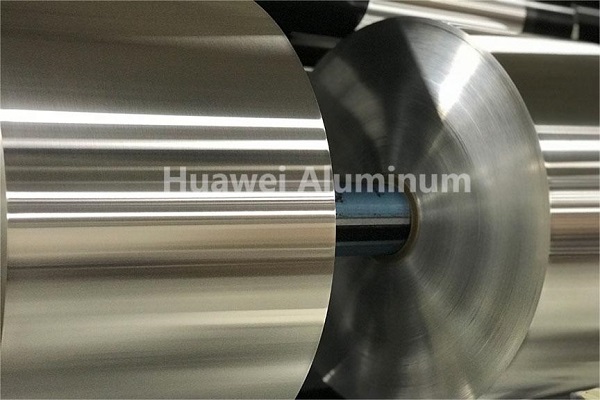
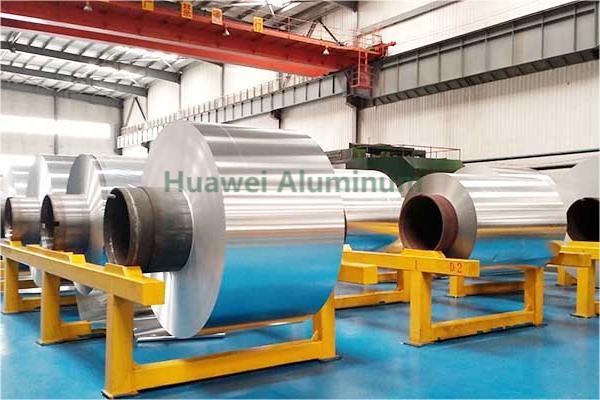
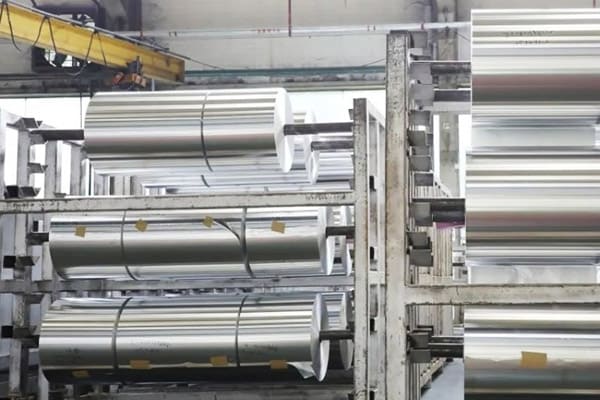
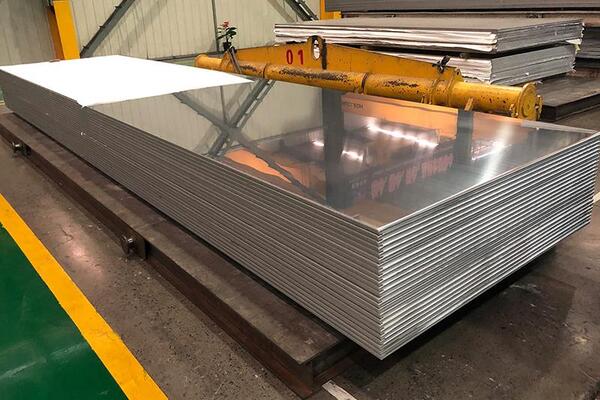
Huawei Aluminum is a globally recognized enterprise specializing in the supply of high-quality aluminum foils and sheets. With decades of experience, Huawei Aluminum offers:
- Premium aluminum foil products designed for food safety and microwave compatibility
- Innovative manufacturing techniques enhancing safety and performance
- Customized solutions for diverse foodservice and retail needs
Commitment to Safety and Quality
Huawei Aluminum adheres to international safety standards such as ISO 9001 and ISO 22000, ensuring their products are:
- Certified for food contact safety
- Manufactured under strict quality control processes
- Designed with customer safety in mind
Why Choose Huawei Aluminum?
Opting for reputable suppliers like Huawei Aluminum guarantees:
- Consistent product quality
- Reliable supply chains
- Compliance with safety regulations
- Advanced technical support
Common Questions About Aluminum Foil and Microwaves (FAQs)
Is it safe to microwave food wrapped in aluminum foil?
Oo nga, but only if used correctly. Small, smooth pieces, carefully shaped, can be used to shield or protect food items, minimizing the risk of sparks or fire.
Can aluminum foil cause fires in microwave ovens?
Potentially, if large flat sheets are used improperly, especially with sharp edges or folds, sparks and fires can occur. Proper handling greatly reduces this risk.
What are the best practices for microwaving with aluminum foil?
- Use small pieces
- Avoid crumpled or folded foil
- Keep foil away from oven walls
- Monitor the process closely
How does aluminum foil compare to microwave-safe plastics?
Both have their place. Plastics designed for microwave use are safer for covering and insulating, whereas foil offers reflective properties that can be used selectively for shielding.
Does thickness matter?
Oo nga, thinner foil is more flexible and easier to shape safely but also more prone to sparks if mishandled. Thicker foil is more resistant but may reflect more microwave energy, so use with caution.
Summary and Final Insights
Understanding how aluminum foil interacts with microwave radiation reveals a nuanced picture: it’s not simply safe or unsafe, but depends largely on how it is used.
Key takeaways:
- Small, smooth, and correctly shaped foil pieces can be used safely.
- Avoid large, flat sheets, crumpled foil, or sharp-edged folds that may cause sparking.
- Proper placement and monitoring are essential.
- When in doubt, opt for microwave-safe alternatives like plastic wraps or specially designed covers.
Smart use of aluminum foil, guided by scientific principles and safety standards, enables you to harness its benefits while minimizing risks.
Conclusion
Aluminum foil remains an invaluable ingredient in modern kitchens. Ang mayhem associated with microwave use is often a matter of misuse rather than inherent danger. By following informed guidelines, respecting microwave safety protocols, and choosing quality products from trusted suppliers like Huawei Aluminum, you can enjoy the convenience of aluminum foil without the surprising, unwanted consequences.
Achieving microwave mastery involves understanding the science behind electromagnetic interactions and applying practical tips—transforming potential for chaos into culinary success.
Remember: Always follow manufacturer instructions for both your microwave and aluminum products. Stay informed, stay safe, and cook with confidence.
This comprehensive guide draws on scientific research, manufacturer standards, and practical experience to provide an authoritative resource on aluminum foil in microwave cooking.
Share with PDF: Download

Mag iwan ng Tugon