Unwrapping the Mystery: Which Side of Aluminum Foil Is Non Stick?
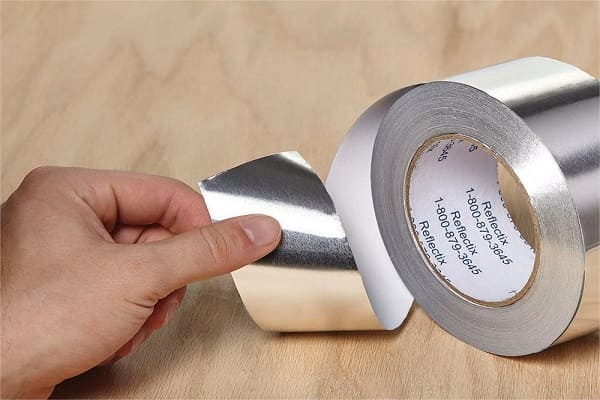
Aluminum foil has become a staple in many households, kitchens, and professional culinary environments worldwide. Its versatility, affordability, and durability make it an essential tool for cooking, baking, and food storage. Yet, despite its widespread use, a common question remains unanswered: Which side of aluminum foil is non stick? Is there a real difference between the shiny side and the dull side? Or is this just a myth?
In this article, we will explore this question in-depth, offering practical insights.
We aim to demystify aluminum foil’s characteristics, providing reliable, well-researched guidance to help you maximize its effectiveness in your culinary endeavors.

Understanding Aluminum Foil: Composition and Manufacturing
To grasp why one side of aluminum foil might be non-stick, it’s helpful to understand how aluminum foil is manufactured and what differentiates its sides.
How Is Aluminum Foil Made?
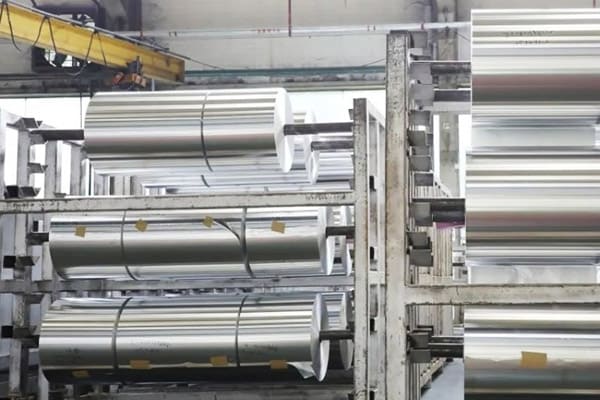
Aluminyo foil is produced through rolling processes involving multiple layers of aluminum sheets. During manufacturing, the process involves:
- Hot rolling: Aluminum is rolled into thick sheets.
- Cold rolling: These sheets are then thinned into ultra-thin foil.
- Final flattening: The sheets are passed through rollers that produce the desired thickness and finish.
Why Do Two Sides Exist?
The difference in appearance of the sides arises from the manufacturing process:
- When the foil is rolled during the last pass, two sheets are rolled simultaneously.
- The inner surfaces are in contact with each other, which results in a matte, dull finish.
- The outer surfaces are exposed to the rollers and tend to be shiny.
Kaya nga, the shiny side results from being in contact with the highly polished rollers, whereas the dull side is in contact with the matte finish of the opposing sheet.
Debunking the Myth: Is There a Difference in Non-Stick Properties?
Many cooks believe that the shiny side of aluminum foil is non stick, or that the dull side causes sticking.
Gayunpaman, understanding the manufacturing process clarifies the truth.
Does the Shiny Side Have Non-Stick Properties?
No. The difference in appearance does not influence the non-stick or stickiness qualities.
Both sides are made of the same material with identical chemical properties, and their thermal and physical behaviors are virtually identical.

Factors That Influence Stickiness
While the side’s finish doesn’t matter, several other factors influence whether food sticks to aluminum foil:
- Cooking temperature: Higher temperatures can cause sticking, especially with sugary or wet foods.
- Type of food: Sticky foods like caramel, cheese, or marinades are more prone to adhere.
- Use of additional lubricants: Applying oil, butter, or non-stick spray on the food or foil reduces sticking.
- Foil quality: Thick, high-quality aluminum foil forms a better barrier and reduces sticking, especially when used with the right precautions.
The Bottom Line
Both the shiny and dull sides of aluminum foil are equally suitable for non-stick purposes, provided other best practices are observed.
The myth that the shiny side is non-stick is just that—a myth.
Practical Tips for Minimizing Food Sticking When Using Aluminum Foil
Knowing that both sides are the same in non-stick capability, here are practical tips to prevent sticking:
Use Lubricants or Non-Stick Sprays
- Lightly coat the foil with cooking spray or brush with oil.
- This is especially effective for sticky or sugary ingredients.
Choose the Right Type of Aluminum Foil
| Uri ng | Mga Katangian | Best Use Cases |
|---|---|---|
| Pamantayan | Thin, flexible | General wrapping, lining pans |
| Heavy-duty | Thicker, more durable | Roasting, high-temperature cooking |
Avoid Overheating
- Excessively high temperatures can increase sticking.
- Maintain appropriate oven or grill temperatures for your recipes.
Proper Food Preparation
- Pat dry foods to reduce moisture.
- Use parchment paper lined with foil for extra anti-stick protection.
Test Before Full Use
- For delicate or sticky foods, test a small piece of foil with the food.
- Adjust techniques based on results.

Summary: The Facts About Aluminum Foil’s Non-Stick Properties
| Fact | Explanation |
|---|---|
| Both sides are chemically the same | The shiny and dull sides have identical non-stick properties. |
| Manufacturing causes the appearance difference | The shiny side is produced when in contact with polished rollers; dull side contacts matte rollers. |
| Non-stick performance depends on usage practices | Coatings, oils, and cooking techniques influence sticking more than the foil’s surface finish. |
In conclusion, the truth about aluminum foil’s non-stick properties is simple: both sides perform equally well in preventing sticking when used properly.
The lingering myth is just that—a myth. Understanding the manufacturing process empowers you to use aluminum foil more effectively in your kitchen, ensuring your dishes turn out perfectly every time.
Conclusion
Next time you reach for aluminum foil, don’t worry about the shiny or dull side.
Focus on using quality foil, applying a thin layer of oil or non-stick spray if needed, and maintaining appropriate temperatures.
These practical steps will help you enjoy seamless cooking and effortless food release, regardless of which side you use.
By unwrapping this common kitchen mystery, you can make informed choices and elevate your culinary skills. Happy cooking!
Share with PDF: Download




Mag iwan ng Tugon