टिन फ़ॉइल बनाम एल्युमिनियम फ़ॉइल: मिथकों और मतभेदों को उजागर करना!
परिचय
दुनिया भर की रसोई में, एल्युमीनियम फ़ॉइल लपेटने के लिए एक मुख्य सामग्री है, खाना बनाना, और भोजन को संरक्षित करना. हालाँकि, कई घरेलू रसोइये और यहां तक कि कुछ पेशेवर भी अक्सर इसे टिन फ़ॉइल समझ लेते हैं, जिससे उनके मतभेदों के बारे में ग़लतफ़हमियाँ पैदा होती हैं, उपयोग, और रचनाएँ. यह भ्रम ऐतिहासिक और ब्रांड-संबंधित कारणों से उत्पन्न होता है, जिसे हम स्पष्टता और वैज्ञानिक सटीकता के साथ तलाशेंगे.
टिन फ़ॉइल बनाम एल्युमीनियम फ़ॉइल के बीच अंतर को समझना केवल अकादमिक नहीं है; यह उचित उपयोग की जानकारी देता है, सुरक्षा संबंधी विचार, और यहां तक कि पर्यावरणीय प्रभाव भी. इस पूरे लेख में, हम मिथकों का विश्लेषण करेंगे, प्रमुख गुणों की तुलना करें, और उपभोक्ताओं और उद्योग हितधारकों के लिए व्यावहारिक अंतर्दृष्टि प्रदान करते हैं.

हुआवेई एल्यूमीनियम के बारे में
मुख्य चर्चा में जाने से पहले, हुआवेई एल्युमीनियम को पेश करना प्रासंगिक है, एक प्रतिष्ठित निर्माता और आपूर्तिकर्ता जिसका मुख्यालय चीन में है, उच्च गुणवत्ता वाले एल्यूमीनियम उत्पाद बनाने के लिए प्रसिद्ध है.
दशकों के अनुभव के साथ, हुआवेई एल्युमीनियम रोलिंग में माहिर है, कलई करना, और विभिन्न औद्योगिक अनुप्रयोगों के लिए एल्यूमीनियम शीट और फ़ॉइल का प्रसंस्करण.
नवाचार और गुणवत्ता आश्वासन के प्रति उनकी प्रतिबद्धता उन्हें एल्यूमीनियम फ़ॉइल उत्पादन और मानकों की बारीकियों को समझने के लिए एक विश्वसनीय स्रोत बनाती है.
ऐतिहासिक पृष्ठभूमि: टिन और एल्युमिनियम फॉयल की उत्पत्ति
अतीत में टिन फ़ॉइल का उपयोग
ऐतिहासिक दृष्टि से, टिन फॉइल घरों में उपयोग की जाने वाली पहली धातु की पन्नी थी, 19वीं शताब्दी का है.
टिन की पतली शीट को लचीले पर रोल करके बनाया गया, लचीला रूप, टिन फ़ॉइल की लोकप्रियता 20वीं सदी की शुरुआत तक चरम पर थी. इसके गुणों ने इसे भोजन लपेटने और अन्य घरेलू अनुप्रयोगों के लिए उपयुक्त बना दिया.
एल्यूमिनियम फ़ॉइल में संक्रमण
हालाँकि, 20वीं सदी की शुरुआत के दौरान, एल्युमीनियम उत्पादन में प्रगति, विशेष रूप से हॉल-हेरोल्ट प्रक्रिया का विकास, एल्यूमीनियम की लागत में नाटकीय रूप से कमी आई और एल्यूमीनियम फ़ॉइल का बड़े पैमाने पर उत्पादन संभव हो सका.
1910-1920 के आसपास, एल्युमीनियम के बेहतर गुणों के कारण वाणिज्यिक और घरेलू सेटिंग में एल्युमीनियम फ़ॉइल ने टिन फ़ॉइल का स्थान लेना शुरू कर दिया.
विपणन और गलत धारणाएँ
सुहावना होते हुए, एल्यूमीनियम फ़ॉइल प्रमुख उत्पाद बनने के बाद भी अमेरिकी स्थानीय भाषा में "टिन फ़ॉइल" शब्द कायम रहा - मुख्यतः ब्रांडिंग और आदत के कारण.
रेनॉल्ड्स रैप जैसे ब्रांडों ने एल्यूमीनियम फ़ॉइल का विपणन जारी रखा “टिन फॉइल” कुछ क्षेत्रों में, भ्रम को मजबूत करना.

रचना और विनिर्माण: टिन फ़ॉइल बनाम एल्युमिनियम फ़ॉइल
टिन फ़ॉइल क्या है?
सामग्री: मुख्यतः टिन से बना है (एस.एन.), सघन करने के लिए, उत्कृष्ट संक्षारण प्रतिरोध के साथ निंदनीय धातु.
उत्पादन: टिन को बहुत पतली चादरों में लपेटा जाता है, जिन्हें बाद में उपयोग योग्य आकारों में काटा जाता है. समान मोटाई और लचीलेपन को सुनिश्चित करने के लिए विनिर्माण को सटीक नियंत्रण की आवश्यकता होती है.
एल्युमिनियम फॉयल क्या है??
सामग्री: एल्यूमीनियम से बना है (अल), एक हल्का वजन, प्रचुर, और संक्षारण प्रतिरोधी धातु.
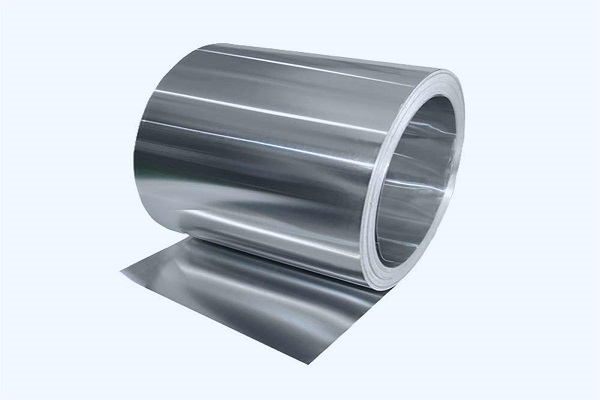
उत्पादन: एल्युमीनियम फ़ॉइल का उत्पादन एल्युमीनियम मिश्र धातु की शीटों को पतला करके किया जाता है, लचीली परतें. इस प्रक्रिया में गर्म और ठंडा रोलिंग शामिल है, इसके बाद स्ट्रेचेबिलिटी बनाए रखने के लिए एनीलिंग की जाती है.
तुलनात्मक तालिका: भौतिक गुण
| विशेषता | टिन फॉइल | एल्यूमीनियम पन्नी |
|---|---|---|
| मुख्य सामग्री | टिन (एस.एन.) | अल्युमीनियम (अल) |
| घनत्व | 7.29 जी / सेमी³ | 2.70 जी / सेमी³ |
| मोटाई रेंज | 0.15-0.20 मिमी (ऐतिहासिक) | 0.005-0.02 मिमी (आधुनिक पन्नी) |
| जंग प्रतिरोध | अच्छा, लेकिन एल्यूमीनियम से कम | उत्कृष्ट |
| लागत | उच्च, दुर्लभता और विनिर्माण के कारण | निचला, बहुतायत और बड़े पैमाने पर उत्पादन के कारण |
| FLEXIBILITY | अच्छा, लेकिन एल्यूमीनियम से कम | बेहतर लचीलापन और स्ट्रेचेबिलिटी |
| recyclability | सीमित; टिन कम पुनर्चक्रित होता है | अत्यधिक पुन: प्रयोज्य |
व्यावहारिक अंतर और उपयोग
स्थायित्व और लचीलापन
- टिन फॉइल कम लचीला होता है और टूटने का खतरा अधिक होता है, मुख्य रूप से एल्यूमीनियम फ़ॉइल की तुलना में इसकी भंगुरता के कारण.
- एल्यूमीनियम पन्नी बेहतर लचीलापन प्रदान करता है, इसे खाद्य पदार्थों या कंटेनरों के चारों ओर लपेटने और आकार देने के लिए उपयुक्त बनाता है.
खाद्य सुरक्षा और विषाक्तता
- टिन फॉइल एक पतली ऑक्साइड परत विकसित हो सकती है, लेकिन ऐतिहासिक रूप से, इसमें अशुद्धियों के साथ-साथ टिन के अंश भी थे, अनुचित तरीके से उपयोग किए जाने पर स्वास्थ्य संबंधी चिंताएँ बढ़ जाती हैं.
- एल्यूमीनियम पन्नी, जब निर्देशित के रूप में उपयोग किया जाता है, न्यूनतम स्वास्थ्य जोखिम उत्पन्न करता है. इसकी निष्क्रिय प्रकृति भोजन में हानिकारक पदार्थों के रिसाव को रोकती है.
गर्मी प्रतिरोध और खाना पकाने के अनुप्रयोग
- टिन फॉइल इसमें तुलनीय गर्मी प्रतिरोध है लेकिन आजकल खाना पकाने में इसका कम उपयोग किया जाता है.
- एल्यूमीनियम पन्नी उच्च तापमान को सहन करता है, इसे ओवन में भूनने के लिए उपयुक्त बनाना, ग्रिल, और माइक्रोवेव में खाना पकाना (विशेष सावधानियों के साथ).
पर्यावरणीय प्रभाव
- एल्युमीनियम की उच्च पुनर्चक्रण क्षमता के कारण एल्युमीनियम फ़ॉइल का पुनर्चक्रण सीधा और पर्यावरण के लिए फायदेमंद है.
- टिन फ़ॉइल की पुनर्चक्रण क्षमता अधिक सीमित है, और निपटान के परिणामस्वरूप अक्सर कम कुशल अपशिष्ट प्रबंधन होता है.

सामान्य मिथक और भ्रांतियाँ
टिन फ़ॉइल और एल्युमिनियम फ़ॉइल एक ही हैं
वास्तविकता: जबकि आधुनिक “टिन फॉइल” मुख्य रूप से एल्युमीनियम है, यह शब्द ब्रांडिंग और आदत के कारण कायम है. असली टिन पन्नी, टिन से बना, लागत के कारण आज इसका उपयोग बहुत कम होता है, उपलब्धता, और सुरक्षा संबंधी चिंताएँ.
टिन फ़ॉइल एल्युमिनियम फ़ॉइल से अधिक सुरक्षित है
वास्तविकता: टिन फ़ॉइल में अशुद्धियाँ हो सकती हैं और यह आधुनिक पाक आवश्यकताओं के लिए कम उपयुक्त है. एल्यूमीनियम पन्नी, जब ठीक से उपयोग किया जाता है, दुनिया भर में खाद्य सुरक्षा अधिकारियों द्वारा सुरक्षित और अनुमोदित है.
एल्युमिनियम फॉयल भोजन में हानिकारक रसायन छोड़ता है
वास्तविकता: सामान्य खाना पकाने की स्थिति में, एल्युमीनियम हानिकारक स्तर पर भोजन में प्रवेश नहीं करता है. एफडीए और ईएफएसए जैसी नियामक एजेंसियां इसके सुरक्षित उपयोग को मंजूरी देती हैं.
खाना पकाने के लिए एल्युमिनियम फॉयल टिन फॉयल से बेहतर है
वास्तविकता: यह देखते हुए कि टिन फ़ॉइल काफी हद तक अप्रचलित है, अधिकांश अनुप्रयोगों के लिए एल्यूमीनियम फ़ॉइल व्यावहारिक और सुरक्षित विकल्प है, जिसमें उच्च तापमान पर खाना पकाना भी शामिल है.
व्यावहारिक अनुप्रयोग और सिफ़ारिशें
| आवेदन | अनुशंसित सामग्री | दलील |
|---|---|---|
| भोजन लपेटना | एल्यूमीनियम पन्नी | FLEXIBILITY, सुरक्षा, उपलब्धता |
| पाई या पेस्ट्री अस्तर | एल्यूमीनियम पन्नी | गर्मी प्रतिरोध, आकार देने में आसानी |
| भण्डारण एवं परिरक्षण | एल्यूमीनियम पन्नी | बाधा गुण, टिकाऊपन |
| ऐतिहासिक या सजावटी उद्देश्य | टिन फॉइल (दुर्लभ, विशिष्ट कला या ऐतिहासिक पुन: अधिनियमन के लिए) | प्रामाणिकता या सौंदर्य संबंधी विकल्प |
एल्युमिनियम फॉयल का सुरक्षित रूप से उपयोग करने के लिए युक्तियाँ
- माइक्रोवेव ओवन में एल्यूमीनियम फ़ॉइल का उपयोग करने से बचें जब तक कि स्पष्ट रूप से माइक्रोवेव उपयोग के लिए डिज़ाइन न किया गया हो.
- अम्लीय रस उत्सर्जित करने वाले खाद्य पदार्थों को ढकने के लिए पन्नी का उपयोग न करें (जैसे, टमाटर या साइट्रस) विस्तारित अवधि के लिए, क्योंकि इससे हल्की सी लीचिंग हो सकती है.
- खाना लपेटते समय, संदूषण को रोकने और ताजगी बनाए रखने के लिए एक टाइट सील सुनिश्चित करें.
उद्योग और गुणवत्ता आश्वासन में हुआवेई एल्युमीनियम की भूमिका
हुआवेई एल्युमीनियम उद्योगों में उपयोग होने वाले उच्च-ग्रेड एल्युमीनियम फ़ॉइल की आपूर्ति करता है, जिसमें खाद्य पैकेजिंग भी शामिल है, इलेक्ट्रानिक्स, और निर्माण.
उनके उत्पादन मानक एएसटीएम जैसे अंतरराष्ट्रीय मानदंडों का पालन करते हैं, आईएसओ, और जीबी मानक, पर जोर देते हुए:
- लगातार मोटाई नियंत्रण: विभिन्न अनुप्रयोगों में विश्वसनीय प्रदर्शन सुनिश्चित करता है.
- सतही गुणवत्ता: चिकना, दोष-मुक्त सतहें, गड्ढों से मुक्त, स्क्रैच, या संक्षारण.
- पर्यावरणीय जिम्मेदारी: पुनर्चक्रण पर जोर दिया जा रहा है, पर्यावरण-अनुकूल उत्पादन प्रक्रियाएँ.
उनकी विशेषज्ञता दक्षता में सुधार करने में उद्योगों का समर्थन करती है, सुरक्षा, और स्थिरता, उन्हें विश्व स्तर पर एल्यूमीनियम फ़ॉइल विनिर्माण में अग्रणी बनाना.
एल्युमिनियम फॉयल ब्रांड और गुणवत्ता की तुलना
| ब्रांड/निर्माता | भौतिक शुद्धता (%) | मोटाई सहनशीलता | recyclability | मूल्य सीमा | उल्लेखनीय विशेषताएं |
|---|---|---|---|---|---|
| हुआवेई एल्यूमीनियम | >99.5% | ±0.001 मिमी | उच्च | प्रतिस्पर्धी | उच्च गुणवत्ता वाली स्थिरता, पर्यावरण के अनुकूल |
| रेनॉल्ड्स लपेटें (यूएसए) | >99.7% | ±0.001 मिमी | उच्च | अधिमूल्य | भरोसेमंद, व्यापक ब्रांड |
| अनब्रांडेड या जेनेरिक | भिन्न | ±0.002 मिमी | मध्यम | निचला | परिवर्तनीय गुणवत्ता, सावधानी बरतने की सलाह दी गई |
सही एल्यूमीनियम फ़ॉइल का चयन इच्छित उपयोग पर निर्भर करता है, बजट, और गुणवत्ता मानक. प्रासंगिक खाद्य सुरक्षा नियमों के प्रमाणन और अनुपालन की हमेशा जांच करें.
पर्यावरण और सुरक्षा संबंधी विचार
एल्युमिनियम फॉयल का पुनर्चक्रण
- पुनर्चक्रण प्रक्रिया: एल्युमीनियम फ़ॉइल को पिघलाया जाता है और नए एल्यूमीनियम उत्पादों में पुन: संसाधित किया जाता है.
- पर्यावरणीय लाभ: पुनर्चक्रण से बचत होती है 95% प्राथमिक एल्यूमीनियम उत्पादन के लिए आवश्यक ऊर्जा की.
- उपयोगकर्ता टिप: संदूषण से बचने के लिए पुनर्चक्रण से पहले फ़ॉइल को साफ़ करें.
उपभोक्ताओं के लिए सुरक्षा युक्तियाँ
- अत्यधिक अम्लीय खाद्य पदार्थों को लंबे समय तक पन्नी में कसकर लपेटने से बचें.
- उचित कुकवेयर का उपयोग करें और दुरुपयोग से बचें जिससे भोजन संदूषण हो सकता है.
- परस्पर संदूषण को रोकने के लिए भोजन को पन्नी में लपेटने से पहले उचित कंटेनर में संग्रहित करें.
पूछे जाने वाले प्रश्न
क्या टिन की पन्नी अभी भी बाजार में उपलब्ध है??
उत्तर: सच्ची टिन फ़ॉइल काफी हद तक अप्रचलित है और व्यावसायिक रूप से शायद ही कभी उपलब्ध होती है. अधिकांश “टिन फॉइल” दुकानों में वास्तव में एल्यूमीनियम पन्नी है, अक्सर इस तरह लेबल किया जाता है.
क्या मैं माइक्रोवेव में एल्युमीनियम फ़ॉइल का उपयोग कर सकता हूँ??
उत्तर: हाँ, लेकिन सावधानी के साथ. माइक्रोवेव-सुरक्षित एल्यूमीनियम फ़ॉइल का उपयोग केवल तभी करें जब उपकरण निर्माता द्वारा स्पष्ट रूप से अनुशंसित किया जाए, और सुनिश्चित करें कि चिंगारी को रोकने के लिए यह माइक्रोवेव की दीवारों को न छुए.
क्या एल्युमिनियम फॉयल अल्जाइमर रोग का कारण बनता है??
उत्तर: वर्तमान वैज्ञानिक प्रमाण एल्यूमीनियम फ़ॉइल के उपयोग और अल्जाइमर रोग के बीच सीधे संबंध का समर्थन नहीं करते हैं. उचित तरीके से उपयोग किए जाने पर नियामक एजेंसियां इसकी सुरक्षा की पुष्टि करती हैं.
क्या एल्यूमीनियम फ़ॉइल के पर्यावरण-अनुकूल विकल्प हैं??
उत्तर: हाँ. विकल्पों में मोम के आवरण शामिल हैं, सिलिकॉन खाद्य कवर, और पुन: प्रयोज्य सिलिकॉन या स्टेनलेस-स्टील रैप्स, जो अपशिष्ट और पर्यावरणीय प्रभाव को कम करता है.
निष्कर्ष
आस-पास के भेदों और मिथकों में गोता लगाना टिन फॉइल बनाम एल्यूमीनियम पन्नी इसका खुलासा करता है, व्यवहार में, हमारी आधुनिक रसोई अपने बेहतर गुणों और सुरक्षा प्रोफ़ाइल के कारण एल्यूमीनियम फ़ॉइल पर अत्यधिक निर्भर करती है. जबकि टिन पन्नी का ऐतिहासिक महत्व है, इसका उपयोग अधिकतर अतीत का अवशेष बनकर रह गया है.
रचना को समझना, विनिर्माण प्रक्रियाएँ, और एल्यूमीनियम फ़ॉइल का उचित अनुप्रयोग उपभोक्ताओं और पेशेवरों को सूचित विकल्प चुनने में सशक्त बनाता है.
जैसे-जैसे विनिर्माण मानक और पर्यावरणीय विचार विकसित होते हैं, हुआवेई एल्युमीनियम जैसे प्रतिष्ठित आपूर्तिकर्ता नवाचार करना जारी रखते हैं, वैश्विक सुरक्षा और स्थिरता मानकों को पूरा करने वाले उच्च गुणवत्ता वाले एल्यूमीनियम फ़ॉइल उत्पादों को सुनिश्चित करना.
संक्षेप में, चाहे बचा हुआ खाना लपेटना हो, पकाना, या औद्योगिक पैकेजिंग, एल्यूमीनियम फ़ॉइल एक बहुमुखी बनी हुई है, सुरक्षित, और टिकाऊ उपकरण—खुला हुआ और आपके अगले पाक या औद्योगिक कार्य के लिए तैयार.
टिप्पणी: उच्च गुणवत्ता वाले एल्यूमीनियम फ़ॉइल की सोर्सिंग में रुचि रखने वालों के लिए, हमेशा आपूर्तिकर्ता क्रेडेंशियल्स और उद्योग मानकों के पालन को सत्यापित करें. हुआवेई एल्युमीनियम उत्कृष्टता के प्रति प्रतिबद्धता का उदाहरण है, दुनिया भर में विविध अनुप्रयोगों के लिए विश्वसनीय उत्पाद उपलब्ध कराना.
पीडीएफ के साथ साझा करें: डाउनलोड करना


उत्तर छोड़ दें