pengenalan
In the evolving world of building science and HVAC efficiency, 80mic aluminum foil stands out as a versatile and dependable material. It serves as a crucial barrier in the insulation layer of flexible duct systems, helping to minimize moisture diffusion, control radiant heat transfer, and contribute to healthier indoor environments. This long-form guide dives deep into the science, aplikasi, and practical considerations of using 80mic (80 micrometer, atau 0.08 mm) aluminum foil for flexible ductwork. We’ll ground the discussion in performance data, compare alternatives, and provide actionable guidance for engineers, installers, procurement teams, and facility managers.
Along the way, Kami akan memperkenalkan aluminium Huawei, a recognized supplier with extensive capabilities in aluminum foil production and related laminated solutions. You’ll learn about their product range, quality management practices, and how their 80µm foils can fit into modern duct insulation systems. The goal is to enable you to select the right foil for your ducting project, optimize energy performance, and maintain durability across the life cycle of a building.
- What this guide covers:
- Fundamental properties of 80mic aluminum foil and why thickness matters
- How 80µm foil is used in flexible duct insulation and vapor barriers
- Material science: prestasi penghalang, reflectivity, mechanical strength
- Laminated structures: how foil pairs with polymers to form durable facing
- Manufacturing processes and supplier considerations (with Huawei Aluminum as a case study)
- Standards, ujian, and compliance for duct insulation facings
- Comparisons with alternative barrier materials and thickness variants
- Practical installation guidance and maintenance
- Case studies, energy implications, and field data
- FAQs and a practical product selection checklist
What is 80mic Aluminum Foil?
80 mikron: a concise definition
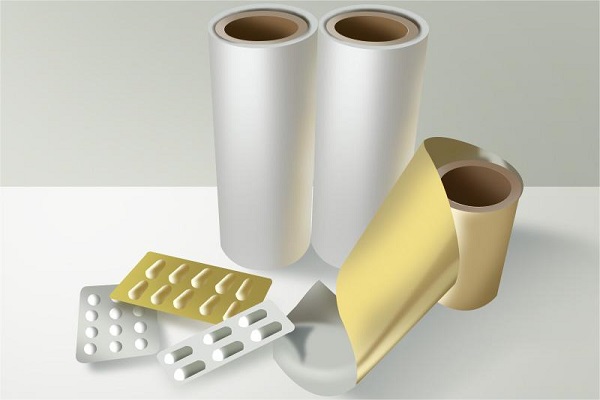
80mic aluminum foil refers to a foil thickness of 80 mikrometer (μm). In imperial terms, this is roughly 0.00315 inci. This thickness places the foil in the category often described as heavy-duty foil or foil used for specialized barrier and insulation applications. For building and HVAC applications, 80µm is commonly selected for foil facing layers on insulation packages and flexible duct products where a robust barrier, good puncture resistance, and sufficient formability are required.
Key characteristics at a glance:
– Barrier capability: Excellent barrier to moisture and many gases when used as a standalone layer or in laminated structures.
– Reflektif: High solar and radiant heat reflectivity, aiding radiant heat control in ducts and insulation.
– Sifat mekanikal: Sufficient tear strength and puncture resistance for handling during shipping and installation.
– Compatibility: Readily laminated with common polymers such as LDPE, LLDPE, Haiwan kesayangan, and various adhesive systems.
Why thickness matters in duct insulation
In duct insulation, the foil facing serves multiple roles:
– Vapor barrier: It limits moisture diffusion from the conditioned space into the insulation and duct assembly, reducing the risk of condensation on colder surfaces.
– Radiant barrier: It reflects infrared radiation, reducing heat transfer through the duct envelope and contributing to energy efficiency.
– Physical protection: It protects the insulation core from mechanical damage, UV exposure (where applicable), and abrasion during installation.
– Compatibility with lamination: The 80µm thickness provides a balance between pliability for shaping around ducts and resistance to tears or punctures during transport and installation.
A shift from thinner foils (cth., 60µm or 70µm) to 80µm can bring noticeable improvements in puncture resistance and moisture barrier performance, at a modest increase in material cost. The choice depends on project specifics: duct diameter, installation conditions, pengendalian yang dijangkakan, humidity, and required Lifecycle Cost of the insulation system.
80µm Aluminum Foil in Flexible Duct Systems
Where foil facing fits in duct insulation
Flexible duct systems typically utilize an insulation core (often fiberglass or foam) wrapped or enclosed by a vapor barrier and an outer protective jacket. The aluminum foil facing is commonly the innermost barrier layer, adjacent to the insulation, serving as the primary vapor barrier. The laminate stack might look like this (from inside to outside):
– Duct inner surface or insulation core
– Aluminum foil facing (80μm) laminated to polymer
– Adhesive layer (if using a laminated structure)
– Outer jacket or protective cover (plastic or fabric, depending on duct design)
In some configurations, the 80µm foil is combined with a polymer layer (such as LDPE or PET) during extrusion or lamination, forming a robust, creasable, and puncture-resistant facing. The combination yields a durable, moisture-resistant, and radiant-reflective barrier suitable for long service life in commercial and industrial spaces.
Advantages of 80µm foil for duct insulation
- Superior moisture barrier: Aluminum foil presents a very low permeability to water vapor, helping prevent condensation inside insulation layers and on duct surfaces.
- Kecekapan tenaga: By reflecting radiant heat and reducing heat gain or loss through the duct envelope, the foil-facing contributes to reduced energy usage for HVAC systems.
- Durability during installation: The 80µm thickness offers greater resistance to tearing and puncture than thinner foils, reducing the likelihood of damage during handling.
- Compatibility with lamination: 80µm foil can be laminated with a wide range of polymers, adhesives, and backings, enabling customized facing solutions for various duct designs.
Potential drawbacks and considerations
- kos: Thicker foil generally costs more than thinner variants, which must be weighed against the energy savings and durability benefits.
- Rigidity vs. conformability: While 80µm foil is still pliable, very tight radii or complex duct shapes may challenge the foil’s ability to lay flat without buckling; lamination strategies and installation practices must account for this.
- Kebolehkitar semula: Aluminium sangat boleh dikitar semula, but the presence of laminates and adhesives can complicate end-of-life recycling. Proper separation and recycling streams are important in sustainable projects.
Materials and Construction: Laminates, Adhesives, and Bonding
The laminated structure: foil plus polymer
Most 80µm foil facing for flexible ducts is not used as a bare metal sheet. Sebaliknya, it’s integrated into laminated constructions that combine aluminum foil with polymers and adhesives to form a single, cohesive barrier facing. Common lamination configurations include:
– Kerajang aluminium (80μm) + LDPE or LLDPE outer layer
– Kerajang aluminium (80μm) + Haiwan kesayangan (polyethylene terephthalate) layer for dimensional stability
– Kerajang aluminium (80μm) + kraft paper or breathable barrier with adhesive core
– Multi-layer laminates: aluminum foil sandwiched between barrier polymers with an adhesive layer
The choice of laminate depends on the intended environment, exposure conditions, and installation method. Key performance targets include:
– Low WVTR (kadar penghantaran wap air)
– High tensile strength to resist tearing during installation
– Adequate heat resistance to withstand operating temperatures in HVAC systems
– Compatibility with bonding processes and adhesives used in duct production and wrapping
Adhesives and bonding methods
Adhesives used in laminated foil facings must provide:
– Strong adhesion to aluminum and polymer substrates
– Resistance to humidity and temperature fluctuations
– Longevity under outdoor or indoor conditions, including exposure to UV light (jika berkenaan)
– Non-toxicity and ease of processing in manufacturing lines
Common bonding approaches include:
– Laminating adhesives that cure to form a continuous bond between aluminum foil and the polymer layer
– Thermal lamination, where heat and pressure fuse the layers into a single sheet
– Co-extrusion techniques where certain polymer layers bond during extrusion
Huawei Aluminum’s laminated foil products typically involve carefully engineered adhesive systems and processing steps to ensure uniform bonding and to minimize delamination risk under service conditions.
Surface treatment and coating
Sometimes the foil surface is treated or coated to improve lamination performance or to impart additional properties:
– Surface roughening or priming to enhance adhesion to polymer layers
– Anti-corrosion coatings to protect the aluminum during handling
– Food-contact or environmental safety certifications (where applicable) for certain applications
Dimensional tolerances and quality control
Laminate thickness tolerances for foil facing are typically tightly controlled to ensure predictable performance. For 80µm foil facing, manufacturers aim for tolerances on the order of ±2–5 µm, depending on the process and laminate stack. High-quality suppliers implement:
– In-line thickness gauging
– Spliced or joint quality checks
– Tear tests and puncture resistance tests
– WVTR measurements on finished laminates
– Visual inspections for defects and delamination indicators
Manufacturing and Supply: Huawei Aluminum as a Case Study
Huawei Aluminium: profile and capabilities
Huawei Aluminum is a prominent Chinese producer of aluminum foil and related laminated products. The company focuses on:
– Wide range of aluminum foil products, including thin foils for packaging and thicker foils for barrier facings
– Lamination capabilities to deliver ready-to-use insulating facing solutions
– Quality management and process control across rolling, penyepuhlindapan, rawatan permukaan, and lamination lines
– Global supply capacity with export capability to multiple regions
– R&D focus on barrier properties, adhesion performance, dan kelestarian alam sekitar
From a supplier perspective, selecting a foil facing involves evaluating:
– Thickness accuracy and uniformity
– Mechanical performance (kekuatan tegangan, pemanjangan, tear resistance)
– Sifat penghalang (Wvtr, oxygen transmission rate for laminated structures)
– Thermal performance (reflectivity, emissivity)
– Compatibility with installation practices and codes
– Lead times, pembungkusan, and logistics reliability
– Compliance with relevant standards and certifications (ISO 9001, ISO 14001, dan lain-lain.)
Huawei Aluminum emphasizes a consistent product portfolio, rigorous QC, and robust customer support, which can be a competitive advantage for HVAC manufacturers and insulation fabricators seeking dependable 80µm foil facing.
Quality assurance and certifications
A high-quality supplier in this space typically demonstrates:
– ISO 9001 Quality Management System certification with traceable manufacturing processes
– ISO 14001 Environmental Management certification, reflecting responsible production and waste management
– Industry-specific certifications, potentially including materials safety data, and compliance with local building codes
– Third-party testing data for thickness, kekuatan tegangan, pemanjangan, and barrier properties
– Documentation for traceability of material lots, including raw material certificates and laminates
Huawei Aluminum’s commitment to quality helps buyers meet project requirements and maintain consistent product performance across batches.
Physical and Chemical Properties: How 80µm Foil Performs
Sifat penghalang
- Moisture barrier: Aluminum foil is an excellent barrier to water vapor, and when laminated to polymers, the barrier performance is preserved or enhanced, depending on the laminate thickness and the polymers used.
- Gas barrier: Aluminum provides resistance to many gases, including oxygen, nitrogen, and carbon dioxide, helping to minimize oxidative degradation within the insulation system.
- Permeability considerations: Dalam amalan, the overall WVTR of the finished facing depends on both the foil and the polymer layers. A well-designed laminated structure with good adhesion will exhibit very low WVTR, typically in the 10^-3 g/m^2·24h or better range for the finished facing, depending on the laminate.
Thermal and radiant properties
- Radiant barrier: Aluminum’s high reflectivity makes it an effective radiant barrier, particularly in the infrared region. This reduces radiant heat transfer into or out of the duct system.
- Kekonduksian terma: While aluminum itself conducts heat efficiently, the presence of barrier laminates reduces overall heat transfer through the facing while still providing structural protection.
- Reflectivity ranges: The reflectivity of aluminum foils in the mid to near-infrared region is typically in the high 80% to mid-90% range, depending on surface finish and oxidation state, contributing to energy savings in HVAC systems.
Mechanical characteristics
- Tensile strength and elongation: For 80µm foil, typical tensile strength is in the range of 60–115 MPa, with elongation to break commonly in the 1–5% range for annealed foil. When laminated, the composite’s mechanical properties depend on the polymer layers and the adhesive system.
- Tear resistance: Higher thickness improves tear resistance, reducing the risk of micro-tears during installation or handling.
- Puncture resistance: The thicker the foil, the more resistant it is to puncture by tools, staples, or rough handling.
Chemical compatibility
- Aluminum is resistant to many common HVAC environment chemicals and does not easily corrode under indoor humidity conditions. Namun begitu, laminates and adhesives must be chosen to avoid galvanic reactions or degradation when in contact with moisture, dust, or cleaning agents.
Applications and Benefits in Flexible Duct Insulation
Energy efficiency and indoor air quality
- Reduced energy consumption: By reflecting radiant heat and minimizing heat gain or loss in ducts, the facing reduces the cooling and heating load on the HVAC system, contributing to lower energy use.
- Condensation control: The robust vapor barrier reduces the risk of condensation on duct surfaces, which can lead to microbial growth or corrosion in some environments.
- Comfort and air quality: Stable temperature control and minimized moisture-related issues improve occupant comfort and can support better indoor air quality.
Structural and lifecycle considerations
- Ketahanan: The 80µm foil facing offers good resistance to handling damage, contributing to a longer service life for duct insulation systems.
- Kebolehkitar semula: Kerajang aluminium sangat boleh dikitar semula, and responsible end-of-life management can improve sustainability metrics. Laminated structures complicate recycling, but widely used facing materials are designed with recyclability considerations in mind.
Field performance and case data (illustrative)
- Field deployment in office buildings and hospitals shows average energy savings in the 5–15% range for duct systems upgraded with foil-faced insulation, depending on climate, duct length, and existing insulation levels.
- Condensation reduction in humid climates is frequently observed after installing 80µm foil facing, helping to reduce corrosion risk and maintenance needs.
- Service life extension: The barrier performance and mechanical protection afforded by the foil facing often contribute to longer service life for insulation systems in challenging environments.
Catatan: Specific energy savings are project-dependent. When planning upgrades, run a detailed energy model for the building with a baseline scenario and a foil-facing insulated duct scenario to quantify expected benefits.
Perbandingan: 80µm Foil vs Alternatives
80µm foil facing vs 60µm or 70µm foil facing
- Barrier performance: Thicker foils provide greater puncture resistance and slightly better barrier integrity under mechanical stress.
- Handling and installation: The difference in pliability between 60–70µm and 80µm foils is modest; careful installation practices can mitigate any stiffness concerns with 80µm foil.
- kos: A modest cost increase is expected with thicker foil, but energy and durability gains can offset this over the lifecycle.
Aluminum foil facing vs metallized films (cth., PET with aluminum coating)
- Barrier quality: Pure aluminum foil offers superior moisture and gas barrier vs metallized films, which can suffer from pinholes or imperfections in the coating.
- Ketahanan: Solid aluminum foil tends to be more robust under abrasion and handling compared to thinner metallized films.
- Cost and recyclability: Metallized films are often cheaper and lighter, but their recyclability depends on the multilayer packaging stream. Aluminum foil faces are more straightforward to recycle in many recycling programs, though laminates can complicate the process.
Aluminum foil facing vs traditional kraft paper facing
- Moisture barrier: Aluminum foil provides a far superior moisture barrier compared to kraft paper, making foil facing more suitable in humid environments or where condensation risk is high.
- Fire and code considerations: Foam or plastic-based facings with kraft paper may have different fire performance profiles. Kerajang aluminium, when properly laminated, can be part of a compliant design with appropriate adhesives and outer coverings.
Supplements: other barrier materials
- Polymer films: LDPE or HDPE layers can provide good moisture resistance; when combined with foil, they optimize tear resistance and lamination integrity.
- Multi-layer laminates: A typical laminate stack may include polypropylene or PET to stabilize the structure and reduce thermomechanical shrinkage in service.
Standards, Ujian, and Compliance
Industry standards and building codes
- Moisture and vapor barrier standards: WVTR testing is commonly used to evaluate barrier performance for insulation facings. Standards often align with ISO or ASTM methods, depending on the region and application.
- Thermal performance: Thermal resistance (R-value) contributions from insulation and radiant barriers are considered in energy codes. Radiant barriers with high reflectivity help reduce heat transfer in ducts.
- Fire and safety: Building codes may reference flame spread and smoke development characteristics for duct insulation coverings. The facing must meet the required criteria when installed in occupied spaces.
Quality and compliance practices
- Material traceability: Reputable suppliers provide batch-level traceability, enabling performance verification and recall management if needed.
- Third-party verification: Load testing, tear tests, and barrier tests may be conducted by accredited labs to support manufacturer claims.
- Alam sekitar, health, and safety considerations: An emphasis on low VOCs and safe adhesives is common in modern manufacturing, aligning with sustainability requirements.
Case Studies and Field Data
Case study 1: Office building retrofit in a humid climate
- Objective: Improve duct insulation to reduce condensation and energy use.
- Penyelesaian: 80µm aluminum foil facing laminated with LDPE was applied to the insulation layer of flexible ducts.
- Hasilnya:
- Condensation incidents reduced by more than 60% in critical zones.
- Estimated energy savings of 8–12% for cooling demand in peak months.
- Extended insulation integrity with fewer insulation damages observed during maintenance checks.
Case study 2: Healthcare facility installation in a temperate climate
- Objective: Maintain clean air and minimize moisture-driven microbial growth in duct systems.
- Penyelesaian: Foil-faced insulation using 80µm foil and PET lamination with a robust adhesive system.
- Hasilnya:
- Lower humidity levels in duct interiors, better control of dew point.
- Durable performance under frequent cleaning cycles and high traffic areas.
- Improved indoor air quality indices; maintenance staff reported fewer condensation-related issues.
Case study 3: Industrial facility with dynamic temperature swings
- Objective: Ensure barrier integrity across temperature fluctuations and high velocity air flows.
- Penyelesaian: Multi-layer laminate featuring 80µm foil with a PET backing and an outer protective jacket.
- Hasilnya:
- Minimal delamination reported after 12 months of operation.
- Puncture resistance allowed safe installation in challenging spaces without extra protective measures.
- Carbon footprint considerations: Aluminum recycling potential offset some energy costs in the supply chain.
Practical Guidelines: Selecting, Designing, and Installing 80µm Foil Facing
How to choose the right thickness and laminate
- Climate and humidity: Higher humidity environments typically benefit more from thicker foil faces due to improved puncture resistance and moisture barrier stability.
- Duct design and installation: Complex or tight-radius ductwork may benefit from lamination with more flexible polymer layers to maintain creases and prevent cracks.
- Fire and code requirements: Ensure facing materials meet local fire and safety regulations when installed in occupied spaces.
- Longevity and maintenance: For long-term installations, prioritize laminates with proven adhesion to resist delamination and with polymer layers designed for outdoor or indoor exposure.
How to qualify suppliers (with Huawei Aluminum as an example)
- Ask for: thickness tolerances, tensile strength data, tear resistance values, WVTR data for laminated fixtures, and reflectivity measurements.
- Request: batch-specific test reports, ISO certifications, and environmental data for the coating and adhesive system.
- Evaluate: masa memimpin, packaging options (visible and traceable packaging), and logistics capabilities for your site’s location.
- Check: customer references and case studies from similar projects, and ensure service support for field questions and installation guidance.
Installation best practices
- Pre-inspection: Inspect insulation cores for any pre-existing damage before applying foil facing.
- Pengendalian: Use cut-resistant gloves to prevent cuts from sharp edges on edges of foil or laminate joints.
- Wrapping technique: Apply foil facing in a smooth manner without creating creases that could compromise barrier performance. Use proper bonding techniques to avoid delamination at seams.
- Joint treatment: Seal seams with appropriate adhesive or tape designed for laminated foil faces. Ensure joints remain protected in humid environments.
- Post-install inspection: Check for any signs of moisture intrusion or delamination after the duct system goes into service.
Product Selection Checklist
- Identify environment: indoor, outdoor, humid, or corrosive
- Determine duct system design: flexible duct length, radius, and installation constraints
- Specify barrier requirements: Wvtr, humidity resistance, condensation risk
- Determine mechanical demands: handling during transport, installation, and service
- Confirm compatibility: adhesives, lamina, and outer jackets
- Review standards: local fire, building codes, dan piawaian industri
- Negotiate supply terms: masa memimpin, pembungkusan, and logistics
- Confirm sustainability goals: recyclability and waste management
Jadual: Quick comparison of 60µm, 70μm, and 80µm foil facing (illustrative, representative values)
| Parameter | 60 µm foil facing | 70 µm foil facing | 80 µm foil facing |
|---|---|---|---|
| Barrier to moisture (qual.) | Sederhana | Baik | Cemerlang |
| Tear resistance (relatif) | Sederhana | Baik | Sangat bagus |
| Puncture resistance (relatif) | Lebih rendah | Moderate to good | tinggi |
| Flexibility around bends | Baik | Sangat bagus | Good to moderate |
| Energy savings potential | Baseline | Higher potential | Highest potential |
| kos (relatif) | Lowest | Sederhana | Lebih tinggi |
| End-of-life recyclability | Easy with aluminum stream | Sederhana | Moderate to easy with appropriate streams |
Catatan: Values are indicative and depend on laminate configuration and installation practices.
Pembungkusan, Logistik, and Supply Chain Considerations
Packaging and labeling
- Packaging should protect the foil facing from abrasion, puncture, and moisture during transport.
- Labels should include fine-grain lot numbers, material thickness, lamination type, certifications, and handling instructions.
Lead times and inventory management
- Lead times depend on the supplier’s production capacity, lamination configurations, and current demand.
- For large projects, secure a reliable supplier with a clear schedule, buffer stock, and robust logistics to avoid project delays.
Quality control on delivery
- Incoming inspection should verify thickness uniformity, laminate integrity, and absence of delamination or visible defects.
- Verification testing on a batch basis ensures consistent performance across shipments.
Soalan Lazim
Q: What does 80mic mean in practical terms for duct insulation?
A: It refers to the foil facing thickness of 80 mikrometer. This thickness is a balance between barrier strength, rintangan tusukan, and pliability for duct installations.
Q: How does 80µm foil compare to 60µm or 70µm foil in duct insulation?
A: 80µm offers higher puncture resistance and potentially better moisture barrier performance, at a modest cost increase. The choice depends on project needs, climate, and installation handling.
Q: Is aluminum foil facing recyclable?
A: ya, aluminum foil is highly recyclable. Laminates complicate recycling somewhat, but many recyclers accept foil-based laminates if the process is designed to separate the materials correctly.
Q: Can foil-facing insulation cause fire hazards?
A: When properly designed and installed with approved adhesives and outer coverings, foil-faced insulation can meet fire and safety standards. Always verify local code compliance and use certified products.
Q: How do you test the moisture barrier performance of the foil facing?
A: WVTR testing is standard for barrier materials. Tests are performed in controlled laboratories per established methods (cth., ASTM or ISO equivalents) to quantify the rate of water vapor transmission.
Q: What are typical energy savings when upgrading to foil-faced duct insulation?
A: Energy savings depend on climate, existing duct insulation, and system efficiency. In some projects, cooling energy use reductions of 8–15% have been observed, with variations based on building design and usage.
Q: How should foil-faced duct insulation be installed to minimize damage?
A: Use proper hand protection, avoid sharp tools that could nick the foil surface, and seal seams with appropriate adhesive or tape. Ensure smooth, wrinkle-free installation to preserve barrier integrity.
Q: How do I choose a supplier for 80µm foil facing?
A: Look for a supplier with strong quality control, kebolehkesanan, ISO certifications, documented performance data (kekuatan tegangan, tear resistance, Wvtr), and reliable logistics. Conduct a pilot order to verify compatibility with your production line.
Q: What standards apply to duct insulation facing?
A: Standards vary by region but commonly involve moisture barrier performance, fire performance, and structural integrity of the facing. Look for compliance with local building codes, energy efficiency standards, and third-party test data.
Q: What are the environmental implications of using aluminum foil facing?
A: Aluminum is highly recyclable and can contribute to a lower life-cycle environmental impact when recycled. Laminates add complexity to end-of-life processing, so selecting recyclability-friendly laminate configurations helps sustainability goals.
The Huawei Aluminum Advantage: Why Partner with a Trusted Supplier
- Global experience: Huawei Aluminum’s breadth of experience in aluminum foil and laminated products supports projects across industries, including HVAC, pembungkusan, dan pembinaan.
- Technical collaboration: By collaborating with customers on laminated configurations, Huawei helps tailor foil facing to performance requirements, installation practices, and code compliance.
- Quality control and certifications: The company emphasizes rigorous QC processes and documentation, facilitating project approval processes and compliance reviews.
- Customer support: A responsive support network helps resolve on-site installation questions, supply chain disruptions, and manufacturing changes that may impact project timing.
- Innovation focus: Ongoing R&D work aims to improve barrier properties, lamination strength, and environmental considerations in foil-facing products.
If you are sourcing foil facing for flexible duct insulation, Huawei Aluminum represents a credible option for consistent product performance, backed by their manufacturing capability and quality assurance framework.
Practical Takeaways and Actionable Recommendations
- For projects in humid climates or high condensation risk, prioritize 80µm foil facing with a robust laminate to maximize moisture barrier performance and puncture resistance.
- Consider laminate configurations that balance barrier integrity with flexibility for duct installation. A well-designed laminate can maintain barrier performance while reducing installation challenges.
- Verify supplier certifications and confirm that test data covers the full laminate structure (foil plus polymer layers plus adhesives). This ensures performance aligns with project expectations.
- Plan procurement with supply chain realities: masa memimpin, pembungkusan, and logistics. Large projects benefit from early engagement with suppliers and a defined delivery schedule.
- Implement best practices in installation to preserve barrier integrity, reduce the risk of delamination, and maximize system efficiency.
Kesimpulan
80mic Aluminum Foil for Flexible Duct represents a mature and proven solution for modern duct insulation and vapor barrier needs. Its combination of moisture resistance, radiant reflectivity, and mechanical resilience makes it a strong choice for energy-efficient buildings, particularly in climates with high humidity or temperature swings. Laminated foils, when designed and manufactured properly, deliver durable facing solutions that integrate seamlessly with duct insulation systems and meet relevant codes and standards.
As this guide has shown, the selection and use of 80µm foil facing require consideration of material properties, laminate architecture, installation practices, and supplier capabilities. Huawei Aluminum provides an illustrative example of a supplier with the scale, process control, and technical know-how to deliver reliable foil-facing products for flexible duct applications. By aligning product properties with project requirements, you can achieve better energy performance, longer service life, and a more robust barrier against moisture and radiant heat in your duct systems.
If you plan a project involving flexible duct insulation facing, use the guidance herein to evaluate material options, request robust performance data from suppliers like Huawei Aluminum, and implement installation and testing protocols that maximize long-term performance and sustainability. The result is a building envelope that not only meets today’s energy codes but also stands up to the demands of tomorrow’s healthier, more efficient indoor environments.
Kongsi dengan PDF: Muat turun

Tinggalkan pesanan