8021-O Cold Forming Aluminum Foil: A Practical Guide for Packaging Professionals
Aluminum foil in the 8021-O grade is a cornerstone material for modern packaging, especially where high formability, excellent barrier properties, and reliable seal performance are critical. When the foil is used in cold forming applications, it enables efficient production of complex packaging geometries—blister packs, lidding foils, and roll-fed packaging structures—that meet stringent safety and quality standards. This guide dives into what 8021 O cold forming aluminum foil is, why it matters, how it’s manufactured, where it’s used, and how buyers can evaluate suppliers and product quality. It also introduces Huawei Aluminum, a leading supplier in this field, and provides practical considerations, comparisons with similar alloys, and FAQs to help decision-makers.
Understanding 8021 O and Cold Forming
What is 8021-O aluminum foil?
- 8021 is part of the 8000-series family, which consists of non-heat-treatable aluminum alloys designed for high formability and good barrier properties. The “O” temper indicates an annealed condition—soft, highly ductile, and easy to form.
- 8021-O foil is widely used for packaging due to its excellent elongation, high puncture resistance, and strong overall barrier against moisture and gases. Its capacity to be drawn or formed into intricate shapes without cracking makes it well-suited for cold forming operations.
Key characteristics commonly associated with 8021-O foil include:
– High formability at thin gauges
– Excellent surface quality suitable for lamination and coating
– Superior barrier performance for moisture and gas when used as a metal barrier or in laminated structures
– Compatibility with heat-sealing adhesives and packaging laminates
Hñeti: The precise properties depend on foil thickness, manufacturing tolerances, surface finish, and any downstream lamination or coating processes.

8021 O Cold Forming Aluminum Foil
What does “cold forming” mean in aluminum foil packaging?
Cold forming refers to shaping a material at or near room temperature, leveraging ductility rather than plastic deformation at high temperatures.
Pa ar he̲'mi aluminio, cold forming often involves stamping, embossing, deep drawing, punching, and other forming operations that create three-dimensional features or specific cavity geometries without heating the material. In packaging contexts, cold forming enables:
– Complex geometries for blister packs and preformed lids
– Enhanced product protection through ridges, ribs, and lock features
– Precise control of wall thickness distribution to balance strength and material usage
– Reliable performance in automated assembly lines, where consistent tolerances are critical
Advantages of cold forming aluminum foil include reduced energy consumption compared with hot forming, compatibility with existing lamination lines, and good surface finish suitable for product presentation.
The 8021-O temper’s ductility is central to achieving high-quality deep draws and intricate features without tearing or work hardening.
Properties and Performance of 8021-O Foil
Mechanical properties (typical ranges)
Because formulations and processing vary by manufacturer, the following ranges provide a practical reference for 8021-O foil.
Real-world values should come from the supplier’s certified test reports for a given lot.
- Espesor: 6 Pa 20 Micras (0.006 Pa 0.020 milímetro); thicker foils (up to ~25–40 µm) are used for specific deep-draw, laminated, or structural applications
- Tensile strength: approximately 60 Pa 120 Mpa (dependent on thickness and surface finish)
- Elongation at break: roughly 15% Pa 25% (high elongation in O temper supports deep drawing and forming)
- Modulus of elasticity: alrededor 70 GPa (typical for annealed aluminum)
- Hardness: low in O temper, suitable for forming and subsequent work hardening during secondary processes
Barrier and packaging performance
- Moisture barrier: aluminum foil provides an excellent barrier to moisture; the barrier performance is exceptional when combined with polymer laminates, resulting in very low WVTR (water vapor transmission rate) values in laminated structures
- Oxygen barrier: similarly strong in laminated formats; for pure foil, the metal itself is impervious to gas diffusion, and when laminated with polymer layers, the overall barrier remains excellent
- Light barrier: aluminum foil blocks light effectively, protecting light-sensitive products
- Puncture resistance: foil’s thinness can confer delicate handling tolerance; 'ñotho ar embargo, deep drawing and embossing require careful control of gauge and surface finish to prevent pinholing or tearing at geometry transitions
Surface finish and compatibility
- Surface quality influences printability, adhesion with coatings, and lamination performance
- Foil may arrive with matte or bright finish, and sometimes with surface-treated options (hne ej., corona treatment, primer compatibility for lamination)
- Compatibility with adhesives and laminates is crucial for form-fitment in cold forming, especially when securing lids, seals, or forming composite packaging structures
Thermal and seal performance
- Heat-seal compatibility: 8021-O aluminum foil generally works well with standard polyolefin-based seal layers and heat-sealable coatings used in food and pharmaceutical packaging
- Seal strength: depends on coating, laminate layers, and process parameters; suppliers typically provide seal strength data for specific lamination configurations
- Heat effects during forming: the annealed state of O temper helps in forming but may require controlled process parameters to prevent work hardening that could affect tolerances
Manufacturing, Processing, and Equipment
From billet to foil
The production of 8021-O foil follows the same arc as other foil products in an integrated rolling and finishing process:
– Molten aluminum billets are cast into slabs
– Slabs are hot rolled to intermediate thickness
– Cold rolling reduces thickness to the target foil gauge
– Recocido (to achieve O temper) softens the foil to ensureformability
– Surface treatment (opcional) and inspection for surface integrity
– Slitting and packaging for customer orders
Quality control at each step ensures consistent thickness, Ya ar superficie, and mechanical properties.
For cold forming applications, tolerances must be tightly controlled to guarantee consistent performance on high-speed forming lines.
Cold forming equipment and process steps
A typical cold forming workflow for 8021-O foil may include:
– Pre-annealing and conditioning: to ensure uniform ductility
– Embossing or stamping tools: for creating recesses, ridges, or pockets that shape the foil into the intended form
– Deep drawing stations: for forming cup-like or cavity features (for example, blister pack cavities)
– Punching and trimming stations: to define edges and openings
– Post-form finishing: deburring, surface cleaning, and inspection
– Lamination or coating (if required): applying protective or barrier layers, or priming for adhesion to film laminates
– Slitting and winding: cutting to order and preparing for packaging
– Quality sampling: dimensional measurement and mechanical tests on sample portions
In cold forming environments, precise control of draw ratios, friction, lubrication, and blank dimension is essential to prevent tearing or micro-cracks during high-speed production.
Quality control and testing during manufacturing
- Thickness scanning: non-contact gauging as a routine check across the width
- Surface inspection: visual and microscopic checks for pinholes, scratches, and surface defects
- Tensile and elongation test on representative samples
- Formability tests: trial form on test tooling or prototypes to verify draft curves and feature fidelity
- Lamination/adhesion tests: for coated or laminated foils, adherence strength with seal coats
- Food contact and safety testing: for packaging-grade foils used in contact with food products, tests for heavy metals (hne ej., lead, cadmium) ne contaminantes

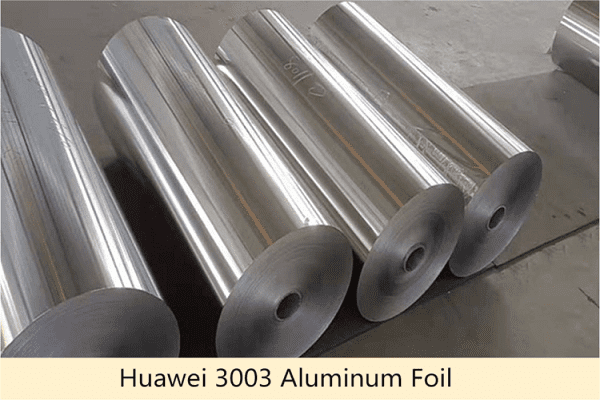
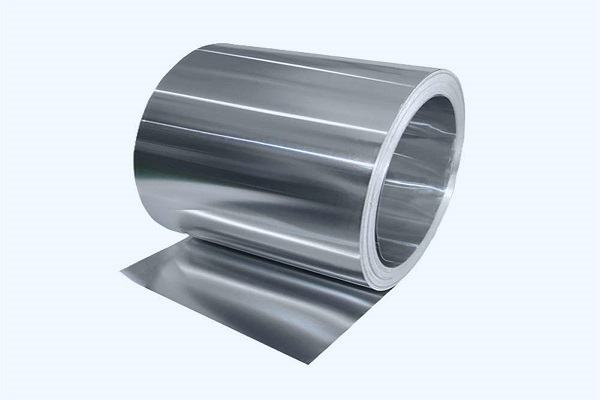
Huawei 8021 Aluminum Foil Jumbo Roll
Aplicaciones: Where 8021 O Cold Forming Aluminum Foil Shines
Food packaging and protective lids
- Blister packs and form-fill-seal (FFS) packages: the ductility and formability of 8021-O foil are advantageous for producing cavities that hold tablets or capsules with crisp edges
- Lidding foils for trays and cups: the foil’s barrier properties and seal compatibility enable secure closures, extend shelf life, and reduce moisture ingress
- Heat-sealed laminated structures: when combined with PE, PET, or PP films, 8021-O foil serves as a robust middle or outer layer in laminated packaging
Pharmaceutical and nutraceutical packaging
- Blister packs for tablets and capsules: clean sealing with reliable barrier protection
- Easy-open lidding films: users appreciate predictable tearing and easy reseal characteristics
Electronics and specialty applications
- Shielding and anti-corrosion uses in certain electronics housings and components
- Specialty packaging that requires strong barrier properties and precise forming
Beverage and other flat-pack applications
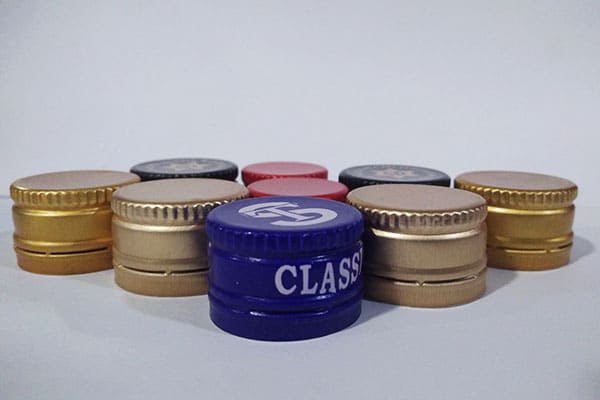
- Some beverage accessories and caps rely on thin 8021-O foils for barrier performance and compatibility with glues or heat seals
Comparative Analysis: 8021-O vs Similar Foil Alloys
To guide procurement decisions, here is a concise comparison of 8021-O with two other common packaging foils: 8011-O and 1235-O.
| Alloy and Temper | Typical Thickness Range | Primary Advantages | Common Uses | Formability Notes |
| 8021-O | 6–20 µm (some applications up to 25–40 µm) | High formability, excellent barrier performance when laminated, good sealability | Food and pharmaceutical packaging, blister packs, lidding films | Excellent deep-drawing capability in O temper; sensitive to micro-cracking at very high draw ratios |
| 8011-O | 6–20 µm | Very good formability, good ductility, strong barrier performance in laminated structures | Food packaging, flexible laminates, barrier films | Suitable for high-speed forming and widely used in consumer packaging |
| 1235-O | 6–25 µm | Excellent drawability, high ductility, good elongation | Food packaging, bread wrappers, flexible packaging, laminated foils | Excellent deep drawing with moderate barrier performance when laminated |
Notes:
– Alloys in the 8000-series share the common trait of being non-heat-treatable and highly formable, but small differences in composition lead to variations in strength, elongation, and tear resistance.
– The choice of alloy depends on the target packaging structure, required barrier performance, lamination partner, and the form geometry being produced by cold forming.
The Huawei Aluminum Advantage: A Supplier Profile
Introduction to Huawei Aluminum
Huawei Aluminum Co., Ltd. is a well-established supplier of aluminum products with a broad portfolio that includes aluminum foil, rolled products, and packaging materials.
The company’s capabilities span the production of thin-gauge foil suitable for high-precision forming, as well as thicker foils and laminated structures used in food, pharmaceutical, and industrial packaging.
Key strengths often highlighted by industry observers include:
– Integrated manufacturing capability, from extrusion/rolling to finishing and packaging film lamination
– A wide range of foil gauges, temper designs, and surface finishes to support cold forming and lamination needs
– Comprehensive quality control with traceability, standardized testing, and robust supplier audits
– Global distribution footprint and responsive customer support for packaging developers and contract manufacturers
Capabilities relevant to 8021 O Cold Forming Aluminum Foil
- Access to tight gauge tolerances and uniform thickness control across wide reels
- Surface finishes compatible with embossing, pateadura, and deep drawing
- Laminating capabilities with common polymer films and protective coatings
- Custom packaging solutions, including pre-cut shapes, hole patterns, or embedded features formed in the foil
Quality and certifications
- ISO-style quality management practices and product traceability
- Documentation support: material test reports, certificate of conformity, and process control data
- Collaboration with customers to validate seal strength, barrier performance, and compatibility with forming tooling
Hñeti: For buyers, it is advisable to request the latest supplier quality data, process capabilities, and third-party test results for specific thicknesses and temper requirements.
Huawei Aluminum’s representative can provide tailored data packages to satisfy regulatory and internal compliance needs.
Quality Assurance, Standards, and Testing
Key QA checks for 8021 O Cold Forming Aluminum Foil
- Dimensional accuracy: thickness uniformity across width, edge condition, and flatness
- Surface integrity: absence of pinholes, scratches, or inclusions that would compromise barrier or sealing
- Formability tests: trial drawings and embossing with intended tooling; verify that the foil can achieve the desired geometry without tearing
- Sealability: evaluation of heat-seal strength with the lamination adhesives and coatings used in the final package
- Lamination compatibility: adhesion tests with coating films or laminates
- Food safety and compliance: metal residue testing and compliance with food-contact regulations where applicable
Typical testing data packages from suppliers
- Thickness tolerance: ±2% or better, depending on gauge and equipment
- Tensile strength: reported for the specific lot, with standard deviation
- Elongation at break: as a percent, with measurement method described (DIN, ISO, or equivalent)
- Surface finish description and roughness (Ra or Rz)
- Heat-seal compatibility and seal strength data with specified lamination materials
Regulatory and industry standards to consider
- ISO 9001 or equivalent quality management system
- Food-contact regulations (as applicable by region), including permissible metals and alloys for specific packaging
- Material traceability requirements (lot number, batch data, and supplier certifications)
- Environmental standards for packaging materials and recycling content
Sustainability and Environmental Considerations
- Ar aluminio ar altamente reciclable; recycling preserves most alloy properties and significantly reduces energy use relative to primary production
- Packaging designers can optimize foil gauges to minimize material usage without compromising performance
- Lamination choices influence end-of-life recyclability; selecting monomaterial or easily separable laminates can improve recyclability
- Suppliers may provide recycling and sustainability data sheets, including energy consumption and emissions data for their mills
Future Trends in 8021 O Cold Forming Aluminum Foil
- Increased demand for thinner gauges in formable, laminated packaging to improve sustainability and reduce material costs
- Advances in surface engineering and coatings to enhance adhesion with heat-seal layers and coatings
- Improved data transparency from suppliers, including more comprehensive lot-specific mechanical properties and traceability
- Growth in cold forming usage for consumer packaging, premium formats, and protective packaging where precise geometry and barrier performance are critical
FAQs About 8021 O Cold Forming Aluminum Foil
Q: What does 8021-O mean, and why is O temper important for cold forming?
'Nar: 8021 is the aluminum alloy designation; “O” indicates the annealed temper, which provides maximum ductility and formability. This combination is ideal for deep drawing and precision forming required by many cold-formed packaging applications.
Q: How thin can 8021-O foil be, and what thickness is typically used for cold forming?
'Nar: Foil thickness ranges commonly from 6 Pa 20 microns for many packaging applications, with some customers using thicker gauges up to 25–40 microns for specific forms or structural needs. The exact thickness depends on the forming geometry and laminate structure.
Q: Is 8021-O foil suitable for food contact?
'Nar: Hä, 8021-O foil is widely used in food packaging, including blister packs and lidding foils. When selecting foil for food contact, verify the supplier’s food-contact compliance documentation and ensure compatibility with the intended laminate and sealant.
Q: How do I evaluate a supplier for 8021-O foil?
'Nar: Request a full material data sheet, lot-specific test reports (tensile, elongation, thickness tolerance), surface finish information, and lamination compatibility data. Ask for pilot test results on your forming tooling and a seal-strength test with your chosen laminate.
Q: What should I consider when planning a cold-forming process for 8021-O foil?
'Nar: Consider draw ratios, lubricant and friction coefficients, tool geometry, die clearance, punch geometry, and the fixture’s alignment. Ensure that the foil gauge and temper match your intended drawing depth and final geometry to avoid tearing or micro-cracking.
Q: How does Huawei Aluminum compare to other suppliers in this space?
'Nar: Huawei Aluminum is recognized for integrated manufacturing capabilities, a broad foil product portfolio, and a focus on packaging-grade foils that support forming, lamination, and sealing requirements. Prospective buyers should review the latest data packages, certifications, and customer references to assess alignment with project needs.
Conclusion
8021 O cold forming aluminum foil represents a robust solution for modern packaging challenges.
Its combination of ductility, barrier performance, and compatibility with lamination and sealing processes makes it a preferred choice for blister packs, lidding foils, and other form-intensive packaging formats.
When selecting a supplier, consider technical capability, documentation, pilot testing, and long-term reliability.
Huawei Aluminum stands out as a supplier with broad capabilities in foil production, finishing, and lamination support, offering a comprehensive package for customers pursuing cold forming solutions.
As packaging designs push toward more complex geometries, thinner gauges, and tighter tolerances, the role of 8021-O foil in cold forming will continue to grow.
The right alloy, temper, and process controls enable manufacturers to deliver high-quality products that meet safety standards, extend shelf life, and delight consumers with reliable performance.
This guide provides a practical framework to navigate specs, supplier choices, and on-site forming challenges, helping teams make informed decisions that balance performance, cost, and sustainability.
If you’re evaluating 8021-O cold forming foil for your next project, start with a clear specification, require a detailed data package from your supplier, and plan a structured pilot program that tests formability, lamination compatibility, and seal integrity under real-world conditions.
With thoughtful planning and a trusted supplier like Huawei Aluminum, you can achieve consistent quality, efficient manufacturing, and superior product protection across your packaging portfolio.
Share with PDF: Download




Contesta