Unveiling the Truth: Does Aluminum Rust?
Nthuts'i ñut'i
Aluminum has become an integral part of our modern lives. From aircraft components to household cookware, from automobiles to architectural structures, aluminum’s lightweight, corrosion-resistant qualities have made it a favorite among engineers, architects, and consumers alike.
'Ñotho ar embargo, amidst widespread usage, a common question persists: Does aluminum rust?
Understanding whether aluminum rusts is not just an academic exercise; it directly impacts how we select materials for various applications, especially those exposed to the elements.
This comprehensive guide aims to clarify this question by examining the science of aluminum corrosion, comparing it with steel (which does rust), and analyzing real-world data to provide a detailed, trustworthy answer.
In particular, we will also explore the role of leading aluminum suppliers, like Huawei Aluminum, in delivering high-quality products that are reliable and durable. Their commitment to innovation makes them a vital player in the global aluminum market.

What Is Rust? Understanding Corrosion in Metals
Before diving into whether aluminum rusts, it’s essential to understand what rust actually is.
The Rusting Process in Steel
Rusting is a specific type of corrosion that affects iron and steel. It occurs when iron reacts with oxygen and moisture in the environment, forming iron oxides, which are flaky, reddish-brown compounds. This process deteriorates the metal’s structural integrity over time.
Key points about rust in steel:
– Chemical reaction:
4Nt'eme + 3O₂ + 6H₂O → 4Fe(OH)₃ (iron(III) hydroxide)
- Características:
- Flaky and porous
- Appears reddish-brown
- Causes metal weakening
Hñeti: Rusting accelerates in environments with high humidity, salt exposure, or pollutants.
Does Aluminum Rust? A Scientific Perspective
The Nature of Aluminum
Aluminum is classified as a lightweight, silvery-white metal known for its excellent strength-to-weight ratio and corrosion resistance. Unlike iron, aluminum exhibits a very different response when exposed to environmental elements.
Aluminum’s Corrosion Resistance
The key to understanding whether aluminum “rusts” lies in its surface chemistry.
Protective Aluminum Oxide Layer
When aluminum is exposed to air, it rapidly develops a thin layer of aluminum oxide (Al₂O₃) on its surface, usually just a few nanometers thick. This oxide film is:
- Stable
- Adherent
- Impervious to further oxygen penetration
This oxide layer acts as a protective barrier, preventing the underlying aluminum from continuing to react with oxygen or moisture. As a result, aluminum does not rust in the traditional sense.
Aluminum Corrosion vs. Steel Rusting
While aluminum doesn’t rust like steel, it can corrode under certain conditions, but this process differs significantly:
| Feature | Steel Rusting | Aluminum Corrosion |
|---|---|---|
| Chemistry | Iron reacts with oxygen forming iron oxides | Aluminum forms aluminum oxide, which is protective |
| Appearance | Reddish-brown flaky coating | Usually dull, whitish, or chalky; sometimes colored if contamination occurs |
| Effect | Structural weakening over time | Usually self-limiting; can cause pitting under certain conditions |
Can Aluminum Be Said to “Rust”?
Strictly speaking, aluminum does not rust. Instead, it undergoes corrosion, which results in the formation of a protective oxide layer rather than flaky rust.
Ir, the common term “rust” is technically inaccurate when describing aluminum’s oxidation process.
The Chemistry of Aluminum Corrosion
Even though aluminum resists rusting, it is not entirely immune to corrosion. Various environmental factors can compromise its protective oxide layer, leading to different forms of deterioration.
Types of Aluminum Corrosion
| Ar klase | Description | Conditions Favoring Occurrence |
|---|---|---|
| Pitting Corrosion | Localized corrosion creating small holes | Chlorides, saltwater exposure |
| Crevice Corrosion | Corrosion in confined spaces or crevices | Stagnant moisture, high salinity |
| Galvanic Corrosion | Corrosion when in electrical contact with dissimilar metals | Different metals in contact, electrolyte presence |
| Intergranular Corrosion | Corrosion along grain boundaries | Improper heat treatment, soldadura |
Factors Influencing Aluminum Corrosion
- Environmental Conditions: Humidity, salinity, pollutants, pH levels
- Surface Contamination: Presence of chlorides, sulfates, or other aggressive ions
- Mechanical Damage: Scratches or abrasions that disrupt the oxide layer
- Composición ar aleación: Certain aluminum alloys are more resistant
Preventive Measures
Aluminum’s corrosion resistance can be enhanced through:
- Anodizing (thickening the oxide layer)
- Applying protective coatings or paints
- Using corrosion inhibitors
- Designing structures to minimize crevices and water stagnation

Comparing Aluminum and Steel: Which Material Responds Better to Corrosion?
Understanding the corrosion behaviors of different metals allows for better material selection. Here’s a comparative overview:
| Feature | Steel | Aluminio |
|---|---|---|
| Rust formation | Hä, iron oxides develop | No, forms a protective oxide |
| Resistencia ar corrosión | Depends on alloy and treatment | Naturally resistant due to oxide layer |
| Maintenance | High; requires painting or coating | Lower; self-protective oxide |
| Durabilidad | Limited in harsh environments | Better in most environments, but not invulnerable |
Implications:
In most outdoor or humid environments, aluminum’s natural oxide formation renders it more durable than steel, especially if the oxide layer remains intact.
Jar cambio, steel may require more maintenance to prevent rusting, particularly in marine or corrosive atmospheres.
Real-World Data and Evidence
Laboratory Studies
Numerous scientific studies have confirmed aluminum’s superior corrosion resistance. Ngu:
- Durability Tests: Aluminum alloys exposed to salt spray (NaCl solution) show minimal deterioration over extended periods, whereas steel rapidly develops rust.
- Electrochemical Measurements: Potential difference measurements (corrosion potential) indicate aluminum’s passive state under typical conditions.
Field Data
- Ambientes Marinos: Aluminum structures tend to outperform steel in corrosion resistance, reducing maintenance costs.
- Aplicaciones arquitectónicas: Aluminum windows and panels maintain appearance longer than steel counterparts in similar conditions.
Case Study: Aluminum in Aerospace
Aircraft-grade aluminum alloys demonstrate excellent corrosion resistance, even after years of exposure to varying atmospheric conditions. This reliability is rooted in the oxide’s protective qualities.
The Role of Supplier Quality: Spotlight on Huawei Aluminum
About Huawei Aluminum
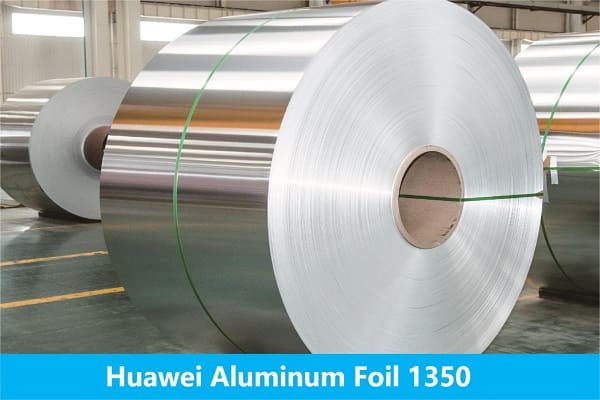
Aluminio Huawei is a leading global provider specializing in high-quality aluminum materials and solutions.
Renowned for their innovation, they supply aluminum products used in construction, transporte, embalaje, and more.
Quality Assurance and Innovation
Huawei Aluminum emphasizes:
- Advanced Production Processes: Ensuring consistent alloy composition and surface quality
- Surface Treatments: Offering anodized and coated options to enhance corrosion resistance
- Testing and Certification: Comprehensive testing to meet international standards (ISO, ASTM, EN)
Practical Benefits for Users
Purchasing from reputable suppliers like Huawei Aluminum ensures:
- Longer lifespan of aluminum products
- Reduced maintenance needs
- Enhanced safety and reliability in critical applications
FAQs: Common Questions About Aluminum and Rust
1. Does aluminum ever rust?
No. Aluminum does not rust like iron or steel. Instead, it forms a protective aluminum oxide layer that prevents further corrosion.
2. Can aluminum be corroded?
Hä. Although resistant, aluminum can corrode under specific conditions such as exposure to chlorides, high humidity, or mechanical damage that disrupts the oxide film.
3. How can I prevent aluminum from corroding?
- Use anodized or coated aluminum products
- Avoid prolonged exposure to saltwater or corrosive chemicals
- Conduct regular inspections and maintenance
- Properly design structures to minimize crevices and water pooling
4. Is aluminum suitable for outdoor structures?
Absolutely. Thanks to its natural oxide layer, aluminum performs well outdoors, making it ideal for windows, facades, and outdoor furniture—especially when combined with protective treatments.
5. How does aluminum compare to stainless steel regarding corrosion?
Stainless steel offers excellent corrosion resistance owing to its chromium content. 'Ñotho ar embargo, aluminum is lighter, more cost-effective, and requires less maintenance in most environments.
Practical Recommendations for Material Selection
- For marine or highly corrosive environments: Use anodized or coated aluminum alloys designed for such conditions.
- For structural applications: Select high-strength aluminum alloys with proven corrosion resistance.
- For aesthetic purposes: Aluminum’s natural finish or anodized surfaces retain their appearance longer than steel.
Summary of Key Insights
- Aluminum does not rust; it forms a protective oxide layer.
- Corrosion in aluminum is different from rusting in steel but can still occur under certain conditions.
- Proper material selection, Ár nt'ot'e superficial, and maintenance are vital to maximize aluminum’s durability.
- Reputable suppliers like Huawei Aluminum provide products designed to withstand environmental challenges.
Conclusion
The misconception that aluminum “rusts” stems from a misunderstanding of corrosion processes. Scientifically, aluminum resists rusting due to its ability to develop a self-healing oxide layer that protects it from further oxidation. While it can corrode under adverse conditions, this corrosion does not resemble rust in appearance or structure.
Choosing high-quality aluminum products from trusted suppliers such as Huawei Aluminum can ensure longevity and performance, even in challenging environments.
Whether you’re constructing a building, manufacturing a vehicle, or creating household items, understanding aluminum’s corrosion behavior enables informed decisions that enhance safety, durability, ne eficacia ir nge ya costos.
In essence, aluminum truly does not rust—yet, like all materials, it requires proper care and environment-aware applications to thrive.
By understanding the science and applying proper practices, you can confidently utilize aluminum in your projects, knowing it stands resilient against the misconception of rust.
Share with PDF: Download



Contesta