Оловянная фольга против алюминиевой фольги: Разоблачение мифов и различий!
Введение
На кухнях по всему миру, алюминиевая фольга является основным продуктом для упаковки, приготовление пищи, и сохранение продуктов питания. Однако, многие домашние повара и даже некоторые профессионалы часто путают его с фольгой., что приводит к неправильным представлениям об их различиях, использует, и композиции. Эта путаница связана с историческими причинами и причинами, связанными с брендом., которые мы будем исследовать с ясностью и научной точностью.
Понимание различий между оловянной фольгой и алюминиевой фольгой является не просто академическим вопросом.; это информирует о правильном использовании, соображения безопасности, и даже воздействие на окружающую среду. На протяжении всей этой статьи, мы развеем мифы, сравнить ключевые свойства, и предоставлять практическую информацию как потребителям, так и заинтересованным сторонам отрасли..

О Huawei Алюминий
Прежде чем углубляться в основную дискуссию, актуально представить Huawei Aluminium, авторитетный производитель и поставщик со штаб-квартирой в Китае., известен производством высококачественной алюминиевой продукции.
С многолетним опытом, Huawei Aluminium специализируется на прокате, покрытие, и обработка алюминиевых листов и фольги для различного промышленного применения.
Их приверженность инновациям и обеспечению качества делает их надежным источником понимания нюансов и стандартов производства алюминиевой фольги..
Историческая справка: Происхождение олова и алюминиевой фольги
Использование фольги в прошлом
Исторически, оловянная фольга была первой металлической фольгой, используемой в домашнем хозяйстве., начиная с 19 века.
Изготавливается путем раскатки тонких листов жести на гибкую основу., гибкая форма, Пик популярности оловянной фольги пришелся на начало 20 века.. Его свойства сделали его пригодным для упаковки пищевых продуктов и других бытовых применений..
Переход на алюминиевую фольгу
Однако, в начале 20 века, достижения в производстве алюминия, особенно развитие процесса Холла-Эру, резко снизило стоимость алюминия и позволило массово производить алюминиевую фольгу..
Примерно к 1910–1920-м гг., алюминиевая фольга начала заменять оловянную фольгу в коммерческих и бытовых условиях из-за превосходных свойств алюминия..
Маркетинг и заблуждения
Интересно, Термин «оловянная фольга» сохранялся в американском языке даже после того, как алюминиевая фольга стала доминирующим продуктом — во многом благодаря брендингу и привычке..
Такие бренды, как Reynolds Wrap, продолжали продавать алюминиевую фольгу. “оловянная фольга” в некоторых регионах, цементируя путаницу.

Композиция и производство: Оловянная фольга против алюминиевой фольги
Что такое оловянная фольга?
Материал: В основном состоит из олова (Сн), плотный, ковкий металл с отличной коррозионной стойкостью.
Производство: Жесть раскатывают в очень тонкие листы., которые затем разрезаются на удобные размеры. Производство требует точного контроля для обеспечения равномерной толщины и гибкости..
Что такое алюминиевая фольга?
Материал: Изготовлен из алюминия (Аль), легкий, обильный, и коррозионностойкий металл.
Производство: Алюминиевую фольгу получают путем прокатки листов алюминиевого сплава в тонкие, гибкие слои. Процесс включает в себя горячую и холодную прокатку., с последующим отжигом для сохранения растяжимости.
Сравнительная таблица: Свойства материала
| Характеристика | Оловянная фольга | Алюминиевая фольга |
|---|---|---|
| Основной материал | Олово (Сн) | Алюминий (Аль) |
| Плотность | 7.29 г/см³ | 2.70 г/см³ |
| Диапазон толщины | 0.15–0,20 мм (исторический) | 0.005–0,02 мм (современная фольга) |
| Устойчивость к коррозии | Хороший, но меньше, чем алюминий | Отличный |
| Расходы | Выше, из-за редкости и производства | Ниже, из-за изобилия и массового производства |
| Гибкость | Хороший, но меньше, чем алюминий | Превосходная гибкость и растяжимость |
| Возможность вторичной переработки | Ограничен; олово меньше перерабатывается | Высокая степень вторичной переработки |
Практические различия и использование
Долговечность и гибкость
- Оловянная фольга менее гибок и более склонен к растрескиванию, главным образом из-за ее хрупкости по сравнению с алюминиевой фольгой.
- Алюминиевая фольга предлагает превосходную гибкость, что делает его пригодным для упаковки и придания формы пищевым продуктам или контейнерам..
Безопасность пищевых продуктов и токсичность
- Оловянная фольга может образовывать тонкий оксидный слой, но исторически, он содержал следы олова вместе с примесями, вызывает проблемы со здоровьем при неправильном использовании.
- Алюминиевая фольга, при использовании по назначению, представляет минимальный риск для здоровья. Его инертная природа предотвращает попадание вредных веществ в пищу..
Жаростойкость и применение в кулинарии
- Оловянная фольга имеет сопоставимую термостойкость, но сегодня реже используется в кулинарии..
- Алюминиевая фольга выдерживает высокие температуры, что делает его пригодным для запекания в духовке, гриль, и приготовление пищи в микроволновке (с особыми мерами предосторожности).
Воздействие на окружающую среду
- Переработка алюминиевой фольги проста и экологически выгодна благодаря высокой пригодности алюминия к вторичной переработке..
- Возможность вторичной переработки оловянной фольги более ограничена, и утилизация часто приводит к менее эффективному управлению отходами..

Распространенные мифы и заблуждения
Оловянная фольга и алюминиевая фольга — одно и то же
Реальность: Хотя современный “оловянная фольга” преимущественно алюминий, этот термин сохраняется из-за брендинга и привычки. Настоящая оловянная фольга, из жести, сегодня используется редко из-за стоимости, доступность, и вопросы безопасности.
Оловянная фольга безопаснее, чем алюминиевая фольга
Реальность: Оловянная фольга может содержать примеси и менее подходит для современных кулинарных нужд.. Алюминиевая фольга, При правильном использовании, безопасен и одобрен органами по безопасности пищевых продуктов по всему миру.
Алюминиевая фольга выделяет вредные химические вещества в пищу
Реальность: При нормальных условиях приготовления, алюминий не попадает в пищу в вредных количествах. Регулирующие органы, такие как FDA и EFSA, одобряют его безопасное использование..
Алюминиевая фольга лучше подходит для приготовления пищи, чем оловянная фольга
Реальность: Учитывая, что оловянная фольга в значительной степени устарела, алюминиевая фольга — практичный и безопасный выбор для большинства применений., включая приготовление при высокой температуре.
Практическое применение и рекомендации
| Приложение | Рекомендуемый материал | Обоснование |
|---|---|---|
| Пищевая упаковка | Алюминиевая фольга | Гибкость, безопасность, доступность |
| Подкладка для пирога или печенья | Алюминиевая фольга | Термостойкость, простота формирования |
| Хранение и консервация | Алюминиевая фольга | Барьерные свойства, долговечность |
| Исторические или декоративные цели | Оловянная фольга (редкий, для конкретного искусства или исторических реконструкций) | Подлинность или эстетический выбор |
Советы по безопасному использованию алюминиевой фольги
- Не используйте алюминиевую фольгу в микроволновых печах, если она специально не предназначена для использования в микроволновой печи..
- Не используйте фольгу для покрытия продуктов, выделяющих кислый сок. (например, помидоры или цитрусовые) на продолжительные периоды, так как это может вызвать небольшое выщелачивание.
- При упаковке еды, обеспечить плотную герметизацию для предотвращения загрязнения и сохранения свежести.
Роль Huawei Aluminium в промышленности и обеспечении качества
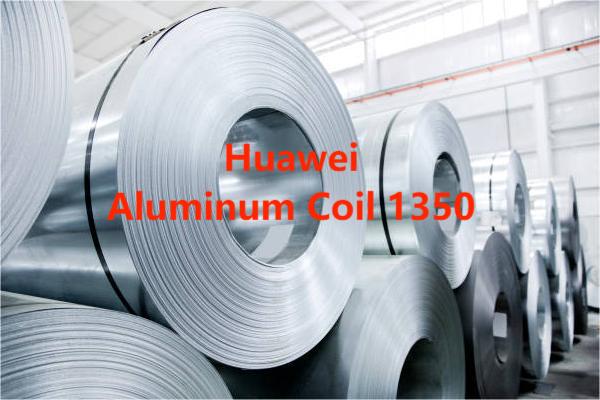
Huawei Aluminium поставляет высококачественную алюминиевую фольгу, используемую в различных отраслях промышленности., включая упаковку для пищевых продуктов, электроника, и строительство.
Их производственные стандарты соответствуют международным нормам, таким как ASTM., ИСО, и стандарты Великобритании, подчеркивая:
- Постоянный контроль толщины: Обеспечивает надежную работу в различных приложениях..
- Качество поверхности: Гладкий, бездефектная поверхность без ямок, царапины, или коррозия.
- Экологическая ответственность: Подчеркивая возможность вторичной переработки, экологически чистые производственные процессы.
Их опыт помогает отраслям повышать эффективность, безопасность, и устойчивость, что делает их лидером в производстве алюминиевой фольги во всем мире..
Сравнение марок и качества алюминиевой фольги
| Бренд/Производитель | Материальная чистота (%) | Допуск по толщине | Возможность вторичной переработки | Ценовой диапазон | Примечательные особенности |
|---|---|---|---|---|---|
| Хуавей Алюминий | >99.5% | ±0,001 мм | Высокий | Конкурентоспособный | Высококачественная консистенция, экологически чистый |
| Обертывание Рейнольдса (США) | >99.7% | ±0,001 мм | Высокий | Премиум | Надежный, широко распространенный бренд |
| Небрендовые или дженерики | Варьируется | ±0,002 мм | Умеренный | Ниже | Переменное качество, рекомендуется осторожность |
Выбор подходящей алюминиевой фольги зависит от предполагаемого использования., бюджет, и стандарты качества. Всегда проверяйте наличие сертификатов и соответствие соответствующим нормам безопасности пищевых продуктов..
Соображения по охране окружающей среды и безопасности
Переработка алюминиевой фольги
- Процесс переработки: Алюминиевую фольгу переплавляют и перерабатывают в новые алюминиевые изделия..
- Экологическая выгода: Переработка экономит 95% энергии, необходимой для производства первичного алюминия.
- Совет пользователю: Очистите фольгу перед переработкой, чтобы избежать загрязнения..
Советы по безопасности для потребителей
- Не заворачивайте сильнокислые продукты в фольгу на длительное время..
- Используйте подходящую посуду и избегайте неправильного использования, которое может привести к загрязнению пищевых продуктов..
- Храните продукты в соответствующих контейнерах, прежде чем заворачивать их в фольгу, чтобы предотвратить перекрестное загрязнение..
Часто задаваемые вопросы
Есть ли еще оловянная фольга на рынке??
Отвечать: Настоящая оловянная фольга в значительной степени устарела и редко доступна в продаже.. Большинство “оловянная фольга” в магазинах вообще-то алюминиевая фольга, часто так называют.
Можно ли использовать алюминиевую фольгу в микроволновой печи?
Отвечать: Да, но с осторожностью. Используйте алюминиевую фольгу, пригодную для использования в микроволновой печи, только в том случае, если это явно рекомендовано производителем прибора., и убедитесь, что он не касается стенок микроволновой печи, чтобы избежать искр..
Вызывает ли алюминиевая фольга болезнь Альцгеймера??
Отвечать: Современные научные данные не подтверждают прямую связь между использованием алюминиевой фольги и болезнью Альцгеймера.. Регулирующие органы подтверждают его безопасность при правильном использовании..
Существуют ли экологически чистые альтернативы алюминиевой фольге??
Отвечать: Да. Варианты включают обертывания из пчелиного воска., силиконовые чехлы для еды, и многоразовые повязки из силикона или нержавеющей стали., которые уменьшают количество отходов и воздействие на окружающую среду.
Заключение
Погружение в различия и мифы, окружающие оловянная фольга против алюминиевая фольга показывает, что, на практике, Наша современная кухня в основном использует алюминиевую фольгу из-за ее превосходных качеств и профиля безопасности.. Хотя оловянная фольга имеет историческое значение, его использование стало по большей части пережитком прошлого.
Разбираемся в составе, производственные процессы, Правильное применение алюминиевой фольги дает потребителям и профессионалам возможность делать осознанный выбор..
По мере развития производственных стандартов и экологических соображений, авторитетные поставщики, такие как Huawei Aluminium, продолжают внедрять инновации, обеспечение высококачественной продукции из алюминиевой фольги, соответствующей мировым стандартам безопасности и устойчивого развития..
По сути, заворачивать ли остатки, выпечка, или промышленная упаковка, алюминиевая фольга остается универсальным, безопасный, и экологичный инструмент — развернутый и готовый к следующей кулинарной или промышленной задаче..
Примечание: Для тех, кто заинтересован в поиске высококачественной алюминиевой фольги., всегда проверяйте полномочия поставщика и соблюдение отраслевых стандартов.. Huawei Aluminium демонстрирует стремление к совершенству, предоставление надежных продуктов для различных применений по всему миру.
Поделиться с PDF: Скачать



оставьте ответ