8011 H18 PTP Foil for Tablet Blister
Overview
Tablet blister packaging relies on a precise balance of barrier properties, tätningsstyrka, compatibility with form-fill-seal (FFS) machines, och tryckbarhet. Among the material choices, 8011 H18 PTP foil stands out for its combination of high aluminum content, strong barrier performance, robust sealability, and process reliability. This blog explores the science, teknik, and practical considerations behind 8011 H18 PTP foil for tablet blisters, with a particular focus on the supply and capabilities of Huawei Aluminum, a leading supplier in pharmaceutical foil technology.
This article blends technical detail, practical guidelines, supplier context, and market perspective to help pharmaceutical packaging engineers, procurement professionals, and line operators make informed decisions. It includes comparative analysis with similar products, tables of key specifications, and a Q&A designed to support day-to-day decision making.
Introduction to the Packaging Challenge
Tablet blisters protect sensitive drugs from moisture, syre, ljus, and mechanical damage while enabling precise dose control and easy patient access. The lidding foil—the material that seals the blister pocket to the cavity-forming lidding layer—must provide:
- Excellent moisture and gas barrier to maintain drug stability.
- Consistent heat-seal performance across machine lines and varying environments.
- Compatibility with the blister film (often PVC/PVDC or PE/PVC/PE combinations) and with downstream packaging processes.
- Printability or decorative options when branding is required.
- Mechanical integrity during storage, distribution, and field handling.
Historiskt sett, manufacturers relied on standard aluminum foil in a variety of tempers and compositions. In recent years, 8011 aluminum alloy in H18 temper has become a favored choice for PTP (Pressed Through Pack) lidding foils due to its high aluminum content, god formbarhet, strong sealing behavior, and compatibility with common lamination strategies used in blister packaging.
Huawei aluminium, a global supplier with a deep portfolio in pharmaceutical packaging materials, positions 8011 H18 PTP foil as a practical and reliable option for tablet blisters. The company emphasizes material consistency, tight process controls, and traceable supply chains—all critical in regulated pharmaceutical environments.
Egenskaper och prestanda för 8011 H18 PTP Foil
Nyckelegenskaper hos 8011 H18 Foil
- Legering och temperament: 8011 with H18 temper. The H18 temper is a work-hardened state that balances high strength with adequate formability for foil operations, especially when forming into uniform lidding leaves and achieving repeatable seals on blister cavities.
- Purity and composition: Al content is near-100% with ultra-pure impurities, which supports high barrier performance and printability, while maintaining ductility for stamping, cupping, and sealing.
- Tjockleksområde: Typical lidding foil in PTP applications ranges from roughly 0.018 mm till 0.030 mm (18–30 micrometers), though some lines may use up to 0.040 mm for special requirements. Huawei Aluminum commonly offers a tailored thickness program aligned to customer machine geometry and sealing profiles.
- Formability and sealability: The foil must seal consistently to the forming film, whether heat-sealed to PVC, PVDC, SÄLLSKAPSDJUR, or laminated foil structures. H18 temper offers sufficient strength to resist tearing during roll handling yet remains pliable enough to create uniform heat seals at controlled temperature windows.
Tabell: Representative ranges for 8011 H18 PTP foil (typical industry expectations)
– Egendom: Tjocklek
– Räckvidd: 0.018–0.040 mm
– Egendom: Draghållfasthet (typisk)
– Räckvidd: 120–180 MPa
– Egendom: Sträckstyrka (typisk)
– Räckvidd: 60–100 MPa
– Egendom: Förlängning vid brott (typisk)
– Räckvidd: 3–10 %
– Egendom: Seal temperature window
– Räckvidd: 140–210°C (temporary window depends on laminate and coating)
– Egendom: Barriärprestanda (WVTR)
– Räckvidd: 0.2–1.0 g/m2/day (depends on testing conditions and lamination)
– Egendom: Barriärprestanda (OTR)
– Räckvidd: 0.1–0.9 cm^3/m^2/day (at tests around 23–38°C, 0–90% RH)
Anteckningar:
– Exact values depend on thickness, ytbehandling, lacquering/printing configurations, and whether the foil acts alone or as part of a laminated lidding structure.
– The numbers above are representative ranges drawn from industry specifications and supplier data provided by manufacturers like Huawei Aluminum.
Barrier Properties and Stability
För farmaceutiska tillämpningar, barrier properties translate into drug shelf life. Two main metrics matter:
- Överföringshastighet för vattenånga (WVTR): Lower WVTR implies less moisture ingress, preserving drug integrity, especially for hygroscopic formulations.
- Syreöverföringshastighet (OTR): Low OTR helps protect oxidation-sensitive actives and limits hydrolysis of moisture-sensitive drugs.
PTP foils can be bare aluminum or laminated with polymeric layers that further tune barrier performance. The aluminum foil itself provides a robust metallic barrier, while polymeric coatings or lacquers can tailor surface energy, tryckbar, and heat-seal behavior. Huawei Aluminum’s PTP foil program often involves a base 8011 H18 foil combined with controlled surface coatings or lacquers per customer specification.
Sealing is a central performance determinant. The seal strength must:
- Ensure an airtight lid under normal handling and storage.
- Allow easy opening by consumers without revealing contamination or compromising contents.
- Withstand the mechanical stresses of packaging lines (stacking, vibration, pallet handling) and the temperature/ humidity variations of distribution.
A practical measure is the hot-tack or initial seal strength at an established seal temperature, with peel strength measured after cooling. For PTP foils, this parameter is tuned by adjusting lamination, ink or lacquer layer, and any surface treatments on the foil.
Printability and Decorative Options
Tablet blisters often carry patient instructions, lot numbers, expiry dates, and branding. 8011 H18 foil used in PTP applications may be supplied with:
- Lacquer coatings that improve heat seal compatibility with the laminate film and enhance print performance on the foil side or the lacquered side.
- Printed text or matte finish for improved readability and anti-counterfeiting features.
- Non-printed foil when the blister pack design calls for external printing on the primary film instead of the foil.
Huawei Aluminum provides options for lacquered and/or printed foils, along with color-matched finishes and high-contrast print lithography in a way that supports regulatory labeling requirements.
Varför 8011 H18 PTP Foil for Tablet Blisters
Advantages in Tablet Packaging
- High aluminum content yields strong barrier characteristics and predictable performance across different storage environments.
- H18 temper ensures a robust but formable foil, enabling consistent sealing in high-speed blister lines.
- Compatibility with a broad range of blister laminate structures simplifies supplier qualification and line setup.
- The metal surface of 8011 foil supports reliable printing and coating adhesion when lacquered or pre-printed foils are required.
- Good formability helps maintain registry of printed areas and reduces the risk of tearing or wrinkling when forming the blister cavities.
Practical Considerations for Procurement and Manufacturing
- Material compatibility with commonly used lidstock films (PVC, PVDC, SÄLLSKAPSDJUR, LDPE, and polyolefin-based laminates) is essential. The foil’s surface energy and coating compatibility influence adhesion strength and seal integrity.
- Machine and process windows: Seal temperature, dwell time, and sealing pressure must be optimized for the foil-lidstock combination. The temper and thickness play key roles in achieving stable seals without scorching the polymer layer or causing foil delamination.
- Måtttoleranser: Tight thickness control and flatness reduce misalignment across high-speed lines, which improves yield and reduces rejects from mis-sealing or missing seals.
- Regulatory alignment: Suppliers with GMP-like quality systems, spårbarhet, and audits support faster qualification by pharmaceutical manufacturers. Huawei Aluminum highlights its quality control processes and certifications as part of its value proposition.
Operational Scenarios and Recommendations
- For standard single-dose tablets with moderate moisture sensitivity, 0.025–0.030 mm foil thickness paired with a PVDC-containing laminate provides strong barrier performance and reliable seals.
- For moisture-sensitive or oxygen-sensitive formulations, consider laminate stacks with additional polymer barrier layers (till exempel, PVDC or aluminum-coated polyolefins) to further reduce WVTR and OTR.
- If the packaging line experiences frequent foil tears at the perforation or scoring zones, evaluate foil gauge, efterbehandling (bright vs. matt), and surface treatment to reduce edge defects and improve forming performance.
Huawei aluminium: A Premier Supplier of Pharmaceutical Foil
Om Huawei Aluminium
Huawei Aluminum is a leading global producer of aluminum foil and foil-based packaging solutions. Företaget understryker:
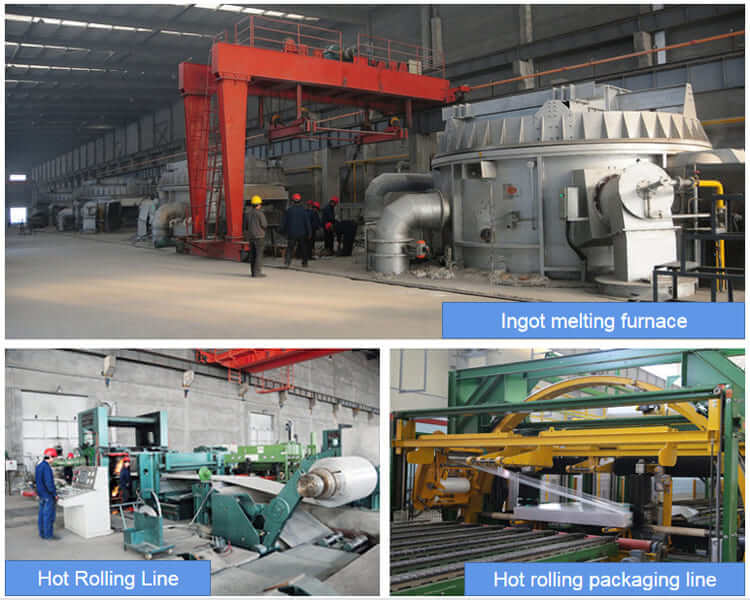
- A vertically integrated supply chain—from ingot casting to rolled foil production and finishing.
- A dedicated pharmaceutical packaging portfolio, inklusive 8011 and other alloys tailored for PTP and blister packaging.
- Robust quality systems, with process controls designed for traceability, konsistens, och regelefterlevnad.
- Global logistics and regional service centers that support quick lead times and local customer support.
With decades of experience in foil manufacturing, Huawei Aluminum positions itself as a partner capable of meeting the stringent demands of pharmaceutical customers, from material grade and temper to coating, utskrift, and final in-line performance on blister machines.
Capabilities for Pharma Foil
- Alloy options: 8011 and related 8xxx series tailored for blister lidding applications.
- Temper options: H18 and related tempers to balance strength and formability for consistent seal behavior.
- Thickness customization: Broad range across 0.018–0.040 mm with tight tolerances to meet specific machine requirements.
- Ytbehandlingar: Lacker, beläggningar, or print-ready surfaces designed for adhesion with lamination films and downstream printing.
- Kvalitetssäkring: In-line monitoring, batch spårbarhet, materialcertifikat, and regulatory-compliant documentation that supports qualification.
Kvalitet och efterlevnad
Huawei Aluminum emphasizes rigorous QA processes, inklusive:
- Incoming material inspection and in-line metallurgical checks.
- Process controls across rolling, glödgning, and tempering to ensure stable mechanical properties.
- Surface quality checks for printability and coat adhesion.
- Documentation for customers: certificates of analysis (CoA), material safety data, and process traceability.
For pharmaceutical customers, Huawei Aluminum highlights its alignment with GMP-like quality practices, adherence to international standards for packaging materials, and the ability to provide documentation to support regulatory submissions.
Global Supply Chain and Sustainability
- Global footprint: The company maintains production and logistics capabilities in key regions to support lead times and supply reliability.
- Hållbarhet: Aluminum foil manufacturing emphasizes energy efficiency, avfallsminskning, and recycling; many suppliers in the sector actively pursue energy-minimization strategies and waste heat recovery to reduce carbon footprint.
- Kundsupport: Huawei Aluminum offers technical support, process optimization guidance, and on-site assistance to ensure proper integration of 8011 H18 PTP foil into existing lines.
Comparative Landscape: 8011 H18 PTP Foil vs Alternatives
Why Compare? Key Decision Factors
- Barrier requirements: How much WVTR/OTR is needed for the drug product and climate conditions?
- Förseglingsbarhet: Are the lidding systems matched to standard PVDC/PET laminates or require specialized coatings?
- Formbarhet: Does the forming line require a more or less flexible foil temper?
- Cost and lead time: How does the 8011 H18 foil compare to other alloys (till exempel, 1100, 8011 H16) in price and supply reliability?
- Regulatory and quality considerations: How do suppliers manage documentation, spårbarhet, and GMP-compliant processes?
Tabell: Comparative Overview of Foil Options for Tablet Blisters
| Egendom / Option | 8011 H18 PTP Foil (Huawei aluminium) | 8011 H16 O-temper Foil | 1100 O-temper Foil | 8021 H24/H26 Foil (Alternativ) |
|---|---|---|---|---|
| Legeringsfamilj | 8011; high Al content | 8011; softer temper | 1100; pure Al | 8021; higher hardness for improved formability and strength |
| Humör | H18 | H16 (semi-drawn) | O (mjuk) | H24/H26 (arbetshärdade) |
| Typical thickness | 0.018–0.030 mm (range) | 0.018–0.030 mm | 0.018–0.025 mm | 0.020–0.040 mm |
| Barriärprestanda | Strong WVTR/OTR depending on lamination | Good barrier with laminate tuning | Måttlig barriär; often laminated with PVDC/PET | Variabel; depends on laminate; can be higher for thicker foil |
| Förseglingsbarhet | Excellent with standard blister laminates | Good sealability; may require process optimization | Variabel; alignment with film tough to guarantee | Good sealability with optimized seal parameters |
| Formbarhet | Hög; well-suited to high-speed lines | Måttlig; more sensitive to forming stresses | Higher ductility; easier forming | Moderate to high depending on temper and lamination |
| Tryckbarhet / surface | Compatible with lacquers and coatings | Good printability with standard coatings | Dependent on surface treatment | Good printability with appropriate lacquers |
| Typiska applikationer | Tablet PTP lidding; high-density packaging | Standard PTP with common laminates | Simple PTP with minimal barrier needs | High-barrier or specialized packaging needs |
Anteckningar:
– The table reflects general trends and typical industry experience. Specific performance will depend on exact foil thickness, ytbehandling, laminering, and the blister line configuration.
– Huawei Aluminum’s 8011 H18 PTP foil line is positioned to deliver consistent performance across a wide range of blister configurations, including high-speed lines and demanding moisture-sensitive products.
Alternatives in the Market
- 8011 H16 or O-temper foils: Softer temper, slightly lower strength but excellent ductility. Useful when a slower forming rate or different line geometry exists, though barrier performance may need more robust laminate support.
- 1100-series foils: Mycket hög duktilitet, easy to form but typically lower barrier performance without added barrier laminates.
- 8021 and other alloys in higher temper: Can offer improved surface finish and certain mechanical properties, but cost and availability vary by supplier and region.
Compared to these alternatives, 8011 H18 PTP foil generally provides a balanced combination of barrier, formbarhet, and seal performance, making it a popular choice for many tablet blister applications. Huawei Aluminum’s positioning in this space emphasizes supply reliability, consistent temper control, and tailored thickness options to meet the needs of different packaging lines.
Tillverkning och kvalitetskontroll: From Alloy to Final Lidding Foil
The Production Pathway
- Ingot casting and casting quality control.
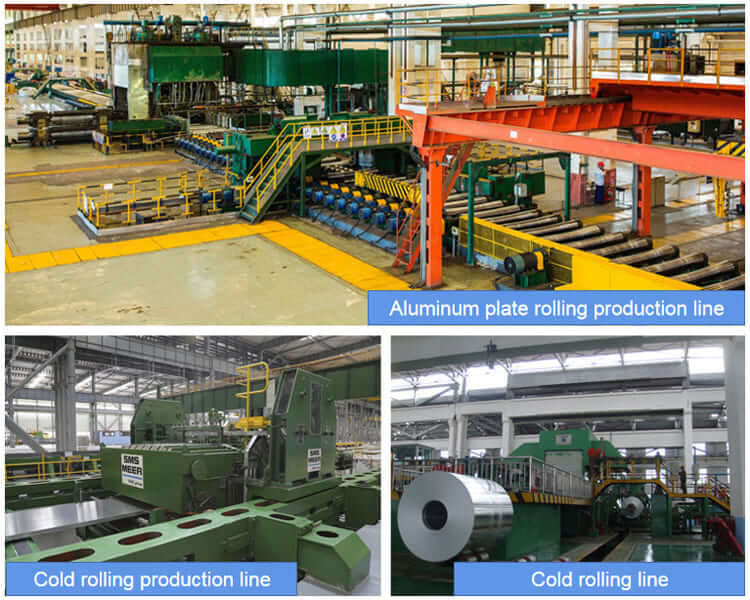
- Primary rolling: producing thin foil stock with rough surface and initial mechanical properties.
- Kallrullning och temperering: achieving the H18 temper, strengthening the foil without excessive work-hardening that would hamper formability.
- Ytförberedelse: key to lacquer adhesion, utskrift, and lamination compatibility.
- Beläggning, lackering, eller utskrift (om det behövs): creating a surface that accepts inks or lacquers, or applying a protective lacquer layer to improve hermetic sealing and print durability.
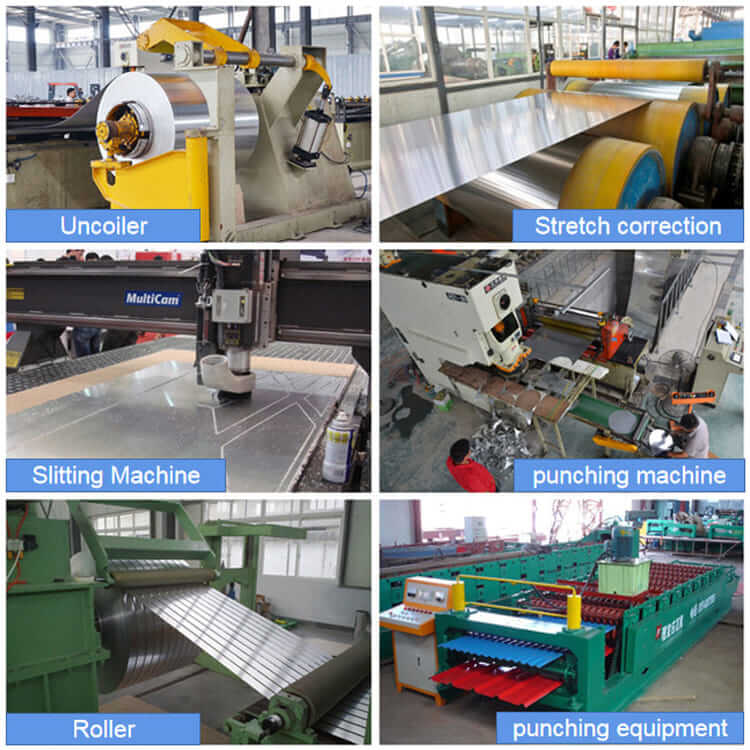
- Cut to order and winding: converting sheets into precise reels suitable for pharmaceutical packaging lines.
- Quality checks and certification: ensuring the material meets customer specs and regulatory requirements.
Surface Treatments and Lamination Compatibility
- Lackering: Coating foils with heat-seal lacquers or protective layers designed to enhance seal performance and adhesion with laminate films.
- Utskrift: Making can-ready surfaces for patient-facing information, lot/batch codes, and branding.
- Laminates: Foils are commonly used as lids in laminated structures (foil-based lidding coupled to PVC, PVDC, SÄLLSKAPSDJUR, LDPE, or other polymeric laminates). The foil’s surface energy and adhesion properties determine how well it adheres to the laminate, which directly influences seal integrity.
Testing and Certifications
- Mekanisk testning: Draghållfasthet, sträckgräns, and elongation to confirm temper consistency and performance.
- Dimensionskontroller: Tjocklekstolerans, flathet, and surface finish as specified by the customer.
- Barriärtestning: WVTR and OTR to verify barrier performance relative to the laminate.
- Seal tests: Heat-seal strength (hot-tack), peel strength after cooling, and seal integrity under accelerated aging conditions.
- Regulatory documentation: Certificates of analysis (CoA), materialsäkerhetsdatablad (MSDS), and process traceability records to support regulatory submission.
- Compliance frameworks: ISO 9001 or equivalent quality management practices, GMP-adjacent controls relevant to pharmaceutical packaging, and supplier audits.
Huawei Aluminum emphasizes a rigorous quality culture, with process controls designed to meet pharmaceutical packaging standards, ensuring consistent performance across lots and enabling quicker qualification by drug manufacturers.
Market Trends, Demand, and Use Cases
Global Demand for Tablet Blister Foil
- The global pharmaceutical packaging market continues to grow, driven by rising medication use, aging populations, and increasing emphasis on patient safety and medication integrity.
- High-barrier packaging foils, especially those with aluminum content and well-tuned laminates, are favored for moisture-sensitive and oxygen-sensitive formulations (till exempel, antibiotika, biologics in certain forms, and humidity-labile nutraceuticals).
Use Cases and Case Studies
- High-potent or moisture-sensitive formulations: 8011 H18 PTP foil is often selected for products requiring robust barrier performance without demanding overly thick foils that might hinder line performance.
- Brands prioritizing patient safety and counterfeit resistance: Foil with laser etching, specialty lacquer finishes, and precise printability supports traceability and brand integrity.
- Lines with mixed products: A supplier offering a flexible foil program, som Huawei Aluminium, can simplify qualification when a pharmaceutical company runs multiple SKUs with different packaging needs.
Sourcing Considerations
- Supplier reliability: The pharmaceutical supply chain demands consistent lead times and the ability to handle large-volume orders.
- Dokumentation: Having a supplier that provides CoAs, GMP-aligned quality processes, and full traceability accelerates regulatory submissions and line qualification.
- Teknisk support: Access to technical support for process optimization, on-site trials, and line compatibility is critical for new packaging projects.
Practical Guidelines for Buyers: Specifying and Qualifying 8011 H18 PTP Foil
How to Specify 8011 H18 PTP Foil
- Legering och temperament: 8011 H18.
- Tjocklek: Specify the exact thickness (till exempel, 0.025 mm) and allowable tolerance (till exempel, ±0,002 mm).
- Ytbehandling: Lacquered, tryckt, or bare with lamination-ready surface, as required.
- Lamineringskompatibilitet: Confirm compatibility with the specific blister laminate (PVC, PVDC, SÄLLSKAPSDJUR, LDPE) and film thickness. Include target seal strength and seal temperature range.
- Barrier requirements: Define WVTR and OTR targets based on product stability data and storage conditions.
- Måtttoleranser: Winding diameter, flathet, and edge quality tolerances.
- Dokumentation: Request CoA, MSDS, and batch-level traceability.
Seal System Compatibility and Process Windows
- Seal temperature: Establish a target seal temperature based on the lamination combination and the blister machine’s sealing zone. Typical ranges vary by laminate, but a starting point is around 170–200°C for many PVDC-containing laminates, with dwell times adjusted for line speed.
- Sealing pressure and dwell time: Collect data across different line speeds to ensure consistent seals without foil tearing or laminate delamination.
- Post-sealing handling: Evaluate cooling rates and any post-seal handling requirements to prevent deformation and ensure stable lids.
Packaging Design Considerations
- Branding and legibility: If printing on the foil, ensure legible lot/expiry codes in a high-contrast color against the foil’s surface under expected light exposure.
- Product stability: Align barrier properties with drug stability data, storage conditions, and shelf-life requirements.
- Föreskriftsmärkning: Confirm that the foil and laminate stack supports regulatory labeling (till exempel, scannable codes, batch spårbarhet) within the packaging design.
Supplier Qualification and Trials
- Small-scale trials: Run pilot line trials to verify seal integrity, packaging reliability, and product compatibility.
- Stability testing: Perform accelerated aging studies to verify how the lidding foil stack behaves under temperature and humidity stress for the drug formulation.
- Documentation and audits: Ensure the supplier can provide all required regulatory documentation and responses to supplier audits.
Sustainability and Life Cycle Considerations
Environmental Impact of Foil Packaging
- Aluminiumfolie är mycket återvinningsbar, which can contribute to circular economy goals if captured and recycled properly in packaging waste streams.
- The energy intensity of aluminum production is significant; dock, recycling aluminum uses far less energy than primary production, reducing overall environmental impact.
Waste Reduction and Process Efficiency
- Packaging engineers can optimize foil thickness and laminate structures to balance barrier needs with material usage, potentially reducing waste in both the foil and the laminate layers.
- On-line quality control and real-time feedback help minimize scrap from seal failures, misalignment, or defective foil edges, improving overall yield.
End-of-Life Considerations
- Some blister packs are difficult to separate into recyclable streams due to composite laminates. Packaging designers aim to use materials that either support easy recycling or align with local waste management practices.
- Suppliers like Huawei Aluminum can help customers design packaging that maximizes recyclability, or at least minimizes waste in the sealed foil-lidstock assembly, by selecting lamination structures with better separation characteristics.
Vanliga frågor: Quick Answers for Practitioners
- What is the primary advantage of 8011 H18 foil for tablet blisters?
-
It provides strong barrier performance, good heat-seal behavior with common laminates, and reliable mechanical properties that suit high-speed blister lines.
-
How does H18 temper affect sealing and formability?
-
H18 is a work-hardened temper that increases strength and compatibility with forming processes, while maintaining enough flexibility for clean seals and preventing tearing.
-
Burk 8011 H18 foil be used with both PVC and PVDC laminates?
-
Ja. 8011 H18 foil is compatible with many common laminate structures, but sealing parameters and adhesion depend on the laminate’s composition and surface treatments.
-
What thickness should I select for a standard tablet blister?
-
A typical thickness is in the range of 0.020–0.030 mm. Exact thickness should be selected based on machine sealing windows, laminera, and product stability requirements.
-
How important is supplier qualification for pharmaceutical packaging components?
-
It is essential. The packaging’s performance directly affects drug stability, patient safety, och regelefterlevnad. Partner with suppliers offering traceability, CoA, GMP-like processes, and robust technical support.
-
What role does Huawei Aluminum play in the supply chain?
-
Huawei Aluminum provides 8011 H18 PTP foil with specified thickness options, ytbehandlingar, and lamination compatibility. They emphasize quality control, regulatory documentation, and global support to help customers qualify and scale production.
-
How can I evaluate barrier performance for a PTP foil in a given drug product?
-
Work with your formulation scientists to determine the drug’s sensitivity to moisture and oxygen, then specify WVTR/OTR targets based on the drug’s stability profile, expected storage conditions, and shelf-life. Validate with accelerated aging tests on the final laminate.
-
Are there sustainability advantages to choosing PTP foil from Huawei Aluminum?
- Aluminium är mycket återvinningsbart, and choosing a foil supplier with efficient processes and waste-reduction strategies can reduce the environmental impact of packaging. Huawei Aluminum emphasizes process controls and sustainability in its manufacturing program.
Case Studies and Practical Examples
To illustrate how 8011 H18 PTP foil can be applied in real-world scenarios, here are representative use cases and the considerations they trigger:
- Case A: Moisture-sensitive antibiotic tablets
- Requirements: Hög barriär, robust seal with PVDC-containing laminate, stable adhesion, and readability of lot codes.
-
Approach: Use 0.025–0.030 mm 8011 H18 foil with a PVDC-based (or PVDC/PET) laminate stack. Verify seal strength across a range of 170–190°C, with dwell time optimized for line speed. Confirm WVTR/OTR targets through accelerated aging.
-
Case B: Multiform product line with mixed SKUs
- Requirements: Unified foil platform to reduce qualification burden across products.
-
Approach: Select 8011 H18 foil in a thickness that matches the most stringent line requirement, and coordinate with the laminates to tailor barrier performance, tryckbar, and seal windows for all SKUs. Use a standard lacquer or printing approach compatible with different medicines.
-
Case C: Branding-focused packs with patient-facing details
- Requirements: High-quality printability and branding on the foil, plus reliable seals.
- Approach: Use lacquered foil with a premium surface finish that supports clear, high-contrast printing. Ensure printing adhesion is established through prequalification tests and align with regulatory labeling requirements.
These illustrative cases underscore how 8011 H18 PTP foil can be integrated into a broader packaging system, balancing standardization with product-specific customization.
Sammanfattning: Practical Takeaways for Engineers and Buyers
- 8011 H18 PTP foil delivers a robust balance of barrier performance, formbarhet, and sealing reliability, making it a practical choice for many tablet blister applications.
- Huawei Aluminum offers a comprehensive program for 8011 H18 PTP foil, including thickness options, ytbehandlingar, and lamination compatibility, supported by quality systems and global support.
- When specifying foil, focus on alloy and temper, tjocklekstolerans, ytbehandling (lacquer/print), laminatkompatibilitet, and barrier targets (WVTR/OTR). Establish a clear seal window and process window for your blister line.
- Consider sustainability and end-of-life implications, aligning foil selection with recyclability goals and local waste-management capabilities.
- Use pilot trials to validate performance across sealing temperatures, line speeds, and product variants before committing to large-scale production.
Sista tankar: Varför 8011 H18 PTP Foil Is a Strong Choice for Tablet Blisters
Tablet blister packaging is a high-stakes domain where material selection directly affects product stability, patient safety, brand integrity, and operational efficiency. De 8011 H18 foil offers a compelling combination of barrier protection, mechanical robustness, and compatibility with standard blister laminates. When coupled with a trusted supplier like Huawei Aluminum—known for process discipline, spårbarhet, and regulatory-conscious support—the 8011 H18 PTP foil becomes not just a material choice but a strategic element in a pharmaceutical packaging program.
For packaging engineers and procurement teams, the path to success includes:
– Aligning foil specifications to the target drug’s stability profile.
– Working closely with the foil supplier to tailor thickness, beläggningar, and laminate compatibility.
– Performing rigorous lineTrials to validate seal strength, barriärprestanda, och tryckbarhet.
– Maintaining a strong focus on quality documentation and regulatory readiness to facilitate faster product approvals and market access.
If you’re considering upgrading or qualifying a new foil for tablet blisters, 8011 H18 PTP foil from Huawei Aluminum represents a credible option worth evaluating in your next packaging project. Engaging early with suppliers to define the material’s exact specifications, seal windows, and laminate compatibility will pay dividends in reduction of line stoppages, improved product stability, and smoother regulatory qualification processes.
Vanliga frågor (additional quick reference)
– Är 8011 H18 suitable for both PVC and PVDC blisters?
– Ja, with appropriate laminate and sealing parameter optimization. Always verify with line trials.
– Can I specify laser-etching or other anti-counterfeiting features on the foil?
– Cooperative suppliers can integrate or support printing and lacquer options to meet branding and traceability needs.
– How should I plan trials for a new foil on an existing line?
– Start with a baseline seal window on your current laminate, then systematically vary temperature, dwell time, and pressure. Capture seal strength, peel force, and blister integrity metrics.
If you want more detailed specifications, technical data sheets, or a tailored sample program from Huawei Aluminum, contact their pharmaceutical packaging division to receive CoAs, process guidelines, and line qualification support aligned to your product portfolio.
Dela med PDF: Ladda ner

Lämna ett svar