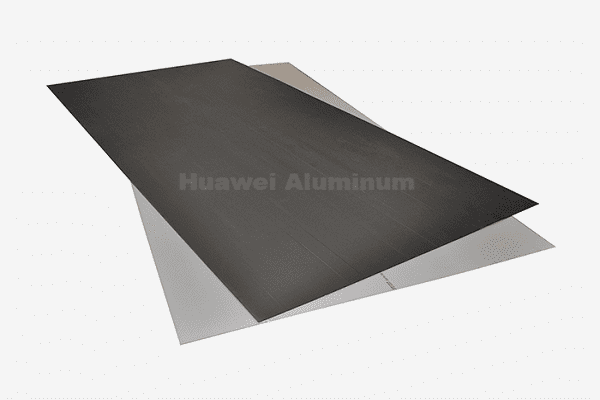
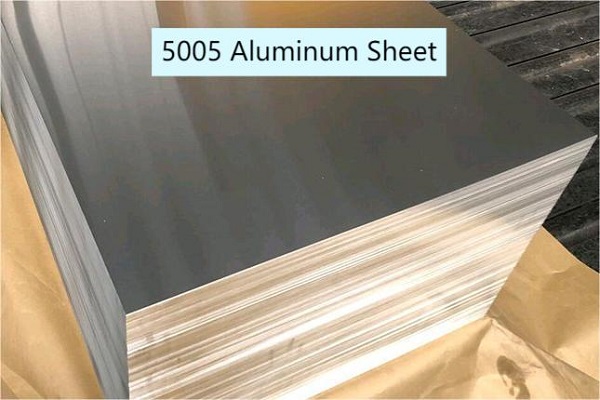
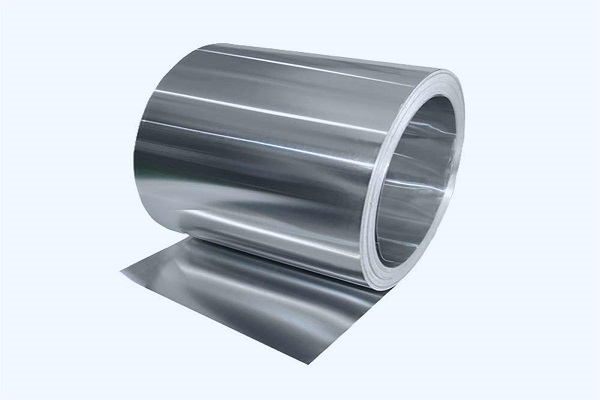
8011 แผ่นอลูมิเนียมสำหรับฝา ROPP
การปิด ROPP ได้กลายเป็นวัตถุดิบหลักในอุตสาหกรรมบรรจุภัณฑ์สำหรับไวน์, สุรา, เหล้าที่มีแอลกอฮอล์, และเครื่องดื่มไม่มีแอลกอฮอล์บางชนิด.
พวกเขาเสนอหลักฐานการงัดแงะที่เชื่อถือได้, ความสะดวกสบายของผู้บริโภค, และเข้ากันได้กับไลน์การกำหนดความเร็วสูง.
แผ่นอลูมิเนียมที่ใช้ในฝา ROPP จะต้องสมดุลความสามารถในการขึ้นรูป, ความแข็งแกร่ง, ความสมบูรณ์ของซีล, และความต้านทานการกัดกร่อน, โดยยังคงเข้ากันได้กับมาตรฐานการสัมผัสอาหารและเคมีของเครื่องดื่ม.
สำหรับแอปพลิเคชัน ROPP มากมาย, 8011 แผ่นอลูมิเนียมเป็นตัวเลือกที่ต้องการ. โลหะผสมนี้ให้ความสามารถในการขึ้นรูปที่ดีเยี่ยมที่เกจแบบบาง, ต้านทานการกัดกร่อนได้ดีเยี่ยมในสภาพแวดล้อมของเครื่องดื่มที่เป็นกรด, และประสิทธิภาพที่มั่นคงในสภาวะอุณหภูมิต่างๆ.
ในบทความนี้, เราสำรวจคุณสมบัติ, ข้อควรพิจารณาในการประมวลผล, และข้อแนะนำในการเลือกปฏิบัติ 8011 แผ่นสำหรับหมวก ROPP, โดยมุ่งเน้นไปที่ความเป็นจริงของการผลิต, การควบคุมคุณภาพ, และความสามารถของซัพพลายเออร์, รวมถึงสปอตไลท์เกี่ยวกับ Huawei Aluminium, ซัพพลายเออร์รายใหญ่ในพื้นที่นี้.
คืออะไร 8011 แผ่นอลูมิเนียม และ ทำไมต้อง ROPP Caps?
พื้นฐานของโลหะผสมและกรณีการใช้งานทั่วไป
8011 อลูมิเนียม เป็นส่วนหนึ่งของอะลูมิเนียมอัลลอยด์ซีรีส์ 8000, ทั้งหมดนี้เป็นโลหะผสมอลูมิเนียมแมงกานีสที่ออกแบบมาเพื่อเพิ่มความสามารถในการขึ้นรูป, ความเหนียว, และความต้านทานการกัดกร่อน.
องค์ประกอบการผสมหลักใน 8011 คืออะลูมิเนียมที่มีแมงกานีสเป็นตัวเติมหลัก, ซึ่งช่วยเพิ่มความแข็งแรงและความสามารถในการใช้งานได้โดยไม่ต้องเสียสละความสามารถในการดึงออกได้ลึกซึ่งจำเป็นสำหรับสูตรฝาปิด.
ในแอปพลิเคชัน ROPP, 8011 โดยทั่วไปแผ่นจะรีดเป็นเกจประมาณ 0.18–0.25 มม (ประมาณ 0.007–0.010 นิ้ว), พร้อมตัวเลือกอุณหภูมิรวมถึง H14 (กึ่งแข็ง) หรือการผสม O/H ขึ้นอยู่กับความสามารถในการขึ้นรูปที่ต้องการและรูปทรงของฝาขั้นสุดท้าย.
วัสดุจะต้องทนต่อการประทับตรา, การขึ้นรูปโดม, การตัดแต่ง, และการดำเนินการคอโดยไม่แตกร้าว, ในขณะที่ยังคงรักษาพื้นผิวจับยึดที่แน่นหนาและพื้นผิวที่สวยงามสม่ำเสมอสำหรับระบบการติดฉลากหรือแลคเกอร์.
ยังไง 8011 เปรียบเทียบกับตัวเลือกอลูมิเนียมอื่น
- 8079 อลูมิเนียม: 8079 เป็นอีกหนึ่งโลหะผสมฝาเครื่องดื่มทั่วไป, มักใช้สำหรับฟอยล์หรือแผ่นบางพิเศษเนื่องจากมีคุณสมบัติในการขึ้นรูปและกั้นที่ดีเยี่ยม. มันสามารถให้ความแข็งแกร่งที่สูงขึ้นเล็กน้อยในบางอารมณ์ แต่อาจจะให้อภัยได้น้อยกว่าในการดำเนินการวาดที่แน่นหนามาก 8011. สำหรับการใช้งานหมวก ROPP จำนวนมาก, 8011 มีความสามารถในการดึงออกที่ใกล้เคียงกันหรือดีกว่าที่เกจเดียวกัน, มีความทนทานต่อการกัดกร่อนสูงและเข้ากันได้ดีกว่ากับผิวเคลือบมาตรฐาน.
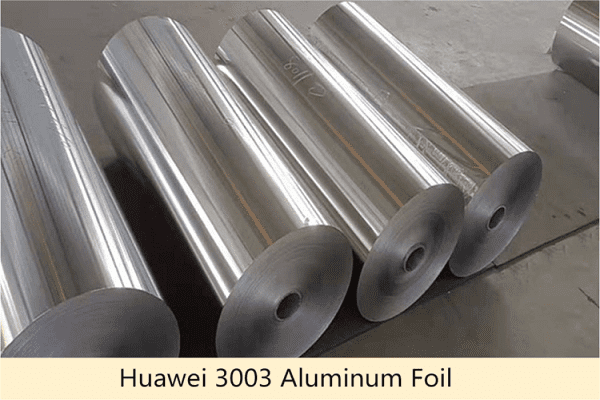
- 3003 อลูมิเนียม: 3003 เป็นโลหะผสมที่ประกอบด้วยแมงกานีสซึ่งมีความเหนียวและมีความแข็งแรงปานกลาง. มีการใช้กันอย่างแพร่หลายสำหรับกระป๋องและฝาปิดในบางตลาด, แต่ 8011 โดยทั่วไปแล้วจะมีประสิทธิภาพเหนือกว่า 3003 ในแง่ของพฤติกรรมการดึงลึกและความเสถียรของพื้นผิวที่เกจบางมาก, การทำ 8011 ตัวเลือกที่ต้องการสำหรับสาย ROPP ความเร็วสูง.
- 5052 อลูมิเนียม: 5052 ให้ความแข็งแรงสูงกว่าและทนทานต่อการกัดกร่อนได้ดีเยี่ยม, แต่ความสามารถในการดึงออกนั้นมีข้อจำกัดมากกว่าเมื่อใช้เกจวัดบางเฉียบ และการขึ้นรูปด้วยความเร็วสูงอาจทำให้ให้อภัยได้น้อยลง. สำหรับฝา ROPP ที่ต้องการการขึ้นรูปลึกเชิงรุก, 8011 มักจะให้ความสมดุลที่แข็งแกร่งมากขึ้นในด้านความสามารถในการขึ้นรูปและความสามารถในการผลิต.
การเปรียบเทียบอย่างรวดเร็วของแผ่นโลหะผสมทั่วไปสำหรับฝา ROPP
| ล้อแม็ก | แบบฟอร์ม (วาดลึก) | ความแข็งแกร่ง | ความต้านทานการกัดกร่อน | ความเข้ากันได้ของพื้นผิว | การใช้งานทั่วไป |
|---|---|---|---|---|---|
| 8011 | สูง | ปานกลาง | ยอดเยี่ยม | ยอดเยี่ยม | หมวก ROPP, วัสดุบุผิวเครื่องดื่มแบบบาง |
| 8079 | สูงมาก | ปานกลาง | ยอดเยี่ยม | ดี | ฟอยล์เครื่องดื่ม, หมวกที่มีความคลาดเคลื่อนที่เข้มงวดมากขึ้น |
| 3003 | ปานกลาง | ต่ำ-ปานกลาง | ดี | ดี | บรรจุภัณฑ์ทั่วไป, เสมอก้าวร้าวน้อยลง |
| 5052 | มีความแข็งแรงสูงขึ้น | สูง | ดีมาก | ดี | การปิดโครงสร้าง, หมวกแข็งมากขึ้น |
บันทึก: ตารางด้านบนแสดงถึงพฤติกรรมโดยทั่วไป; ประสิทธิภาพที่แน่นอนขึ้นอยู่กับอารมณ์, ความหนา, การเคลือบผิว, และพารามิเตอร์กระบวนการ. สำหรับหมวก ROPP, 8011 โดยทั่วไปจะได้รับความนิยมจากการผสมผสานระหว่างความสามารถในการวาดและความเข้ากันได้กับเครื่องมือ cap และความเร็วของเส้น.
ตัวเลือกอุณหภูมิทั่วไปสำหรับแผ่นฝา ROPP
- H14: ตัวเลือกยอดนิยมสำหรับฝา ROPP เนื่องจากมีความสมดุลระหว่างความสามารถในการใช้งานกับความแข็งที่เพียงพอเพื่อรักษารูปร่างในระหว่างกระบวนการปิดผนึก.
- การผสม O/H14 หรือ O/H18: ในบางกรณี, O-อารมณ์ (อบอ่อน) แผ่นรองใช้สำหรับการอบอ่อนหลังการปั๊มเพื่อให้ได้พื้นผิวที่นุ่มนวลขึ้น, ตามด้วยการชุบแข็งแบบเบาเพื่อให้เหมาะกับรูปทรงของฝาครอบ.
- การเคลือบและการรักษาพื้นผิว: สามารถปรับแต่งพื้นผิวได้ด้วยการเคลือบเพื่อความสวยงาม, แลคเกอร์, หรือการเคลือบกั้นเพื่อให้เป็นไปตามข้อกำหนดด้านการสร้างแบรนด์และอายุการเก็บรักษา. ระบบการเคลือบจะต้องเข้ากันได้กับสภาพแวดล้อมทางเคมีของฝาปิด (เช่น, ความเป็นกรดของไวน์, ปริมาณแอลกอฮอล์, น้ำมันหอมระเหย).

8011 แผ่นอลูมิเนียมสำหรับฝา ROPP
คุณสมบัติของ 8011 แผ่นอลูมิเนียมสำหรับฝา ROPP
คุณสมบัติทางกลและวิธีขับเคลื่อนประสิทธิภาพของฝาครอบ
คุณลักษณะประสิทธิภาพที่สำคัญสำหรับ 8011 แผ่นที่ใช้ในแคป ROPP รวมถึงการยืดตัว, ความสามารถในการขึ้นรูป, ความแข็งแรงของผลผลิต, และแรงดึงสูงสุด.
เนื่องจากรูปทรงของฝาครอบเกี่ยวข้องกับการวาดแบบลึก, คอ, และการตัดแต่ง, วัสดุจะต้องทนต่อขั้นตอนการขึ้นรูปเหล่านี้โดยไม่แตกร้าวในขณะที่มีการปิดผนึกที่เชื่อถือได้.
ช่วงทั่วไปสำหรับ 8011 แผ่นงานที่ใช้ในแคป ROPP (ความหนาประมาณ 0.18–0.25 มม, อุณหภูมิโดยทั่วไป H14 หรือ O พร้อมการอบอ่อนหลังการขึ้นรูปหากจำเป็น) เป็น:
- ความหนา: 0.18–0.25 มม (0.007–0.010 นิ้ว)
- อารมณ์โกรธ: H14 หรือ O (พร้อมปรับแต่งหลังการขึ้นรูปตามความจำเป็น)
- แรงดึง (uts): ประมาณ 170–230 MPa (แตกต่างกันไปตามอารมณ์และความหนา)
- ความแข็งแรงของผลผลิต (0.2% ชดเชย): ประมาณ 110–150 MPa
- การยืดตัว (ใน 50 มิลลิเมตร เกจหรือที่คล้ายกัน): 10–25% ขึ้นอยู่กับอารมณ์และความหนา
- ความแข็ง: ปานกลาง (เพียงพอที่จะต้านทานการไหลของพลาสติกในระหว่างการขึ้นรูป แต่ไม่สูงจนทำให้เกิดการแตกร้าว)
ตัวเลขเหล่านี้สะท้อนถึงบรรทัดฐานของอุตสาหกรรมมากกว่าเอกสารข้อมูลของซัพพลายเออร์รายเดียว.
ค่าจริงจะเปลี่ยนไปตามเงื่อนไขการประมวลผล, รวมทั้งอุณหภูมิขณะกลิ้งด้วย, รอบการหลอม, และพื้นผิว.
ข้อควรพิจารณาในการขึ้นรูปและการตกแต่งพื้นผิว
- ความสามารถในการวาดลึก: ความเหนียวสูงของ 8011 ช่วยให้สามารถวาดลึกได้โดยไม่ฉีกขาด, เป็นปัจจัยสำคัญในการสร้างโดมฝาครอบและลักษณะเป็นสัน.
- ความเรียบเนียนของพื้นผิว: พื้นผิวแผ่นควรมีความสม่ำเสมอเพื่อรองรับการยึดเกาะของแลคเกอร์และการพิมพ์ หากมีตราสินค้าปรากฏบนฝาปิด. ตัวเลือกการรักษาพื้นผิวรวมถึงการขัดเงาด้วยกลไก, สารเคมีเพิ่มความสดใส, หรือสารเคลือบป้องกัน.
- ความเข้ากันได้ของการเคลือบ: ฝาครอบ ROPP จำนวนมากได้รับการเคลือบกั้นหรือตกแต่ง. จำเป็นอย่างยิ่งที่จะต้องตรวจสอบการยึดเกาะของแล็คเกอร์, ความเข้ากันได้ของอุณหภูมิการรักษา, และความทนทานต่อสารเคมีต่อองค์ประกอบของเครื่องดื่ม เช่น เอทานอล, กรดอินทรีย์, และน้ำตาลตกค้าง.
ความต้านทานการกัดกร่อนในสภาพแวดล้อมของเครื่องดื่ม
การปิดเครื่องดื่มต้องสัมผัสกับองค์ประกอบหลายอย่าง, รวมทั้งสารประกอบที่เป็นกรด, เอทานอล, และส่วนประกอบของแร่ธาตุ.
8011 อลูมิเนียมมีความทนทานต่อการกัดกร่อนได้ดีเยี่ยมในสภาพแวดล้อมเหล่านี้, ส่วนหนึ่งเกิดจากการเติมแมงกานีสและฟิล์มออกไซด์ธรรมชาติที่ช่วยปกป้องพื้นผิว.
เมื่อจับคู่กับแลคเกอร์หรือสารเคลือบกั้นที่เหมาะสม, 8011 แผ่นช่วยรักษาความสมบูรณ์ของซีลและป้องกันไม่ให้ไอออนของดีบุก/โลหะอื่นๆ ไหลเข้าสู่เครื่องดื่ม.
ความเข้ากันได้กับมาตรฐานการสัมผัสอาหาร
สำหรับหมวก ROPP, การปฏิบัติตามข้อกำหนดการสัมผัสอาหารเป็นสิ่งสำคัญยิ่ง. อลูมิเนียมอัลลอยด์, รวมทั้ง 8011, ได้รับการยอมรับอย่างกว้างขวางว่าปลอดภัยสำหรับการสัมผัสกับอาหารเมื่อแปรรูปตามหลักเกณฑ์ด้านกฎระเบียบ. ในทางปฏิบัติ, ผู้ผลิตให้ความมั่นใจดังต่อไปนี้:
- วัสดุที่เป็นแผ่นเป็นไปตามข้อกำหนดการสัมผัสอาหารที่เกี่ยวข้อง (เช่น, อีเอฟเอสเอ, หลักเกณฑ์ตาม FDA, อีซี 1935/2004).
- สารเคลือบหรือแลคเกอร์ใดๆ ที่ใช้กับฝาปิดได้รับการอนุมัติอย่างชัดเจนให้สัมผัสกับอาหารได้.
- สายการผลิตปฏิบัติตามระบบการจัดการคุณภาพที่ครอบคลุมการตรวจสอบย้อนกลับ, การทดสอบระดับล็อต, และการรับรอง.
กระบวนการผลิตสำหรับ 8011 แผ่นที่ใช้ใน ROPP Caps
วัตถุดิบ, กลิ้ง, และลำดับการหลอม
- การได้มาซึ่งวัตถุดิบ: แท่งอะลูมิเนียมที่มีความบริสุทธิ์สูงได้รับการขัดเกลาเพื่อให้ได้องค์ประกอบเป้าหมายและระดับสิ่งเจือปนขั้นต่ำ.
- ทำให้เป็นเนื้อเดียวกัน: แผ่นหล่อถูกทำให้เป็นเนื้อเดียวกันเพื่อให้แน่ใจว่ามีคุณสมบัติทางกลที่สม่ำเสมอทั่วทั้งแผ่น.
- รีดร้อน: แผ่นคอนกรีตจะผ่านแท่นรีดร้อนเพื่อสร้างขดลวดกึ่งสำเร็จรูปที่เหมาะกับการรีดเย็น.
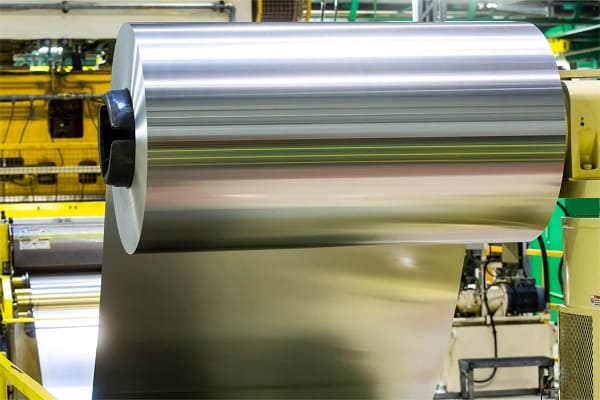
- รีดเย็น: วัสดุถูกรีดเย็นจนถึงความหนาเป้าหมาย (0.18–0.25 มม) ด้วยการควบคุมแรงตึงอย่างระมัดระวังและการตกแต่งพื้นผิว.
- การหลอม: กระบวนการอบอ่อนแบบควบคุมช่วยลดการแข็งตัวของชิ้นงานตามอุณหภูมิที่ต้องการ (H14 หรือ O, ขึ้นอยู่กับโปรไฟล์ทรัพย์สินเป้าหมาย).
- จบ: การรักษาพื้นผิว, รวมถึงการลบคมแบบบางเบา, ขัด, หรือสารเคมีเพิ่มความกระจ่างใส, ดำเนินการเพื่อให้ได้คุณภาพพื้นผิวที่สม่ำเสมอ.
ขึ้นรูปเป็นแคป ROPP
- การวาดภาพลึก: แผ่นงานจะถูกป้อนเข้าไปในอุปกรณ์ปั๊มขึ้นรูปเพื่อสร้างฝาครอบโดมและมีลักษณะเป็นสัน. เครื่องมือต้องรองรับเกจวัดบางเฉียบและรักษาอายุการใช้งานเครื่องมือให้ยาวนาน.
- การคอและการจีบ: รูปทรงโดมได้รับการขัดเกลา, และตัดฝาครอบให้เหลือขนาดสุดท้าย. พิกัดความเผื่อที่ใกล้เคียงช่วยให้มั่นใจได้ว่ามีการปิดผนึกคอขวดอย่างแน่นหนา.
- การรักษาหลังการวาด: ขึ้นอยู่กับตอนจบ, ฝาครอบอาจได้รับการเคลือบเงา, การเคลือบสิ่งกีดขวาง, หรือการตกแต่ง. สำหรับไวน์และสุรา, แลคเกอร์ที่ต้านทานการย่อยสลายจากแอลกอฮอล์เป็นเรื่องปกติ.
- การตรวจสอบและบรรจุภัณฑ์: แคปผ่านการตรวจสอบขนาด, การตรวจสอบพื้นผิว, และการทดสอบการยึดเกาะของการเคลือบก่อนบรรจุภัณฑ์เพื่อจัดส่ง.
มาตรการควบคุมคุณภาพตลอดกระบวนการ
- การตรวจสอบองค์ประกอบทางเคมี: การวิเคราะห์ทางสเปกโทรสโกปียืนยันปริมาณอะลูมิเนียมและธาตุปริมาณน้อย. เป้าหมายคือการควบคุมอย่างเข้มงวดเพื่อให้แน่ใจว่าสามารถทำงานได้สม่ำเสมอและทนทานต่อการกัดกร่อน.
- การทดสอบเชิงกล: แรงดึง, ผลผลิต, และการทดสอบการยืดตัวจะตรวจสอบความเสถียรของอุณหภูมิและประสิทธิภาพในการดึง.
- การตรวจสอบพื้นผิว: การตรวจสอบด้วยสายตาและด้วยเครื่องมือจะตรวจจับความหยาบของพื้นผิว, ข้อบกพร่อง, และข้อบกพร่องในการเคลือบ.
- การทดสอบรูเข็มและการรั่วไหล: รับประกันความสมบูรณ์ของแผงกั้นสำหรับการเคลือบระหว่างการสัมผัสเครื่องดื่ม.
- การตรวจสอบย้อนกลับ: การตรวจสอบย้อนกลับระดับล็อตจะติดตามแหล่งที่มาของวัสดุ, ขั้นตอนการประมวลผล, และผลการประกันคุณภาพขั้นสุดท้าย.
เวลานำ, ความจุ, และการพิจารณาการส่งมอบ
- เวลานำขึ้นอยู่กับความพร้อมของวัตถุดิบ, ข้อกำหนดด้านอารมณ์, และความต้องการเคลือบ. ระยะเวลารอคอยสินค้าโดยทั่วไปอยู่ระหว่าง 2-6 สัปดาห์สำหรับข้อกำหนดมาตรฐาน, นานกว่าสำหรับการเคลือบแบบกำหนดเองหรือค่าความคลาดเคลื่อนที่เข้มงวดมากขึ้น.
- กำลังการผลิตขึ้นอยู่กับขนาดของโรงรีด, ความสามารถในการจัดการคอยล์, และเส้นชัย. ผู้ผลิตรายใหญ่ต้องดูแลรักษาแท่นหมุนและสายการผลิตการเคลือบหลายจุดเพื่อรองรับบริษัทเครื่องดื่มที่มีปริมาณมาก.
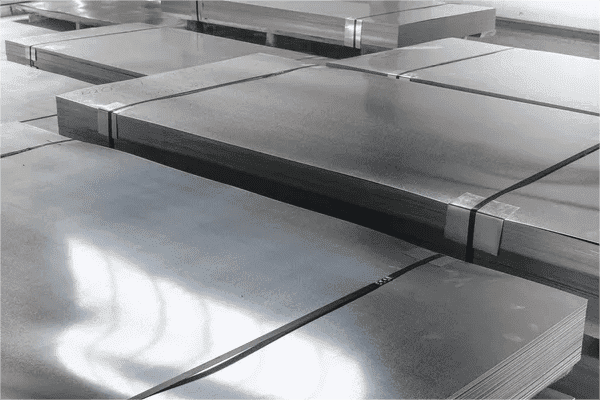
- การส่งมอบตรงเวลาขึ้นอยู่กับการขนส่งที่แข็งแกร่ง, การป้องกันบรรจุภัณฑ์สำหรับเกจวัดแบบบาง, และการกำหนดเวลาอย่างรอบคอบเพื่อหลีกเลี่ยงความเสียหายที่พื้นผิวระหว่างการขนส่ง.

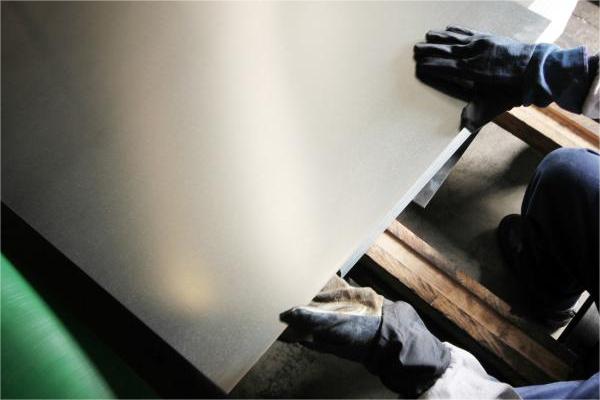
ROPP Caps ใช้แล้วเคลือบ 8011 แผ่นอลูมิเนียม
สปอตไลท์ซัพพลายเออร์: หัวเว่ย อลูมิเนียม
เกี่ยวกับอะลูมิเนียมของหัวเว่ย
บริษัท หัวเว่ย อลูมิเนียม จำกัด, จำกัด. คือซัพพลายเออร์อะลูมิเนียมชั้นนำที่รู้จักแนวทางบูรณาการกับผลิตภัณฑ์แผ่นอะลูมิเนียมและฟอยล์, รวมทั้ง 8011 แผ่นที่ใช้สำหรับฝา ROPP.
บริษัทเน้นการตอบสนอง, ความเข้มงวดทางเทคนิค, และความน่าเชื่อถือของห่วงโซ่อุปทาน.
Huawei Aluminium ผสมผสานโรงรีดที่ทันสมัย, เส้นตกแต่งพื้นผิวที่ล้ำสมัย, และระบบการจัดการคุณภาพที่แข็งแกร่งเพื่อให้สอดคล้องกัน, คุณภาพของผลิตภัณฑ์ที่สามารถทำซ้ำได้ในคำสั่งซื้อจำนวนมาก.
ความสามารถที่เกี่ยวข้องกับ 8011 แผ่นสำหรับหมวก ROPP
- การดำเนินงานแบบบูรณาการ: ตั้งแต่การหล่อพื้นจนถึงการรีดเย็นและการตกแต่งขั้นสุดท้าย, Huawei Aluminium ใช้ประโยชน์จากขั้นตอนการทำงานแบบผสมผสานเพื่อควบคุมองค์ประกอบของโลหะผสม, อารมณ์, และคุณภาพพื้นผิว.
- การปรับแต่ง: บริษัทมีช่วงความหนาที่ยืดหยุ่นได้ (โดยทั่วไปประมาณ 0.18–0.25 มม. สำหรับฝา ROPP) และตัวเลือกอุณหภูมิเพื่อให้เหมาะกับไลน์การขึ้นรูปและการออกแบบฝาครอบเฉพาะของลูกค้า.
- ตัวเลือกการตกแต่งพื้นผิว: Huawei Aluminium สามารถจัดหาแผ่นเปลือยได้, พื้นผิวที่แปรงเบา ๆ, หรือการเคลือบ/เคลือบลามิเนตที่ออกแบบมาเพื่อความเข้ากันได้ของแลคเกอร์และคุณสมบัติการกั้น.
- การประกันคุณภาพ: โดยทั่วไปแล้วซัพพลายเออร์จะรักษามาตรฐาน ISO 9001 แนวทางปฏิบัติในการจัดการคุณภาพ, ด้วยข้อมูลล็อตที่ตรวจสอบย้อนกลับได้และวิธีการทดสอบที่มีประสิทธิภาพสำหรับองค์ประกอบทางเคมี, คุณสมบัติทางกล, และการยึดเกาะพื้นผิว.
- การเข้าถึงทั่วโลก: ด้วยเครือข่ายโลจิสติกส์ที่หลากหลาย, Huawei Aluminium สนับสนุนลูกค้าทั่วโลก, รับประกันระยะเวลารอคอยสินค้าที่คาดการณ์ได้และการจัดส่งที่เชื่อถือได้ไปยังตลาดเครื่องดื่มหลักๆ.
เหตุใดจึงเลือก Huawei Aluminium สำหรับ 8011 แผ่นสำหรับหมวก ROPP?
- การขึ้นรูปและความเหนียวสม่ำเสมอ: เดอะ 8011 แผ่นจาก Huawei ได้รับการออกแบบมาเพื่อตอบสนองความเข้มงวดของการวาดและการตัดแต่งแบบลึกในเส้น cap line ความเร็วสูง.
- ความเข้ากันได้ของพื้นผิว: ตัวเลือกการตกแต่งขั้นสุดท้ายของบริษัทช่วยให้มั่นใจได้ถึงการยึดเกาะของแลคเกอร์ที่เชื่อถือได้และประสิทธิภาพการตกแต่งที่สวยงามในระยะยาว, แม้ในสภาพแวดล้อมเครื่องดื่มที่ท้าทาย.
- การปฏิบัติตามกฎระเบียบ: Huawei เน้นการปฏิบัติตามมาตรฐานการสัมผัสอาหารและการตรวจสอบย้อนกลับ, ทำให้ผู้ผลิตมั่นใจในความสมบูรณ์ของห่วงโซ่อุปทาน.
- ความร่วมมือทางเทคนิค: ซัพพลายเออร์มักจะติดต่อกับลูกค้าเพื่อปรับอารมณ์ให้เหมาะสม, การเคลือบผิว, และพารามิเตอร์การประมวลผลสำหรับรูปทรงแคปเฉพาะและเทคโนโลยีแคปเปอร์.
บันทึก: เมื่อประเมิน Huawei Aluminium หรือซัพพลายเออร์ใดๆ, ขอเอกสารข้อมูลโดยละเอียด, โปรโตคอลการทดสอบ AQL ปัจจุบัน, และการรับรอง (เช่น, ไอเอสโอ 9001, ไอเอสโอ 14001). ขอการทดลองที่ได้รับความช่วยเหลือจากซัพพลายเออร์เพื่อตรวจสอบความสามารถในการขึ้นรูป, การยึดเกาะของการเคลือบ, และประสิทธิภาพการปิดผนึกก่อนการผลิตขนาดใหญ่.
การเคลือบ, เสร็จสิ้น, และกลยุทธ์อุปสรรคสำหรับ ROPP Caps
บทบาทของสารเคลือบต่อประสิทธิภาพของฝาครอบ
การเคลือบทำหน้าที่สำคัญหลายประการในแคป ROPP:
- การป้องกันสิ่งกีดขวาง: การเคลือบช่วยลดปฏิสัมพันธ์ระหว่างเครื่องดื่มกับพื้นผิวอะลูมิเนียม, ลดความเสี่ยงในการถ่ายโอนกลิ่นรสโลหะและการกัดกร่อน.
- ส่งเสริมการยึดเกาะ: การเคลือบที่เหมาะสมช่วยให้การยึดเกาะที่ทนทานของลามิเนตตราสินค้า, สี, หรือระบบแลคเกอร์ไปที่โดมหมวก.
- อุทธรณ์สุนทรียศาสตร์: สารเคลือบช่วยรักษาสีและความเงางาม, เอื้อต่อการมองเห็นภาพของผู้บริโภคต่อผลิตภัณฑ์.
- การปฏิบัติตามข้อกำหนดการสัมผัสอาหาร: สารเคลือบต้องได้รับการรับรองว่าสัมผัสกับอาหารและเข้ากันได้กับโปรไฟล์ทางเคมีของเครื่องดื่ม.
ประเภทการเคลือบทั่วไปและความเข้ากันได้กับ 8011 แผ่น
- แลคเกอร์สูตรน้ำ: ใช้กันอย่างแพร่หลายสำหรับการปิดไวน์และสุรา; ต้องยึดเกาะได้ดีกับอะลูมิเนียมโดยจะมีรูเข็มน้อยที่สุด. การทนต่ออุณหภูมิเป็นสิ่งสำคัญในการรักษาคุณสมบัติของสิ่งกีดขวางผ่านการจัดเก็บและการขนส่ง.
- เคลือบยูวีรักษาได้: ให้การบ่มที่รวดเร็วและทนต่อสารเคมีได้ดี; เหมาะสำหรับการใช้งานในสายการผลิตความเร็วสูง หากอุณหภูมิในการบ่มไม่ทำให้พื้นผิวเสื่อมสภาพ.
- ลามิเนตกั้น: ฝาปิดบางส่วนใช้ฟิล์มกั้นบางๆ บนอะลูมิเนียมเพื่อปรับปรุงความปลอดภัยในการสัมผัสกับอาหาร และลดการเคลื่อนตัวของโลหะในเมทริกซ์เครื่องดื่มที่มีฤทธิ์รุนแรงเป็นพิเศษ.
- อโนไดซ์: หายากสำหรับการปิด ROPP เนื่องจากความชอบด้านความสวยงามและการสัมผัส, แต่เมื่อใช้แล้ว, มันต้องมีการปิดผนึกอย่างระมัดระวังเพื่อรักษาความเข้ากันได้ของเครื่องดื่ม.
- สีทับหน้าเสร็จสิ้น: สีทับหน้าแบบใสหรือแบบเม็ดสีที่ต้านทานเอธานอล, กรด, และน้ำตาลในขณะที่ยังคงความยืดหยุ่นภายใต้การเปลี่ยนรูปของฝาปิด.
การเตรียมพื้นผิวและการทดสอบการยึดเกาะ
- การทำความสะอาด: ก่อนเคลือบ, ต้องทำความสะอาดแผ่นอย่างทั่วถึงเพื่อขจัดน้ำมันและสารตกค้างที่อาจทำให้การยึดเกาะของสารเคลือบลดลง.
- การเปิดใช้งานพื้นผิว: กระบวนการบางอย่างใช้การกัดแบบอ่อนหรือการกระตุ้นทางเคมีเพื่อปรับปรุงการยึดเกาะของสารเคลือบในภายหลัง.
- การทดสอบการยึดเกาะ: การทดสอบแบบตัดขวางหรือดึงออกช่วยยืนยันการยึดเกาะของการเคลือบกับซับสเตรตอะลูมิเนียม. ผลลัพธ์ที่ยอมรับได้ขึ้นอยู่กับระบบการเคลือบและอายุการใช้งานที่คาดหวังของฝาปิด.
- การตรวจสอบรูเข็ม: การรวมกันของความหนาของการเคลือบ, การบ่ม, และความสม่ำเสมอของพื้นผิวจะกำหนดความเสี่ยงของรูเข็ม. การทดสอบการเก็บตัวอย่างแมลงวันเป็นประจำสามารถระบุข้อบกพร่องได้ตั้งแต่เนิ่นๆ ของการผลิต.
คุณภาพและการปฏิบัติตามข้อกำหนด: มั่นใจในความปลอดภัย, ความน่าเชื่อถือ, และตรวจสอบย้อนกลับได้
ข้อควรพิจารณาเกี่ยวกับมาตรฐานและความสอดคล้องที่สำคัญ
- การปฏิบัติตามข้อกำหนดการสัมผัสอาหาร: วัสดุและสารเคลือบต้องเป็นไปตามกฎข้อบังคับเกี่ยวกับการสัมผัสกับอาหารที่เกี่ยวข้อง (เช่น, คำแนะนำของสหภาพยุโรป EFSA, แนวทางปฏิบัติของ FDA ของสหรัฐอเมริกา, และกรอบการกำกับดูแลท้องถิ่นที่จะจำหน่ายผลิตภัณฑ์).
- การจัดการสารเคมี: ซัพพลายเออร์ปฏิบัติตามมาตรฐานการจัดการสารเคมีเพื่อหลีกเลี่ยงการใช้สารต้องห้ามในระหว่างกระบวนการผลิตและการเคลือบ.
- การตรวจสอบย้อนกลับ: การตรวจสอบย้อนกลับล็อตทำให้สามารถแก้ไขปัญหาและอำนวยความสะดวกในการเรียกคืนหรือการตรวจสอบหากจำเป็น.
กฎเกณฑ์การทดสอบและการตรวจสอบที่คุณควรคาดหวัง
- การวิเคราะห์ทางเคมี: การตรวจสอบส่วนประกอบจะยืนยันความแม่นยำของโลหะผสมและระดับสิ่งเจือปน.
- การทดสอบเชิงกล: การทดสอบมาตรฐานจะตรวจสอบพฤติกรรมการเสริมความแข็งแกร่ง, การยืดตัว, และความมั่นคงทางอารมณ์.
- การทดสอบความสมบูรณ์ของพื้นผิว: ประเมินพื้นที่ที่สึกกร่อน, บ่อ, หรือข้อบกพร่องในการเคลือบที่อาจส่งผลต่อประสิทธิภาพของฝาครอบ.
- การทดสอบประสิทธิภาพของซีล: ประเมินความสามารถของฝาปิดในการปิดผนึกคอขวดอย่างเชื่อถือได้ในระหว่างสภาวะการจัดเก็บจำลอง.
- การทดสอบด้านสิ่งแวดล้อม: ลูกค้าบางรายจำเป็นต้องได้รับการทดสอบความชื้น, การปั่นจักรยานตามอุณหภูมิ, และการสัมผัสรังสียูวีเพื่อจำลองสถานการณ์อายุการเก็บรักษา.
การรับรองและการรับประกันซัพพลายเออร์
- ไอเอสโอ 9001: ระบบการจัดการคุณภาพครอบคลุมการควบคุมกระบวนการและความพึงพอใจของลูกค้า.
- ไอเอสโอ 14001: แนวทางปฏิบัติและการรายงานการจัดการสิ่งแวดล้อม.
- ใบรับรองเพิ่มเติม: ขึ้นอยู่กับตลาด, ซัพพลายเออร์อาจได้รับใบรับรองเช่น OHSAS 18001 (อาชีวอนามัยและความปลอดภัย) หรือการรับรองเฉพาะอุตสาหกรรมที่แสดงให้เห็นถึงความปลอดภัยและความน่าเชื่อถือของผลิตภัณฑ์.
8011 แผ่นอลูมิเนียมสำหรับ ROPP Caps VS Alternatives
| คุณสมบัติ / การพิจารณา | 8011 (แผ่น) | 8079 (แผ่น/ฟอยล์) | 3003 (แผ่น) | 5052 (แผ่น) |
|---|---|---|---|---|
| ตระกูลวัสดุ | อลูมิเนียม-Mn | อลูมิเนียม-Mn (มักจะเป็นฟอยล์ที่บางกว่า) | อลูมิเนียม-Mn | อลูมิเนียม-มก |
| ความหนาทั่วไปสำหรับ ROPP | 0.18–0.25 มม | มักจะบางลง; เกรดฟอยล์ | 0.2–0.3 มม | 0.3–0.4 มม (เข้มงวดมากขึ้น) |
| ความสามารถในการวาดได้ลึก | สูง | สูงมาก | ปานกลาง | ปานกลาง |
| การขึ้นรูปบันทึก | ความสมดุลที่ยอดเยี่ยมของความสามารถในการดึงและความแข็ง | เหนียวมาก; ดีที่สุดสำหรับการออกแบบที่บางเฉียบ | เหมาะสำหรับการวาดแบบเบาๆ, แต่เสี่ยงต่อการแตกร้าวที่เกจหนากว่า | มีความแข็งแรงสูงขึ้น, ให้อภัยน้อยลงในรูปแบบที่บางเฉียบ |
| ความต้านทานการกัดกร่อน | ยอดเยี่ยม | ยอดเยี่ยม | ดี | ดีมาก |
| ความเข้ากันได้ของการเคลือบ | ยอดเยี่ยม | ยอดเยี่ยม | ดี | ดีถึงดีมาก |
| ช่วงอุณหภูมิโดยทั่วไปสำหรับ ROPP | H14 หรือ O พร้อมการขึ้นรูปหลัง | ตัวเลือก H14/O; เหนียวมาก | H14/O ขึ้นอยู่กับความต้องการ | H18/H24 เพื่อความแข็งแรงที่สูงกว่า |
| ตำแหน่งต้นทุน | ปานกลางถึงต่ำ | ปานกลาง | ต่ำ | ปานกลาง-สูง |
| สุขอนามัยของบรรจุภัณฑ์และความเข้ากันได้ของการติดฉลาก | สูง (สารเคลือบและสิ่งกีดขวางพร้อมใช้งาน) | สูง | ปานกลาง | สูง |
บันทึก: ค่าข้างต้นมีจุดมุ่งหมายเพื่อเป็นแนวทางปฏิบัติ; โปรดดูเอกสารข้อมูลซัพพลายเออร์เฉพาะสำหรับตัวเลขที่แม่นยำและอุณหภูมิที่แนะนำสำหรับการออกแบบฝาครอบที่แน่นอนของคุณ, ความเร็วของสาย, และระบบการเคลือบ.
แนวทางปฏิบัติในการเลือก 8011 แผ่นสำหรับหมวก ROPP
กำหนดการออกแบบหมวกและข้อกำหนดด้านไลน์ของคุณ
- รูปทรงโดมของฝาครอบ: โดมที่ซับซ้อนที่มีปุ่มนูนต้องมีความสามารถในการขึ้นรูปที่สูงกว่า. หากเส้นของคุณมีลักษณะการวาดภาพที่ดุดัน, 8011 ใน H14 สามารถให้การรักษารูปทรงและการต้านทานการแตกร้าวได้อย่างสมดุล.
- กลยุทธ์การเคลือบ: ตัดสินใจตั้งแต่เนิ่นๆ ว่าคุณจะใช้การเคลือบกั้นหรือไม่, แล็คเกอร์, หรือลามิเนต. ระบบการเคลือบจะส่งผลต่อความต้องการในการเตรียมพื้นผิวและประสิทธิภาพการยึดเกาะที่อาจเกิดขึ้น.
- เคมีเครื่องดื่ม: ปริมาณแอลกอฮอล์, ระดับน้ำตาล, กรด, และปริมาณแร่ธาตุมีอิทธิพลต่อความเสี่ยงต่อการกัดกร่อนและข้อกำหนดการเคลือบ. สำหรับความเข้มข้นของเอทานอลที่สูงขึ้นหรือโปรไฟล์ที่เป็นกรด, ตรวจสอบให้แน่ใจว่าสูตรการเคลือบได้รับการพิสูจน์ประสิทธิภาพในเมทริกซ์เหล่านั้น.
ร่วมมือกับซัพพลายเออร์ที่เชื่อถือได้ซึ่งสามารถสนับสนุนการทดลองได้
- เอกสารข้อมูล: ขอองค์ประกอบทางเคมีที่ทันสมัย, อารมณ์, และข้อมูลคุณสมบัติทางกล, รวมถึงความคลาดเคลื่อนสำหรับความหนาที่คุณเลือก.
- ข้อมูลความเข้ากันได้ของการเคลือบ: รับผลการทดสอบการยึดเกาะและข้อมูลรูเข็มสำหรับระบบการเคลือบของคุณ 8011 แผ่นที่ความหนาเป้าหมายของคุณ.
- ทดลองวิ่ง: ประเมินประสิทธิภาพการขึ้นรูปบนเครื่องมือปิดฝาจริงของคุณ. การวิ่งนำร่องช่วยยืนยันการกระจายความหนาของผนัง, ความสามารถในการขึ้นรูป, และการตกแต่งพื้นผิวหลังจากการตัดแต่งและตกแต่งขั้นสุดท้าย.
- การรับรองและความน่าเชื่อถือของห่วงโซ่อุปทาน: ตรวจสอบ ISO 9001/14001 สถานะ, การตรวจสอบซัพพลายเออร์, และข้อผูกพันในเวลานำ. ยืนยันการตรวจสอบย้อนกลับของวัสดุและเอกสารประกอบเพื่อสนับสนุนการปฏิบัติตามกฎระเบียบ.
จัดการต้นทุนโดยไม่กระทบต่อประสิทธิภาพ
- การเลือกใช้วัสดุ: ในขณะที่ 8011 ยังคงเป็นตัวเลือกที่คุ้มค่าสำหรับตัวพิมพ์ใหญ่ ROPP จำนวนมาก, ราคาอาจแตกต่างกันไปตามอารมณ์, ความหนา, และข้อกำหนดการเคลือบ. เปรียบเทียบราคาจากซัพพลายเออร์หลายรายเพื่อประเมินราคาในตลาดโดยไม่กระทบต่อคุณภาพ.
- การเพิ่มประสิทธิภาพกระบวนการ: การปรับอารมณ์อย่างละเอียด, รอบการหลอม, และการขึ้นรูปพารามิเตอร์สามารถลดของเสียและปรับปรุงผลผลิตของสายการผลิตได้, การชดเชยต้นทุนวัสดุเริ่มแรกเมื่อเวลาผ่านไป.
- ข้อตกลงระยะยาว: แสวงหาสัญญาระยะยาวที่มีข้อผูกพันด้านระยะเวลารอคอยสินค้าที่ชัดเจนและมีคุณภาพสม่ำเสมอ เพื่อลดสินค้าในสต็อกและความผันผวนของราคา.
การประยุกต์และกรณีศึกษา
การปิดให้บริการไวน์และสุรา
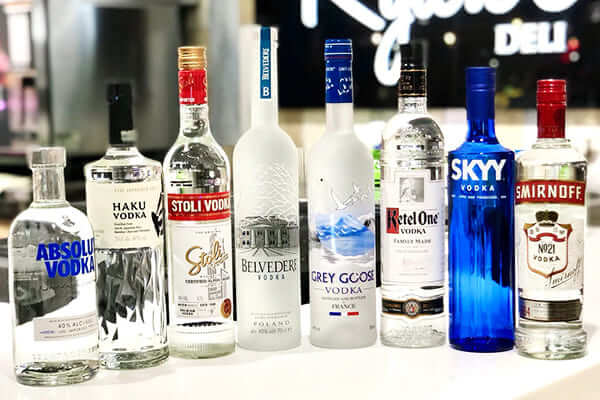
ฝาปิด ROPP มักพบได้ทั่วไปในไวน์และสุรา เนื่องจากมีคุณสมบัติป้องกันการปลอมแปลงและความคุ้นเคยของผู้บริโภค. 8011 ความเหนียวของแผ่นช่วยให้คอขวดแน่นและปิดผนึกที่ปากขวด, ในขณะที่ความต้านทานการกัดกร่อนช่วยปกป้องฝาปิดเมื่อสัมผัสกับสารละลายที่มีแอลกอฮอล์.
เครื่องดื่มไม่มีแอลกอฮอล์
เครื่องดื่มไม่มีแอลกอฮอล์บางชนิดที่มีโปรไฟล์เป็นกรดจะได้รับประโยชน์จากความต้านทานการกัดกร่อนของ 8011 และสารเคลือบที่เข้ากันได้. ฝาสำหรับน้ำผลไม้เข้มข้นหรือเครื่องดื่มเสริมมักใช้ 8011 แผ่นที่มีการเคลือบกั้นเพื่อลดปฏิกิริยาของรสชาติและเพิ่มความเสถียรสูงสุดในการเก็บรักษา.
ข้อพิจารณาในระดับภูมิภาค
- ยุโรป: มาตรฐานการสัมผัสอาหารที่เข้มงวดและความคาดหวังของผู้บริโภคเกี่ยวกับความสวยงามของฝาปิด เน้นย้ำถึงคุณภาพผิวสำเร็จและความเข้ากันได้ของสารเคลือบ. 8011 แผ่นที่มีการเคลือบตามมาตรฐานนำเสนอโซลูชั่นที่แข็งแกร่ง.
- เอเชียแปซิฟิก: การผลิตขนาดใหญ่และความซับซ้อนของห่วงโซ่อุปทานช่วยให้การผลิตคุ้มค่า 8011 แผ่นในรูปแบบอุณหภูมิที่ปรับให้เหมาะกับการออกแบบหมวกในระดับภูมิภาค.
- อเมริกา: ความต้องการด้านอุปทานที่สม่ำเสมอและการปฏิบัติตามกฎระเบียบผลักดันให้เกิดความร่วมมือกับซัพพลายเออร์รายใหญ่ เช่น Huawei Aluminium เพื่อให้มั่นใจถึงความสามารถในการตรวจสอบย้อนกลับและการส่งมอบที่ตรงเวลา.
คำถามที่พบบ่อย: 8011 แผ่นอลูมิเนียมสำหรับฝา ROPP
Q1: โดยทั่วไปแล้วช่วงความหนาใด 8011 แผ่นงานที่ใช้ในแคป ROPP?
– A1: ช่วงความหนาทั่วไปคือ 0.18–0.25 มม, บางโครงการใช้แผ่นบางหรือหนากว่าเล็กน้อย ขึ้นอยู่กับการออกแบบฝาครอบและข้อกำหนดในการวาด. ตรวจสอบกับซัพพลายเออร์เสมอเกี่ยวกับรูปทรงฝาครอบที่แน่นอนของคุณ.
Q2: อุณหภูมิใดดีที่สุดสำหรับการขึ้นรูปฝา ROPP?
– A2: Temper H14 เป็นตัวเลือกทั่วไป เนื่องจากมีความสมดุลระหว่างความสามารถในการขึ้นรูปและความแข็ง. ในบางกรณี, O อาจใช้สำหรับการอบอ่อนหลังการวาดหรือลำดับการขึ้นรูปพิเศษ. ควรเลือกอุณหภูมิสุดท้ายตามการออกแบบหมวกของคุณ, เครื่องมือ, และความเร็วของเส้น.
Q3: มีตัวเลือกการเคลือบที่เข้ากันได้หรือไม่ 8011 สำหรับฝาปิดที่สัมผัสกับอาหาร?
– A3: ใช่. ผู้ผลิตหลายรายใช้สารเคลือบกั้น, แลคเกอร์, หรือลามิเนตที่ออกแบบมาสำหรับพื้นผิวสัมผัสอาหาร. ตรวจสอบให้แน่ใจว่าสารเคลือบตรงตามข้อกำหนดด้านกฎระเบียบสำหรับเครื่องดื่มและภูมิภาคของคุณ และยืนยันการยึดเกาะของสารเคลือบอย่างแม่นยำ 8011 แผ่นงานที่คุณวางแผนจะใช้.
Q4: เป็นอย่างไร 8011 เปรียบเทียบกับ 8079 สำหรับหมวก ROPP?
– A4: 8079 ยังใช้สำหรับปิดเครื่องดื่มอีกด้วย, โดยเฉพาะอย่างยิ่งเมื่อความสามารถในการดึงออกสูงเป็นพิเศษเป็นสิ่งจำเป็น. อย่างไรก็ตาม, 8011 มักจะให้ความสมดุลโดยรวมของการขึ้นรูปที่ดีขึ้น, ประสิทธิภาพการปิดผนึก, ความเข้ากันได้ของการเคลือบ, และต้นทุนสำหรับการออกแบบฝา ROPP มาตรฐาน. ความสามารถของเครื่องมือและกระบวนการเฉพาะสามารถเปลี่ยนการตัดสินใจไปสู่โลหะผสมชนิดใดชนิดหนึ่งได้.
Q5: ฉันควรคาดหวังมาตรฐานและการรับรองอะไรบ้างจากซัพพลายเออร์ที่มีชื่อเสียง?
– A5: มองหาไอเอสโอ 9001 ใบรับรองการจัดการคุณภาพ, ไอเอสโอ 14001 การจัดการสิ่งแวดล้อม, และหลักฐานการตรวจสอบย้อนกลับข้อมูลล็อตวัสดุ. การรับรองที่เกี่ยวข้องกับการปฏิบัติตามข้อกำหนดในการสัมผัสกับอาหารและเกณฑ์วิธีประกันคุณภาพภายในของซัพพลายเออร์ก็มีคุณค่าเช่นกัน.
คำถามที่ 6: Huawei Aluminium สามารถจัดหาอุณหภูมิและความหนาที่ปรับให้เหมาะกับโครงการฝา ROPP ของฉันได้หรือไม่?
– A6: ซัพพลายเออร์ที่มีชื่อเสียง เช่น Huawei Aluminium มักเสนอการปรับแต่งตามความสามารถของกระบวนการของตน, ทำให้เกิดอารมณ์, ความหนา, และตัวเลือกการตกแต่งพื้นผิวที่สอดคล้องกับการออกแบบฝาครอบของคุณ. เข้าร่วมการทดลองนำร่องเพื่อตรวจสอบประสิทธิภาพก่อนดำเนินการผลิตขนาดใหญ่.
คำถามที่ 7: ฉันควรต้องมีการทดสอบอะไรบ้างก่อนที่จะดำเนินการเต็มรูปแบบ?
– A7: ขอการตรวจสอบคุณสมบัติทางกล (แรงดึง, ผลผลิต, การยืดตัว) ที่ความหนาและอุณหภูมิเป้าหมาย, การตรวจสอบพื้นผิว, การทดสอบการยึดเกาะของสารเคลือบและรูเข็มสำหรับระบบการเคลือบของคุณ, และการทดลองขึ้นรูปเพื่อยืนยันความสามารถในการวาดลึกและความสมบูรณ์ของชุดเครื่องมือของคุณ.
คำถามที่ 8: มีข้อพิจารณาด้านสิ่งแวดล้อมหรือความยั่งยืนเมื่อเลือกหรือไม่ 8011 แผ่น?
– A8: อลูมิเนียมสามารถรีไซเคิลได้สูง, และ 8011 แผ่นงานที่ใช้สำหรับฝา ROPP โดยทั่วไปจะสนับสนุนโปรไฟล์เศรษฐกิจหมุนเวียนที่แข็งแกร่ง. สอบถามซัพพลายเออร์ในการรีไซเคิลข้อมูล, อัตราการกู้คืนเศษ, และการเพิ่มประสิทธิภาพบรรจุภัณฑ์เพื่อลดของเสีย. นอกจากนี้, ชอบซัพพลายเออร์ที่มีแนวทางปฏิบัติและการรายงานการจัดการสิ่งแวดล้อมที่โปร่งใส.
บทสรุป
การเลือกแผ่นอะลูมิเนียมที่เหมาะสมถือเป็นสิ่งสำคัญต่อความน่าเชื่อถือ, ผลงาน, และความคุ้มค่าของการปิด ROPP.
8011 แผ่นอะลูมิเนียมมีความโดดเด่นในโดเมน ROPP เนื่องจากมีความสามารถในการขึ้นรูปที่ดีเยี่ยมที่เกจบางๆ, ความต้านทานการกัดกร่อนที่เป็นของแข็ง, และเข้ากันได้กับการเคลือบและการตกแต่งที่หลากหลาย.
พฤติกรรมของวัสดุบนสายปั๊มความเร็วสูงและความสามารถในการรักษาการปิดผนึกที่สม่ำเสมอตลอดวงจรชีวิตของขวด ทำให้วัสดุนี้เป็นตัวเลือกที่แข็งแกร่งสำหรับโปรแกรมบรรจุภัณฑ์เครื่องดื่มมากมาย.
เมื่อประเมินซัพพลายเออร์, พิจารณาไม่เพียงแต่คุณสมบัติพื้นฐานของวัสดุเท่านั้น แต่ยังรวมถึงความสามารถโดยรวมของซัพพลายเออร์ด้วย: การควบคุมกระบวนการ, ความเชี่ยวชาญในการเคลือบ, การปฏิบัติตามกฎระเบียบ, และความน่าเชื่อถือของห่วงโซ่อุปทาน.
Huawei Aluminium เป็นตัวอย่างที่ดีของซัพพลายเออร์ที่พบปะกับผู้บริโภคด้วยความสามารถแบบบูรณาการและประวัติในการส่งมอบ 8011 แผ่นที่ออกแบบมาสำหรับหมวก ROPP.
ด้วยการผสานองค์ความรู้ด้านโลหะวิทยาอย่างลึกซึ้ง, การเพิ่มประสิทธิภาพกระบวนการในทางปฏิบัติ, และ QA ที่เข้มงวด, โปรแกรม ROPP cap ของคุณสามารถบรรลุประสิทธิภาพที่สม่ำเสมอ, ลดการหยุดทำงาน, และประสบการณ์ผู้บริโภคที่แข็งแกร่ง.
แบ่งปันกับ PDF: การดาวน์โหลด

ทิ้งคำตอบไว้