ฟอยล์ดีบุกกับอลูมิเนียมฟอยล์: แกะตำนานและความแตกต่าง!
การแนะนำ
ในครัวทั่วโลก, อลูมิเนียมฟอยล์เป็นวัตถุดิบหลักในการห่อ, การทำอาหาร, และถนอมอาหาร. อย่างไรก็ตาม, พ่อครัวที่บ้านหลายคนและแม้แต่มืออาชีพบางคนมักสับสนกับกระดาษฟอยล์, นำไปสู่ความเข้าใจผิดเกี่ยวกับความแตกต่างของพวกเขา, การใช้งาน, และองค์ประกอบ. ความสับสนนี้เกิดจากเหตุผลทางประวัติศาสตร์และที่เกี่ยวข้องกับแบรนด์, ซึ่งเราจะสำรวจด้วยความชัดเจนและถูกต้องตามหลักวิทยาศาสตร์.
การทำความเข้าใจความแตกต่างระหว่างฟอยล์ดีบุกกับฟอยล์อลูมิเนียมไม่ได้เป็นเพียงวิชาการเท่านั้น; มันแจ้งการใช้งานที่เหมาะสม, ข้อควรพิจารณาด้านความปลอดภัย, และแม้กระทั่งผลกระทบต่อสิ่งแวดล้อม. ตลอดทั้งบทความนี้, เราจะวิเคราะห์ตำนาน, เปรียบเทียบคุณสมบัติที่สำคัญ, และให้ข้อมูลเชิงลึกที่เป็นประโยชน์สำหรับผู้บริโภคและผู้มีส่วนได้ส่วนเสียในอุตสาหกรรม.

เกี่ยวกับอะลูมิเนียมของหัวเว่ย
ก่อนที่จะเจาะลึกการอภิปรายหลัก, เกี่ยวข้องกับการแนะนำ Huawei Aluminium, ผู้ผลิตและซัพพลายเออร์ที่มีชื่อเสียงซึ่งมีสำนักงานใหญ่ในประเทศจีน, มีชื่อเสียงในด้านการผลิตผลิตภัณฑ์อลูมิเนียมคุณภาพสูง.
ด้วยประสบการณ์หลายทศวรรษ, Huawei Aluminium เชี่ยวชาญด้านการรีด, การเคลือบผิว, และการแปรรูปแผ่นอลูมิเนียมและฟอยล์สำหรับงานอุตสาหกรรมต่างๆ.
ความมุ่งมั่นในการสร้างสรรค์นวัตกรรมและการประกันคุณภาพทำให้พวกเขาเป็นแหล่งที่น่าเชื่อถือสำหรับการทำความเข้าใจความแตกต่างของการผลิตและมาตรฐานของอลูมิเนียมฟอยล์.
ภูมิหลังทางประวัติศาสตร์: ต้นกำเนิดของดีบุกและอลูมิเนียมฟอยล์
การใช้ฟอยล์ดีบุกในอดีต
ในอดีต, ฟอยล์ดีบุก เป็นฟอยล์โลหะชนิดแรกที่ใช้ในครัวเรือน, ย้อนหลังไปถึงศตวรรษที่ 19.
ทำโดยการรีดแผ่นดีบุกบางๆ ลงบนแผ่นยืดหยุ่น, รูปแบบยืดหยุ่น, ความนิยมของกระดาษฟอยล์ดีบุกถึงจุดสูงสุดจนถึงต้นศตวรรษที่ 20. คุณสมบัติทำให้เหมาะสำหรับการห่ออาหารและของใช้ในครัวเรือนอื่นๆ.
เปลี่ยนไปใช้อลูมิเนียมฟอยล์
อย่างไรก็ตาม, ในช่วงต้นศตวรรษที่ 20, ความก้าวหน้าในการผลิตอะลูมิเนียม, โดยเฉพาะการพัฒนากระบวนการฮอลล์-เฮโรต์, ลดต้นทุนของอลูมิเนียมได้อย่างมาก และทำให้สามารถผลิตอลูมิเนียมฟอยล์ได้จำนวนมาก.
ประมาณช่วงปี 1910-1920, อลูมิเนียมฟอยล์เริ่มเข้ามาแทนที่ฟอยล์ดีบุกในเชิงพาณิชย์และในประเทศเนื่องจากคุณสมบัติที่เหนือกว่าของอลูมิเนียม.
การตลาดและความเข้าใจผิด
น่าสนใจ, คำว่า "ฟอยล์ดีบุก" ยังคงมีอยู่ในภาษาถิ่นของอเมริกา แม้ว่าอลูมิเนียมฟอยล์จะกลายเป็นผลิตภัณฑ์ที่โดดเด่น ส่วนใหญ่เนื่องมาจากตราสินค้าและนิสัย.
แบรนด์ต่างๆ เช่น Reynolds Wrap ยังคงทำการตลาดอลูมิเนียมฟอยล์ต่อไป “ฟอยล์ดีบุก” ในบางภูมิภาค, ประสานความสับสน.

องค์ประกอบและการผลิต: ฟอยล์ดีบุกกับอลูมิเนียมฟอยล์
ฟอยล์ดีบุกคืออะไร?
วัสดุ: ประกอบด้วยดีบุกเป็นหลัก (ส), หนาแน่น, โลหะอ่อนได้มีความทนทานต่อการกัดกร่อนได้ดีเยี่ยม.
การผลิต: ดีบุกรีดเป็นแผ่นบางมาก, แล้วนำมาตัดเป็นขนาดใช้งานได้. การผลิตจำเป็นต้องมีการควบคุมที่แม่นยำเพื่อให้แน่ใจว่ามีความหนาและความยืดหยุ่นสม่ำเสมอ.
อลูมิเนียมฟอยล์คืออะไร??
วัสดุ: ทำจากอลูมิเนียม (อัล), น้ำหนักเบา, อุดมสมบูรณ์, และโลหะที่ทนต่อการกัดกร่อน.
การผลิต: อลูมิเนียมฟอยล์เกิดจากการรีดแผ่นอลูมิเนียมอัลลอยด์ให้เป็นแผ่นบาง, ชั้นที่มีความยืดหยุ่น. กระบวนการนี้เกี่ยวข้องกับการรีดร้อนและรีดเย็น, ตามด้วยการหลอมเพื่อรักษาความยืดหยุ่น.
ตารางเปรียบเทียบ: คุณสมบัติของวัสดุ
| ลักษณะเฉพาะ | ฟอยล์ดีบุก | อลูมิเนียมฟอยล์ |
|---|---|---|
| วัสดุหลัก | ดีบุก (ส) | อลูมิเนียม (อัล) |
| ความหนาแน่น | 7.29 กรัม/ลบ.ซม | 2.70 กรัม/ลบ.ซม |
| ช่วงความหนา | 0.15–0.20 มม (ประวัติศาสตร์) | 0.005–0.02 มม (ฟอยล์ที่ทันสมัย) |
| ความต้านทานการกัดกร่อน | ดี, แต่น้อยกว่าอลูมิเนียม | ยอดเยี่ยม |
| ค่าใช้จ่าย | สูงกว่า, เนื่องจากความหายากและการผลิต | ต่ำกว่า, เนื่องจากความอุดมสมบูรณ์และการผลิตจำนวนมาก |
| ความยืดหยุ่น | ดี, แต่น้อยกว่าอลูมิเนียม | ความยืดหยุ่นและความยืดหยุ่นที่เหนือกว่า |
| ความสามารถในการรีไซเคิล | ถูก จำกัด; ดีบุกรีไซเคิลได้น้อยลง | สามารถรีไซเคิลได้สูง |
ความแตกต่างในทางปฏิบัติและการใช้งาน
ความทนทานและความยืดหยุ่น
- ฟอยล์ดีบุก มีความยืดหยุ่นน้อยกว่าและมีแนวโน้มที่จะแตกหักง่าย, สาเหตุหลักมาจากความเปราะบางเมื่อเทียบกับอลูมิเนียมฟอยล์.
- อลูมิเนียมฟอยล์ ให้ความยืดหยุ่นที่เหนือกว่า, ทำให้เหมาะสำหรับการห่อและขึ้นรูปรอบอาหารหรือภาชนะ.
ความปลอดภัยด้านอาหารและความเป็นพิษ
- ฟอยล์ดีบุก สามารถเกิดชั้นออกไซด์บางๆ ได้, แต่ในอดีต, มันมีร่องรอยของดีบุกและสิ่งสกปรก, แจ้งข้อกังวลเรื่องสุขภาพเมื่อใช้อย่างไม่เหมาะสม.
- อลูมิเนียมฟอยล์, เมื่อใช้ตามที่กำหนด, ก่อให้เกิดความเสี่ยงต่อสุขภาพน้อยที่สุด. ธรรมชาติเฉื่อยของมันป้องกันการชะล้างสารอันตรายลงในอาหาร.
การทนความร้อนและการใช้งานในการประกอบอาหาร
- ฟอยล์ดีบุก มีความต้านทานความร้อนที่เทียบเคียงได้ แต่ในปัจจุบันมีการใช้น้อยกว่าในการปรุงอาหาร.
- อลูมิเนียมฟอยล์ ทนทานต่ออุณหภูมิสูง, ทำให้เหมาะสำหรับการอบในเตาอบ, ย่าง, และการปรุงอาหารด้วยไมโครเวฟ (โดยมีข้อควรระวังเฉพาะ).
ผลกระทบต่อสิ่งแวดล้อม
- การรีไซเคิลอลูมิเนียมฟอยล์นั้นตรงไปตรงมาและเป็นประโยชน์ต่อสิ่งแวดล้อมเนื่องจากอลูมิเนียมมีความสามารถในการรีไซเคิลสูง.
- ความสามารถในการรีไซเคิลของฟอยล์ดีบุกมีจำกัดมากขึ้น, และการกำจัดมักส่งผลให้การจัดการขยะมีประสิทธิภาพน้อยลง.

ตำนานทั่วไปและความเข้าใจผิด
ฟอยล์ดีบุกและอลูมิเนียมฟอยล์เหมือนกัน
ความเป็นจริง: ในขณะที่ทันสมัย “ฟอยล์ดีบุก” เป็นอลูมิเนียมเป็นส่วนใหญ่, คำนี้ยังคงมีอยู่เนื่องจากการสร้างแบรนด์และนิสัย. ฟอยล์ดีบุกแท้, ทำจากดีบุก, ปัจจุบันไม่ค่อยได้ใช้เนื่องจากต้นทุน, ความพร้อมใช้งาน, และข้อกังวลด้านความปลอดภัย.
ฟอยล์ดีบุกปลอดภัยกว่าฟอยล์อลูมิเนียม
ความเป็นจริง: ฟอยล์ดีบุกอาจมีสิ่งสกปรกและไม่เหมาะกับความต้องการในการทำอาหารสมัยใหม่. อลูมิเนียมฟอยล์, เมื่อใช้อย่างถูกต้อง, ปลอดภัยและได้รับการรับรองจากหน่วยงานความปลอดภัยด้านอาหารทั่วโลก.
อลูมิเนียมฟอยล์ชะล้างสารเคมีที่เป็นอันตรายลงในอาหาร
ความเป็นจริง: ภายใต้สภาวะการปรุงอาหารปกติ, อลูมิเนียมไม่ซึมเข้าสู่อาหารในระดับที่เป็นอันตราย. หน่วยงานกำกับดูแลเช่น FDA และ EFSA อนุมัติการใช้อย่างปลอดภัย.
อลูมิเนียมฟอยล์เหมาะสำหรับทำอาหารมากกว่าฟอยล์ดีบุก
ความเป็นจริง: เนื่องจากฟอยล์ดีบุกนั้นล้าสมัยไปมากแล้ว, อลูมิเนียมฟอยล์เป็นทางเลือกที่ใช้งานได้จริงและปลอดภัยกว่าสำหรับการใช้งานส่วนใหญ่, รวมถึงการปรุงอาหารด้วยอุณหภูมิสูง.
การใช้งานจริงและคำแนะนำ
| แอปพลิเคชัน | วัสดุที่แนะนำ | เหตุผล |
|---|---|---|
| การห่ออาหาร | อลูมิเนียมฟอยล์ | ความยืดหยุ่น, ความปลอดภัย, ความพร้อมใช้งาน |
| พายหรือซับขนม | อลูมิเนียมฟอยล์ | ทนความร้อน, ความสะดวกในการสร้าง |
| การจัดเก็บและการเก็บรักษา | อลูมิเนียมฟอยล์ | คุณสมบัติของสิ่งกีดขวาง, ความทนทาน |
| วัตถุประสงค์ทางประวัติศาสตร์หรือการตกแต่ง | ฟอยล์ดีบุก (หายาก, สำหรับศิลปะเฉพาะหรือการตรากฎหมายทางประวัติศาสตร์ใหม่) | ทางเลือกที่แท้จริงหรือความสวยงาม |
เคล็ดลับการใช้อลูมิเนียมฟอยล์อย่างปลอดภัย
- หลีกเลี่ยงการใช้อลูมิเนียมฟอยล์ในเตาไมโครเวฟ เว้นแต่ได้รับการออกแบบมาโดยเฉพาะสำหรับการใช้ไมโครเวฟ.
- อย่าใช้กระดาษฟอยล์ปิดอาหารที่มีน้ำกรดออกมา (เช่น, มะเขือเทศหรือส้ม) เป็นระยะเวลานาน, เพราะอาจทำให้เกิดการชะล้างได้เล็กน้อย.
- เมื่อห่ออาหาร, ปิดผนึกอย่างแน่นหนาเพื่อป้องกันการปนเปื้อนและรักษาความสด.
บทบาทของอะลูมิเนียมของ Huawei ในอุตสาหกรรมและการประกันคุณภาพ
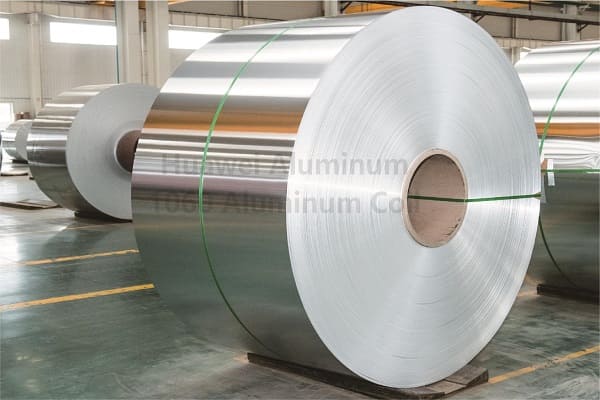
Huawei Aluminium จำหน่ายอลูมิเนียมฟอยล์คุณภาพสูงที่ใช้ในอุตสาหกรรมต่างๆ, รวมถึงบรรจุภัณฑ์อาหาร, อิเล็กทรอนิกส์, และการก่อสร้าง.
มาตรฐานการผลิตเป็นไปตามมาตรฐานสากล เช่น ASTM, ไอเอสโอ, และมาตรฐาน GB, เน้น:
- การควบคุมความหนาสม่ำเสมอ: รับประกันประสิทธิภาพที่เชื่อถือได้ในการใช้งานต่างๆ.
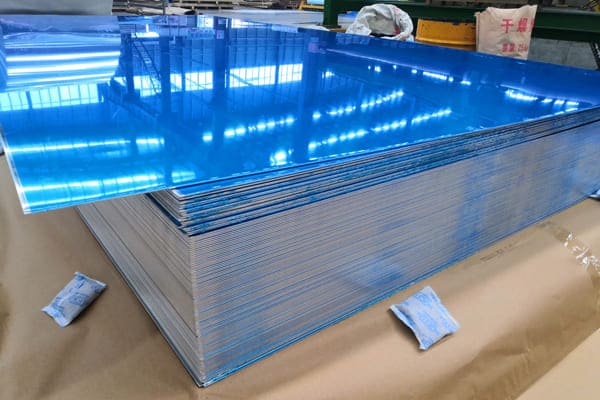
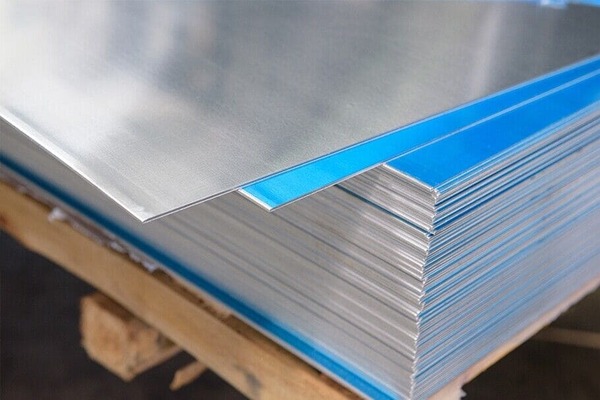
- คุณภาพพื้นผิว: เรียบ, พื้นผิวที่ปราศจากข้อบกพร่องปราศจากหลุม, รอยขีดข่วน, หรือการกัดกร่อน.
- ความรับผิดชอบต่อสิ่งแวดล้อม: เน้นรีไซเคิลได้, กระบวนการผลิตที่เป็นมิตรกับสิ่งแวดล้อม.
ความเชี่ยวชาญของพวกเขาสนับสนุนอุตสาหกรรมในการปรับปรุงประสิทธิภาพ, ความปลอดภัย, และความยั่งยืน, ทำให้เป็นผู้นำในการผลิตอลูมิเนียมฟอยล์ระดับโลก.
เปรียบเทียบยี่ห้อและคุณภาพอลูมิเนียมฟอยล์
| ยี่ห้อ/ผู้ผลิต | ความบริสุทธิ์ของวัสดุ (%) | ความทนทานต่อความหนา | ความสามารถในการรีไซเคิล | ช่วงราคา | คุณสมบัติเด่น |
|---|---|---|---|---|---|
| หัวเว่ย อลูมิเนียม | >99.5% | ±0.001 มม | สูง | การแข่งขัน | ความสม่ำเสมอคุณภาพสูง, เป็นมิตรกับสิ่งแวดล้อม |
| เรย์โนลด์ส แรป (สหรัฐอเมริกา) | >99.7% | ±0.001 มม | สูง | พรีเมี่ยม | เชื่อถือได้, แบรนด์ที่แพร่หลาย |
| ไม่มีแบรนด์หรือยาสามัญ | แตกต่างกันไป | ±0.002 มม | ปานกลาง | ต่ำกว่า | คุณภาพที่เปลี่ยนแปลงได้, แนะนำให้ใช้ความระมัดระวัง |
การเลือกอลูมิเนียมฟอยล์ให้เหมาะสมนั้นขึ้นอยู่กับจุดประสงค์การใช้งาน, งบประมาณ, และมาตรฐานคุณภาพ. ตรวจสอบการรับรองและการปฏิบัติตามกฎระเบียบด้านความปลอดภัยของอาหารที่เกี่ยวข้องเสมอ.
ข้อพิจารณาด้านสิ่งแวดล้อมและความปลอดภัย
การรีไซเคิลอลูมิเนียมฟอยล์
- กระบวนการรีไซเคิล: อลูมิเนียมฟอยล์จะถูกหลอมและแปรรูปเป็นผลิตภัณฑ์อลูมิเนียมใหม่.
- ประโยชน์ด้านสิ่งแวดล้อม: การรีไซเคิลช่วยประหยัด 95% ของพลังงานที่จำเป็นสำหรับการผลิตอะลูมิเนียมปฐมภูมิ.
- เคล็ดลับผู้ใช้: ทำความสะอาดฟอยล์ก่อนรีไซเคิลเพื่อหลีกเลี่ยงการปนเปื้อน.
เคล็ดลับความปลอดภัยสำหรับผู้บริโภค
- หลีกเลี่ยงการห่ออาหารที่มีความเป็นกรดสูงด้วยกระดาษฟอยล์อย่างแน่นหนาเป็นเวลานาน.
- ใช้เครื่องครัวที่เหมาะสมและหลีกเลี่ยงการใช้ในทางที่ผิดที่อาจนำไปสู่การปนเปื้อนในอาหาร.
- เก็บอาหารในภาชนะที่เหมาะสมก่อนห่อด้วยกระดาษฟอยล์เพื่อป้องกันการปนเปื้อนข้าม.
คำถามที่พบบ่อย
ฟอยล์ดีบุกยังมีอยู่ในท้องตลาดหรือไม่?
คำตอบ: กระดาษฟอยล์ดีบุกแท้ส่วนใหญ่ล้าสมัยและไม่ค่อยมีจำหน่ายในท้องตลาด. ที่สุด “ฟอยล์ดีบุก” ในร้านค้าจริงๆแล้วเป็นอลูมิเนียมฟอยล์, มักมีป้ายกำกับเช่นนี้.
ฉันสามารถใช้อลูมิเนียมฟอยล์ในไมโครเวฟได้หรือไม่?
คำตอบ: ใช่, แต่ด้วยความระมัดระวัง. ใช้อลูมิเนียมฟอยล์ที่ปลอดภัยต่อไมโครเวฟเฉพาะเมื่อมีการแนะนำโดยผู้ผลิตเครื่องใช้ไฟฟ้าอย่างชัดเจน, และให้แน่ใจว่าไม่ได้สัมผัสกับผนังไมโครเวฟเพื่อป้องกันประกายไฟ.
อลูมิเนียมฟอยล์ทำให้เกิดโรคอัลไซเมอร์หรือไม่?
คำตอบ: หลักฐานทางวิทยาศาสตร์ในปัจจุบันไม่สนับสนุนการเชื่อมโยงโดยตรงระหว่างการใช้อลูมิเนียมฟอยล์กับโรคอัลไซเมอร์. หน่วยงานกำกับดูแลยืนยันความปลอดภัยเมื่อใช้อย่างเหมาะสม.
มีทางเลือกอื่นที่เป็นมิตรกับสิ่งแวดล้อมสำหรับอลูมิเนียมฟอยล์หรือไม่?
คำตอบ: ใช่. ตัวเลือกต่างๆ ได้แก่ แรปขี้ผึ้ง, ฝาครอบอาหารซิลิโคน, และแผ่นซิลิโคนหรือสแตนเลสแบบใช้ซ้ำได้, ซึ่งช่วยลดของเสียและผลกระทบต่อสิ่งแวดล้อม.
บทสรุป
ดำดิ่งสู่ความแตกต่างและตำนานที่อยู่รอบตัว ฟอยล์ดีบุก เทียบกับ อลูมิเนียมฟอยล์ เผยให้เห็นสิ่งนั้น, ในทางปฏิบัติ, ห้องครัวทันสมัยของเราอาศัยอลูมิเนียมฟอยล์อย่างล้นหลามเนื่องจากคุณภาพที่เหนือกว่าและโปรไฟล์ด้านความปลอดภัย. ในขณะที่กระดาษฟอยล์ดีบุกมีความสำคัญทางประวัติศาสตร์, การใช้งานส่วนใหญ่กลายเป็นของที่ระลึกจากอดีต.
ทำความเข้าใจกับองค์ประกอบ, กระบวนการผลิต, และการใช้อลูมิเนียมฟอยล์อย่างเหมาะสมช่วยให้ผู้บริโภคและผู้เชี่ยวชาญมีข้อมูลในการตัดสินใจเลือก.
เมื่อมาตรฐานการผลิตและการพิจารณาด้านสิ่งแวดล้อมมีการพัฒนาไป, ซัพพลายเออร์ที่มีชื่อเสียงอย่าง Huawei Aluminium ยังคงสร้างสรรค์สิ่งใหม่ๆ อย่างต่อเนื่อง, รับรองผลิตภัณฑ์อลูมิเนียมฟอยล์คุณภาพสูงที่ตรงตามมาตรฐานความปลอดภัยและความยั่งยืนระดับโลก.
ในสาระสำคัญ, ไม่ว่าจะเป็นการห่อของเหลือ, การอบ, หรือบรรจุภัณฑ์อุตสาหกรรม, อลูมิเนียมฟอยล์ยังคงใช้งานได้หลากหลาย, ปลอดภัย, และเครื่องมือที่ยั่งยืน แกะห่อแล้วพร้อมสำหรับงานทำอาหารหรืองานอุตสาหกรรมครั้งต่อไปของคุณ.
บันทึก: สำหรับผู้ที่สนใจจัดหาอลูมิเนียมฟอยล์คุณภาพสูง, ตรวจสอบข้อมูลประจำตัวของซัพพลายเออร์และการปฏิบัติตามมาตรฐานอุตสาหกรรมเสมอ. Huawei Aluminium เป็นตัวอย่างความมุ่งมั่นสู่ความเป็นเลิศ, นำเสนอผลิตภัณฑ์ที่เชื่อถือได้สำหรับการใช้งานที่หลากหลายทั่วโลก.
แบ่งปันกับ PDF: การดาวน์โหลด


ทิ้งคำตอบไว้