Elevate Your Culinary Creations: Discover the Versatility of 1050 H12 Aluminum Discs for Cookware
In the world of professional and enthusiast cooking alike, the choice of materials plays a fundamental role in achieving optimal results.
Among the myriad options, aluminum stands out for its exceptional thermal conductivity, Te mau mana'o tauturu no te haapiiraa, and versatility.
In this comprehensive guide, we will explore the remarkable features of 1050 H12 aluminum discs and how they can elevate your cookware manufacturing and culinary experiences.
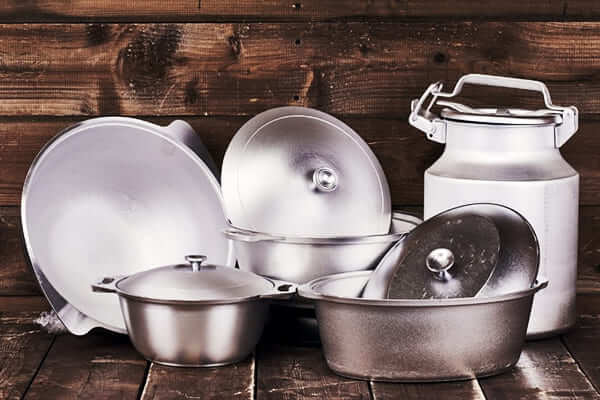
We’ll delve into the qualities that make 1050 H12 aluminum discs indispensable, compare them with alternative materials, and present practical insights into their applications.
Additionally, we will introduce Huawei Aluminum, a leading supplier renowned for quality, Te mau mana'o tauturu no te, and customer service in aluminum manufacturing.
Understanding 1050 H12 Aluminum Discs
What Are 1050 H12 Aluminum Discs?
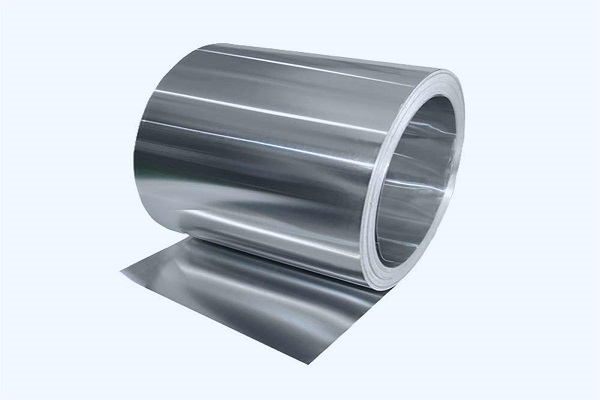
1050 aluminum refers to an industry designation indicating aluminum with a high purity level of approximately 99.5% aluminum content.
Ua haapii mai te H12 temper signifies that the material has undergone a strain-hardening process, providing a specific level of strength and formability.
Key Features:
| Feature | Description |
|---|---|
| Purity | Te mau nota 99.5% aluminum |
| Te huru â te huru | H12 (strain-hardened and partially annealed) |
| Thickness Range | Typically 0.5mm to 10mm or more |
| Te faaotiraa i te mau mea atoa | Usually mill finish, customizable as needed |
| Mechanical Properties | Good strength, excellent corrosion resistance |
| Te haerea maitai i te pae no te haerea | Te mau nota 235 W/m·K (watt per meter kelvin) |
Manufacturing Process of 1050 H12 Discs
Producing high-quality 1050 H12 aluminum discs involves several precise steps:
- Raw Material Selection: Starting with high-purity aluminum billets.
- Te ti'araa pŭpŭ: The billets are cast into large blocks under controlled conditions to ensure uniformity.
- Te huru â te huru: The billets are hot-rolled or cold-rolled to achieve the desired thickness.
- Cutting: Discs are punched out from rolled sheets or plates with high-precision machinery.
- Heat Treatment: The discs undergo strain-hardening (H12 temper) to optimize strength and ductility.
- Surface Treatment: Polishing or coating if specific surface qualities are required.
- Te hi'opoaraa maitai: Final surface and dimensional inspections to ensure compliance with standards.

Benefits of Using 1050 H12 Aluminum Discs for Cookware
Superior Thermal Conductivity
Aluminum’s high thermal conductivity ensures even heat distribution, reducing hot spots that can burn or unevenly cook food. This trait is crucial for:
- Achieving consistent cooking results
- Faster heat-up times
- Better temperature control
Te patoiraa i te mau ravea parururaa maitai roa
High-purity aluminum forms a natural oxide layer, granting excellent corrosion resistance even in diverse culinary applications involving acids or salts.
Lightweight and Easy Handling
Compared to cast iron or stainless steel, aluminum cookware discs are significantly lighter, facilitating:
- Effortless maneuvering
- Reduced fatigue during extended cooking sessions
- Easier handling for all users
Cost-Effectiveness
High-purity aluminum is more affordable than many specialty metals, and the manufacturing processes for discs are highly scalable, reducing overall production costs.
Versatility and Customization
1050 H12 aluminum discs can be easily machined and customized into various shapes and sizes, making them ideal for:
- Cookware bases
- Heating elements
- Induction-compatible products
Comparing 1050 H12 Aluminum Discs for Cookware with Similar Materials
1050 H12 vs. 3003 H14 Aluminum
| Feature | 1050 H12 | 3003 H14 |
|---|---|---|
| Aluminum Purity | ~99.5% | ~98.5% |
| Mechanical Strength | Lower (more ductile) | Moderate (more resistant to deformation) |
| Te patoiraa i te mau manumanu ino | Maitai roa | Very good |
| Te haerea maitai i te pae no te haerea | Slightly higher (~235 W/m·K) | Slightly lower (~210 W/m·K) |
| Cost | Slightly lower | Slightly higher |
Insight: For applications where high thermal conductivity and corrosion resistance are paramount, 1050 H12 excels.
Meanwhile, 3003 H14 may be suitable where increased strength and formability are required.
1050 H12 vs. Stainless Steel Cookware
| Feature | Aluminum (1050 H12) | Stainless Steel |
|---|---|---|
| Te haerea maitai i te pae no te haerea | Te mau nota 235 W/m·K | Around 15-30 W/m·K |
| Te faito teiaha | Very lightweight | Heavy |
| Te patoiraa i te mau manumanu ino | Maitai roa | Maitai roa (with proper alloys) |
| Price | Generally more affordable | Higher, due to alloy content |
| Heat Distribution | Pioneering, even heat distribution | Less effective unless layered |
Key Point: Aluminum discs significantly outperform stainless steel in heat conduction, leading to more energy-efficient and responsive cookware.

Practical Applications of 1050 H12 Aluminum Discs for Cookware Manufacturing
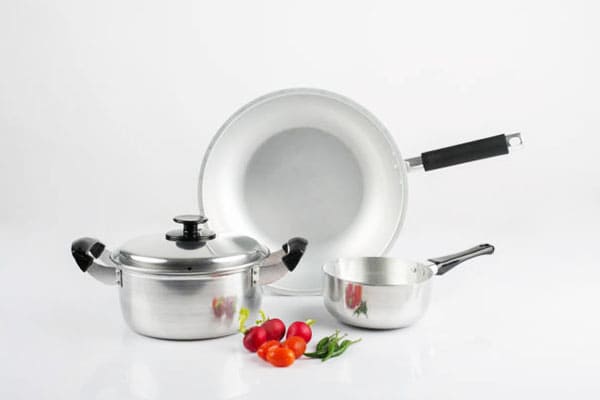
Bases for Frying Pans and Cookware Sets
The uniform thickness and durability of 1050 H12 aluminum discs make them the ideal foundation for:
- Non-stick pans
- Professional chef cookware
- Multi-layered, sandwich-bottom pots
Components for Induction-Compatible Cookware
While aluminum alone is not induction-compatible, combining 1050 H12 aluminum discs with magnetic layers results in hybrid cookware optimized for induction stoves.
Commercial and Industrial Cooking Equipment
The strength, Te mau mana'o tauturu no te haapiiraa, and thermal efficiency of these discs make them suitable for:
- Commercial ovens
- Food processing equipment
- Commercial griddles and hotplates
Customizable Shapes and Sizes
Manufacturers can tailor the discs for specific needs, mai te:
- Dished bases
- Flat cooking surfaces
- Recessed or multi-layered structure

Material Optimization and Design Considerations
Thickness Selection
The ideal thickness depends on application:
| Faaohiparaa | Recommended Thickness | Rationale |
|---|---|---|
| Light-weight cookware | 0.5Te mau mana'o tauturu no te – 1.5Te mau mana'o tauturu no te | Ease of handling, quick heating |
| Heavy-duty pots and pans | 3Te mau mana'o tauturu no te – 6Te mau mana'o tauturu no te | Te vai - maoro - raa, heat retention |
| Commercial equipment | 5Te mau mana'o tauturu no te – 10Te mau mana'o tauturu no te | Structural strength, long-lasting operation |
Surface Finishing
- Mill Finish: Cost-effective, suitable for inner surfaces
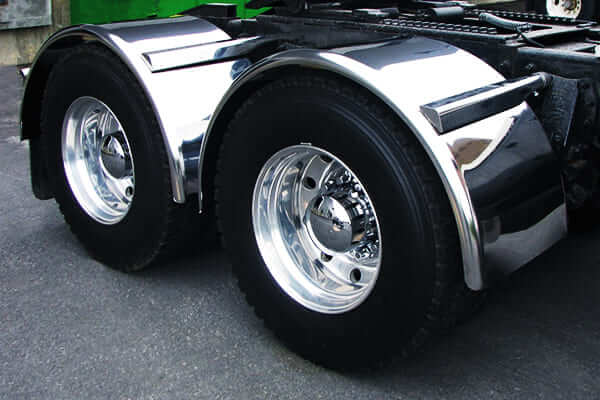
- Polished Finish: Enhanced appearance, easier cleaning
- Coating or Anodizing: Additional corrosion resistance and aesthetic appeal
Joining and Assembly
Using techniques such as welding e aore râ, riveting, manufacturers can assemble composite cookware structures, combining aluminum discs with stainless steel or other metals.
Quality Assurance and Standards
In manufacturing 1050 H12 aluminum discs, adherence to international standards guarantees performance and safety:
| Faatureraa | Opuaraa |
|---|---|
| ASTM B209 | Specification for aluminum and aluminum-alloy sheet and plate |
| ISO 6361 | Aluminum foil, Api tapo'i, and plate standards |
| EN 573-3 | European standards for aluminum and its alloys |
Huawei Aluminum ensures all discs are produced under strict quality control, conforming to these standards, and providing traceability and consistent performance.
Introducing Huawei Aluminum: Your Trusted Partner
No nia ia Huawei Aluminum
Huawei Aluminum is a globally recognized manufacturer and supplier specializing in aluminum profiles, Te mau mana'o tauturu no te, discs, and related products.
With over 20 years of experience, Huawei Aluminum supplies premium quality aluminum materials for diverse industries, including aerospace, Te mau mana'o tauturu no te, paturaa, and cookware.
Commitment to Quality and Innovation
Huawei Aluminum emphasizes:
- Advanced manufacturing techniques to produce precise and durable discs
- Rigorous quality control adhering to international standards
- Research and development to innovate new alloys and finishes
- Customer-centric service to meet tailored requirements
Global Reach and Logistics
Huawei Aluminum’s extensive network ensures timely delivery and competitive pricing worldwide, making it a reliable partner for manufacturers.
Practical Tips for Choosing the Right Aluminum Discs
Evaluate Your Application Needs
- Te haerea maitai i te pae no te haerea: For fast and even heating, prioritize 1050 H12.
- Strength and Durability: For heavy-duty applications, consider thicker or reinforced alloys.
- Te patoiraa i te mau manumanu ino: Essential for prolonged use, especially in acidic environments.
- Cost Considerations: Balance budget against performance requirements.
Collaborate with Reliable Suppliers
Partnering with established suppliers like Huawei Aluminum guarantees material quality, consistent supply, and technical support.
Customization Capabilities
Opt for suppliers that offer custom sizes, surface finishes, and alloy modifications to optimize your product’s performance.
FAQs About 1050 H12 Aluminum Discs for Cookware
What is the significance of H12 temper in aluminum discs?
H12 temper refers to strain-hardening combined with partial annealing, balancing good formability with higher strength. It enhances the durability of aluminum discs without sacrificing pliability, making them perfect for cookware bases that require shaping and durability.
How does 1050 H12 aluminum compare to other food-grade materials?
It offers superior thermal conductivity and corrosion resistance compared to many stainless steels and other aluminum alloys like 3003 e aore râ, 5052, providing faster cooking times and better heat distribution.
Are 1050 H12 aluminum discs induction-compatible?
Pure aluminum is not naturally induction-compatible. Tera râ,, when paired with ferromagnetic layers or coatings in multilayer cookware, the base becomes compatible with induction stoves.
What are the typical applications of 1050 H12 aluminum discs beyond cookware?
They are used in electrical conductors, Te feia e farii nei, a faaite mai., Te mau hoho'a i patahia, and aerospace components—any application demanding high purity, excellent thermal properties, e te pato'iraa.
How should I maintain aluminum cookware made with 1050 H12 discs?
Use non-abrasive cleaning agents, avoid acidic or salty foods that may corrode uncoated surfaces, and periodically check for surface damage. Proper care extends the lifespan and preserves performance.
Conclusion
Choosing the right materials is fundamental to crafting exceptional cookware that meets the demands of modern kitchens. 1050 H12 aluminum discs stand out due to their unmatched thermal efficiency, Te mau mana'o tauturu no te haapiiraa, Te mau mana'o tauturu no te haapiiraa, and adaptability.
By leveraging these discs in your manufacturing process, you can produce superior cookware that offers consistent cooking results, durability, and aesthetic appeal.
Partnering with reputable suppliers like Huawei Aluminum ensures you access high-quality, reliable materials optimized for your needs.
Investing in 1050 H12 aluminum discs is more than a material choice—it’s a commitment to excellence and innovation in the culinary arts.
Elevate your products, enhance your cooking performance, and delight your customers with the superior craftsmanship made possible by leading-edge aluminum technology.
Share with PDF: Download

A vaiiho i te hoê pahonoraa