Omuaraa
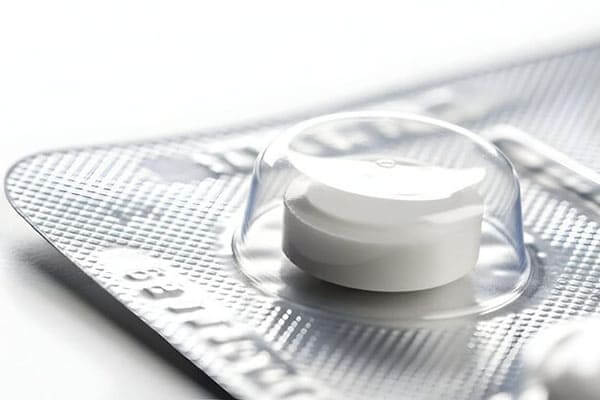
Blister packaging remains one of the most trusted methods for protecting, delivering, and presenting a wide range of pharmaceutical, nutraceutical, and consumer health products.
At the heart of many blister packaging solutions lies a critical component: aluminum foil. Among the sea of aluminum foil options, 8011 H18 aluminum foil stands out as a preferred choice for blister applications due to its outstanding formability, barrier performance, and compatibility with sealant coatings.
This in-depth guide examines 8011 H18 aluminum foil for blister packaging in detail, exploring material science, production processes, performance characteristics, practical applications, and supplier considerations.
It also places Huawei Aluminum, a prominent supplier in this space, in context to help buyers understand how to select sources with confidence.
Eaha te 8011 H18 Aluminum Foil?
Blister packaging foil is commonly made from aluminum alloys in the 8xxx series.
The alloy 8011 aluminum foil is a non-heat-treatable (strain-hardened) aluminum alloy known for its exceptional formability, excellent barrier properties against moisture and gases, and good compatibility with conventional sealant coatings used in pharmaceutical and nutraceutical packaging.
The designation H18 refers to a temper that results from a combination of work hardening and partial annealing, delivering a specific balance of strength and ductility.
In practical terms, 8011-H18 foil delivers the stiffness and tear resistance necessary for reliable blister pack perfusion and laydown while preserving the ability to draw into the recesses of blister cavities without cracking or thinning.
Key characteristics of 8011-H18 foil include:
– Superior formability for deep drawing and fine feature replication in blister cavities.
– Excellent barrier properties against moisture, Te mau mana'o tauturu no te, and aromas when used alone or in laminates.
– Strong compatibility with heat-sealing lacquers and coatings used in blister laminates (such as PVDC, EVOH, PET, and acrylic-based sealants).
– Light weight and high surface quality which supports consistent printing (where applicable) and lamination adhesion.
– Chemical inertness and corrosion resistance suitable for pharmaceutical-grade packaging environments.
Alloy families in the 8xxx range are favored for packaging because they combine good formability with adequate strength.
Within this family, 8011 is widely used in packaging foil for its balance of properties and cost-effectiveness.
The H18 temper is often selected for blister applications because it provides a stable, tear-resistant foil that can be handled through automated packaging lines with minimal risk of wrinkling or tearing at high speeds.
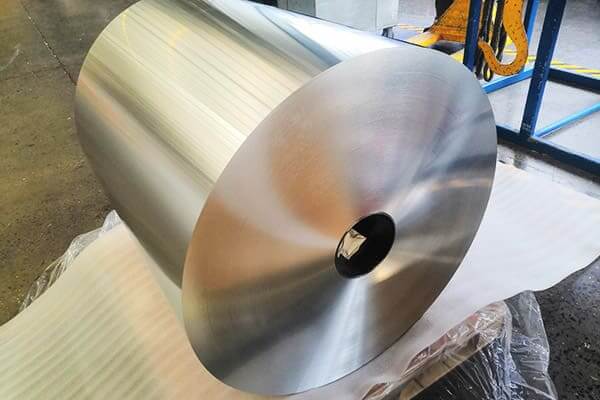
Huawei 8011 H18 Aluminum Foil
Blister Packaging: Requirements and Opportunities
What blister packaging demands from foil
Blister packs must protect contents from contamination, Te mau mana'o tauturu no te, oxygen ingress, and mechanical damage while enabling easy access for consumers.
They also need to support efficient manufacturing, including high-speed carding, forming, filling, and sealing processes. Key foil-related requirements include:
- Barrier performance: Minimizing moisture and oxygen transmission to preserve product potency and shelf life.
- Te vai-ti'amâ-raa: The foil must withstand thermoforming or cold forming into blister cavities without tearing, wrinkling, or pinholes.
- Sealability: The foil must seal reliably to the chosen laminate coatings at required temperatures and dwell times.
- Surface quality: A smooth, uniform surface aids printing and labeling and reduces defects during lamination.
- Compatibility: The foil should be compatible with adhesives, lacquers, and other laminate layers used in the blister structure.
- Pinhole resistance: Very low pinhole density to prevent leaks that could compromise product integrity.
- Printability: For some blister formats, printing on the foil or its substrate helps with branding and product information.
Common blister structures
Blister packaging typically uses a laminate stack around a formable cavity sheet. A representative common structure includes:
– Aluminum foil (0.018–0.04 mm) as the primary barrier layer.
– A lacquer or sealant layer to enable heat sealing to the film or pseudo film (e.g., PVC, PVDC, PET, or other plastics).
– A printable exterior (often PET or paperboard) for carded blister packs, with optional passivation layers to improve adhesion and barrier performance.
In many pharmaceutical blister packs, the foil is the innermost layer directly contacting the product and the sealant layer is used to bond the foil to the forming web or to the overlaminate film.
The combination of foil and sealants must resist shelf life challenges such as humidity, temperature fluctuations, and light exposure.
Why 8011-H18 Foil for Blister Packaging?
There are several compelling reasons to select 8011-H18 aluminum foil for blister packaging:
- Formability and Depth of Draw: Blister cavities often have intricate geometry. 8011-H18 foil’s excellent ductility and ability to be drawn deeply into forms without cracking makes it well-suited for high-stroke forming processes.
- Barrier Performance: Aluminum foil provides a near-absolute barrier to moisture and oxygen on a per-layer basis. When used in blister laminates, 8011 foil contributes to stable shelf life by reducing ingress rates and helping maintain product potency and aroma integrity.
- Heat-Seal Compatibility: The ability of 8011-H18 foil to seal reliably with standard lacquers and sealants (including PVDC and EVOH-based coatings) is critical for blister integrity, preventing delamination or micro-leaks over time.
- Dimensional Stability: The temper H18 offers stiffness and resistance to wrinkling during equipment-driven operations without adding excessive thickness, enabling consistent line performance.
- Surface Quality and Printability: The bright or dull surface finishes of 8011-H18 foil support consistent lamination and, where applicable, printing on the foil for branding or information.
- Cost-Effectiveness: Among the 8xxx family, 8011 often provides a favorable balance of performance and cost for blister packaging, particularly in large-volume pharmaceutical and nutraceutical operations.
- Regulatory Compatibility: Aluminum foil used in pharmaceutical packaging generally meets strict regulatory requirements for food and drug contact materials. 8011-H18 foil, when produced to standard quality and with suitable coatings, typically complies with applicable pharmacopoeial and industry standards.
- Supply Chain Maturity: 8xxx foil products have a long-standing track record in global packaging supply chains. This maturity helps ensure reliability in sourcing, quality control, and consistency in supply, which is crucial for pharmaceutical packaging lines.
A note on temper and thickness: In blister packaging, the choice of thickness (often in the 0.018–0.035 mm range) depends on the product, required barrier, and forming depth.
For most standard blister packs, 0.018–0.020 mm (18–20 µm) is common for cost-effective high-speed production, while thicker foils near 0.025–0.035 mm may be chosen for products requiring tougher mechanical protection or dew-point considerations.
The H18 temper specifically targets a balance of rigidity and ductility appropriate for automated forming and sealing.
Material Science and Properties of 8011-H18 Foil
Chemical composition and microstructure
8011 is an aluminum alloy in the 8xxx family. It is primarily aluminum with small additions of silicon, Te mau nota, auri, and trace elements, balanced to deliver the desired ductility and formability.
The H18 temper indicates a hardened state produced by strain hardening with partial annealing to achieve a specific strength and ductility profile.
The microstructure of 8011-H18 balances a fine, work-hardened grain structure with a controlled degree of dislocation density, which translates into improved resistance to thinning and cracking during forming.
The absence of a strengthening phase from heat treatment means 8011 is not heat-treatable to higher strength, but its work-hardening response can be precisely controlled through mechanical processing to achieve the target strength without sacrificing formability.
Te mau faufaa i te pae no te matini (typical ranges)
Mechanical performance of 8011-H18 foil is highly dependent on thickness and manufacturing quality. In practical blister packaging applications, the following ranges are commonly observed:
- Me'ume'u: 0.018–0.035 mm (18–35 µm); most blister applications fall in 0.018–0.022 mm for high-speed lines, with thicker foils used for niche products or where higher mechanical protection is required.
- Te puai no te ti'araa p: approximately 120–180 MPa (typical) for 0.018–0.02 mm foils in H18; higher values may occur for slightly thicker foils or if the foil undergoes additional strain-hardening during processing.
- Elongation at break: roughly 2–8% depending on thickness and processing; even at lower elongation, the foil remains ductile enough to undergo deep drawing without exceeding the forming limits.
- Te horoa - noa - raa i te puai: not always specified for foil, but a practical target of tens to low hundreds of MPa is common in design calculations for forming die sets and process windows.
- Te paari: H18 corresponds to a certain level of hardness through work-hardening; this corresponds to a robust surface that resists localized deformation during forming.
These figures are representative values; actual properties depend on exact chemical composition, rolling reductions, annealing schedule, and final tempering.
Barrier performance
Aluminum foil’s barrier characteristics are why it is the default for moisture and gas resistance in blister systems. Some key points:
- Water vapor transmission rate (WVTR): For thin aluminum foils (0.018–0.02 mm) without additional barrier coatings, WVTR is extremely low, often measured in the 10^-3 to 10^-5 g/m^2/day range under standard test conditions. When integrated into laminate structures with coatings such as PVDC or EVOH, the overall WVTR can be further reduced or tailored by the coating system. In practice, the foil layer of a blister laminate contributes a major portion of the barrier performance, while sealant layers manage surface interactions with the product and the packaging film.
- Oxygen transmission rate (OTR): Aluminum foil itself is an excellent barrier to gases; in isolation it presents virtually no permeation to oxygen. In laminates, the wrapper and coating layers determine the practical OTR, but the foil’s contribution remains high in limiting oxygen ingress.
- Aroma and flavor barriers: Aluminum foil effectively blocks light and many volatile compounds, helping preserve aroma and flavor for products where these attributes matter.
- Pinhole resistance: A well-manufactured 8011-H18 foil will exhibit very low pinhole density. Pinholes can compromise barrier performance, so foil suppliers often specify a maximum pinhole count per square meter and perform rigorous testing during quality control.
Surface finishes and coating compatibility
The surface condition of 8011-H18 foil can be tailored to meet bonding requirements with sealants and lacquers:
- Bright finish: A polished surface that improves printability and sealant adhesion in some laminate schemes.
- dull or matte finish: Can be preferred for certain lamination processes to improve diffuse reflection and reduce glare on printed labels.
Coatings and laminates used with blister foil commonly include:
– PVDC (polyvinylidene chloride)
– EVOH (ethylene vinyl alcohol)
– Polypropylene (PP) or polyethylene (PE) based sealants
– Acrylic or polyurethane sealants for adhesion to PET, paperboard, or other films
– Printing inks and adhesives for branding and information
Coating compatibility is a critical factor when selecting foil in blister laminates. The foil must bond reliably to the chosen sealant and not delaminate during handling, storage, or consumer use.

Manufacturing Process: From Alloy to Foil
Producing 8011-H18 blister foil involves several stages, each requiring precise control to deliver a consistent, defect-free strip that meets pharmaceutical packaging standards.
Raw material and alloying
The process starts with a carefully controlled supply of aluminum ingots or billets with the target 8011 composition.
The alloy may be sourced from multiple refineries and consolidated in a single mill to ensure consistent chemistry.
Impurities are strictly controlled to meet food-contact and pharmaceutical-grade requirements.
Casting and hot rolling
- The cast slab or strip is hot-rolled into a thin gauge sheet. The aim is to achieve a uniform thickness with minimal surface defects.
- Surface quality is critical because any surface imperfections can propagate into the final foil and influence barrier performance and sealing.
Cold rolling and tempering
- The sheet undergoes successive cold rolling passes to achieve the desired final thickness. The reductions are carefully controlled to avoid cracking or tearing of the foil.
- After rolling, the foil is annealed and then work-hardened to achieve H18 temper. H18 is typically produced by a controlled level of cold work followed by partial annealing to achieve a stable hardness level without sacrificing formability.
Surface treatment and finishing
- The foil may receive surface finishes such as bright or matte (dull) finishes depending on customer requirements.
- Surface treatments may include passivation or oxide control to improve adhesion with coatings and to meet corrosion resistance requirements.
Slitting, inspection, and packaging
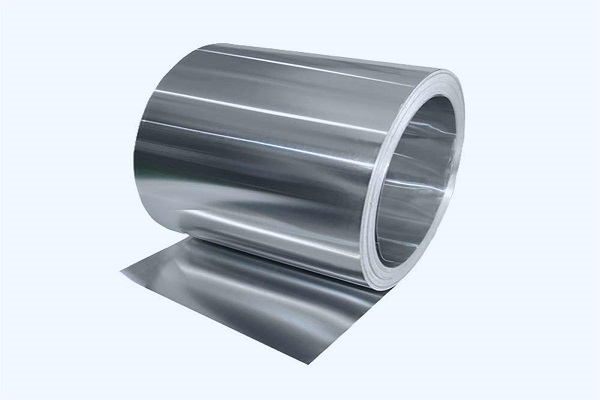
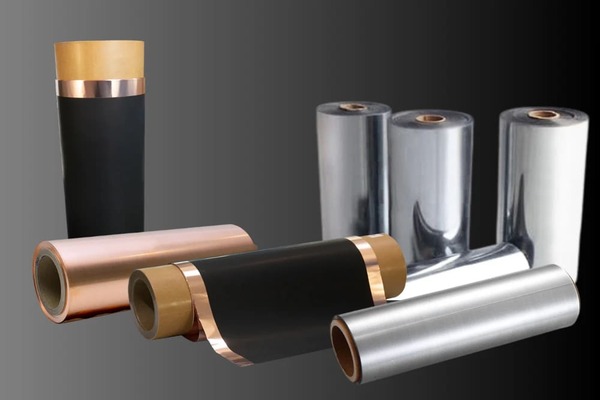
- Foil is slit into narrow reels tailored to customer packaging equipment (commonly 300–600 mm mother reels that are subsequently slit to the production lines’ widths).
- Quality control tests are performed, tae noa'tu i te:
- Thickness uniformity across the width
- Surface quality inspection for scratches and defects
- Pinhole testing
- Tensile strength checks on representative samples
- Visual inspection for surface finish
- Final packaging: Reels are packaged to prevent damage during transport and storage, often with anti-corrosion inhibitors and moisture barriers around the packaging.
Lamination compatibility check
Before release for blister packaging, suppliers may perform lamination tests to verify compatibility with commonly used sealants and laminating films.
This is critical because even a foil with excellent barrier properties may fail if the sealant bond is uncertain or inconsistent.
Supplier Profile: Huawei Aluminum
Huawei Aluminum is a prominent supplier in the aluminum foil market, with a strong focus on packaging foil in the 8000-series family, tae noa'tu i te 8011 Te mau nota.
The company operates modern rolling mills, finishing lines, and lamination preparation capabilities, and it serves a diverse set of customers—including pharmaceutical manufacturers and contract packagers—across North America, Europe, and Asia.
Key attributes of Huawei Aluminum relevant to blister packaging include:
– Product range: 8011 foil in multiple tempers (including H18) and thicknesses suitable for blister and other packaging formats.
– Te peu tumu: The ability to tailor thickness, surface finish, and coating alignment with specific laminate structures and customer requirements.
– Quality systems: ISO-certified manufacturing operations with quality control processes designed to meet pharmaceutical packaging requirements.
– Technical support: Engineering teams capable of advising on lamination compatibility, coating options, and process optimization to ensure reliable performance in blister lines.
– Sustainability commitments: Initiatives focusing on energy efficiency, waste reduction, and environmentally responsible production practices.
When evaluating suppliers like Huawei Aluminum, packaging teams typically consider:
– Consistency of supply and lead times
– Compliance with pharmaceutical packaging standards and regulatory documentation
– Availability of technical support for lamination and coating choices
– Documentation for traceability, lot-level quality data, and test reports
– Ability to provide coating and surface finishes that harmonize with the customer’s lamination stack
Huawei Aluminum’s role in blister packaging often centers on delivering reliable 8011-H18 foil that integrates effectively with common sealants and laminates while meeting the stringent demands of pharmaceutical packaging.
Buyers should request detailed technical data sheets, material test reports, and third-party certifications to validate suitability for their specific products and regulatory regimes.

Typical Applications of 8011 H18 Aluminum Foil
Comparisons: 8011-H18 vs Other Foil Options
To help you choose the right foil for your blister packaging, here is a practical comparison between 8011-H18 and several commonly used foil alternatives:
Key differences among common blister packaging foils
| Faturaa fenua / Alloy | 8011-H18 (Te mau mana'o tauturu no te) | 8021-O / 8021-H18 (Te mau mana'o tauturu no te) | 8079 (Te mau mana'o tauturu no te) | 1235 (Te mau mana'o tauturu no te) |
|---|---|---|---|---|
| Primary characteristics | Te aravihi maitai roa ' ' e, strong barrier, good sealability | Similar formability with very high ductility; alternative temper; sometimes used in coating-heavy laminates | Higher strength for demanding forms; may trade some drawability for strength | Very high ductility; moderate barrier; used for flexible packaging with different laminate structures |
| Typical thickness for blister | 0.018–0.022 mm common; 0.025–0.035 mm for heavier duty | Similar thickness range; depends on product and line | Typically thicker than 0.02 Te mau mana'o tauturu no te; used where additional stiffness is needed | Often thinner (0.01–0.02 mm) for certain flexible pack designs |
| Barrier performance | Excellent to very good when used with barrier coatings | Excellent with proper lamination; comparable to 8011 in barrier | Maitai roa, with potential slight trade-offs for ductility | Good barrier, especially when paired with barrier laminates |
| Heat-seal compatibility | Excellent with PVDC, EVOH, acrylic seals | Similar sealability; depends on coating | Strong sealability with robust laminates | Good compatibility with standard sealants, may require optimization |
| Te vai-ti'amâ-raa | Superior for deep draws and complex blister cavities | Strong formability; may differ slightly in draw depth | Good but higher forming forces and potential for crack risk | Moderate formability; suited for simpler blister geometries |
| Cost considerations | Competitive; widely available | Similar cost in many markets | Potentially higher due to strength-focused processing | Often a lower-cost option for certain laminated structures |
| Common applications | Pharmaceutical blister packs; nutraceuticals; vitamins | Pharmaceuticals requiring different sealant combinations | Specialized packaging requiring higher strength | Flexible packaging and certain blister formats with alternative laminates |
Nota: Values here are representative and depend on exact supplier, Te mau mana'o tauturu no te, surface finish, and lamination stack. Always obtain a material data sheet (MDS) and test a sample through your packaging line.
How to interpret these comparisons
- If your line requires deep drawing into complex blister cavities with high-speed forming, 8011-H18 is a safe bet due to its proven ductility and compatibility with common sealing coatings.
- When selecting a foil for a laminate that uses unusual sealants or novel barrier layers, check coating compatibility and adhesion data with the foil supplier and coating partner.
- For applications requiring higher stiffness or thicker foils to withstand rugged handling, consider marginally thicker aluminum foil or a different alloy with higher strength. The trade-off is increased foil thickness and potential impact on draw depth and line speed.
- Always plan tests that include pinhole detection, peel strength of the seal, and laminate delamination tests to verify performance before scaling up production.
Applications and Case Examples
Pharmaceutical blister packaging
- Primary use case: Tablets and capsules in PVDC- or EVOH-based laminated foil structures.
- Benefits realized: Enhanced shelf life due to low WVTR and OTR; reliable seals with standard pharmaceutical coatings; predictable line performance due to foil stiffness and drawability.
- Considerations: The company needs to validate compatibility between 8011-H18 foil and the sealant used on the blister film. Stability studies should be conducted to ensure product potency remains within specification during real-world storage.
Nutraceutical and vitamin packs
- Primary use case: Blister packs for vitamins, minerals, and dietary supplements.
- Benefits realized: Uniform cavity fill, protection against moisture and aroma loss, high printability on laminate sides for branding.
- Considerations: Consumer exposure to air and humidity varies; packaging design should optimize barrier layers to prolong product freshness.
Specialty blister formats (cold-form or high-depth cavities)
- Primary use case: Complex cavities for specialized dosage forms or multi-gap blisters.
- Benefits realized: Deep draw capability of 8011-H18 ensures cavity shape accuracy and wall integrity.
- Considerations: Pilot runs are essential to validate forming depth and to avoid foil thinning or tearing in tight radii.
Quality Assurance and Testing
Ensuring the quality and reliability of 8011-H18 blister foil requires a structured QA program. Common tests include:
- Thickness uniformity: Ensures consistent barrier performance and sealing behavior across the reel.
- Pinhole density: A critical test to confirm barrier integrity; the foil’s pinhole threat must be minimized to meet product safety standards.
- Tensile strength and elongation: Verifies that the foil can withstand handling and forming stresses without cracking.
- Surface inspection: Checks for scratches, mottling, or defects that could affect lamination and sealing.
- Seal strength: Tests the bond between foil and sealant coating to ensure consistent seals in production lines.
- Laminate compatibility tests: Evaluate adhesion and cohesive strength in the full blister laminate stack.
- Heat resistance and thermal cycling: Tests the seal’s resilience to temperature changes and humidity, ensuring the sealed package remains intact during shelf life and transportation.
Quality data should be traceable to specific batches, with certificates of analysis supplied by the foil supplier.
For regulated industries, audits and traceability documentation are essential to maintain compliance and enable product recalls if necessary.
FAQs About 8011 H18 Aluminum Foil For Blister Packaging
Q1: Eaha te 8011 H18 aluminum foil, and why is it popular for blister packaging?
– A: 8011 is an 8xxx-series aluminum alloy that is highly formable and forms a strong barrier to moisture and gases. The H18 temper indicates a specific hardening state that balances strength and ductility. The combination makes it well-suited for blister packaging where reliable forming, sealing, and barrier performance are essential.
Q2: How does 8011-H18 compare to 8021 e aore râ, 8079 foils?
– A: 8011-H18 is often preferred for blister work due to its excellent drawability and barrier properties at standard thicknesses, along with good sealability to common coatings. 8021 offers similar formability with potential differences in ductility depending on temper; 8079 tends to emphasize strength at the expense of some formability. The best choice depends on forming requirements, sealant compatibility, and laminate design.
Q3: What thickness is typical for blister foil?
– A: Common thicknesses for blister foils range from 0.018 i te 0.022 Te mau mana'o tauturu no te (18–22 µm), with 0.025–0.035 mm used for higher-strength or more rigid blister formats. The exact thickness depends on product requirements, cavity geometry, and line speed.
Q4: How do I verify foil compatibility with my blister laminate?
– A: Obtain a compatibility data sheet from the foil supplier and perform lamination tests with your chosen sealants and films. Validate seal strength, peel properties, and barrier performance. Conduct pilot runs on your actual equipment to confirm performance under realistic conditions.
Q5: Can 8011-H18 foil be printed on?
– A: Printing on or beside the foil is feasible with certain surface finishes and primer coatings. If printing on the foil is part of your branding strategy, discuss surface finish options with your foil supplier and the printing house to ensure adhesion and color stability.
Q6: What regulatory considerations matter for blister foil in pharma?
– A: Ensure materials comply with cGMPs, pharmacopoeia requirements, and any country-specific rules (e.g., FDA, EMA, or other regulatory frameworks). Documentation such as COAs, material safety data sheets (MSDS), and third-party test reports are critical for audit readiness and recall prevention.
Conclusion
8011 H18 aluminum foil for blister packaging represents a well-established, reliable solution that balances formability, barrier performance, seal compatibility, and cost.
Its suitability for pharmaceutical, nutraceutical, and consumer product blister lines makes it a default choice for many packaging engineers and procurement teams.
While alternatives exist—such as 8021 e aore râ, 8079 alloys—8011-H18 holds a proven track record in delivering consistent performance across a broad range of blister formats and lamination stacks.
As with any critical packaging component, success depends on a comprehensive approach: a clear understanding of product requirements, rigorous validation of laminate compatibility, a robust supplier relationship with credible data and testing, and an ongoing commitment to quality and regulatory compliance.
Huawei Aluminum stands as a credible supplier option in this ecosystem, offering 8011 foil solutions aligned with packaging line needs, regulatory expectations, and modern sustainability goals.
Share with PDF: Download


A vaiiho i te hoê pahonoraa