Уводзіны
Прамысловасць упакоўкі для напояў пастаянна шукае матэрыялы, якія спалучаюць форму, ўстойлівасць да карозіі, лёгкасць, і сумяшчальнасць з накладкамі і пакрыццямі.
У царстве гарэлачных закрыццяў, попыт на надзейныя, эканамічна эфектыўным, і візуальна прывабныя каўпачкі падштурхоўваюць маркі алюмініевых лістоў да сплаваў, якія могуць быць выцягнуты ў форму каўпачкоў, супрацьстаяць ўздзеянню этанолу, і ўзаемадзейнічаць з унутранымі накладкамі для захавання густу і водару.
Сярод сплаваў, найбольш часта разгляданых для гарэлачных каўпачкоў, ёсць 3105 алюміній, Mn-змяшчае сплаў, які славіцца сваёй выдатнай пластычнасцю і трывалай устойлівасцю да карозіі.
Калі сфармаваць ліст, прыдатны для вытворчасці шапак, 3105 забяспечвае пераканаўчае спалучэнне уласцівасцяў, якія могуць павысіць эфектыўнасць лініі, паменшыць лом, і дапамагае забяспечваць стабільную прадукцыйнасць закрыцця.
Гэта шырокае кіраўніцтва даследуе 3105 Алюмініевы ліст для вечкаў ад гарэлкі з розных ракурсаў. Гэта тлумачыць чаму 3105 добра падыходзіць для фарміравання шапкі, параўноўвае яго з аналагічнымі сплавамі, вывучае працэсы вытворчасці і аздаблення, і абмяркоўвае ландшафт пастаўшчыкоў з акцэнтам на Huawei Aluminium — прызнанага гульца на рынку алюмініевага ліста.
Змест спалучае ў сабе тэхнічныя дэталі, практычнае кіраўніцтва па вытворчасці, меркаванні ланцужкі паставак, і дзейсныя парады для ўладальнікаў брэндаў, вытворцы шапкі, і пастаўшчыкоў ад нарыхтоўкі да ліста, якія працуюць у сектары гарэлачных каўпачкоў.
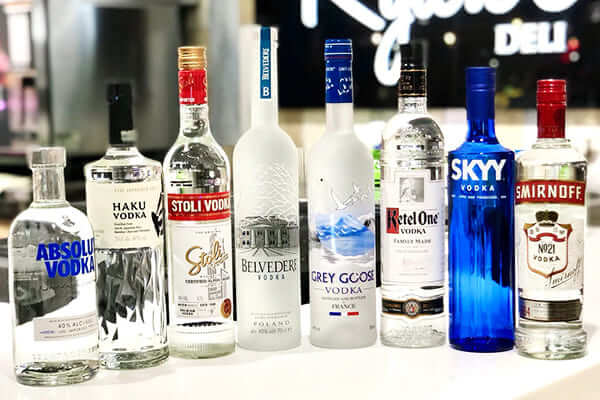
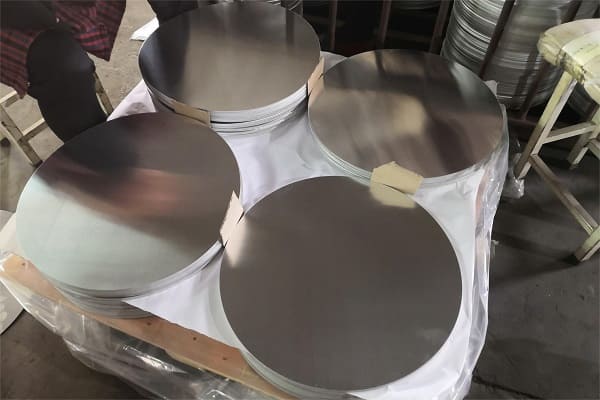
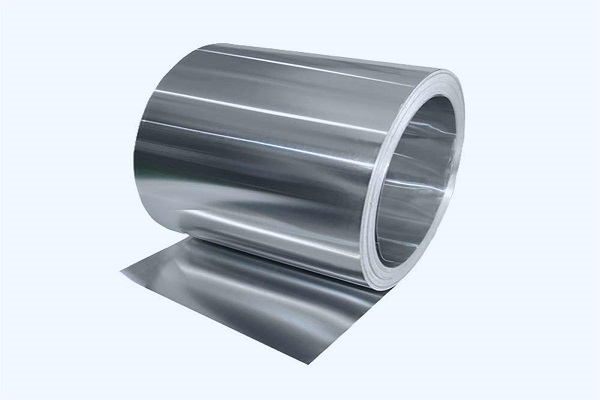
3105 Алюмініевы ліст для вечкаў ад гарэлкі
Што робіць каўпачкі для гарэлкі спецыялізаваным прымяненнем алюмініевага ліста?
Крышкі для гарэлкі з'яўляюцца спецыялізаваным прымяненнем металічнай упакоўкі па некалькіх прычынах:
- Фармуемасць і здольнасць да выцягвання: Кампаненты вечка часта патрабуюць глыбокай выцяжкі, прасаванне, і дбайны кантроль прарэджвання, выкліканага выцягваннем. Ліст павінен прадказальна паддавацца пад нагрузкай выцягвання без расколін, сморщивание, або станчэнне праз крытычныя рэгіёны.
- Сумяшчальнасць лайнера і пакрыцця: Крышкі абапіраюцца на ўнутраныя ўкладышы або пакрыцця для забеспячэння бяспекі пры кантакце з харчовымі прадуктамі, герметычныя ўшчыльнення, і кантроль пахаў. Абраны алюмініевы ліст павінен вытрымліваць падкладкі, пакрыцці, і патэнцыйныя працэсы тэрмічнай зваркі без дэградацыі.
- Каразійная і хімічная ўстойлівасць: Напоі, у тым ліку гарэлкі, вельмі адчувальныя да прымешак і прадуктаў карозіі, якія могуць паўплываць на смак і бяспеку. Алюмініевыя сплавы, якія выкарыстоўваюцца для каўпачкоў, павінны мець надзейную каразійную ўстойлівасць пры кантакце з вадкасцямі на аснове этанолу і ачышчальнымі сродкамі.
- Стабільнасць памераў: Крышкі адчуваюць тэрмічныя і механічныя нагрузкі падчас закаркоўвання, дастаўка, і захоўванне. Стабільнасць памераў зніжае патрэбу ў перапрацоўцы і забяспечвае паслядоўнае закрыццё ў партыях.
- Эстэтыка і брэндынг: Кепкі служаць прыкметнымі элементамі брэнда. Прасціна павінна падтрымліваць касметычную аздабленне, напрыклад, лак, друкаваная графіка, або каляровыя пакрыцця, захоўваючы баланс паміж знешнім выглядам і бар'ернымі ўласцівасцямі.
- Адпаведнасць пры кантакце з ежай: Вечкі з'яўляюцца часткай сістэмы закрыцця для напояў, і матэрыялы, якія ўдзельнічаюць у кап (ліст, ўкладыш, клейкі, і пакрыццяў) павінны адпавядаць дзеючым правілам і стандартам, якія кантактуюць з харчовымі прадуктамі. Гэта зніжае рызыкі для вытворцаў і забяспечвае доступ на рынак.
3105 алюмініевы ліст мае добрыя магчымасці для задавальнення гэтых патрабаванняў дзякуючы спалучэнню здольнасці да фарміравання, трываласць адносна таўшчыні, і ўстойлівасць да карозіі.
Ніжэй, мы паглыблена вывучаем яго ўласцівасці і параўноўваем з іншымі сплавамі, якія звычайна разглядаюцца для гарэлачных крышак.
Аб 3105 Алюмініевы сплаў
Хімічны склад і агульная характарыстыка
3105 алюміній з'яўляецца алюмініева-марганцавым (Аль-Мн) сплаў у першую чаргу прызначаны для паляпшэння формуемости і ўстойлівасці да карозіі. У яго склад звычайна ўваходзяць:
- Алюміній (Ал) баланс
- Марганец (Мн): прыкладна 1,0–1,5%
- Нязначныя элементы, такія як крэмній (І), жалеза (Fe), магній (Mg), медзь (Cu), цынк (Зн), і іншыя ў жорсткіх межах
Асноўныя характарыстыкі:
- Добрая формуемость: Выдатная працаздольнасць у маляванні, прасаванне, і фармуючы аперацыі, неабходныя для вытворчасці шапкі.
- Ўстойлівасць да карозіі: Алюміній натуральным чынам утварае ахоўны аксідны пласт; даданне Mn павышае стабільнасць і ўстойлівасць да карозіі ў многіх асяроддзях, у тым ліку лёгкія кіслотныя і алкагольныя ўмовы, якія сустракаюцца пры ўжыванні гарэлкі.
- Зварваемасць і злучэнне: Разумная зварвальнасць і сумяшчальнасць з працэсамі злучэння, якія выкарыстоўваюцца ў вытворчасці кампанентаў крышак, хоць каўпачкі звычайна залежаць ад механічнай фармоўкі і нанясення ўкладыша, а не зваркі.
- Універсальнасць аздаблення паверхні: Прымае шэраг аздабленняў, уключаючы лак (лакам) пакрыцці, друкаваная графіка, і каляровыя накладкі, што робіць яго прывабным для эстэтыкі каўпачка, арыентаванага на спажыўца.
Кампазіцыя і нораў аказваюць выяўленае ўздзеянне на працаздольнасць. Пазначэнне тэмпературы паказвае ўзровень нагартавання і цеплавую гісторыю, які непасрэдна кантралюе магчымасць малявання, сіла, і спружыны.
Для каўпачкоў гарэлкі, выбар тэмпературы звычайна аптымізаваны для глыбокай выцяжкі і прасавання, напрыклад Н-с (загартаваны працай) або адпаленыя дыяпазоны.
Механічныя ўласцівасці па тэмпературы (тыпавыя дыяпазоны)
Заўвага: Механічныя ўласцівасці змяняюцца ў залежнасці ад таўшчыні, дакладны склад, і апрацоўка. Наступныя дыяпазоны ілюструюць тыповыя паводзіны для звычайнага выбару характару, які выкарыстоўваецца ў вытворчасці шапак.
- 3105-О (адпаленая):
- Мяжа цякучасці, прыблізны: побач 0 МПа (отожженный метал мае слаба вызначаны мяжа цякучасці)
- Трываласць на разрыў: прыкладна 70-100 Мпа
- Падаўжэнне: высокая, часта 20% або больш
- Фармовальнасць: выдатны; прасцей за ўсё маляваць і фармаваць
- 3105-H18/H19 (загартаваны працай)
- Мяжа цякучасці: звычайна ў дыяпазоне 60-90 Мпа (вар'іруецца ў залежнасці ад дакладнага характару)
- Трываласць на разрыў: прыкладна 90–120 Мпа
- Падаўжэнне: паменшаныя адносна апаленых, часта 5–12%
- Фармовальнасць: ад добрага да вельмі добрага; прымальны для глыбокай выцяжкі, калі працэсы кантралююцца
- 3105-H24 (прамежкавая загартоўка)
- Мяжа цякучасці: каля 70-110 Мпа
- Трываласць на разрыў: каля 110–140 МПа
- Падаўжэнне: звычайна 4–12%
- Фармовальнасць: выдатна падыходзіць для стабільнага фарміравання і захавання формы
- 3105-H26 (больш высокая працаздольнасць; выкарыстоўваецца ў некаторых маляваных частках)
- Мяжа цякучасці: 100–130 Мпа
- Трываласць на разрыў: 140–170 МПа
- Падаўжэнне: 3–8%
- Фармовальнасць: добры, але патрабуе ўважлівага кантролю працэсу, каб пазбегнуць парэпання
Дакладныя лічбы залежаць ад таўшчыні і апрацоўкі. Для каўпачкоў гарэлкі, вытворцы часта выбіраюць тэмпературу і таўшчыню, каб знайсці баланс паміж дасягненнем цвёрдай формы вечка і абмежаваннем патанчэння падчас глыбокай выцяжкі.
На практыцы, Эквіваленты H18 або H19 з таўшчынёй у дыяпазоне 0.20 каб 0.40 мм з'яўляюцца звычайнай адпраўной кропкай для каўпачкоў на многіх рынках.
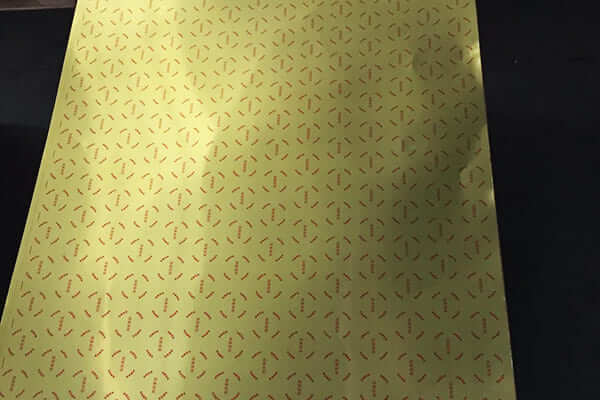
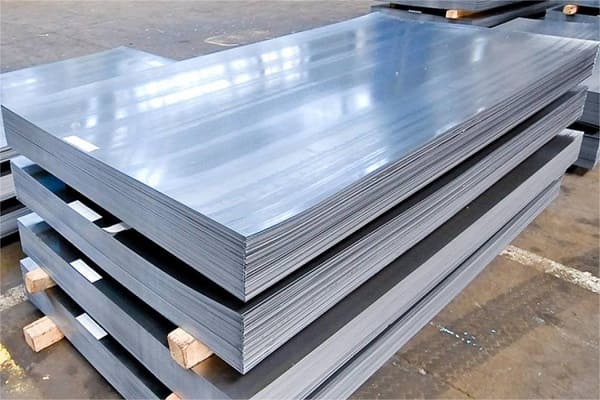
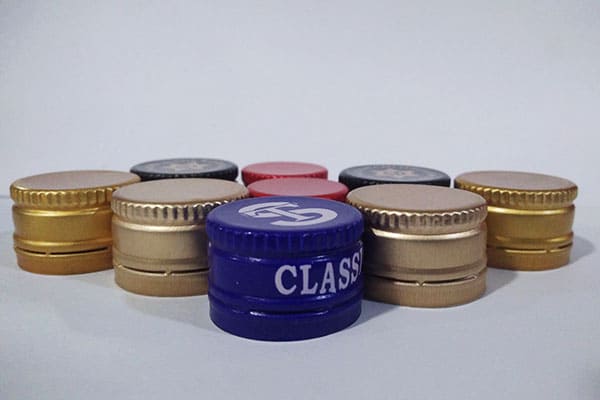
Huawei 3105 Алюмініевая крышка для бутэлек
чаму 3105 з'яўляецца моцным кандыдатам на гарэлку
- Перавага ў фармавальнасці: 3105Высокае падаўжэнне пры адпале або лёгкай загартоўцы палягчае фарміраванне мудрагелістых формаў каўпакоў без збояў, крытычны фактар у вытворчасці шапак, дзе паслядоўная выцяжка і прасаванне з'яўляюцца асноўнымі этапамі.
- Паслядоўныя ўласцівасці малявання: Кансістэнцыя сплаву памяншае дысперсію працэсу, што азначае меншую колькасць адхіленых каўпачкоў і меншую колькасць перапрацовак на лініі.
- Сумяшчальнасць з укладышамі і пакрыццямі: Аздабленне паверхні 3105 прымае стандартныя лакі і пакрыцця, якія выкарыстоўваюцца ў вытворчасці шапак, і ён пераносіць працэсы тэрмічнага зварвання і адгезіі ўкладыша без шкоды для цэласнасці ўшчыльнення.
- Ўстойлівасць да этанолу: У той час як усе алюмініевыя сплавы абапіраюцца на аксідныя плёнкі для ўстойлівасці да карозіі, 3105 дэманструе надзейныя характарыстыкі пры кантакце з напоямі, якія змяшчаюць этанол, пры ўмове, што ўкладыш і ўнутранае пакрыццё правільна падабраны для сумяшчальнасці з ежай.
- Даступнасць і кошт: 3105 шырока вырабляецца ў выглядзе лістоў у асноўных рэгіёнах вытворчасці алюмінія, што дапамагае забяспечыць надзейнасць паставак і канкурэнтаздольныя цэны ў параўнанні з больш экзатычнымі сплавамі.
- Профіль устойлівага развіцця: Алюміній шырока перапрацоўваецца, і 3105 звычайна добра інтэгруецца ў праграмы перапрацаванага кантэнту, спрыяе зніжэнню ўздзеяння на працягу жыццёвага цыкла ў спалучэнні з эфектыўнай вытворчасцю і перапрацоўкай.
3105 Алюмініевы ліст для вечкаў ад гарэлкі супраць іншых
| Пункт параўнання | 3105 Алюміній | 8011 Алюміній | 3004 Алюміній | 3003 Алюміній | 5052 Алюміній |
|---|---|---|---|---|---|
| Сплавы серыі | Аль-Мн (3000 серыял) | Аль-Фе-Сі (8000 серыял) | Аль-Мн-Мг (3000 серыял) | Аль-Мн (3000 серыял) | Аль-Мг (5000 серыял) |
| Тыповы характар гарэлачных каўпачкоў | H14 / H16 / H19 | H14 / H16 / H18 | H19 / H24 | H14 / H16 | H32 / H34 |
| Асноўныя характарыстыкі | Выдатны баланс трываласці, пластычнасць, ўстойлівасць да карозіі, і якасць паверхні; шырока аптымізаваны для алюмініевых закрыццяў | Высокая трываласць, добрая формуемость, выдатная прадукцыйнасць для лёгкіх і тонкіх матэрыялаў закрыцця | Больш высокая трываласць за кошт дадання магнію, забяспечваючы лепшую калянасць і механічныя характарыстыкі | Універсальны сплаў з добрай устойлівасцю да карозіі і сярэдняй трываласцю | Высокая трываласць і выдатная ўстойлівасць да карозіі, але больш нізкая формуемость у параўнанні з 3000 серыі сплаваў |
| Фармовальнасць | ★★★★★ Выдатна | ★★★★☆ Вельмі добра | ★★★★☆ Вельмі добра | ★★★★☆ Добра | ★★★☆☆ Умерана |
| Узровень трываласці | Сярэдні (Трываласць на разрыў прыбл. 120–180 Мпа) | Ад сярэдняга да высокага (Трываласць на разрыў прыбл. 130–190 Мпа) | Высокі (Трываласць на разрыў прыбл. 150–220 Мпа) | Сярэдні (Трываласць на разрыў прыбл. 125–180 Мпа) | Высокі (Трываласць на разрыў прыбл. 210–260 Мпа) |
| Ўстойлівасць да карозіі | ★★★★★ Выдатна | ★★★★☆ Добра | ★★★★★ Выдатна | ★★★★★ Выдатна | ★★★★★ Выдатна |
| Якасць паверхні & Прадукцыйнасць друку | ★★★★★ Выдатна; ідэальна падыходзіць для пакрыцця, лакіроўка, цісненне, і якасны друк | ★★★★★ Выдатна; прыдатны для друку, пакрыццё, і дэкаратыўнае аздабленне | ★★★★☆ Добра; забяспечвае добрую адгезію і знешні выгляд пакрыцця | ★★★★☆ Добра; падыходзіць для стандартных друкаваных закрыццяў | ★★★★☆ Добра; падыходзіць для нанясення з пакрыццём |
| Прадукцыйнасць ціснення | ★★★★★ Выдатна | ★★★★★ Выдатна | ★★★★☆ Вельмі добра | ★★★★☆ Вельмі добра | ★★★☆☆ Умерана |
| Высакахуткасная вытворчасць каўпачкоў | ★★★★★ Выдатна | ★★★★☆ Вельмі добра | ★★★★☆ Вельмі добра | ★★★★☆ Добра | ★★★☆☆ Умерана |
| Тыповыя прымянення | Крышкі ад гарэлкі, коркі ад бутэлек спіртных напояў, закрыццё для напояў, супрацьзломныя шапкі, ROPP капс | Лёгкія коркі для бутэлек, фармацэўтычныя закрыцця, закрыццё для напояў | Высокатрывалыя каўпачкі і зачынкі для лікёраў, якія патрабуюць палепшанай калянасці | Стандартныя каўпачкі для напояў, лікёрныя каўпачкі, і агульныя алюмініевыя зачынкі | Спецыяльныя жорсткія зачынкі, якія патрабуюць больш высокай механічнай трываласці |
| Агульная прыдатнасць для каўпачкоў гарэлкі | ⭐⭐⭐⭐⭐ Выдатна | ⭐⭐⭐⭐⭐ Выдатна | ⭐⭐⭐⭐☆ Вельмі добра | ⭐⭐⭐⭐☆ Добра | ⭐⭐⭐☆☆ Limited |
Рабочы працэс апрацоўкі і вытворчасці 3105 ліста ў гарэлачныя вечкі
Тыповы працэс пераўтварэння 3105 Алюмініевы ліст у вечкі для гарэлачных бутэлек ўключае некалькі этапаў:
- Разрэз і кармленне: Шпулькі разразаюцца на неабходную шырыню для вытворчасці каўпачкоў. Дакладная нарэзка зводзіць да мінімуму дэфекты краёў, якія ператвараюцца ў праблемы з якасцю каўпачка.
- Пустая фармацыя: Ліст выбіваецца або выбіваецца ў нарыхтоўкі каўпакоў, прызначаны для меркаванай формы і геаметрыі сцен.
- Глыбокі малюнак: Нарыхтоўкі каўпакоў падвяргаюцца глыбокай выцяжцы для фарміравання корпуса каўпакоў. Гэты этап з'яўляецца крытычным для дасягнення росту, аконная геаметрыя і забеспячэнне роўнай таўшчыні сценак.
- Прасаванне і гарлавіна (дзе дастасавальна): У некаторых канструкцыях шапак выкарыстоўваецца прасаванне, каб паменшыць таўшчыню сценак у частцы цела, затым гарлавіна, каб сфармаваць верх і аздабленне дэталяў краю. Гэты этап патрабуе стабільнага патоку матэрыялу і паслядоўнай змазкі, каб мінімізаваць іржы і зморшчыны.
- Абрэзка і прашыўка: Сфармаваныя капялюшыкі абразаюць да канчатковых памераў, выдаленне любой выступоўцы ўспышкі і забеспячэнне аднастайнага ніжняга краю.
- Адпал (пры неабходнасці): У залежнасці ад нораву, лёгкі этап адпалу можа быць выкарыстаны для зняцця працоўнай зацвярдзення пасля выцягвання. Гэты крок паляпшае формуемасць для наступных працэсаў, калі шапка патрабуе дадатковай змены формы або ўпрыгожвання.
- Аздабленне паверхні: Шапкі пакрываюць лакам, фарбы, або дэкаратыўнае пакрыццё па меры неабходнасці. Апрацоўка паверхні павінна быць сумяшчальная з наступным працэсам нанясення ўкладыша і герметызацыі.
- Друк і афармленне: Пры неабходнасці, графіка, брэндынг, або каляровыя пласты наносяцца з дапамогай трафарэтных друку, афсетны друк, або метады маркіроўкі ў форму. Выбар залежыць ад геаметрыі вечка і магчымасцяў вытворчай лініі.
- Прымяненне лайнера: Палімерны або эластамерны ўкладыш усталяваны на ўнутранай частцы вечка, каб стварыць герметычную герметычнасць да аздаблення горлышка бутэлькі. Ўкладыш старанна падабраны, каб супрацьстаяць уздзеянню этанолу і захаваць герметычнасць без паху.
- Кантроль якасці і тэставанне: Шапкі праходзяць праверку памераў, вымярэнне таўшчыні, праверкі аздаблення паверхні, і праверка на герметычнасць. Дадатковыя выпрабаванні датычацца адгезіі ўкладыша, ўстойлівасць да карозіі, і сумяшчальнасць упакоўкі.
- Ўпакоўка і адгрузка: Гатовыя каўпачкі пакуюцца такім чынам, каб прадухіліць пашкоджанне паверхні і сумяшчальныя з наступным упаковачным абсталяваннем.
Кожны этап дае магчымасць аптымізаваць ураджайнасць і якасць. Добра прадуманы працэс, падтрымліваецца адпаведным выбарам загарту і таўшчыні, мінімізуе лом і гарантуе, што каўпачкі пастаянна адпавядаюць крытэрыям эфектыўнасці.
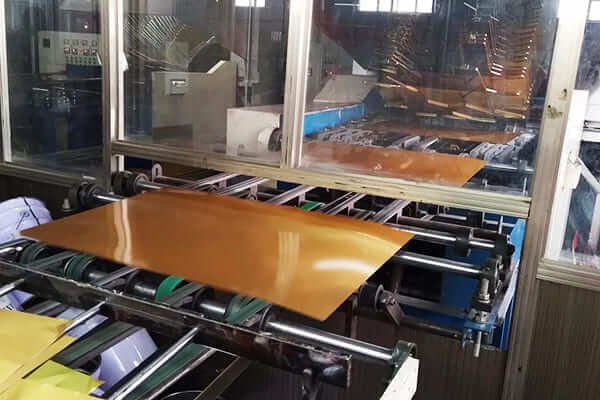
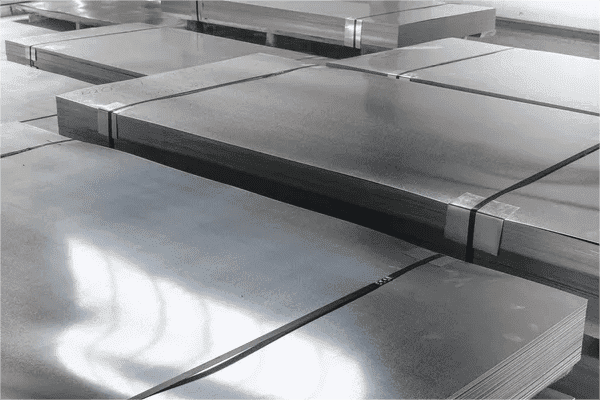
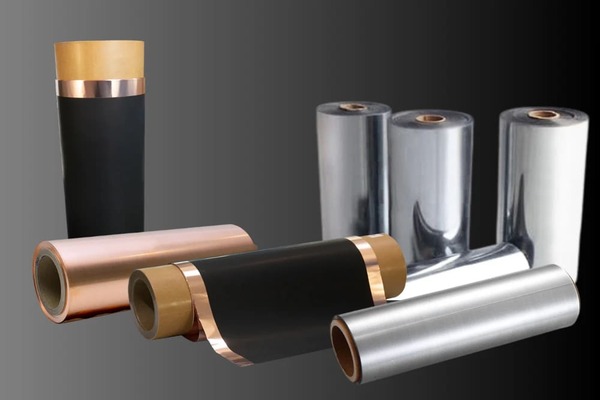
Вытворчасць 3105 Алюмініевы ліст для вечкаў ад гарэлкі
Аздабленне паверхняў і пакрыццяў: сумяшчальнасць з укладышамі і брэндынгам
Унутраны ўкладыш і знешняя паверхня гуляюць вырашальную ролю ў характарыстыках каўпачка для гарэлкі. Ўплыў этапаў аздаблення паверхні:
- Цэласнасць пломбы: Належная адгезія падкладкі патрабуе паверхні, якая забяспечвае стабільнае склейванне і пазбягае расслаення.
- Прадукцыйнасць бар'ера: Пакрыццё павінна супрацьстаяць міграцыі рэчываў у прастору вечка або з яго, захаванне цэласнасці водару напою.
- Эстэтычная прывабнасць: Колер, бляск, і магчымасць друку паверхні шапкі спрыяюць успрыманню спажыўцом і брэндынгу.
- Адпаведнасць пры кантакце з ежай: Пакрыцці і інгрэдыенты пакрыццяў павінны быць дазволены для кантакту з напоямі.
Распаўсюджаныя варыянты для 3105 шапкі ўключаюць:
- Лакіраванне: Празрыстыя або пігментаваныя пласты лаку могуць абараніць паверхню, забяспечыць аснову для друку, і палепшыць бляск.
- ПВДФ (поливинилиденфторид) пакрыццё: Трывалы і ўстойлівы да хімікатаў, Пакрыцці PVDF забяспечваюць моцную атмасфератрываласць і хімічную ўстойлівасць, прыдатныя для закрывак для напояў.
- Анадыраванне: Анадаванне алюмінія можа забяспечыць устойлівасць да карозіі: аднак, для каўпачкоў, якія выкарыстоўваюцца з укладышамі і некаторымі напоямі, анадаванне можа быць абмежавана з-за перашкод для адгезіі пакрыцця або сумяшчальнасці ўкладыша. У многіх дызайнах кепак, анадаванне менш распаўсюджана, таму што яно можа змяніць павярхоўную энергію і паўплываць на склейванне ўкладыша.
- Маркіроўка ў форме (IML) або друкаваныя накладкі: У залежнасці ад канструкцыі шапкі, дэкаратыўная графіка можа быць нанесена з дапамогай IML або друку пасля формы.
- Матэрыялы ўнутранага ўкладыша: Этыленпрапілендыенавы мономер (EPDM), бутылавы каўчук, і іншыя эластамерныя ўкладышы з'яўляюцца агульнымі. Клеі, якія выкарыстоўваюцца для мацавання ўкладыша, павінны быць сумяшчальнымі з напоем і металічнай паверхняй.
Меркаванні сумяшчальнасці пакрыцця і ўкладыша:
- Тэмпературнае ўздзеянне пры пламбаванні: Для герметызацыі вечкаў часта патрабуецца прымяненне цяпла або ціску. Пры гэтых умовах пакрыццё павінна захоўваць адгезію і не трэскацца.
- Сумяшчальнасць з этанолам: Клей укладыша не павінен разбурацца з-за ўздзеяння этанолу, і металічная паверхня не павінна каталізаваць якія-небудзь непажаданыя рэакцыі з кампанентамі ўкладыша.
- Вытворчыя допускі: Аздабленне не павінна выклікаць змены памераў, якія перашкаджаюць пасадцы або герметызацыі каўпачка.
- Перапрацоўка: Для мэт устойлівага развіцця, выбраныя пакрыцця не павінны перашкаджаць перапрацоўцы сістэмы вечкаў і бутэлек. Меркаванні магчымасці перапрацоўкі ўключаюць пазбяганне цяжкіх металаў або пакрыццяў, якія перашкаджаюць патокам перапрацоўкі алюмінія.
Практычны падыход заключаецца ў выбары пакрыццяў і ўкладышаў на аснове вызначанай матрыцы сумяшчальнасці, пратэставаны ў рэальных умовах вытворчасці і захоўвання.
Службы абслугоўвання Huawei Aluminium звычайна падтрымліваюць кліентаў з такой матрыцай, прадастаўленне рэкамендацый для аздаблення паверхні і сістэм падкладак у адпаведнасці з канструкцыяй крышкі і нарматыўнымі патрабаваннямі.
Прадукцыйнасць матэрыялу ў напоях: этанол і меркаванні карозіі
каўпачкі для гарэлкі павінны супрацьстаяць уздзеянню этанолу, захоўваючы водар, водар, і цэласнасць прадукту.
Алюміній сам па сабе вельмі ўстойлівы да карозіі, дзякуючы натуральнай аксіднай плёнцы, якая ўтвараецца на паветры.
Аднак, у кантэксце сістэмы напояў, некалькі фактараў уплываюць на прадукцыйнасць:
- Ўздзеянне этанолу: Напоі на аснове этанолу могуць паўплываць на некаторыя сістэмы пакрыцця і клею. Ўласцівасці каўпачка і клею павінны адпавядаць складу напою, уключаючы канцэнтрацыю этанолу, pH, і ўмовы захоўвання.
- Ачыстка і санітарная апрацоўка: Крышкі можна чысціць або стэрылізаваць падчас санітарнай апрацоўкі вытворчых ліній або канвеера. Матэрыял павінен вытрымліваць гэтыя метады ачысткі без дэградацыі.
- Ўздзеянне солі і вільгаці: У складскіх памяшканнях, шапкі могуць сутыкнуцца з вільготнасцю і соллю ў паветры, асабліва ў міжнародным кантэксце экспарту. Сінэргія ўкладыша і пакрыцця павінна забяспечваць доўгатэрміновую стабільнасць.
- Механічны знос: Апрацоўка, укупорке, і працэсы маркіроўкі ствараюць механічныя нагрузкі. Пластычнасць матэрыялу зніжае рызыку з'яўлення мікротрэшчыны або расколін падчас фармоўкі.
На працягу 3105, дабаўка Mn спрыяе стабілізацыі аксіднага пласта і забяспечвае надзейную ўстойлівасць да карозіі ў многіх асяроддзях, звязаных з напоямі.
Пры выкарыстанні з правільна складзенымі ўкладышамі і пакрыццямі, 3105 дэманструе надзейную прадукцыйнасць у гарэлачных каўпачках.
Важная заўвага: Дадзеныя аб прадукцыйнасці моцна залежаць ад канструкцыі сістэмы. Вельмі важна правяраць дадзеныя пастаўшчыкоў з дапамогай унутраных выпрабаванняў, уключаючы тэсты на адгезію ўкладыша, выпрабаванні на карозію, і тэсты на герметычнасць рэальных канструкцый крышак.
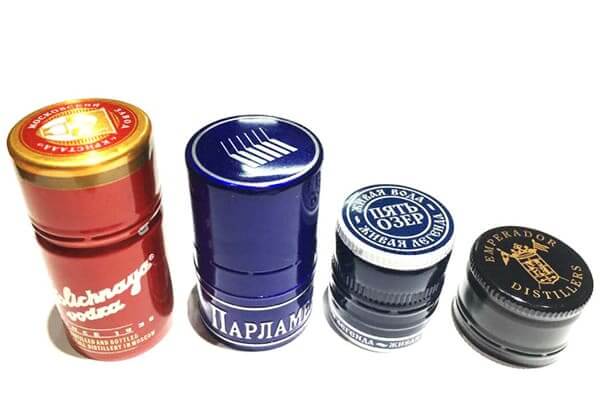
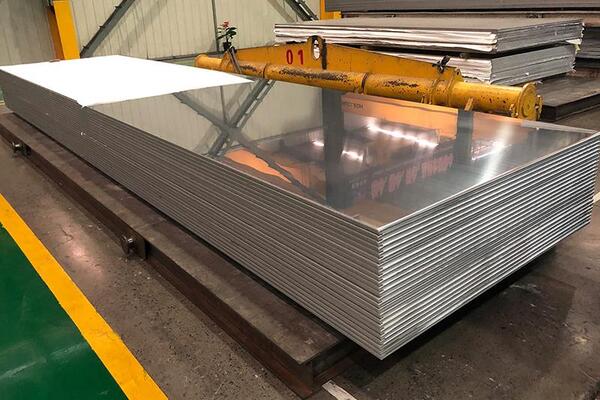
3105 Дысплей з алюмініевымі вечкамі ад гарэлкі
Пастаўшчынскі пейзаж: Huawei Aluminium і іншыя прайгравальнікі
Алюміній Huawei: надзейны пастаўшчык для 3105 лістоў
Huawei Aluminium Co., ТАА. з'яўляецца буйным пастаўшчыком алюмініевага ліста і пласціны ў Кітаі і за мяжой.
Іх партфель ахоплівае шырокі спектр алюмініевых сплаваў, у тым ліку 3000-й серыі (Аль-Мн) і 3105 для закрывак для напояў і іншых прымянення ўпакоўкі.
Асноўныя магчымасці, якія звычайна вылучаюць буйныя вытворцы алюмінія, уключаюць:
- Маштаб вытворчасці: Высокапрадукцыйны млын, здольны вырабляць шырокі дыяпазон таўшчыні і шырыні, прыдатны для каўпачка.
- Асартымент прадукцыі: Лісты для ўпакоўкі і будаўніцтва, у тым ліку 3105, 3003, 3004, і звязаныя з імі прадукты, якія прайшлі тэрмічную апрацоўку або загартаванне.
- Кіраванне якасцю: Сістэмы якасці, якія адпавядаюць ISO, з матэрыяламі, праверанымі на механічныя ўласцівасці, аздабленне паверхні, і допускі.
- Сертыфікацыя і адсочванне: Тэхнічныя характарыстыкі, адсочванне партыі, і сертыфікаты выпрабаванняў (COA) якія падтрымліваюць кантроль якасці па ўсёй ланцужку паставак.
- Глабальны ахоп: Экспартныя магчымасці для задавальнення попыту ў Азіі, Еўропа, Паўночная Амерыка, і іншыя рэгіёны.
- Устойлівасць: Ініцыятывы, звязаныя з энергаэфектыўнасцю, скарачэнне выкідаў, і адказны пошук крыніц, у адпаведнасці з чаканнямі сусветнага рынку.
Huawei Aluminium робіць акцэнт на цесным супрацоўніцтве з кліентамі, каб адаптаваць рашэнні для лістоў да дызайну вечкаў, нораў, таўшчыня, і патрабаванні да пакрыцця.
Звычайна яны прапануюць тэхнічную падтрымку для аптымізацыі працэсу фармавання і даюць рэкамендацыі па аздабленні паверхні, сумяшчальнасць лайнера, і выбар пакрыцця.
Заўвага: Пры ўзаемадзеянні з Huawei Aluminium або любым пастаўшчыком, разумна запытваць наборы ўзораў, даныя механічных выпрабаванняў на меркаваны загарт і таўшчыню, і дадзеныя аб сумяшчальнасці ўкладыша/пакрыцця.
Праверка сертыфікатаў (Нап., ISO 9001) а прасочванне ланцужкоў паставак мае вырашальнае значэнне для доўгатэрміновых вытворчых адносін.
Забяспечанасць якасцю, тэставанне, і кантроль працэсу
Для вытворчасці гарэлачных каўпачкоў, кантроль якасці мае важнае значэнне ва ўсёй ланцужку паставак. Рэкамендуемыя практыкі кантролю якасці ўключаюць:
- Праверка сыравіны: Праверце ўваходныя 3105 лісты для таўшчыні, аздабленне паверхні, пляскатасць, і любыя дэфекты. Пацвердзіце прызначэнне тэмпературы і сплаву, і праверце COA.
- Механічнае выпрабаванне: Выпрабаванне на расцяжэнне, мяжа цякучасці, падаўжэнне, і вымярэння цвёрдасці (Роквел або Вікерс) для праверкі адпаведнасці зададзеным дыяпазонам тэмпературы і допускам.
- Праверкі паверхні і пакрыцця: Ацаніце аздабленне паверхні, адгезія пакрыцця (калі ёсць), і бляск. Праверце пакрыццё на ўстойлівасць да этанолу і сумяшчальнасць з клеем.
- Допускі на памеры: Праверце шырыню, таўшчыня, і пляскатасць у межах вызначаных допускаў. Выкарыстоўвайце штыфты і мікраметры для вымярэння таўшчыні ў некалькіх месцах.
- Праверка герметычнасці і герметычнасці: Для гатовых каўпачкоў, праводзіць тэсты на герметычнасць закрывак для бутэлек з выкарыстаннем мадэляваных умоў напою; пераканайцеся, што адгезія ўкладыша трывалая пад ціскам ўшчыльнення.
- Каразійныя выпрабаванні: Правесці каразійныя выпрабаванні, у тым ліку выпрабаванні салёным туманам або апусканнем у этанол, каб ацаніць доўгатэрміновую прадукцыйнасць камбінацыі вечка-ўкладыша.
- Ацэнка колеру і аздаблення: Калі шапкі ўпрыгожаны, праверце адпаведнасць колеру і стабільнасць адгезіі праз цыклы отвержденія.
- Магчымасць працэсу: Разлічыце індэксы Cp і Cpk для ацэнкі стабільнасці працэсу. Cp/Cpk з 1.33 або вышэй звычайна паказвае на здольныя працэсы, але дакладныя мэты залежаць ад вытворчага асяроддзя.
- Дакументацыя і адсочванне: Вядзіце запісы выпрабаванняў для кожнай партыі, у тым ліку маркі сплаву, нораў, таўшчыня, аздабленне паверхні, і спалучэнне пакрыцця або ўкладыша. Дакументацыя падтрымлівае адпаведнасць нарматыўным патрабаванням і аўдыт кліентаў.
На практыцы, ваша праграма кантролю якасці павінна быць узгоднена са спецыфікацыямі прадукту, нарматыўныя патрабаванні, і чаканні кліентаў.
The 3105 прадукцыйнасць ліста ў каўпачках прыкладанняў залежыць ад кантролю характару, таўшчыня, і працэс малявання, а таксама аб праверцы сумяшчальнасці з сістэмамі падкладак і пакрыццяў, якія выкарыстоўваюцца ў аздабленні.
3105 Алюмініевы ліст для вечкаў ад гарэлкі Тыповыя характарыстыкі
| Пункт | Тыповы дыяпазон |
|---|---|
| Сплаў | 3105 |
| Тэмпература | H14, H16, H19 |
| Таўшчыня | 0.18–0,30 мм |
| Шырыня | 500-1000 мм (прыстасаваныя даступныя) |
| Трываласць на разрыў | 150–200 Мпа |
| Падаўжэнне | 2-8% у залежнасці ад тэмпераменту |
| Аздабленне паверхні | Млын аздабленне, яркая аздабленне, пакрытая паверхня |
| Прыкладанні | Крышкі ад гарэлкі, коркі ад бутэлек спіртных напояў, закрыццё для напояў, ROPP капс |
FAQ каля 3105 Алюмініевы ліст для вечкаў ад гарэлкі
1) Што ёсць 3105 алюмініевы ліст, і чаму яго выкарыстоўваюць для гарэлачных каўпачкоў?
– 3105 гэта алюмініева-марганцевый сплаў, вядомы сваёй выдатнай пластычнасцю і ўстойлівасцю да карозіі. Выкарыстоўваецца для гарэлачных каўпачкоў, таму што дазваляе глыбока ўцягвацца ў геаметрыю вечкаў, добра спалучаецца з лайнернымі сістэмамі, і забяспечвае надзейную працу пры кантакце з напоямі, якія змяшчаюць этанол.
2) Якую тэмпературу і таўшчыню выбраць для гарэлкі?
– Тыповы выбар вар'іруецца ад отожженных (О) да лёгкай загартоўкі (Эквіваленты H19/H18) у тоўшчы вакол 0.20 каб 0.40 мм, у залежнасці ад канструкцыі шапкі і патрабаванняў да малюнка. Дакладны выбар залежыць ад вашага працэсу фармоўкі, геаметрыя шапкі, і эфектыўнасць лініі.
3) Як 3105 параўнаць з 3004 або 5052 для гарэлкі каўпачкоў?
– 3105 забяспечвае збалансаванае спалучэнне пластычнасці і ўстойлівасці да карозіі, з звычайна лепшай прадукцыйнасцю глыбокай працяжкі, чым 3004 і больш фармавальнасць, чым 5052 пры аднолькавай таўшчыні. 3004 можа быць крыху лягчэй сфармаваць у некаторых наладах, пакуль 5052 можа забяспечыць больш высокую трываласць для больш тоўстых кампанентаў крышкі, але можа быць менш прабачлівым пры глыбокай выцяжцы.
4) З чым сумяшчальныя пакрыцця і ўкладышы 3105 шапкі?
– Лакі, ПВДФ пакрыцця, і іншыя аздаблення паверхні могуць быць выкарыстаны, пры ўмове, што яны сумяшчальныя з патрабаваннямі да клею ўкладыша і кантакту з напоямі. Матэрыялы ўнутранага ўкладыша (напрыклад, EPDM, фтарыраваныя эластамераў, або іншыя палімеры) павінны быць сумяшчальныя як з паверхняй вечка, так і з складам напою.
5) Якое тэсціраванне я павінен правесці падчас распрацоўкі шапкі?
– Выканайце спробы глыбокай выцяжкі, абрэзка, выбар змазкі, тэсты на адгезію ўкладыша, адгезія пакрыцця, тэсты на цэласнасць пломбы, і тэсты на стабільнасць захоўвання. Праверце запасы пры цеплавым цыкле, вільготнасць, ачышчальныя працэсы, і ўмовы захоўвання.
6) можа 3105 запас быць загартаваны на заказ або таўшчынёй на заказ?
– Многія пастаўшчыкі прапануюць варыянты налады, у тым ліку з улікам характару і таўшчыні ў разумных межах. Узаемадзейнічайце з пастаўшчыком на ранняй стадыі, каб ацаніць мэтазгоднасць, час выканання, і звязаныя з гэтым выдаткі.
Выснова
3105 Алюмініевы ліст для накрывак ад гарэлкі - гэта практычнае і надзейнае рашэнне для сучаснага вытворчасці накрывак.
Яго сумесь пластычнасці, ўстойлівасць да карозіі, і сумяшчальнасць з укладышамі і пакрыццямі робіць яго прывабным выбарам для вытворцаў, якія шукаюць стабільную прадукцыйнасць, эфектыўная вытворчасць, і прыемны знешні выгляд для спажыўца.
Выбраўшы адпаведную тэмпературу і таўшчыню, цесна супрацоўнічае з такімі здольнымі пастаўшчыкамі, як Huawei Aluminium, і ўкараненне надзейных метадаў забеспячэння якасці і ўстойлівага развіцця, гарэлачныя праграмы могуць дасягнуць большага ўраджаю, лепшая цэласнасць ўшчыльнення, і павышэнне канкурэнтаздольнасці на рынку.
Экасістэма пастаўшчыка для 3105 ліст добра развіты, з глабальнымі фабрыкамі, якія прапануюць розныя норавы, таўшчыні, і аздабленне для падтрымкі вытворцаў кепак, уладальнікі брэндаў, і пераўтваральнікі ўпакоўкі.
Алюміній Huawei, у прыватнасці, прыносіць паслужны спіс забеспячэння лістоў для закрыццяў напояў і звязаных прыкладанняў упакоўкі, выраўноўванне матэрыялазнаўства з практычнымі рэаліямі высакахуткаснага вытворчасці крышак.
Іх групы тэхнічнай падтрымкі могуць дапамагчы ў аптымізацыі працэсаў, тэставанне на сумяшчальнасць, і выбар прадукту - дапамагае вам перавесці ўласцівасці сплаву ў адчувальныя паляпшэнні на заводзе.
Падзяліцца з PDF: Загрузка



Пакінуць адказ