Unlocking Potential: The Versatility and Strength of 3000 Series Aluminum Alloy
Aluminum alloys have become fundamental in modern manufacturing, engineering, and construction industries.
Among these, the 3000 series aluminum alloys stand out due to their unique combination of versatility, ndu nzafi, Resistencia ar corrosión, and ease of fabrication.
This comprehensive guide explores the depths of 3000 series aluminum alloys, illustrating why they continue to be a preferred choice across various sectors.

An Introduction to Aluminum Alloys and the 3000 Serie
What Are Aluminum Alloys?
Aluminum alloys are created by adding various elements to pure aluminum to improve specific properties such as strength, formability, Resistencia ar corrosión, ne maquinabilidad.
These alloys are categorized into series based on their principal alloying elements.
The Significance of the 3000 Serie
Ar 3000 series aluminum alloys primarily contain manganese as their main alloying element.
This series strikes a remarkable balance between strength and workability, making it suitable for a broad range of applications.
The Historical Development of the 3000 Serie
Initially developed for maritime and structural applications, the 3000 series has evolved to meet the increasing demands of modern industry.
Continuous improvements have expanded their use cases, enhancing their properties without sacrificing affordability or processability.
The Composition and Microstructure of 3000 Series Aluminum Alloys
Typical Composition of 3000 Aleaciones ar serie
| Alloy Series | Main Alloying Element | Typical Composition | Key Properties |
|---|---|---|---|
| 3003 | Manganeso | 1.0-1.5% | Excelente resistencia ja ar corrosión, moderate strength |
| 3004 | Manganeso | 1.0-1.5% | Enhanced strength, good formability |
| 3005 | Manganeso | 0.8-1.0% | Heat treatable, Hño resistencia ja ar corrosión |
| 3105 | Manganeso, sometimes with small additions | Up to 1.0% | Commercially pure, excellent for architectural cladding |
The primary alloying element, manganeso, boosts the overall strength and corrosion resistance without making the alloy difficult to work with.
Microstructure and How It Affects Performance
The microstructure of 3000 series aluminum, consisting of aluminum-rich solid solutions with manganese dispersoids, results in alloys that are highly resistant to corrosion and deformation.
This microstructure enhances their durability in harsh environments such as marine settings and outdoor applications.
Mechanical Properties of 3000 Series Aluminum Alloys
Key Mechanical Properties
| Ha̲i | Typical Range | Significance |
|---|---|---|
| Resistencia ar tracción | 125-350 Mpa | Resistance to breaking under tension |
| Límite elástico | 70-155 Mpa | Maximum stress before plastic deformation |
| Elongación ar rotura | 10-20% | Ductility and formability |
| Hardness | 40-70 HB | Surface durability and wear resistance |
Strength vs. Workability Balance
One of the most attractive features of 3000 series alloys is their excellent ductility, allowing complex shaping and forming processes.
Despite their strength, they remain relatively soft compared to other series, simplifying fabrication.
Corrosion Resistance and Durability
How 3000 Series Aluminum Resists Corrosion
Thanks to the manganese content and natural oxide film formation, 3000 series alloys demonstrate superior corrosion resistance—particularly in aqueous environments.
They are often used in maritime applications, Techos, and decorative finishes.
Practical Applications Requiring High Durability
- Marine vessels and hardware
- Architectural facades
- Storage tanks and pipes
- HVAC components and insulation panels
Enhancing Corrosion Resistance
While generally corrosion-resistant, specific treatments such as anodizing or surface coatings can significantly enhance the lifespan of aluminum components in aggressive environments.
Fabrication and Processing of 3000 Series Aluminum Alloys
Welding and Joining
3000 series alloys are highly compatible with most welding methods, Incluido:
- Gas Tungsten Arc Welding (GTAW)
- Gas Metal Arc Welding (GMAW)
- Resistance welding
Their excellent ductility ensures good weldability, though care must be taken to prevent localized stress concentrations.
Bending and Shaping
The alloys bend easily without cracking, making them ideal for:
- Architectural panels
- Automotive parts
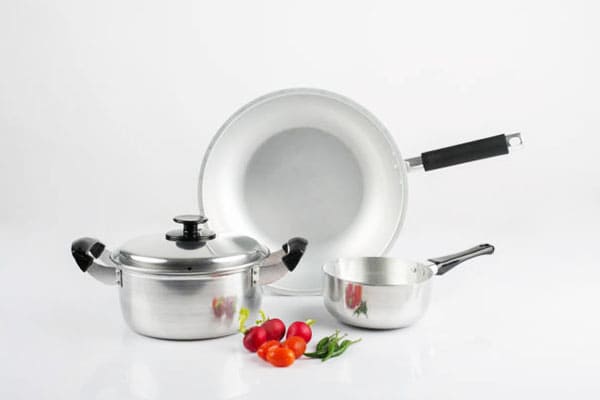
- Containers and cookware
Machining and Finishing
Cutting, perforación, and finishing are straightforward due to their softness. They accept various surface treatments such as painting, powder coating, and anodizing.
Applications of 3000 Series Aluminum Alloys in Various Industries
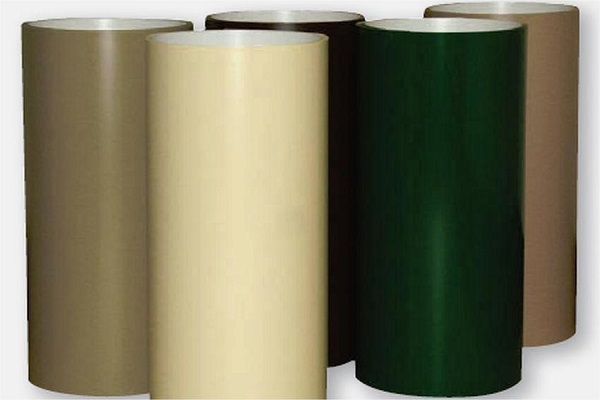
Architectural and Building Materials
The aesthetic appeal, combined with corrosion resistance, makes 3000 series alloys popular in:
- Curtain walls
- Cladding panels
- Window frames
Transportation Industry
The favorable strength-to-weight ratio benefits:
- Automotive panels
- Railcar components
- Marine vessels
Packaging and Consumer Goods
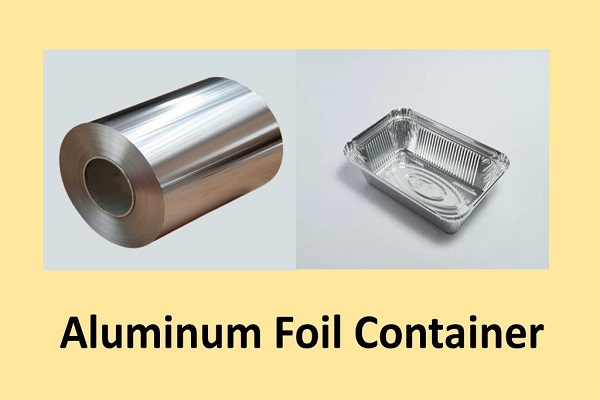
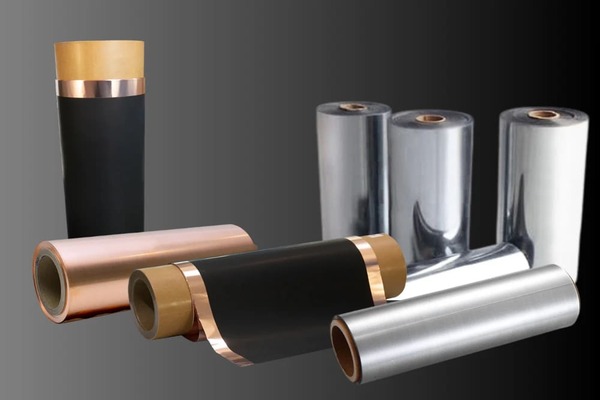
Due to their non-toxicity and ability to be formed into thin sheets or foils, they are widely used in:
- Food and beverage containers
- Cosmetic packaging
- Electronic device casings
Industrial Uses and Equipment
3000 series alloys provide reliable performance in:
- Storage tanks
- Heat exchangers
- Laboratory equipment
Advantages of 3000 Series Aluminum Alloys
Versatility and Customizability
Whether for structural elements or decorative finishes, these alloys accommodate a vast range of fabrication methods.
Cost-Effectiveness
They combine moderate material costs with ease of fabrication, reducing overall project expenses.
Excelente resistencia ja ar corrosión
This trait reduces maintenance needs and extends product lifespan, proving especially beneficial in outdoor and marine applications.
Superior Ductility and Formability
Allows designers and engineers to develop intricate, complex shapes without risking damage or failure.
Limitations and Considerations
Not Ideal for High-Temperature Applications
Due to their relatively low melting points and strength at elevated temperatures, 3000 series alloys are unsuitable in high-heat environments like engine parts.
Mechanical Limitations
While they excel in malleability, their strength pales compared to 6000 o 2000 Aleaciones ar serie, limiting their use in high-stress structural components.
Surface Finishing Challenges
Although they accept painting and anodizing well, some finishes may require additional preparation to ensure durability.
Comparing 3000 Series to Other Aluminum Series
| Serie | Main Alloying Elements | Typical Strength | Resistencia ar corrosión | Main Applications |
|---|---|---|---|---|
| 2000 Serie | Cobre | High | Hingi ze̲di | Aerospace, military |
| 6000 Serie | Magnesium and Silicon | High | Xi hño | Structural, automotor |
| 3000 Serie | Manganeso | Hingi ze̲di | Excelente | Architectural, cooking utensils |
| 5000 Serie | Magnesio | Very good | Excelente | Xí nzi, Recipientes presión |
Ar 3000 series strikes a balance, providing more corrosion resistance than 2000 series and more formability than 6000 serie.
Future Trends and Innovations in 3000 Series Aluminum Alloys
Enhanced Alloy Compositions
Research continues into alloying elements that can improve strength, Soldabilidad, and corrosion resistance further—like adding trace elements or developing new alloy variants.
Eco-Friendly Manufacturing Processes
Advancements aim at reducing energy consumption during production, promoting sustainability without sacrificing alloy quality.
Surface Treatment Innovations
Emerging techniques such as nanostructured coatings and advanced anodizing processes will prolong lifespan and add functionalities like self-cleaning or antimicrobial properties.
Practical Tips for Selecting and Using 3000 Series Aluminum Alloys
Assessing Application Requirements
- For outdoor, marino, or corrosive environments, prioritize alloys like 3003 o 3105.
- For decorative or architectural elements, consider alloys that accept high-quality finishes.
Planning Fabrication Processes
- Use compatible welding techniques to leverage their excellent weldability.
- Incorporate proper surface treatments to enhance durability where needed.
Quality Control and Inspection
Regular inspection ensures that the mechanical properties and surface finishes meet the application standards, safeguarding longevity.
Summary and Concluding Remarks
Ar 3000 series aluminum alloys epitomize versatility and strength, offering engineers, architects, and designers a reliable material option across various demanding applications.
Their unique blend of corrosion resistance, excellent formability, and cost-effectiveness makes them invaluable in industries from construction to consumer goods.
By understanding their composition, properties, and processing techniques, users can unlock the full potential of these alloys, ensuring high-performance, duradero, and sustainable solutions for the future.
Final Thoughts
As the demand for lightweight, duradero, and corrosion-resistant materials grows, so does the relevance of 3000 series aluminum alloys.
Whether developing innovative architectural designs, building efficient transport systems, or creating environmentally friendly packaging, leveraging the strength and versatility of these alloys promises a bright future for countless industries.
Continually advancing alloy compositions and processing technologies will expand their applications, helping us shape a more resilient and sustainable world.
For manufacturers, engineers, and designers alike, understanding and harnessing the potential of 3000 series aluminum alloys remains essential in achieving excellence in their projects.
This comprehensive exploration aims to serve as a trusted resource for professionals seeking in-depth knowledge about the versatility and strength of 3000 series aluminum alloys. Through continuous innovation and practical application, these alloys will undoubtedly continue to unlock new potentials and set new standards across multiple sectors.
Share with PDF: Download



Contesta