Elevate Your Engineering: Unveiling the Versatility and Strength of 2000 Series Aluminum Alloy
Aluminum alloys have become fundamental in modern engineering, manufacturing, and construction due to their remarkable combination of strength, weight savings, Te mau mana'o tauturu no te haapiiraa, and versatility.
I rotopu ia ratou, te 2000 Series Aluminum Alloy stands out as a particularly compelling choice, offering a unique blend of properties suited for demanding applications.
This comprehensive guide aims to delve deeply into the characteristics, applications, and benefits of 2000 Series Aluminum Alloy, presenting practical insights to help engineers, designers, and manufacturers make informed decisions.
By exploring its material composition, Te mau matini, treatment options, and real-world applications, this article will elevate your understanding of how 2000 Series aluminum can revolutionize your projects.

Understanding the 2000 Series Aluminum Alloy
What Is the 2000 Series Aluminum Alloy?
Ua haapii mai te 2000 Series Aluminum Alloy is characterized primarily by its significant copper content.
Copper enhances the alloy’s strength and machinability but generally reduces corrosion resistance, which makes understanding its properties vital for appropriate application choices.
Designed within the aluminum alloy classification system, te 2000 series includes alloys numbered from 2001 i te 2099.
These alloys are typically used where high strength, good machinability, and specific properties are paramount.
Key Characteristics of 2000 Series Aluminum Alloys
- Te puai rahi: These alloys exhibit superior tensile strength compared to other series, making them suitable for structural components subjected to high stress.
- Excellent Machinability: The copper-rich composition allows for ease in machining, Te mau mana'o tauturu no te, and milling, thus enabling precise, intricate fabrication.
- Good Toughness and Ductility: They maintain a degree of ductility, allowing for shaping and forming during manufacturing processes.
- Limited Corrosion Resistance: The high copper content can lead to decreased resistance to corrosion, especially in harsh environments; thus, applications often require protective coatings or surface treatments.
- Te vai - mâ - raa: Generally moderate; some alloys within this series require special welding techniques or pre-treatments to ensure strength and integrity.
Typical Chemical Composition
| Alloy | Te veo (%) | Magnésium (%) | Silicon (%) | Auri (%) | Manganese (%) | Te tahi atu mau tuhaa |
|---|---|---|---|---|---|---|
| 2024 | 3.8 – 4.9 | 1.5 – 3.0 | 0.5 Te mau mana'o tauturu no te | 0.5 Te mau mana'o tauturu no te | 0.1 – 0.4 | Minor elements |
| 2011 | 4.0 – 5.0 | 0.4 – 0.8 | 0.4 Te mau mana'o tauturu no te | 0.50 Te mau mana'o tauturu no te | 0.8 Te mau mana'o tauturu no te | Minor elements |
| 2028 | 4.5 – 5.0 | 0.50 – 1.0 | 0.4 Te mau mana'o tauturu no te | 0.65 Te mau mana'o tauturu no te | 0.6 Te mau mana'o tauturu no te | Minor elements |
Nota: Different alloys within the 2000 series are optimized for specific properties.
Mechanical Properties and Material Performance
Mechanical Strength and Hardness
2000 Series alloys provide among the highest strength-to-weight ratios available in aluminum alloys.
Ei hi'oraa, Te mau mana'o tauturu no te 2024 satisfies the following Typical Mechanical Properties:
| Faturaa fenua | Iteraa rau o te peu maitai |
|---|---|
| Te puai no te ti'araa p (MPa) | 470 – 540 |
| Te horoa - noa - raa i te puai (MPa) | 370 – 470 |
| Te faaroaraa i te faafaaearaa (%) | 10 – 18 |
| Te paari (HB) | 120 – 180 |
This high strength makes the 2000 series suitable for aerospace, military, and high-performance engineering projects.
Fatigue Resistance
While not as high as some other alloys like the 7000 Te mau mana'o tauturu no te tuatapaparaa e, 2000 alloys exhibit decent fatigue resistance, especially when properly treated and coated.
These qualities contribute to their use in cyclic-load environments.
Machinability and Formability
One of the hallmarks of 2000 Series alloys is their excellent machinability, often rated as “Maitai roa” e aore râ, “Maitai” in industrial standards.
This trait ensures that complex components can be manufactured efficiently and precisely.
Impact of Heat Treatment
Heat treatments enhance mechanical properties significantly. Common heat treatments include:
- Solution Heat Treatment (T4, T6, T8): Alters the alloy’s microstructure to improve strength.
- Aging (Natural or Artificial): Further strengthens the alloy, optimizing its performance according to specific application requirements.
Surface Treatment and Corrosion Management
Challenges with Corrosion Resistance
The inherent corrosion susceptibility of copper-rich alloys often limits their service life in aggressive environments. To mitigate this, different surface treatments are employed.
Surface Treatment Options
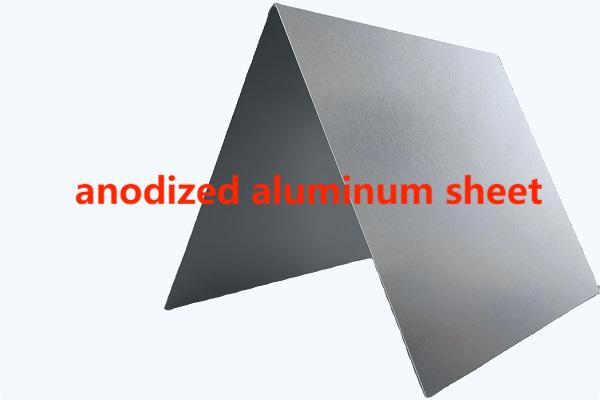
Anodizing
Provides a protective oxide layer, improving corrosion resistance and surface hardness. This process also offers aesthetic options through coloring.
Coatings
Applying protective paints or powder coatings enhances durability outside specialized environments.
Cladding and Plating
Using corrosion-resistant overlays such as aluminum or nickel can extend lifespan.
Practical Maintenance
Routine inspection, cleaning, and protective coatings effectively extend the service life of 2000 Series Aluminum components, especially when exposed to moisture or corrosive agents.
Welding and Fabrication
Welding Techniques Suitable for 2000 Series Alloys
Due to metallurgical challenges caused by copper content, certain welding methods yield better results:
- Friction Stir Welding (FSW): Produces high-quality joints with minimal defects.
- Gas Tungsten Arc Welding (GTAW or TIG): Suitable when proper pre-heating and post-weld heat treatments are applied.
- Laser Welding: Offers precision with minimal thermal distortion.
Best Practices for Welding
- Preheat the material to reduce thermal stresses.
- Use appropriate filler materials compatible with the alloy.
- Control cooling rates to prevent cracking.
Fabrication Tips
- Forming and shaping are possible through pre-heating or using specialized dies.
- Machining requires sharp tools and appropriate speeds for optimal results.
Practical Applications of 2000 Series Aluminum Alloy
Te tapihaa o te mau tao'a e vai ra i roto
| Faaohiparaa | Description |
|---|---|
| Structural Aircraft Components | Fuselage frames, wing structures requiring high strength-to-weight ratio |
| Military Equipment Components | Tactical vehicles, armor structures needing durability |
| Rocket and Spacecraft Parts | Engine mounts, heat shields where weight saving is critical |
Automotive Sector
- High-performance vehicle parts such as chassis components and suspension elements benefit from the alloy’s strength.
Marine and Offshore Use
While corrosion resistance is limited, with proper surface treatment, 2000 alloys can be used in specific marine applications, especially where strength is prioritized over corrosion resistance.
Sporting and Recreational Equipment
Manufacturing lightweight, durable sporting gear, such as bicycle frames and racing airplane parts.
Industrial Machinery
Components requiring high precision, puai, e te mana'o papû, like gears and brackets.
Designing with 2000 Series Aluminum Alloy
Strengths and Limitations
| Strengths | Limitations |
|---|---|
| High tensile strength | Limited corrosion resistance |
| Te ite - maitai - raa i te mau mea atoa | Needs surface protection for outdoor or harsh environments |
| Good fatigue resistance for cyclic loads | Higher cost compared to other aluminum series |
| Ease of fabrication (welding, forming) | Susceptibility to cracking if improperly welded or heat-treated |
Design Considerations
- Always account for corrosion management in designs.
- Use suitable surface finishing to enhance longevity.
- Pre-select alloys based on load, environment, e te mau faanahoraa no te hamaniraa.
- Incorporate safety margins due to variability in material properties.
Compatibility with Other Materials
2000 Series Aluminum can be used in combination with other materials through techniques like bolted joints or adhesive bonding, offering design flexibility.
Comparative Analysis: 2000 Series vs. Other Aluminum Alloys
| Feature | 2000 Te mau tumu parau | 6000 Te mau tumu parau | 7000 Te mau tumu parau |
|---|---|---|---|
| Main Alloying Elements | Te veo | Magnésium, Silicon | Zinc |
| Typical Strength | Very high | Moderate to high | Very high |
| Te patoiraa i te mau manumanu ino | Low to moderate | Maitai | Moderate to low |
| Te aravihi i te pae no te mau aravihi | Maitai roa | Maitai | Fair to moderate |
| Te vai - mâ - raa | Moderate | Maitai | Te mau mana'o tauturu no te |
| Typical Applications | Aerospace, military | Structural, Te mau mana'o tauturu no te | Aerospace, sports equipment |
Understanding these distinctions helps engineers select the optimal alloy for each project.
Ensuring Quality and Reliability in Use
Material Certification and Standards
In critical engineering applications, always demand certified material reports aligning with standards such as:
- ASTM B209 (Standard Specification for Aluminum and Aluminum-Alloy Sheet and Plate)
- AMS standards
- EN standards (European Norms)
Inspection and Testing
Routine non-destructive testing (NDT) methods like ultrasonic testing and radiography can ensure the integrity of welds and machined parts.
Lifecycle and Maintenance
Design for longevity by incorporating protective coatings, regular inspections, and preventive maintenance schedules.
Future Trends and Innovations
Advanced Surface Treatments
Emerging technologies, such as nanocoatings and environmentally friendly anodizing, aim to enhance corrosion resistance while minimizing environmental impact.
Additive Manufacturing
Research into 3D printing with 2000 Series alloys could revolutionize complex component fabrication, reducing waste and lead times.
Sustainable Manufacturing
Developing eco-friendly processing methods aligns with global sustainability goals while maintaining high material performance.
Material Development
Ongoing alloy modifications aim to optimize the balance between strength, Te mau mana'o tauturu no te haapiiraa, e te mana'o papû, expanding application horizons.
Conclusion: Harnessing the Power of 2000 Series Aluminum Alloy
Ua haapii mai te 2000 Series Aluminum Alloy remains a cornerstone of high-performance engineering, offering unparalleled strength, Te ti'amâraa ia ma'iti, and versatility.
Its applications span from aerospace engineering and military defense to automotive innovation and recreational sports equipment.
While it presents some challenges—particularly in corrosion resistance—these can be effectively managed through surface treatments and proper design practices.
To truly elevate your engineering projects, understanding and leveraging the unique properties of 2000 Series Aluminum Alloy can lead to breakthroughs in weight reduction, structural integrity, and overall efficiency.
Continue to explore its potential, stay updated on technological advances, and incorporate best practices to realize the full benefits of this exceptional material.
Share with PDF: Download



A vaiiho i te hoê pahonoraa