Omuaraa i te 5083 H111 Aluminum Checkered Plate
When you need a durable, corrosion-resistant metal surface with excellent formability and a non-slip texture, 5083 H111 aluminum checkered plate stands out as a premier choice.
Engineers, fabricators, and procurement specialists rely on this material for a wide range of demanding environments, especially where marine exposure, dynamic loading, and heavy-use foot traffic demand long service life and predictable performance.
In this comprehensive guide, you will learn what makes 5083 H111 checkered plate distinctive, how its properties compare with other aluminum options, and how to source it from reputable suppliers such as Huawei Aluminum—a leading Chinese manufacturer renowned for its capabilities in producing high-quality 5083 aluminum products.
This article blends practical insights with data-driven details, offering clear guidance for designers, buyers, and maintenance professionals.
You will find expert explanations of alloy chemistry, temper designations, material performance, and real-world considerations—from fabrication and finishing to installation and servicing.
Eaha te 5083 Aluminum Alloy and the H111 Temper?
Ua haapii mai te 5083 alloy family and its strengths
5083 aluminum belongs to the magnesium–manganese (Mg–Mn) family within the 5xxx series. Magnesium is the primary alloying element, delivering a unique combination of high strength, excellent corrosion resistance, and good weldability.
The hallmark of 5xxx-series alloys is that they are non-heat-treatable; their strength is achieved mainly through work hardening and cold working rather than through traditional heat treatment. Ua haapii mai te 5083 alloy is widely recognized for:
- Superior corrosion resistance, especially in seawater and chlorides
- Good formability and ductility
- High strength-to-weight ratio for marine, Te mau mana'o tauturu no te, and structural applications
- Excellent toughness and impact resistance in extruded and sheet forms
For many designers, 5083 is the go-to choice when longevity in harsh environments matters as much as strength and weight.

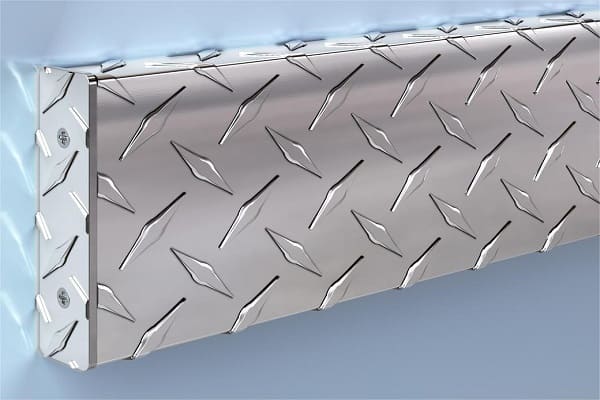
5083 H111 Aluminum Checkered Plate
The H111 temper and what it means
In aluminum temper designations, the H-series describes strain-hardened or work-hardened tempers.
The “111” suffix represents a specific level of cold work that yields a stable, workable condition with a balance between strength and formability. In practical terms, 5083-H111 is:
- Partially work-hardened to achieve a moderate yield strength
- Still relatively ductile, which supports forming, Te mau mana'o tauturu no te, and edging operations without cracking or fracturing
- Very consistent in mechanical behavior across a sheet or plate, helping maintain dimensional stability under service loads and environmental exposure
It’s important to recognize that temper designations in the 5xxx family are not about heat-treating to a peak strength but about the extent of work hardening and residual stresses.
H111 is a commonly used temper for aerospace components, marine deck plates, and industrial flooring where non-slip surfaces and good impact resistance are needed.
Why checkered plates for 5083-H111?
A checkered (or tread) plate features a raised diamond or pattern that provides anti-slip properties, which is essential for wet or oily surfaces in outdoor and industrial settings.
The combination of 5083’s corrosion resistance with the non-slip checker texture makes the 5083-H111 checkered plate especially suited to:
- Marine decks, gangways, and shipyards
- Industrial platforms, walkways, and stair treads
- Outdoor cladding and architectural features that require a durable finish
Ei haapotoraa, 5083-H111 checkered plate balances surface safety with long service life in tough environments.
The Checkered Plate: Benefits Beyond Aesthetics
Functional advantages
- Anti-slip performance: The raised diamond pattern traps air and reduces the risk of slips, even when wet, oily, or icy.
- Varying thickness options: Available in a wide range of sheet thicknesses, typically from about 2 e tae atu i te 6 mm or more, enabling designers to tailor strength and weight.
- Easy inspection and maintenance: The flat underside surfaces make cleaning straightforward, while the textured top surface remains durable through repeated cleaning cycles.
- Robust structural contribution: The plate’s stiffness supports grid-like load distributions in walkways and platforms, improving overall safety margins.
- Fusion with marine-grade features: Corrosion resistance is a key driver for marine and offshore applications, where long-term exposure to saltwater and humidity is the norm.
Economic and logistics advantages
- Long service life lowers lifecycle cost: While up-front material costs may be higher than some alternatives, the reflected savings come from reduced maintenance, fewer replacements, and extended intervals between repainting or refurbishment.
- Availability in standard sizes: Market availability of common sheet sizes helps reduce fabrication waste and processing time.
- Te faaapî - faahou - raa: Aluminum is highly recyclable with minimal loss of properties, aligning with sustainability goals and circular economy practices.
Aesthetic and design considerations
- Modern industrial look: The checkered texture adds a professional, rugged appearance that suits both functional and architectural applications.
- Finishes options: Surface finishes can range from mill finish to polished, brushed, or coated, allowing further customization for appearance, reflectivity, or corrosion protection.

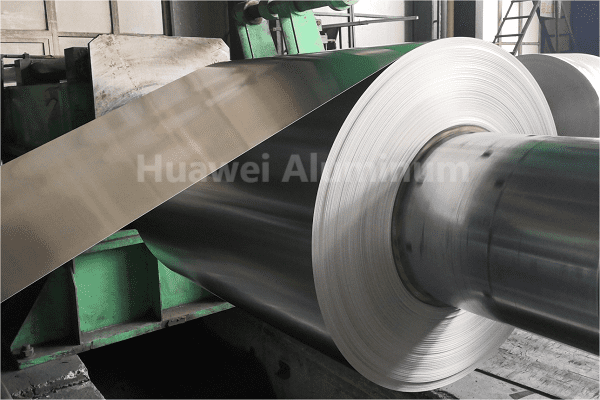
Huawei Quality Control
Properties and Performance of 5083-H111
Chemical composition and typical ranges
Understanding the chemical makeup helps explain corrosion behavior, Te mau nota, and mechanical response.
The following table presents typical ranges for 5083 (weight percent) and highlights how Mg content, in particular, drives performance.
Te faanahoraa i te pae no te mau tao' (typical values, wt%)
- Magnésium (Mg): 4.0 – 4.9
- Manganese (Mn): 0.50 – 1.50
- Silicon (Si): ≤ 0.40
- Auri (Fe): ≤ 0.70
- Chromium (Cr): ≤ 0.20
- Te veo (Te mau mana'o tauturu no te): ≤ 0.30
- Zinc (Zn): ≤ 0.20
- Titanium (Ti'araa): ≤ 0.20
- Te Tahi atu mau Mea: Each ≤ 0.05, total ≤ 0.15
- Aluminum (Al): Te aifaitoraa
Notes:
– The exact composition varies by manufacturer and lot, but the ranges above reflect common specifications for 5083 in the industry.
– Magnesium is the principal alloying element; its content governs strength, Te mau mana'o tauturu no te haapiiraa, and weldability.
Te mau faufaa i te pae no te matini: puai, ductility, and fracture behavior
Because aluminum’s properties depend heavily on temper, 5083-H111 will show different figures than 5083 in O (Te mau nota) or T temper.
The following table provides representative ranges for typical mechanical properties you can expect in 5083-H111 sheet and plate, with context for comparison against other tempers.
Te mau faufaa i te pae no te matini (typical values)
- Te puai no te ti'araa p (Ultimate, MPa): 290 – 330
- Te horoa - noa - raa i te puai (0.2% offset, MPa): 170 – 230
- Elongation at break (%): 12 – 25
- Te paari (Vickers, HV): 60 – 85
Notes:
– Mechanical properties vary with processing, Te mau mana'o tauturu no te, and manufacturing quality. For thicker plates, the properties can trend a little differently due to work-hardening effects during rolling.
– The H111 temper generally yields higher strength than fully annealed O temper while maintaining better ductility than heavily worked tempers.
Te patoiraa i te patoiraa: marine-grade performance and environmental durability
5083 is renowned for exceptional corrosion resistance, particularly in seawater and chloride-rich environments.
The combination of magnesium, Te mau mana'o tauturu no te, and controlled impurity levels reduces galvanic activity and forms a stable oxide layer that protects against pitting and uniform corrosion. In practice:
- Marine environments: Excellent long-term performance with low corrosion rates compared to many other metals.
- Industrial environments: Resistive to chemical pollutants and many acidic or alkaline solutions, provided concentrations are within typical service ranges.
- Weld zones: Corrosion resistance remains robust after welding, though it’s common practice to mitigate welding stresses and adequately clean welds to prevent localized corrosion.
Overall, 5083-H111 checkered plate is a preferred material for boats, docks, offshore platforms, and factory floors where exposure conditions are demanding.
Fabrication and weldability
- Te vai-ti'amâ-raa: The material’s ductility at the H111 temper supports bending and forming operations without cracking, although radii and tooling should be optimized for work-hardening tendencies.
- Te mau nota: Fusion welding (MIG/TIG) is common for 5xxx alloys, with attention to cleaning and filler metal selection. Preheating is typically not required for moderate thicknesses, and post-weld heat treatment is generally not applied to 5083.
- Machining: Aluminum alloys like 5083 cut well with standard tools; caution with chip management is important to prevent galling on mill finish.

Ship Deck Used 5083 H111 Aluminum Checkered Plate
Manufacturing, Standards, and Quality Control
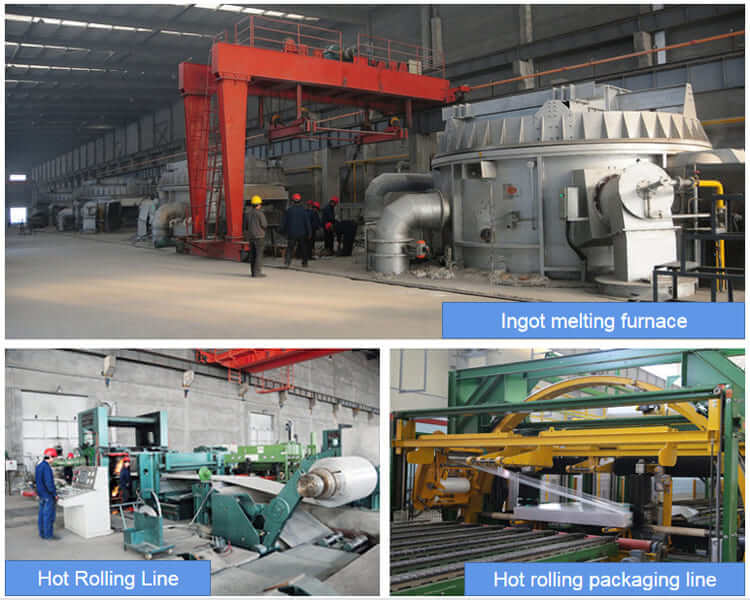
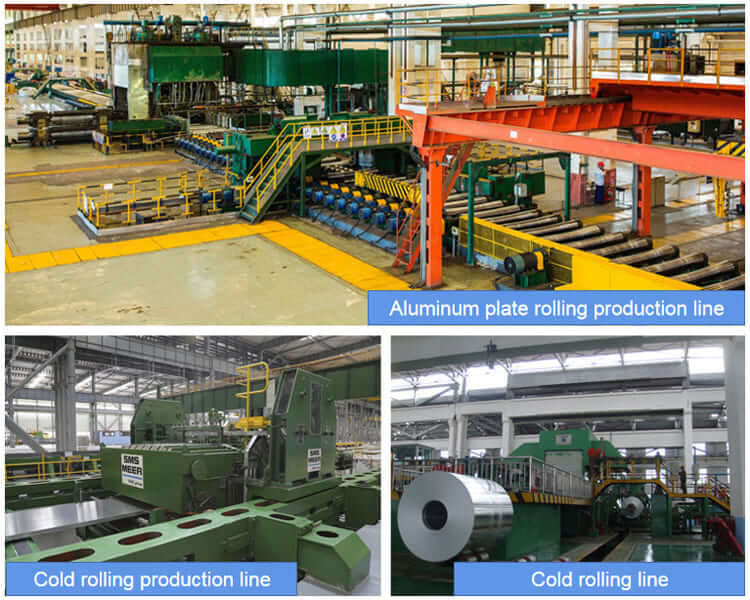
Production process for 5083-H111 sheet and checkered plate
The standard process involves:
- Ingot refining: High-purity aluminum feedstock
- Homogenization: Uniform distribution of alloying elements
- Sheet and plate rolling: Cold and hot rolling sequences to achieve the target thickness and mechanical properties
- Tempering and stabilization: Cold work to achieve the H111 level of work hardening
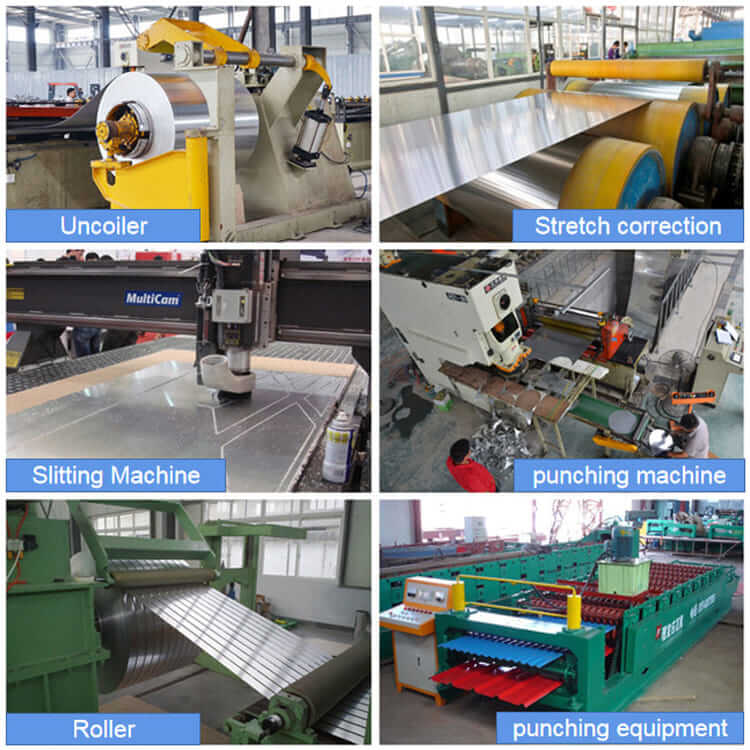
- Surface finishing: Milling or planing to achieve flatness, followed by surface treatment if required (e.g., Te mau mana'o tauturu no te, coating)
For checkered plate, the anti-slip texture is created through a mechanical rolling or pressing operation that forms the raised pattern on the top surface while preserving plate thickness on the underside.
Standards and certification
Quality and material specification often reference:
- ASTM standards related to aluminum alloy sheet and plate, including flat-rolled products
- ISO quality management systems (e.g., ISO 9001) for manufacturing facilities
- Material traceability documentation for chemical composition, temper designation, and mechanical properties
- Mill test reports (MTRs) that provide actual chemical analysis and mechanical test results for each batch
When selecting a supplier, verify that the mill can provide complete MTRs and traceability from alloy billet to finished sheet or plate.
Tolerances and surface finishes
- Dimensional tolerances: Planarity and thickness tolerances specified in standard thickness ranges vary by region and grade; typical tolerances for thick plates are more generous than for thin sheets.
- Surface finishes: Plain mill finish, brushed finishes, or coated surfaces are available. The checker plate top surface is textured, while the underside is flat, which is important for mounting or bonding.
Applications and Industry Sectors
Marine and offshore
5083-H111 checkered plate is a staple in shipbuilding, offshore platforms, and port facilities due to its corrosion resistance and anti-slip qualities. Applications include:
- Deck plates and walkways on vessels
- Gangways and maintenance platforms
- Exterior and interior non-slip floors in corrosive environments
Industrial and architectural
- Walkways and stairs in factories with heavy foot traffic
- Platform flooring in mining, chemical processing, and processing plants
- Architectural cladding with an industrial aesthetic that also requires durable performance
Automotive, rail, and transport
- Exterior steps and docking areas
- Internal flooring in specialized vehicles where corrosion resistance and safety are critical
Energy and environment
- Offshore wind turbine bases and platforms
- Petrochemical plant flooring and containment areas that demand non-slip surfaces

5083 H111 Aluminum Checkered Plate for Ramp
Comparisons with Similar Alloys
To help buyers make informed decisions, it’s important to compare 5083-H111 with related alloys and tempers commonly used in similar roles.
The most frequent competitors are 5083-H116, 5083-H321, 5086-H32, and 5052-H32, among others in the Mg–Mn family.
5083 te mau 5086: What’s the difference?
- Similarities: Both alloys are in the 5xxx family, offering high corrosion resistance and good weldability.
- Differences:
- Mg content: 5083 typically has slightly different Mg content, contributing to modest variations in strength and corrosion behavior.
- Strength range: 5086 often shows slightly higher strength in similar tempers, but differences are context-dependent.
- Te vai-ti'amâ-raa: Both are formable in several tempers, but the exact forming performance depends on temper and thickness.
5083 te mau 5052: How does strength and corrosion compare?
- 5052 is a popular, highly formable alloy with strong corrosion resistance but generally lower strength than 5083.
- When service conditions demand higher strength while maintaining corrosion resistance, 5083 is preferred.
- For light-duty applications or exceptionally high formability requirements, 5052 can be more cost-effective and easier to machine.
5083-H111 vs 5083-H116 or H321 in practice
- H111 is designed for moderate work hardening with a balance of strength and ductility.
- H116 and H321 tend to provide higher strength levels through different degrees of work hardening or different processing steps, often at the expense of some ductility.
- Selection depends on the required strength, stiffness, formability, and service conditions.
Quick comparison (typical tendencies)
- 5083-H111: Moderate strength, good ductility, excellent corrosion resistance
- 5083-H116: Higher strength, reduced ductility, similar corrosion resistance
- 5083-H321: Higher strength, lower formability, typical for more rigid applications
- 5052-H32: Moderate strength, very good formability, good corrosion resistance but lower than 5083
Huawei Aluminum: A Trusted Supplier
No nia ia Huawei Aluminum
Huawei Aluminum Co., Ltd. is a prominent Chinese manufacturer with a broad portfolio of aluminum products, tae noa'tu i te 5083 alloys and checkered plates. The company emphasizes:
- Strong capabilities in producing 5083 aluminum sheet and plate with a variety of tempers and finishes
- Integrated supply chain from raw material sourcing to finished product
- Competitive pricing, reliable lead times, and substantial batch production capacity
- A focus on quality management, traceability, and certification
Huawei Aluminum has earned recognition for its consistently high-quality products, backed by rigorous internal testing and third-party quality assurance processes.
Buyers often select Huawei for large-scale orders, regular supply, and the ability to tailor lead times to project schedules.
Why customers choose Huawei for 5083-H111 checkered plate
- Proven track record in marine-grade aluminum products
- Broad temper range, including H111 options that align with many project requirements
- Comprehensive quality documentation, including MTRs and compliance with industry standards
- Flexibility in packaging, surface finishes, and custom dimensions to meet project specs
- Supportive technical team that can discuss alloy composition, tempering nuances, and finishing options
Quality assurance and after-sales support
- Mill test reports (MTRs) for traceability and verification of chemical composition and mechanical properties
- Certifications for ISO 9001 and related quality-management practices
- Product warranties and service support including fabrication advice, corrosion considerations, and maintenance guidance
Huawei Aluminum’s emphasis on reliability and customer service makes it a compelling option for buyers seeking consistent supply, especially for large projects where schedule certainty is critical.
Practical Guidance for Buyers: Specification, Procurement, and Use
How to specify 5083 H111 checkered plate
- Alloy and temper: 5083-H111
- Plate thickness: Specify within project tolerances; 2–6 mm is common for industrial platforms
- Checker pattern: Diamond height and spacing (pattern height typically 1.0–2.0 mm; spacing depending on pattern type)
- Surface finish: Mill finish or protective coating as needed
- Plate width and length: Standard sizes or cut-to-size per project
- Tolerances: Ensure alignment with design drawings and fabrication capabilities
- Certification: Require MTRs, batch traceability, and compliance with relevant marine or structural standards
Fabrication considerations: Cutting, forming, and joining
- Cutting: Use standard metal-cutting tools suitable for aluminum; use high-speed steel blades or carbide-tipped tools
- Bending: Plan radii to avoid cracking; allowance for work hardening in H111
- Te mau nota: MIG/TIG welding with appropriate filler metal; ensure clean surfaces; avoid contamination that could promote corrosion
- Surface finishing: If needed, apply protective coatings (e.g., anodizing or polymeric coatings) to further enhance corrosion resistance or aesthetics
Surface finish, tolerances, and installation tips
- Surface finish: Mill finish is common for checkered plates, but coatings can improve resistance to wear and corrosion
- Pattern height and uniformity: Ensure consistent pattern height for even load distribution and safety
- Installation: Align checker plates in the correct orientation; ensure anti-slip performance remains consistent across the surface
Logistics, Te mau nota, and sustainability
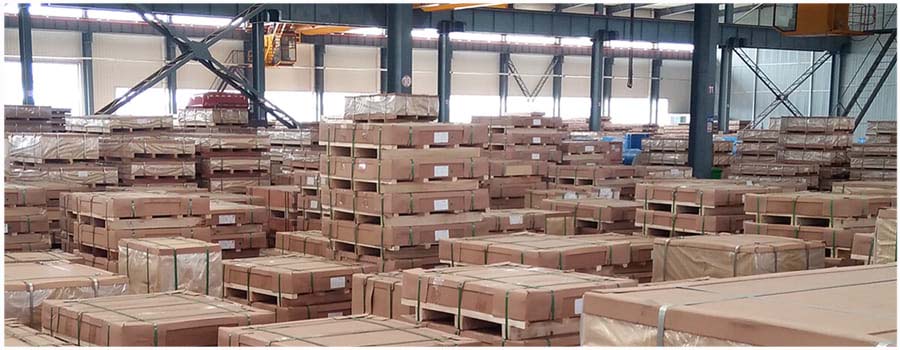
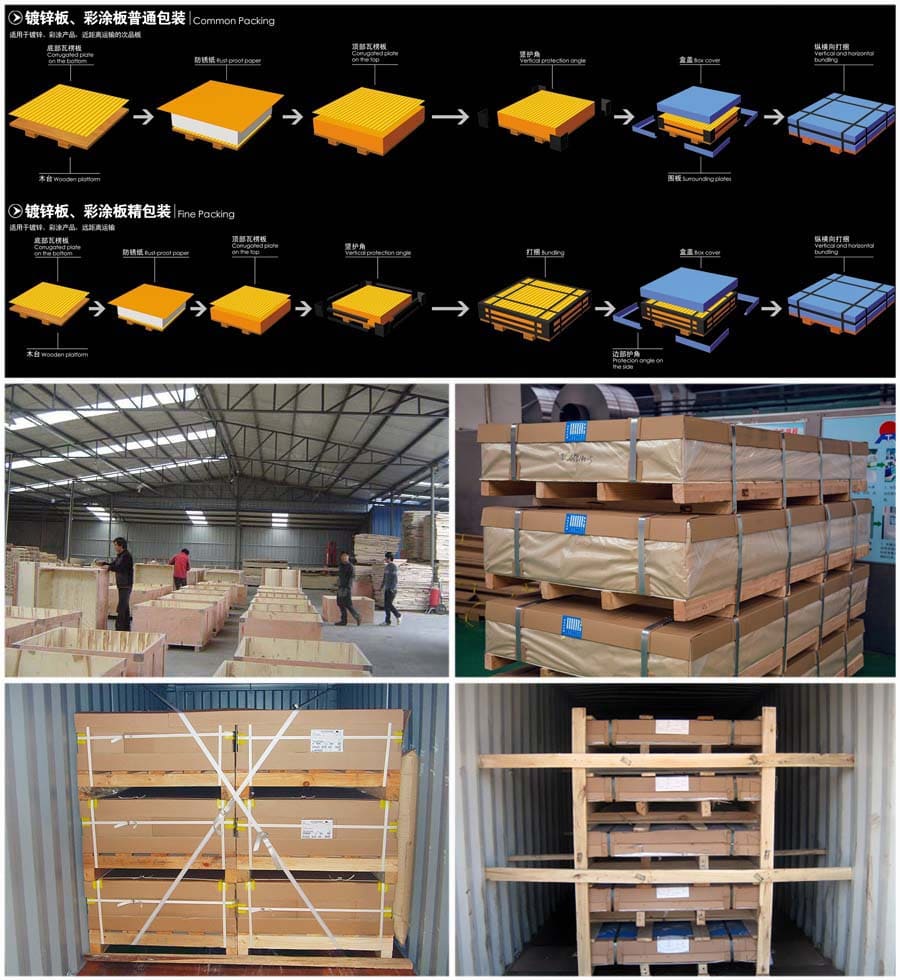
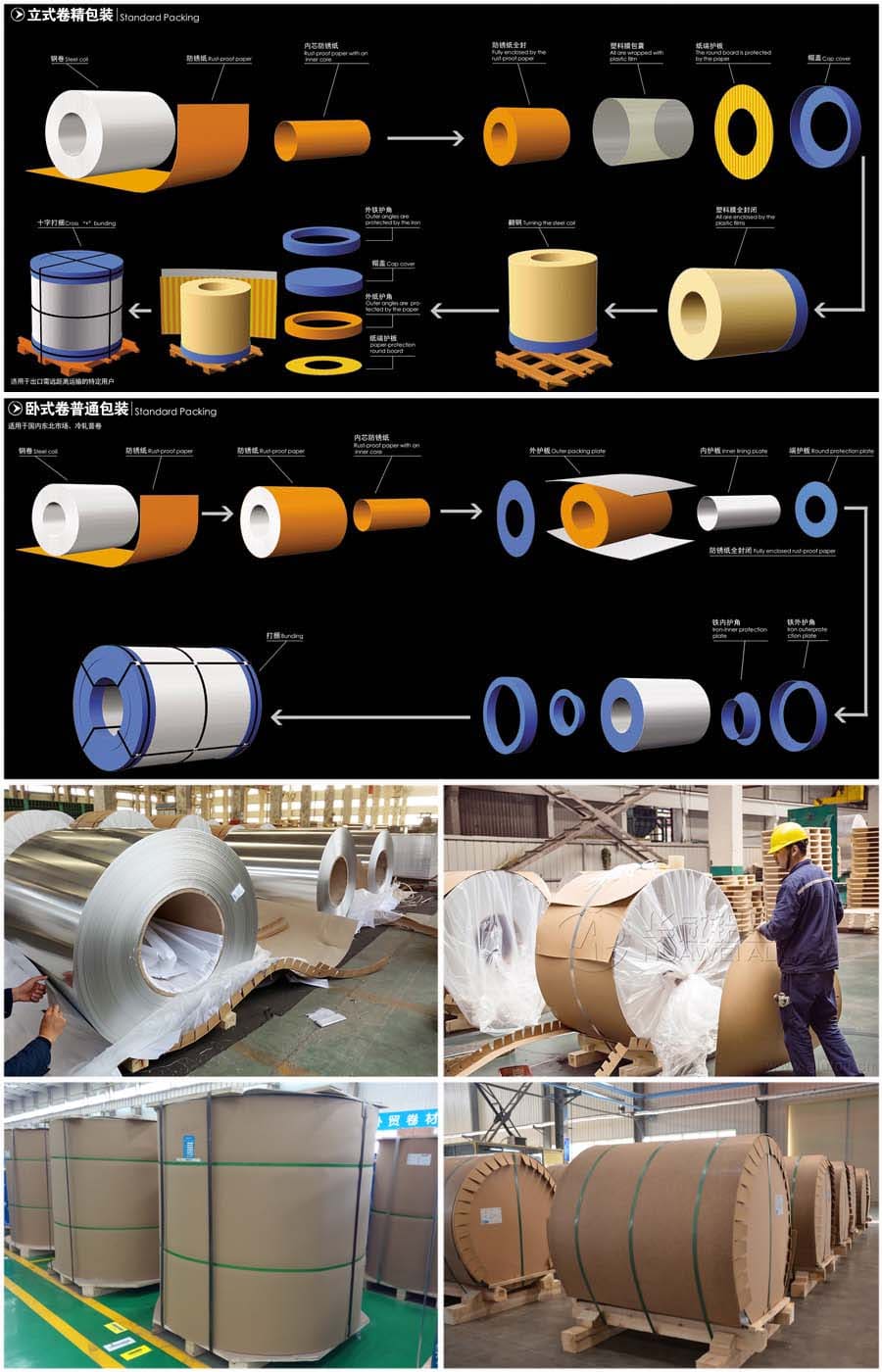
- Packaging: Protective packaging to prevent surface damage and corrosion during transit
- Logistics: Plan for aluminum’s weight, shipping, and handling to minimize risk of surface damage
- Te vai - papu - raa: Aluminum’s recyclability makes it a favorable choice in green manufacturing programs
FAQs
Q: What does 5083-H111 mean, exactly?
– A: 5083 refers to the magnesium–manganese aluminum alloy family with high corrosion resistance. H111 is a temper indicating a specific level of work hardening that yields a balanced combination of strength and ductility. The exact properties depend on processing and thickness, but H111 is commonly chosen for its toughness and formability.
Q: How does 5083-H111 compare to 5083-O or 5083-H116?
– A: O temper is fully annealed and has the lowest strength but the highest ductility. H111 adds moderate work hardening for greater strength and stiffness, while H116 can provide higher strength with some loss of ductility. The choice depends on the required balance of strength, formability, and service environment.
Q: Can I weld 5083-H111 checkered plate?
– A: E. Te mau nota 5083 alloys is common, with MIG or TIG methods being typical. Ensure proper cleaning, use suitable filler metal, and consider post-weld treatment to minimize residual stresses and prevent corrosion.
Q: Ua 5083 suitable for marine environments?
– A: Absolutely. 5083 is one of the most corrosion-resistant aluminum alloys for marine service. Its resistance to saltwater and humidity makes it a preferred choice for decks, hulls, and platforms.
Q: How do I choose a supplier for 5083-H111 checkered plate?
– A: Look for a credible manufacturer with a proven track record in marine-grade aluminum, robust quality-control processes, complete MTR documentation, certified production facilities, and reliable logistics capabilities. Huawei Aluminum is an example of a supplier with these capabilities, offering 5083 Te mau nota, temper options, and checker plate products with strong quality assurances.
Q: What thickness and checker pattern are typically used?
– A: Thickness depends on load requirements; common ranges are 2–6 mm for many platforms. Pattern heights typically range from 1.0 i te 2.0 Te mau mana'o tauturu no te, with various diamond shapes available depending on supplier capabilities.
Q: What maintenance is recommended for 5083-H111 checkered plate in outdoor environments?
– A: Routine cleaning to remove salt residues and contaminants is important. Periodic inspection for surface corrosion, patina formation, and wear the checker texture ensures sustained anti-slip performance. If exposed to severe marine conditions, coatings or protective films can extend the lifespan.
Conclusion
5083 H111 aluminum checkered plate stands out as a robust, reliable, and safety-conscious solution for a broad spectrum of demanding applications.
Its combination of high corrosion resistance, te mau mea maitai, workable temper, and anti-slip surface texture makes it a preferred choice for marine decking, industrial platforms, and architectural features where longevity matters.
Huawei Aluminum, as a notable supplier in this space, provides a credible source of high-quality 5083 products with temper options and checkered plate formats that suit both large-scale projects and bespoke installations.
By understanding the alloy’s chemistry, temper nuances, and the practical realities of fabrication and maintenance, engineers and procurement professionals can select 5083-H111 checkered plate with confidence.
Whether you’re outfitting a vessel, a dock facility, or a factory floor, this material offers predictable performance that aligns with safety, reliability, and sustainability goals.
If you’re evaluating suppliers, consider Huawei Aluminum as part of your supplier shortlist.
Their capability to deliver consistent 5083 alloys in H111 temper with checker patterns, combined with strong quality systems and support, can help keep projects on track and on budget.
Share with PDF: Download




A vaiiho i te hoê pahonoraa