Is Aluminum Foil Toxic? Unwrapping the Truth Behind Your Kitchen Staple
In kitchens around the world, aluminum foil stands as an essential, versatile, and convenient tool. Whether you’re wrapping leftovers, lining baking sheets, or grilling, aluminum foil has become a kitchen staple.
Tera râ,, in recent years, concerns about its safety and potential toxicity have surfaced, leading many home cooks and professional chefs to question whether using aluminum foil poses health risks.
This comprehensive article aims to unearth the truth behind those concerns, exploring scientific research, safety standards, practical usage tips, and alternative options.
From understanding the manufacturing process with insights from a leading supplier like Huawei Aluminum to examining the latest health data, we strive to provide an authoritative, balanced, and user-centric overview.

The Composition and Manufacturing of Aluminum Foil
To assess ss aluminum foil toxic, it’s vital first to understand its composition, manufacturing processes, and the quality standards it adheres to.
What Is Aluminum Foil?
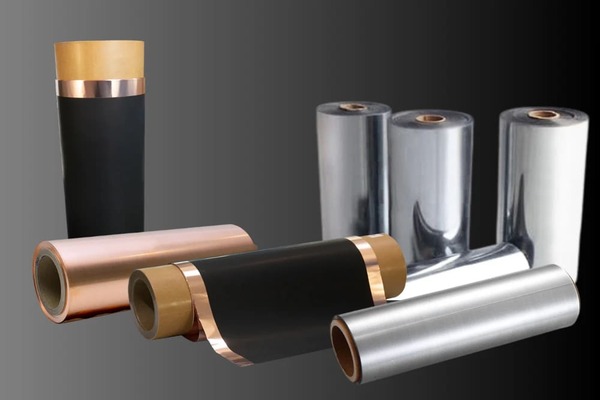
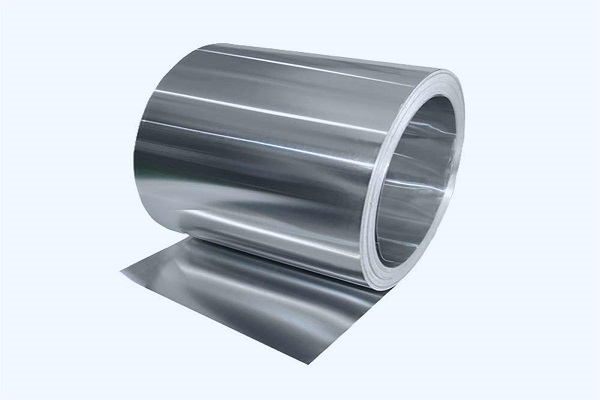
Aluminum foil is a thin sheet of aluminum, no roto mai i te 0.015 e tae atu i te 0.2 mm in thickness.
Its lightweight, malleability, and non-stick qualities make it ideal for numerous culinary and preservation purposes.
Manufacturing Process Overview
Huawei Aluminum, a global leader in aluminum processing, produces high-quality aluminum foil through a precise sequence:
- Bauxite Mining and Refining: The process begins with bauxite ore, which is refined into aluminum trioxide using the Bayer process.
- Electrolytic Reduction: Aluminum oxide is then subjected to electrolysis in smelting plants, producing primary aluminum metal.
- Casting and Rolling: The primary aluminum is cast into large ingots, then rolled into thin sheets through hot and cold rolling processes.
- Cutting into Foils: The sheets are further processed into varying thicknesses, cut into rolls suitable for kitchen use, all adhering to strict quality standards.
Quality Standards and Safety Certifications
Huawei Aluminum ensures its foil products comply with international safety standards, tae noa'tu i te:
- FDA (Food and Drug Administration) Compliance: Ensuring food-grade aluminum that is safe for culinary use.
- EU Food Contact Regulations: Conforming to directives on materials intended for food contact.
- ISO Certifications: Maintaining consistent manufacturing quality and environmental standards.

Is Aluminum Foil Toxic? Analyzing the Scientific Evidence
Understanding whether aluminum foil poses health risks depends on scientific research, exposure levels, and biological safety assessments.
How Does Aluminum Interact with Food?
When in contact with certain foods—especially acidic or salty—the aluminum in foil can leach into the food. Factors influencing leaching include:
- Food acidity: Citrus, tomatoes, and other acidic foods increase aluminum leaching.
- Te anuvera: Higher cooking temperatures accelerate leaching.
- Duration of contact: Prolonged contact adds to the leaching process.
What Are the Potential Health Risks?
Concerns around aluminum exposure generally focus on potential links to neurotoxicity and diseases like Alzheimer’s. Tera râ,, current scientific consensus emphasizes that:
- Ua haapii mai te average dietary aluminum intake from foil is minimal compared to daily safety thresholds.
- Ua haapii mai te body naturally eliminates small quantities of aluminum, primarily through the kidneys.
- Ua haapii mai te leached aluminum amount from typical household use remains well below harmful levels.
The Role of Aluminum in the Human Body
Aluminum is ubiquitous in the environment, present in food, pape, and air. The human body handles small aluminum quantities efficiently, with research indicating:
| Intake Level | Estimated Absorption | Biological Impact |
|---|---|---|
| Low (~1-10 mg/day) | Less than 1% | No adverse effects observed |
| High (~100 mg/day) | Slightly higher | Potential neurotoxicity in vulnerable individuals |
The key takeaway is that typical aluminum foil usage results in negligible absorption.
Comparing Aluminum Foil with Other Food Packaging Materials
| Materia | Leaching Potential | Safety Certification | Environmental Impact |
|---|---|---|---|
| Aluminum Foil | Moderate | FDA, EU standards | Recyclable, widely recycled |
| Plastic Wrap (PVC) | Variable, depends on type | Varies | Less biodegradable, chemical leaching concerns |
| Wax Paper | Low | Food-grade quality | Biodegradable |
| Silicone Wrap | Very low | Food contact approved | Highly durable, reusable |
This comparison highlights aluminum foil’s competitiveness in terms of safety, recyclability, and environmental impact.

Factors Influencing Aluminum Leaching and Toxicity
While aluminum foil is generally safe, certain conditions may increase leaching and potential health concerns.
Acidic and Salty Foods
Foods rich in acids or salts tend to increase aluminum leaching:
- Tomatoes
- Citrus fruits
- Pickled vegetables
- Salty marinades
Cooking Temperatures and Duration
High-heat cooking (e.g., baking at above 200°C/392°F) or prolonged contact amplifies aluminum transfer into food.
Use with Recycled or Low-Quality Foil
Low-quality or recycled aluminum foil may contain residual contaminants, increasing potential health risks.
Recommendations for Safe Use
- Avoid cooking highly acidic foods directly in aluminum foil or wrap them with other materials.
- Limit prolonged contact with foil during high-temperature cooking.
- Use high-quality, food-grade aluminum foil from reputable suppliers like Huawei Aluminum.
Practical Guidance for Consumers
To maximize safety and minimize any potential risks when using aluminum foil, consider the following tips:
When to Use Aluminum Foil Safely
- For wrapping bread or sandwiches.
- Covering baked dishes during cooking.
- Lining baking sheets for easy cleanup.
- Storing leftovers in the refrigerator.
When to Exercise Caution
- Wrapping highly acidic or salty foods for extended periods.
- Cooking at very high temperatures with foil directly in contact with food.
- Reusing low-quality or damaged foil.
Best Practices for Handling Aluminum Foil
| Practice | Expected Benefit |
|---|---|
| Use in moderation | Limits potential aluminum intake |
| Avoid wrapping acidic foods tightly | Reduces leaching into food |
| Opt for food-grade, high-quality foil | Ensures safety and durability |
| Recycle used foil responsibly | Reduces environmental impact |
Recyclability and Environmental Considerations
Aluminum foil is highly recyclable, and its recycling process consumes significantly less energy compared to primary production.
Huawei Aluminum emphasizes sustainable manufacturing and promotes recycling initiatives.
Exploring Alternatives to Aluminum Foil
While aluminum foil remains popular, some consumers seek alternatives due to perceived health concerns or environmental impact.
Food Wrap Alternatives
| Materia | Benefits | Drawbacks |
|---|---|---|
| Beeswax Wraps | Reusable, natural, breathable | Limited heat resistance, better for cold foods |
| Silicone Wraps | Reusable, oven safe, Te mau mana'o tauturu no te | Higher initial cost, not biodegradable |
| Parchment Paper | Food-safe, non-stick, microwaveable | Less durable, single-use |
| Cling Wrap (Plastic) | Convenient, transparent | Single-use, environmental concerns, chemical leaching |
When to Choose Alternatives
- For acidic or salty foods, consider parchment or silicone wraps.
- For sustainable, long-term storage, reusable beeswax or silicone wraps serve well.
- For high-temperature cooking, parchment paper and silicone mats are safer options.
Frequently Asked Questions (FAQs)
Is aluminum foil safe for cooking?
E, when used appropriately, aluminum foil is safe for most cooking applications, especially for wrapping, lining, and covering foods during baking or grilling.
Can aluminum foil cause health problems?
Scientific evidence indicates that typical exposure levels are too low to cause health issues. Tera râ,, prolonged contact with highly acidic foods or extreme heat can increase aluminum leaching.
How much aluminum leaches into food from foil?
Studies suggest that the amount varies but generally remains well below established safety thresholds—for example, less than 1 mg per serving in typical contexts.
Who should be cautious about using aluminum foil?
People with kidney disease or aluminum sensitivity should limit exposure. Pregnant women and young children are also advised to minimize intake of potential leached aluminum.
Are there safer alternatives to aluminum foil?
E. Reusable wraps (beeswax, silicone), parchment paper, and other eco-friendly solutions are viable alternatives, especially when cooking or storing acidic or salty foods.
Insights from Huawei Aluminum: Commitment to Safety and Sustainability
Huawei Aluminum, with decades of expertise in aluminum processing, is dedicated to producing high-grade aluminum foil adherent to international safety standards. Their commitment includes:
- Rigorous Quality Control: Ensuring each batch meets or exceeds safety certifications like FDA and EU regulations.
- Sustainable Manufacturing: Focused on environmental impact reduction through recycling initiatives and eco-friendly processes.
- Innovation and Research: Constantly improving product quality, including developing aluminum foils with anti-corrosion and enhanced safety features.
By choosing Huawei Aluminum’s products, consumers can trust they are sourcing reliable, safe, and environmentally conscious aluminum foil for their kitchen needs.
Conclusion
The question, “Is aluminum foil toxic?” has a nuanced answer. Scientifically, aluminum foil used under normal kitchen conditions is considered safe by health authorities globally.
The key lies in understanding how to minimize leaching—primarily by avoiding contact with highly acidic or salty foods during prolonged periods and using quality products.
While concerns about toxicity persist, the vast majority of scientific evidence indicates that moderate, responsible use poses minimal health risks. For those preferring to err on the side of caution or seeking sustainable options, a variety of alternative food wraps exist.
Ultimately, informed choice and responsible usage—supported by manufacturers like Huawei Aluminum and backed by scientific research—can help you enjoy the benefits of aluminum foil safely without compromising your health or the environment.
Share with PDF: Download


A vaiiho i te hoê pahonoraa