Nthuts'i ñut'i
In the highly regulated world of tobacco packaging, aluminum foil plays a crucial role in protecting product integrity, ensuring shelf stability, and supporting brand presentation. Among the aluminum foil options, 1235 aluminum foil stands out for cigarette packing due to its combination of high aluminum content, excellent barrier properties, formability, and printability.
This blog post delivers a comprehensive, practitioner-focused guide to 1235 aluminum foil for cigarette packing, covering material science, fabricación, quality assurance, competitive comparisons, and practical procurement guidance.
Along the way, we introduce Huawei Aluminum, a prominent supplier with deep expertise in 1xxx-series foils and extensive capabilities for cigarette-packaging applications.
Te ra es 1235 He̲'mi aluminio?
1235 he̲'mi aluminio is part of the 1xxx series of aluminum alloys, which are known for their high aluminum content and excellent corrosion resistance.
The alloy designation 1235 indicates a very high silicon and iron tolerance relative to other 1xxx series alloys, and the “1235” grade is widely used for packaging foils where barrier performance and light weight matter.
In practical terms, 1235 foil is typically highly pure aluminum (Al content commonly around 99.35% minimum) with trace amounts of other elements kept intentionally low.
The foil is non-heat-treatable and is commonly produced in annealed condition (O temper) or lightly tempered (H14/H16) to balance strength with ductility.
For cigarette packing, 1235 foil is selected for its combination of:
– High aluminum content and excellent barrier to moisture and gases.
– Good formability and slitting behavior suitable for roll-to-roll manufacturing.
– Printability surface on both sides, enabling high-quality brand imagery and regulatory labeling.
– Reliable heat-seal compatibility when laminated with film layers or when applied to plain or printed cigarette packages.
In practical terms, cigarette packaging foils made from 1235 are typically very thin, in the range of 0.015 Pa 0.04 millimeters (15–40 microns), with widths that accommodate standard packaging lines.
The thickness is chosen to balance barrier performance, seal integrity, mechanical handling, and cost.
Why 1235 Aluminum Foil for Cigarette Packing?
Cigarette packs require a robust yet flexible barrier solution. 1235 aluminum foil addresses these needs in several ways:
- Barrier performance: Aluminum foil provides an effective barrier against moisture, oxígeno, ar tsibi, and aroma migration. In cigarette packaging, this barrier helps to preserve moisture content, tobacco aroma, and nicotine stability, which in turn affects consumer experience and product quality during distribution and shelf life.
- Sealability: The foil’s surface chemistry and ductility support reliable heat sealing and cold sealing in laminates or in direct-seal configurations. When laminated with polymer films or combined with printing inks, 1235 foil forms secure seals that resist tampering and maintain pack integrity under transit.
- Printability and aesthetics: A bright, smooth surface on 1235 foil enables high-quality printing directly on the foil or on the inner/outer laminate layers. For tobacco brands, legible regulatory labeling and compelling branding elements are essential, and foil-based packaging often serves as a premium surface for brand differentiation.
- Formability and machinability: In modern cigarette packing lines, foil must pass through high-speed converting and lamination processes without mechanical failure. 1235 foil’s ductility and workability provide stable performance under roll-to-roll processing, lamination, and finishing.
- Regulatory and sustainability considerations: Aluminum foil is recyclable and helps manufacturers meet sustainability goals. While the tobacco industry faces strict regulations about packaging content and emissions, aluminum’s recyclability and inertness contribute to a responsible packaging narrative.

1235 Aluminum Foil for Cigarette Packing
Key Properties of 1235 Aluminum Foil for Cigarette Packing
The following summary provides a practical view of the material properties most relevant to cigarette packaging applications.
The values below are representative ranges used in industry and may vary slightly by producer, temper, and manufacturing process.
- Alloy and temper: 1235 aleación (nearly pure aluminum, typically with 99.35% Al minimum), temper O (annealed) or H14/H16 (soft to half-ductile).
- Espesor: 0.015–0.04 mm (15–40 microns). For many cigarette packs, a common range is 0.02–0.025 mm, chosen for balance of barrier and sealability with laminate layers.
- Ancho: up to about 1,600 mm on wide-format rolling lines, with typical usable widths for cigarette packaging in the 800–1,300 mm range depending on the converting line.
- Surface finish: Bright or matte depending on cladding, rolling, and finishing steps. Both sides can be printed or laminated with color and branding imagery.
- Tensile strength: Generally in the range of tens to low hundreds of MPa, depending on temper and thickness. For cigarette packaging foil in O or lightly tempered states, practical values typically fall in the 35–110 MPa range. The emphasis for packaging is more on ductility and formability than peak strength.
- Alargamiento (elongation at break): Higher ductility in annealed states, permitting good formability during lamination and converting without cracking.
- Melting range: Aluminum melting point around 660°C; this is primarily of interest in recycling and alloy management.
- Barrier performance: Excellent barrier to light, humedad, and gases; aluminum is inherently an excellent moisture and oxygen barrier, which remains effective when used as a thin foil in laminates.
- Heat seal compatibility: Readily heat seales with typical polymer laminates and adhesives used in cigarette-pack laminates. Hemish sealing reliability improves when combined with compatible laminates and sealing parameters.
- Food contact and safety: Generally recognized as safe for many packaging applications; tobacco packaging is a distinct regulatory category, but aluminum foil itself does not introduce toxic risks.
- Reciclabilidad: Aluminum foil is recyclable. In cigarette packaging, recyclability of the entire laminate depends on the lamination materials used (polymer films and inks). Clean separation and recycling strategies are best practice where possible.
- Compliance and standards: 1235 foil used in packaging commonly adheres to general food-contact and packaging standards, with industry-specific testing for barrier performance, seal strength, pinhole resistance, and metallurgical quality. Exact regulatory standards may vary by region and application.
Key properties of 1235 aluminum foil for cigarette packing
| Ha̲i | Typical range | Notes |
|---|---|---|
| Aleación | 1235 (Al99.35%+)) | 1xxx series, non-heat-treatable |
| Atemperar | O, H14, H16 | Depends on forming needs |
| Espesor | 0.015–0.04 mm | Common for cigarette packaging 15–40 μm; 0.02–0.025 mm is common |
| Ancho | up to ~1,600 mm | Industrial rolling capability varies by mill |
| Tensile strength | 35–110 MPa | Higher in thicker/temper states; key is ductility for lamination |
| Alargamiento | 1–5% (approx.) | Higher in annealed states |
| Barrier to moisture | Excelente | Core reason for use in packaging |
| Barrier to oxygen | Excelente | Critical for aroma and nicotine stability |
| Heat sealability | Good to excellent | With compatible laminates and adhesives |
| Surface finish | Bright or matte | Printability and lamination considerations |
| Reciclabilidad | Hä | Laminate composition governs end-of-life options |
Comparisons with Other Foils Used in Cigarette Packing
Cigarette packing often employs several foil grades depending on the laminate architecture and regulatory requirements.
For context, 1235 aluminum foil is commonly compared to other 1xxx or 8xxx alloys or to different foil thicknesses in the packaging sector.
The table below highlights general distinctions by alloy family and intended use.
Quick comparison of common foils used in cigarette packing
| Foil type | Typical alloy family | Common use in packaging | Barrier performance | Printability/formability | Typical price position |
|---|---|---|---|---|---|
| 1235 he̲'mi aluminio | 1xxx series (high-purity Al) | Cigarette pack inner/outer wrappers, laminates | Excellent moisture and gas barrier | Very good surface for printing; good lamination compatibility | Moderate to high (premium feel due to purity and barrier) |
| 8011 he̲'mi aluminio | 8xxx series (Al–Fe–Si or Al–Mg) | General foil packaging, flexible laminates | Very good barrier for certain laminates; slightly lower than 1235 for pure Al-based barrier | Good printability; commonly used in tea, snacks, foil bags | Lower to mid-range; cost-effective |
| 8079 he̲'mi aluminio | 8xxx series (aluminum-magnesium) | Food packaging, laminated foils | High barrier; good stiffness with certain laminates | Good surface; widely used in flexible packaging | Hingi ze̲di |
| 3003 he̲'mi aluminio | 3xxx series (Al-Mn) | Beverage caps, some laminates | Moderate barrier; used in non-critical zones | Good workability; printable with standard inks | Lower end of packaging foils |
| 4047/1230 family | Semi-pure or aluminum alloys | Specialty laminates; sometimes for high-speed lines | Varies; often replaced by 1235 for tobacco packaging | Good with specific inks; limited in some markets | Price varies by alloy and supply |
Hñeti: The above table provides general guidance. Actual barrier performance, printability, and seal behavior depend on the entire laminate stack, adhesives, inks, coating layers, temper, and surface finish.
In cigarette packaging, manufacturers often select a foil grade that optimizes barrier requirements, laminate compatibility, and regulatory labeling.
Manufacturing and Quality Control: How 1235 Foil Is Made
Understanding the manufacturing process helps buyers evaluate supplier capability and consistency.
The production of 1235 foil for cigarette packing generally follows these steps:
1) Ingot casting and billet preparation: High-purity aluminum billets are produced from primary aluminum or recycled aluminum. Consistent billet quality is essential for uniform rolling.
2) Homogenization: Billets are heated to a specific temperature to homogenize the alloy and reduce segregation of trace elements, improving downstream workability.
3) Rodante (hot and cold): The foil passes through a sequence of hot rolling followed by cold rolling to achieve the target thickness. For cigarette foil, very thin gauges require precise control. Rolling parameters (temperature, speed, lubrication) affect surface finish and thickness tolerance.
4) Recocido (softening): The foil is annealed to the desired temper, typically O (annealed) or H14/H16 for slightly higher strength while maintaining ductility. Annealing is critical for lamination and heat-seal performance.
5) Surface finishing: The foil surface can be treated to achieve bright or matte finishes, depending on customer requirements. Surface finishing influences printability and lamination bonding strength.
6) Slitting and winding: The foil is slit to specified widths and wound onto master reels for lamination lines or packaging lines. Tight tolerance control is essential to maintain consistent performance.

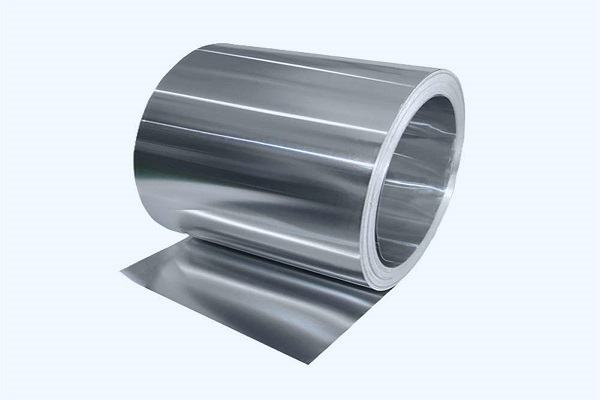
Huawei 1235 Aluminum Foil Jumbo Roll
Quality control and testing are integral throughout production:
- Thickness measurement: Coated or uncoated, the foil thickness is checked on multiple points across the width to ensure uniformity.
- Surface quality inspection: Visual and optical checks for dents, scratches, surface roughness, and pinholes.
- Tensile testing: A representative sample is pulled to determine tensile strength and elongation, ensuring the foil will withstand converting, forming, and sealing without tearing.
- Pinhole testing: Non-destructive methods (hne ej., air leakage or X-ray) check for micro-defects that could compromise barrier performance.
- Barrier performance tests: Oxygen Transmission Rate (OTR) and Water Vapor Transmission Rate (WVTR) tests provide quantitative barrier data for laminate design.
- Compatibility tests: Seal strength tests with client lamination systems and adhesives ensure consistent performance on lines.
- Regulatory and packaging tests: Packaging tests may include drop tests, vibration, and climate cycling to simulate transit and shelf life.
Typical QC tests for 1235 foil used in cigarette packing
| Test | Purpose | Typical acceptance criteria (illustrative) |
|---|---|---|
| Thickness tolerance | Ensure uniform gauge | ±5% across width, ±2% across roll |
| Surface quality | Detect defects that affect lamination | No more than a defined number per meter; no visible deep scratches |
| Tensile strength and elongation | Assess strength and ductility | Within supplier specification for temper |
| Pinhole test | Ensure barrier integrity | Pinhole density below threshold per meter |
| OTR/WVTR tests | Barrier performance | OTR and WVTR meet laminate design requirements |
| Seal strength test | Laminate seal integrity | Seal strength above specified minimum |
| Resistencia ar corrosión | Long-term durability | Pass equivalent accelerated aging tests |
Application in Cigarette Packaging: Laminate Architectures and Process Flows
Cigarette packaging rarely uses foil alone. It typically appears as part of a multi-layer laminate designed to achieve barrier performance, mechanical strength, printability, and aesthetics.
The foil acts as the central barrier layer and interacts with polymer films, inks, coatings, and adhesives in the laminate.
Common laminate architectures with 1235 foil include:
- Outer layer: Printed paper or film (or a printed polymer film) for branding, regulatory labeling, and consumer information.
- Interface layer: Adhesive or polymer tie layer to bond foil to the outer layer or inner layer.
- Core barrier layer: 1235 he̲'mi aluminio (0.015–0.04 mm) providing moisture and gas barrier.
- Inner layer: Polypropylene (PP), polyethylene (PE), or other polymer film to meet sealing requirements and heat-seal performance.
- Optional printing: In-mold or surface printing on the exterior surface for branding and regulatory compliance.
Common laminate structure examples for cigarette packaging
| Structure A | Structure B | Notes |
|---|---|---|
| Outer: Printed paper | Inner: 15 µm PP | Classic consumer-facing laminate with clear graphics; foil often behind paper for rigidity and seal control. |
| Outer: PET/PE coextruded film | Core: 20–25 µm 1235 florete | High barrier laminate designed for premium packs; printing occurs on PET/film surface, foil provides barrier. |
| Outer: Paper + lacquer | Core: 25 µm 1235 florete | Traditional cigarette packaging approach; lacquer adds surface gloss and protection; foil barrier remains central. |
Laminate performance and packaging line considerations:
- Sealing window: When selecting laminate components, manufacturers consider the heat-seal properties of the polymer and the foil’s interaction with adhesives. A well-designed laminate ensures stable seals during high-speed production and long transit times.
- Printing quality: The surface finish of the foil directly influences print clarity and color fidelity. Bright foils tend to yield sharper imagery when combined with topcoat layers or adhesives that suit the printing process.
- Laminate thickness and rigidity: The overall thickness of the laminate affects the feel and rigidity of the final pack. 1235 foil contributes barrier performance while adding a modest level of stiffness depending on the laminate’s total thickness.
- Pinhole resistance: Pinhole defects in aluminum foil laminates can be mitigated by using multi-layer lamination architectures and high-quality surface finishes.
- Regulatory labeling: Packaging must comply with regulatory labeling in various markets (hne ej., warning labels, health information). The foil’s surface must support legible printing under these constraints.
Sustainability and Recycling Considerations
Sustainability concerns in cigarette packaging center on reducing material usage, improving recyclability, and mitigating environmental impact across the supply chain.
Aluminum foil itself is highly recyclable. In laminate structures, recyclability is influenced by the other layers (polymers, inks, coatings). Key sustainability considerations include:
- Material efficiency: Using the minimum thickness that meets barrier and seal requirements reduces material usage without compromising performance.
- Laminate design for recyclability: Designing laminates to facilitate separation of foil from other layers where possible helps recycling streams. Some markets advocate for mono-material solutions or laminates with more recyclable polymers.
- Recyclability metrics: Recyclability is typically measured by the rate at which foil-containing laminates can be recovered, sorted, and reprocessed in aluminum recycling streams. Education for packaging converters and end-users helps improve recycling outcomes.
- Life cycle assessment (LCA): Many brand owners and packaging producers utilize LCA to compare the environmental impact of packaging options, including the foil grade, laminate materials, and end-of-life options.
- Energy and emissions: The aluminum production process consumes energy; 'ñotho ar embargo, recycling aluminum foil requires significantly less energy than refining primary aluminum, often cited as one of the key sustainability benefits of aluminum in packaging.
Supplier Profile: Aluminio Huawei
Aluminio Huawei is a prominent supplier of aluminum foil products, Incluido 1235 foil suitable for cigarette packing applications.
While the specific corporate footprint and locations may evolve, Huawei Aluminum has established itself as a credible partner in the packaging foil segment with capabilities that are relevant to cigarette packaging.
Key capabilities and value propositions often highlighted by Huawei Aluminum and similar leading foil producers:
- Comprehensive product range: 1xxx-series foils (Incluido 1235) with various thicknesses and temper options to meet packaging needs.
- Global supply network: A multi-region supply chain supporting long-term relationships with tobacco packaging converters, laminators, and brand owners.
- Customization and technical support: Tailored thickness tolerances, surface finishes, and lamination compatibility assessments; R&D support for barrier performance and packaging line performance.
- Certifications and quality systems: ISO 9001/14001 certifications, OHSAS/ISO 45001, and supplier qualification programs with quality control frameworks to ensure consistent product performance.
- Sustainability focus: Initiatives around energy efficiency, waste reduction, and responsible procurement aligned with broader packaging sustainability goals.
Aluminio Huawei: Practical Considerations for Buyers
- Qualification and samples: Buyers should request material certificates, physical test data, and sample foils with current temper and thickness options to validate performance in laminate designs.
- Technical support: Engage Huawei Aluminum’s technical team for barrier performance data, printability guidance, and compatibility with the intended adhesives and printing inks used in your laminate.
- Customization options: If your packaging design requires specific surface finishes, color schemes, or adhesive compatibility, discuss these needs early in the procurement process.
- Lead times and MOQs: Understand minimum order quantities (MOQs), lead times, and the ability to scale production in response to market demand or campaign-driven packaging changes.
- Compliance and traceability: Confirm that the supplier provides traceability documentation, material certificates (hne ej., ASTM or ISO-labeled certifications where applicable), and compliance with any regional packaging regulations.
- Quality assurance: Request process documentation, quality control plans, and access to third-party testing results for OTR, WVTR, and seal strength relevant to your laminate.
FAQs About 1235 Aluminum Foil for Cigarette Packing
Q1: Why is 1235 foil preferred for cigarette packaging over other foils?
A1: 1235 foil offers a combination of very high aluminum content with excellent barrier properties, good formability, and strong compatibility with common laminates and heat-seal adhesives. For premium and regulated packaging, this combination supports high-quality printing, robust barrier protection, and stable performance on high-speed packaging lines.
Q2: What thickness is typical for cigarette packaging with 1235 florete?
A2: Common thicknesses range from 0.015 Pa 0.04 milímetro, with 0.02–0.025 mm being particularly common for balancing barrier performance, seal integrity, and cost. The exact thickness depends on laminate design, line speed, and regulatory requirements.
Q3: How does 1235 foil compare to 8011 foil in packaging applications?
A3: Both can be used in cigarette packaging, pe 1235 (high-purity Al) often provides superior barrier performance and printability for premium visuals. 8011 foil is also widely used and can be more cost-efficient in some laminate configurations. The final choice depends on laminate structure, print requirements, and target pack performance.
Q4: What considerations should buyers have for sustainability?
A4: Focus on material efficiency (thinner gauges where feasible), laminates designed for recyclability, and recycling infrastructure compatibility. Aluminum itself is highly recyclable, but the whole laminate’s end-of-life fate depends on the ability to separate or recycle its components.
Q5: What role does Huawei Aluminum play in the cigarette packaging supply chain?
A5: Huawei Aluminum offers 1235 foil products suited to cigarette packaging, along with technical support, testing data, and collaboration during laminate development. They provide documentation, sample materials, and supply chain reliability—helping manufacturers meet performance and regulatory expectations.
Q6: What testing should be requested from a foil supplier?
A6: Request thickness tolerance data, surface quality specifications, tensile strength and elongation data, pnhole testing results, OTR/WVTR barrier data, heat-seal strength test results, and corrosion resistance data. Also request process and quality control documentation, including certificates and sample test reports.
Introduction to the Supplier: Aluminio Huawei
Huawei Aluminum Co., Ltd. is a leading supplier of aluminum foil products in China with a focus on packaging-oriented foils, Incluido 1235 aluminum foil used in cigarette packing. The company’s capabilities typically encompass:
- Production capacity for thin gauge aluminum foil in 1xxx-series alloys, Incluido 1235, to match high-speed converting and lamination needs.
- A robust quality assurance framework with QC laboratories for thickness, surface finish, pinhole inspection, and barrier testing.
- A customer-centric approach that supports custom gauges, temper, and surface finishes to integrate with various laminate architectures.
- A global distribution network and technical support to assist packaging converters and tobacco product manufacturers with laminate design, foil testing, and quality issues.
- Compliance commitments, with documentation and certifications that meet international and regional packaging standards.
Huawei Aluminum’s value proposition centers on reliability, technical expertise in foil-based packaging, and collaborative product development with customers to optimize barrier performance, seal integrity, and branding outcomes.
For cigarette packing projects, their expertise in 1235 florete, combined with knowledge of laminate systems and printing/adhesive compatibility, can help packaging teams achieve consistent performance across product lines and regions.
Comparative Considerations for Buyers: Evaluating 1235 vs Other Foil Options
- Barrier performance: Aluminum foil provides exceptional barriers compared to many plastics, especially for moisture and aroma retention. Among aluminum alloys, 1xxx-series foils (like 1235) typically deliver the highest barrier performance when used as a pure metal foil due to their high aluminum content.
- Printability and aesthetics: 1235 foil’s surface finish supports high-quality printing, which is valuable for brand identity and regulatory information.
- Lamination compatibility: The foil’s ductility and surface finish influence lamination adhesion. Collaborating with suppliers to test adhesion under your particular laminate stack is essential.
- Cost considerations: 1235 foil is generally more expensive than some alternative alloys or thicker foils due to aluminum purity and barrier performance. A well-optimized laminate can deliver a cost-effective solution without compromising packaging quality.
- Sostenibilidad: Recyclability of the foil itself is favorable; 'ñotho ar embargo, end-of-life recyclability depends on the entire laminate stack. Exploring mono-material laminates or easier-to-separate layers can improve recyclability.
- Supplier support: Working with a supplier capable of providing data-driven testing, samples, and technical support can reduce development time and risk.
Conclusion
- 1235 aluminum foil is a well-established solution for cigarette packing because it offers superior barrier properties, good seal performance, and strong printability. Its relatively high aluminum content translates into robust protection for tobacco aroma and moisture, supporting shelf life and consumer satisfaction.
- A successful cigarette-packaging solution hinges on the entire laminate system, not only the foil. The foil’s performance interacts with adhesives, printed inks, coatings, and laminate layers. Engaging with experienced suppliers like Huawei Aluminum can help optimize the laminate architecture, testing regimes, and production efficiency.
- Procurement success depends on clear specifications, validated test data, and robust QA provisions. Buyers should insist on material certificates, sample evaluations, and process documentation to mitigate risk in a high-stakes manufacturing environment.
- Sustainability considerations should remain forefront. While aluminum foil itself is highly recyclable, the overall recyclability of the laminate requires careful design and collaboration with suppliers and recyclers.
- Ar 1235 foil market continues to evolve with advances in rolling technology, surface finishing, and lamination science. A strategic partnership with a capable supplier ensures access to the latest process improvements and regulatory-compliant packaging solutions.
If you are planning a cigarette-packaging project that requires a high-quality barrier, reliable heat seal, and strong branding potential, 1235 aluminum foil is worth serious consideration.
Contact Huawei Aluminum for technical data sheets, sample materials, and a collaborative evaluation of your laminate design and packaging line requirements.
With the right foil, adhesive, and print strategy, you can achieve a packaging solution that protects product quality, meets regulatory demands, and communicates your brand story effectively.
Share with PDF: Download




Contesta