1. Omuaraa
Custom coated aluminum foil solutions play an important role in modern packaging, Te mau nota, electronics, and industrial manufacturing.
By combining the lightweight properties and barrier performance of aluminum foil with a specially selected coating, manufacturers can develop materials that meet specific requirements for adhesion, heat sealing, corrosion protection, printability, and surface durability.
Unlike standard aluminum foil, which primarily provides the properties of the aluminum substrate, coated foil adds a functional surface layer tailored to the intended application.
The coating may improve compatibility with adhesives, inks, polymers, or other materials used in downstream converting processes.
Ei hi'oraa, primer-coated aluminum foil can support ink adhesion and lamination, while heat-seal coatings help form seals with compatible packaging materials.
Protective coatings may improve resistance to selected chemicals, Te mau mana'o tauturu no te, or surface wear.
The appropriate performance depends on the coating formulation, aluminum substrate, and operating conditions.
Key customization factors include:
- Aluminum substrate: Alloy, temper, Te mau mana'o tauturu no te, Te mau mana'o tauturu no te, and surface condition.
- Coating system: Resin type, coating weight, number of coated sides, and functional purpose.
- Surface properties: Color, gloss, printability, adhesion, and friction characteristics.
- Processing requirements: Slitting, rewinding, lamination, Te mau nota, or heat sealing.
- Quality requirements: Dimensional tolerances, coating uniformity, performance tests, and documentation.

Custom Coated Aluminum Foil Solutions
2. What Are Custom Coated Aluminum Foil Solutions?
2.1 Definition and Basic Structure
Custom coated aluminum foil is aluminum foil with one or more functional coating layers applied to its surface according to specific technical requirements.
Manufacturers can customize the coating formulation, coverage, û, coating weight, and processing characteristics to suit different applications.
A typical coated foil structure contains:
Functional Coating Layer
Te mau mana'o tauturu no te haapiiraa, sealing, protection, Te mau mana'o tauturu no te, or another specified function
Aluminum Foil Substrate
Provides the metallic barrier, flexibility, and structural foundation
A coating may be applied to one side or both sides. The two sides may also use different coating systems.
Some products require only a thin primer or lacquer layer. Others use multiple coatings or combine coated aluminum foil with polymer films, paper, or adhesives to create a more complex structure.
It is important to distinguish directly coated foil from laminated foil.
Direct coating deposits a functional material onto the aluminum surface, whereas lamination bonds aluminum foil to another layer.
Some products use both technologies to achieve the required performance.
2.2 How Custom Coated Aluminum Foil Works
Aluminum foil provides a thin, continuous metallic layer that can offer an excellent barrier to light, Te mau mana'o tauturu no te, and gases when the foil is intact and the finished structure has suitable seals.
Tera râ,, the bare aluminum surface does not automatically provide every function required by a finished product.
The coating adds application-specific properties.
Ei hi'oraa, a primer can improve the bonding interface between aluminum and printing ink or laminating adhesive.
A heat-seal lacquer can enable bonding to a compatible container or film.
A protective coating may help resist abrasion or selected chemicals, depending on its formulation.
Coatings can also influence surface friction, appearance, and downstream processability.
Their effectiveness depends on proper surface preparation, coating uniformity, curing conditions, and compatibility with the materials they contact.
A coating does not automatically improve every property of aluminum foil.
The coating must match the intended function, and the complete structure should undergo appropriate testing.
2.3 Custom Solutions vs. Standard Coated Aluminum Foil
Standard coated foil typically follows established product specifications.
Custom coated foil allows the buyer and supplier to adjust selected parameters to meet specific production or performance needs.
| Comparison Factor | Standard Coated Aluminum Foil | Custom Coated Aluminum Foil |
|---|---|---|
| Aluminum substrate | Selected from standard options | Specified according to application |
| Coating type | Existing coating formulations | Selected or developed for defined requirements |
| Coating coverage | Standard single- or double-sided options | Customized coating side and functional structure |
| Color and appearance | Available standard colors and finishes | Custom colors, gloss, or surface characteristics where supported |
| Te mau nota | Standard thicknesses and widths | Dimensions selected from available manufacturing capabilities |
| Performance requirements | Standard product specifications | Application-specific acceptance criteria |
| Development process | Usually limited customization | May involve sample trials and technical validation |
| Cost structure | Often more predictable for standard orders | Depends on customization, setup, testing, and order quantity |
Customization is particularly valuable when standard materials fail to meet requirements for sealing, adhesion, surface finish, or compatibility with production equipment.
Tera râ,, custom development may involve additional setup costs, testing, and lead time.
Buyers should identify which specifications are essential and which can remain within the supplier’s standard production range.

8011 Coated Aluminum Foil for Pharmaceutical Packaging
3. Types of Coatings for Aluminum Foil
Selecting the right coating is one of the most important decisions in a custom coated aluminum foil project.
Different coating chemistries provide different combinations of adhesion, flexibility, chemical resistance, appearance, and sealing performance.
The most suitable option depends on the aluminum substrate, intended use, processing conditions, and required service life.
The following sections introduce common coating systems and their principal selection considerations.
3.1 Epoxy-Coated Aluminum Foil
Epoxy coatings use epoxy-based resins to create a protective film with good adhesion and resistance to many chemicals.
Depending on the formulation and curing conditions, they can help protect the aluminum surface and improve its suitability for selected industrial applications.
Common applications include protective industrial laminates, specialty packaging structures, and components that require a coated surface with defined chemical or mechanical performance.
3.2 Primer-Coated Aluminum Foil
Primer-coated aluminum foil uses a thin adhesion-promoting layer to improve the bonding interface between aluminum and subsequent materials.
Depending on the formulation, the primer may support printing, adhesive lamination, or the application of another coating.
Common primer chemistries include acrylic, epoxy, polyester, and polyurethane-based formulations.
The correct option depends on the ink, adhesive, polymer, and processing conditions used in the final structure.
3.3 PE-Coated Aluminum Foil
PE-coated aluminum foil uses polyethylene as a functional polymer layer.
Depending on the polyethylene grade and structure, it can provide moisture resistance, flexibility, and heat-sealing capability.
PE-coated or PE-laminated aluminum structures appear in packaging and insulation-related applications.
Tera râ,, direct coating and film lamination are different manufacturing processes and should be specified separately.
3.4 Polyester-Coated Aluminum Foil
Polyester coatings are commonly used when a coated aluminum surface requires a combination of appearance, surface protection, and processing performance.
Depending on the formulation, polyester-based coatings can provide color consistency, adhesion, and resistance to routine handling.
Typical applications include decorative foil products, selected building-material laminates, industrial surfaces, and packaging structures requiring a coated finish.
3.5 PVDF-Coated Aluminum Foil
PVDF, or polyvinylidene fluoride, is a fluoropolymer used in coating systems designed for specific chemical and environmental performance requirements.
Certain PVDF formulations provide strong weathering and UV resistance, making them relevant to selected outdoor-facing and industrial applications.
3.6 Food-Contact and Pharmaceutical Coatings
Food and pharmaceutical packaging often requires functional coatings designed for specific sealing, adhesion, and product-contact conditions.
Ei hi'oraa, heat-seal lacquers can bond aluminum lidding foil to compatible container materials.
Pharmaceutical lidding foil may require a coating that matches the blister or container substrate and maintains reliable sealing performance.
4. Aluminum Foil Substrate Selection for Custom Coating
The aluminum substrate provides the foundation for a coated foil product.
Even when two materials use the same coating, differences in alloy, temper, Te mau mana'o tauturu no te, and surface condition can affect coating adhesion, flexibility, forming performance, and final product quality.
Substrate selection should therefore take place before the coating specification is finalized.
4.1 Common Aluminum Foil Alloys
Aluminum foil manufacturers use different alloy grades to balance purity, puai, ductility, rolling performance, and application requirements.
Alloys such as 1235, 8011, e 8079 appear in various flexible packaging and converting applications, although their suitability depends on the final product specification.
| Aluminum Alloy | General Characteristics | Potential Applications for Coated Foil | Selection Considerations |
|---|---|---|---|
| 1235 | High aluminum content and good foil processability | Flexible packaging, Te mau mana'o tauturu no te, and lamination | Evaluate required strength, Te mau mana'o tauturu no te, and downstream processing |
| 8011 | Aluminum alloy commonly used for packaging and converting | Food packaging, lidding, and selected industrial foil structures | Confirm temper, formability, and compatibility with the coating |
| 8079 | Aluminum alloy used in thin foil and flexible packaging applications | Selected laminated packaging and pharmaceutical foil structures | Evaluate foil integrity, forming requirements, and finished-structure performance |
4.2 Foil Temper and Mechanical Properties
Temper describes the material condition resulting from processing and, where applicable, heat treatment.
No te aluminum foil, temper influences strength, ductility, and the ability to withstand downstream converting operations.
Common conditions include O temper and various H tempers, but the appropriate choice depends on the alloy, product form, and application.
- O temper: Generally provides a softer, more ductile condition suitable for applications requiring substantial forming.
- H18 temper: Generally represents a hard condition produced by strain hardening and may suit applications where greater rigidity is required.
- Other H tempers: Offer different combinations of strength and formability, depending on the specific designation.
4.3 Foil Thickness and Dimensional Tolerances
Foil thickness affects material weight, flexibility, barrier integrity, handling, and cost.
The appropriate thickness depends on the product’s function and the stresses encountered during manufacturing and use.
For custom coated aluminum foil, buyers should specify the aluminum substrate thickness separately from the coating thickness or coating weight.
This distinction helps avoid misunderstandings about the finished material’s overall gauge.
Important dimensional parameters include:
- Me'ume'u: The nominal aluminum gauge and its permitted tolerance.
- Te huru â te huru: The required web width and slit-width tolerance.
- Roll dimensions: Core inner diameter, maximum roll diameter, and roll weight where applicable.
- Winding quality: Roll tension, edge alignment, and acceptable winding defects.
- Coating specification: Coated side, coating weight or dry-film thickness, and coverage requirements.

Coated Aluminum Foil for HAVC
5. Specifications of Custom Coated Aluminum Foil
Custom coated aluminum foil specifications determine whether the finished material meets the requirements of its intended application.
Buyers should define the aluminum substrate, coating system, dimensional tolerances, surface characteristics, and performance criteria before production begins.
Because coated foil serves different industries, no single specification fits every application.
Packaging, Te mau nota, and industrial laminates may require different alloy grades, coating weights, and testing methods.
5.1 Core Specifications
| Parameter | Typical Specification Options |
|---|---|
| Aluminum Alloy | 1235, 8011, 8079, or another suitable grade |
| Te huru â te huru | O, H18, or another suitable condition |
| Aluminum Thickness | Customized according to application |
| Foil Width | Customized |
| Coating Type | Primer, epoxy, PE-based, polyester, PVDF-based, heat-seal lacquer, or other specified coating |
| Coating Side | Single-sided or double-sided |
| Coating Weight | Customized according to coating formulation |
| Te faaotiraa i te mau mea atoa | Mill finish, coated color finish, matte, gloss, or other specified finish |
| Functional Properties | Te mau mana'o tauturu no te haapiiraa, heat sealing, chemical resistance, or other required performance |
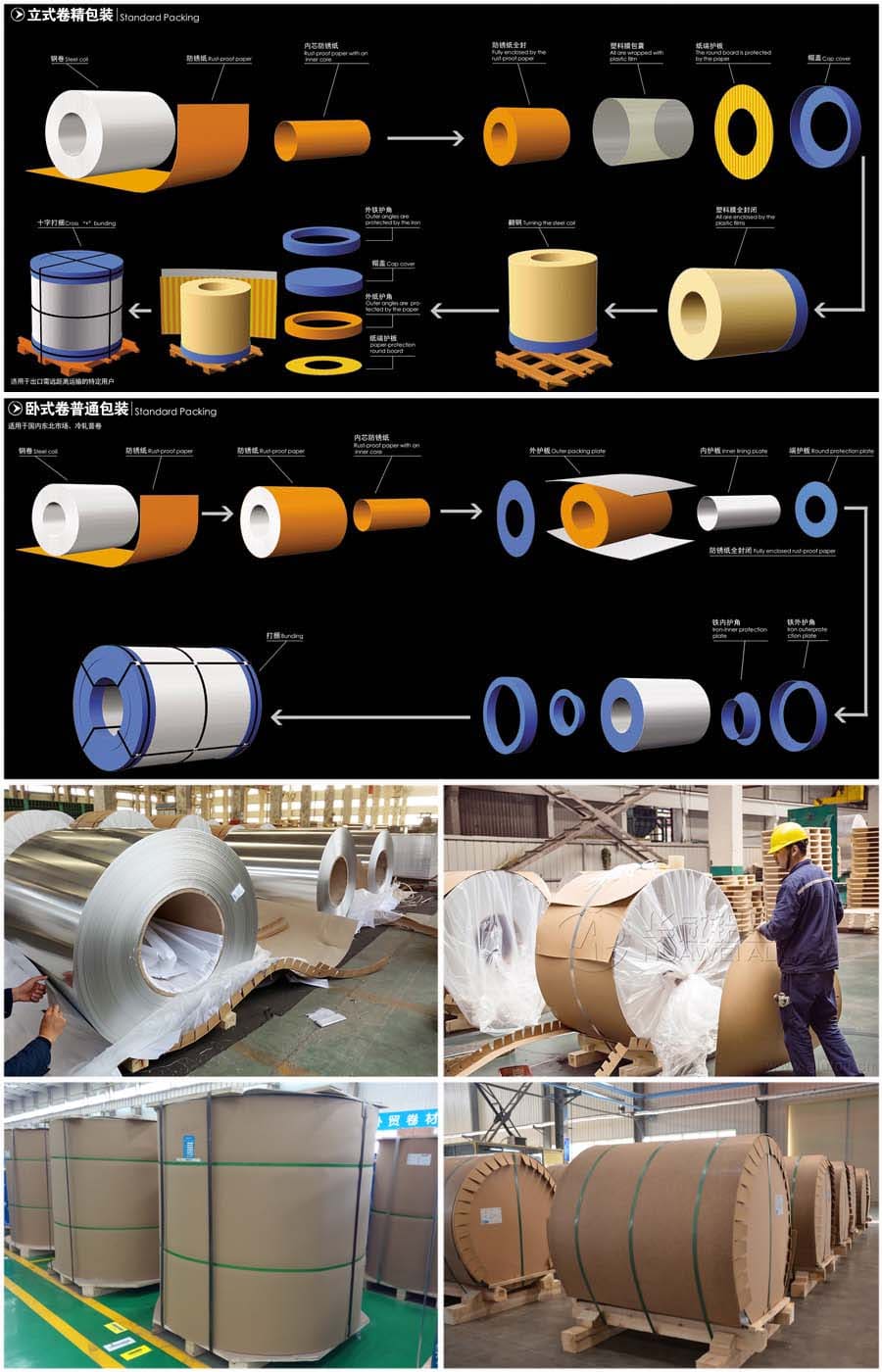
| Roll Specifications | Core diameter, roll diameter, roll weight, and winding direction |
| Quality Documentation | Material certificate, inspection report, and relevant test records |
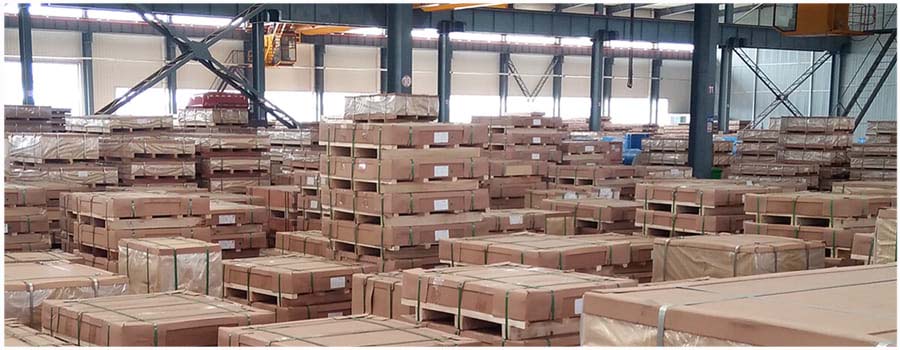
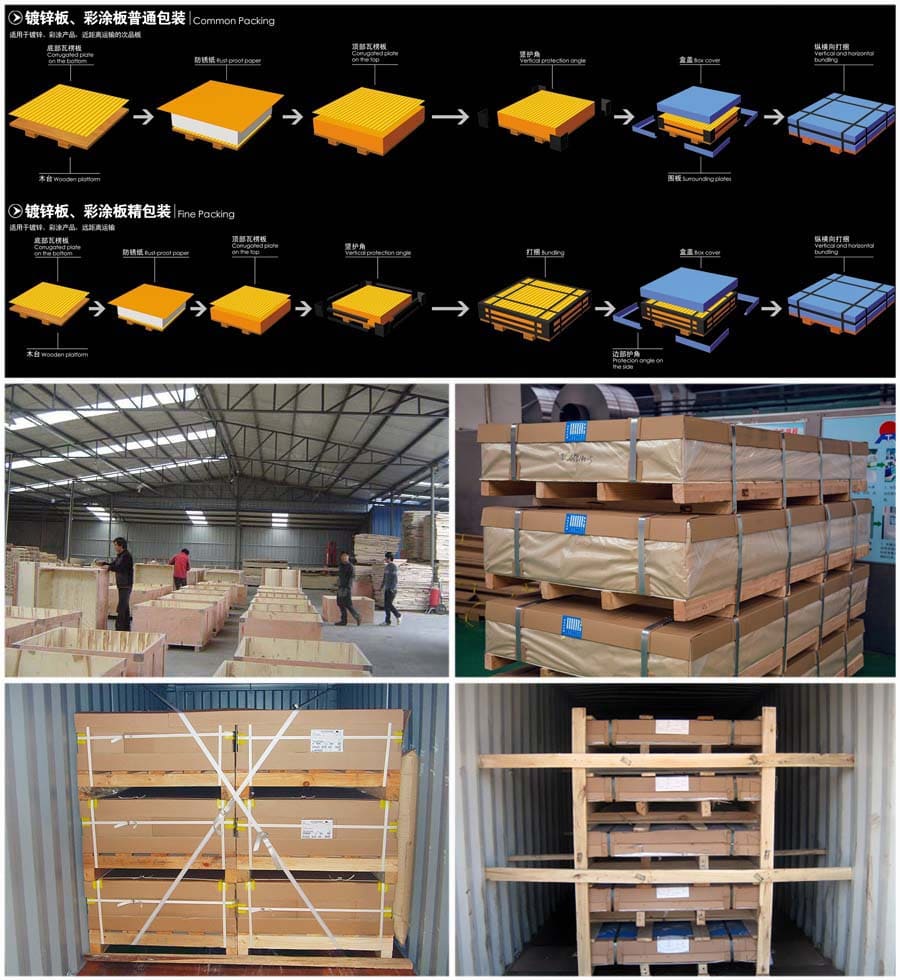
| Packaging | Protective wrapping and suitable export packaging |
Nota: These are general specification options, not guaranteed standard stock specifications.
Actual availability depends on the selected alloy, coating system, manufacturing capabilities, and order requirements.
6. Key Performance Requirements of Custom Coated Aluminum Foil
Custom coated aluminum foil must meet the performance requirements of its intended application.
The key factors include coating adhesion, barrier performance, heat resistance, Te mau mana'o tauturu no te haapiiraa, flexibility, and surface quality.
6.1 Coating Adhesion
The coating should bond firmly to the aluminum substrate and resist peeling, flaking, or separation during slitting, forming, Te mau mana'o tauturu no te, and use.
Proper surface preparation and curing help maintain consistent adhesion.
6.2 Barrier Performance
Aluminum foil provides an effective barrier against light, Te mau mana'o tauturu no te, e te mau mǎhu.
The coating should complement these properties without compromising the foil’s intended protective function. Performance depends on the complete material structure and application.
6.3 Heat Resistance and Heat Sealing
For packaging applications, the coating may need to withstand processing temperatures and provide reliable heat sealing.
Buyers should confirm the required sealing temperature, sealing strength, and operating conditions.
6.4 Corrosion and Chemical Resistance
The coating should protect the aluminum surface against the moisture or chemicals encountered in service.
The appropriate coating depends on the exposure conditions and required service life.
6.5 Flexibility and Mechanical Durability
Custom coated foil should withstand bending, folding, slitting, and other processing operations without excessive cracking or coating damage.
The aluminum temper and coating formulation both affect flexibility.
6.6 Surface Quality and Printability
A uniform coating helps achieve consistent color, appearance, and printing quality.
Buyers should specify acceptable limits for scratches, Te mau nota, uneven coating, discoloration, and other visible defects.

Custom Coated Aluminum Foil for PIR
7. Custom Coated Aluminum Foil Manufacturing Process
Custom coated aluminum foil production involves several steps to ensure consistent coating quality and performance.
7.1 Material Selection
Manufacturers select the aluminum alloy, temper, Te mau mana'o tauturu no te, and width according to the application and required mechanical properties.
7.2 Surface Preparation
The aluminum foil undergoes cleaning and surface treatment to remove contaminants and improve coating adhesion.
7.3 Coating Application
Manufacturers apply the specified coating using a suitable method, such as roll coating.
Coating type, Te mau mana'o tauturu no te, and application side depend on the customer’s requirements.
7.4 Drying and Curing
Controlled drying or curing helps the coating develop the required adhesion, surface finish, and functional properties.
7.5 Slitting and Rewinding
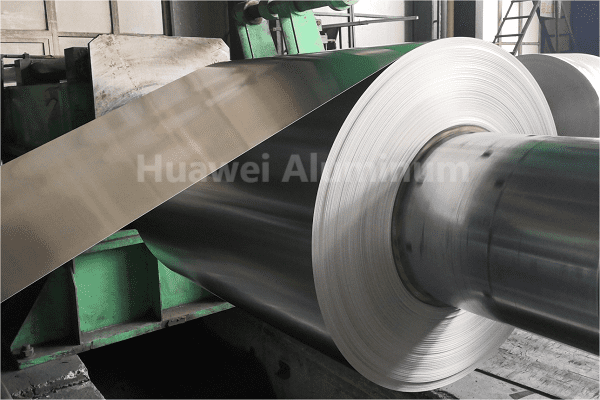
The coated foil is slit to the required width and rewound to meet specified roll dimensions and winding requirements.
7.6 Quality Inspection and Packaging
Manufacturers inspect coating uniformity, Te huru o te mau mea e vai ra, dimensions, and relevant performance properties before protective packaging and shipment.

Food Container Used Coated Aluminum Foil
8. Applications of Custom Coated Aluminum Foil Solutions
Custom coated aluminum foil serves industries that require a combination of aluminum’s barrier properties and additional surface functions.
The coating system must match the application’s technical requirements, manufacturing process, and operating environment.
The following applications illustrate how coating selection can influence product performance.
8.1 Food Packaging
Custom coated aluminum foil is widely used in selected flexible packaging structures, container lids, and laminated food packaging materials.
Depending on the design, coatings can support printing, adhesion, heat sealing, or surface protection.
Typical applications include:
- Aluminum foil lidding for compatible food containers.
- Printed foil used in flexible packaging laminates.
- Heat-sealable foil structures for selected packaging formats.
- Protective foil layers in multilayer food packaging.
8.2 Pharmaceutical Packaging
Pharmaceutical packaging requires carefully controlled materials to protect products and support reliable packaging operations.
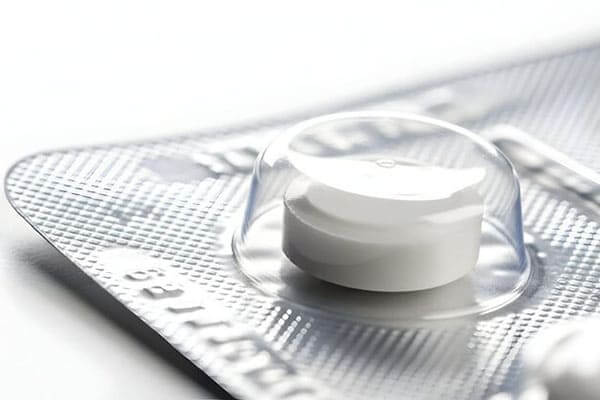
Coated aluminum foil may be used in blister lidding and other pharmaceutical packaging structures where a functional coating provides sealing or bonding to a compatible substrate.
Common applications include:
- Push-through blister lidding foil.
- Printed pharmaceutical packaging foil.
- Heat-seal-coated foil for compatible packaging materials.
- Customized foil structures for specific packaging-line requirements.
8.3 Building and Thermal Insulation
In building and thermal insulation systems, coated aluminum foil can serve as a facing or functional layer within a composite structure.
Depending on the product design, coatings may improve bonding to insulation materials, provide a protective surface, or support decorative and processing requirements.
Typical applications include:
- Foil-faced insulation boards and panels.
- Composite insulation materials.
- Reflective insulation facings.
- Laminated building materials requiring a metallic surface.
8.4 HVAC and Flexible Duct Applications
HVAC and flexible duct products may use aluminum foil as part of a multilayer structure that combines the metallic layer with polymer films, reinforcement, or insulation materials.
Coatings and adhesives can help support bonding and surface protection, while the complete laminate provides the required flexibility and handling performance.
Common applications include:
- Flexible duct laminates.
- Insulation facings for ventilation systems.
- Foil composite layers for HVAC products.
- Laminated materials for air-distribution components.
8.5 Electronics and Electrical Applications
Selected electronic and electrical products use coated or laminated aluminum foil for shielding, surface protection, or specialized functional purposes.
The required performance depends on the structure and the role of the aluminum layer.
Potential applications include:
- Foil-based shielding laminates.
- Selected electrical insulation composites.
- Specialty electronic packaging structures.
- Industrial materials requiring controlled surface properties.
8.6 Industrial Protective Laminates
Industrial applications may require coated foil that provides a defined combination of adhesion, surface protection, chemical resistance, or processing performance.
Examples include:
- Protective layers in industrial composite materials.
- Coated foil used in selected equipment or component laminates.
- Specialty materials requiring a controlled surface finish.
- Custom foil structures for industrial converting processes.
8.7 Decorative and Printed Aluminum Foil
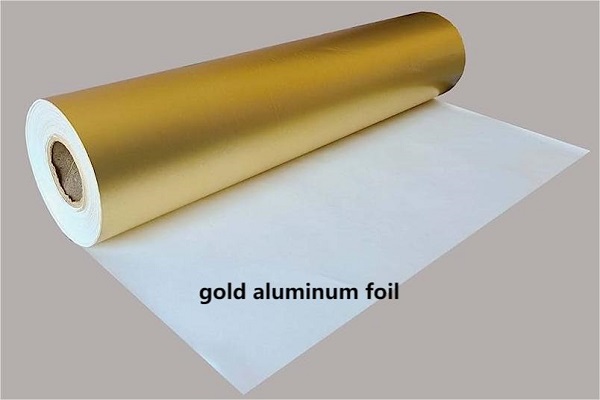
Decorative and printed foil products use coatings to achieve specific colors, gloss levels, surface textures, and print compatibility.
Typical applications include:
- Colored foil for packaging and decorative products.
- Printed foil for branded packaging structures.
- Matte or gloss finishes for specialty materials.
- Foil used in decorative composite products.
9. Quality Control and Testing Standards
Quality control ensures that custom coated aluminum foil meets the required specifications and performs reliably in its intended application.
Inspection should cover the aluminum substrate, coating quality, dimensions, and application-specific performance.
9.1 Raw Material Inspection
Manufacturers check the aluminum alloy, temper, Te mau mana'o tauturu no te, Te mau mana'o tauturu no te, and surface condition against the agreed specifications.
Material certificates and inspection records help verify product consistency.
9.2 Coating Quality Inspection
Coating inspection focuses on uniformity, adhesion, coating weight, color consistency, and visible defects.
These checks help identify issues such as peeling, scratches, Te mau nota, and uneven coating.
9.3 Performance Testing
Depending on the application, manufacturers may conduct the following tests:
| Hi'opo'araa i te ohipa | Opuaraa |
|---|---|
| Coating Adhesion Test | Evaluates bonding between the coating and aluminum substrate |
| Coating Weight or Thickness Test | Checks coating application consistency |
| Visual Inspection | Identifies surface defects and appearance variations |
| Heat-Seal Strength Test | Evaluates sealing performance for applicable packaging products |
| Chemical Resistance Test | Assesses resistance to specified chemicals |
| Flexibility Test | Checks coating integrity during bending or forming |
| Dimensional Inspection | Verifies thickness, Te mau mana'o tauturu no te, and roll specifications |
Not every test applies to every product. The inspection plan should reflect the coating system, intended use, and customer’s acceptance criteria.
10. Custom Coated Aluminum Foil Solutions from Huawei Aluminum
Henan Huawei Aluminum Co., Ltd. was established in 2001 and specializes in aluminum sheet, plate, coil, Te mau mana'o tauturu no te, strip, and circle products.
With extensive experience in aluminum manufacturing and international trade, Huawei Aluminum serves customers across a range of industries.
10.1 Customized Product Specifications
Huawei Aluminum can discuss customized aluminum foil solutions according to project requirements, tae noa'tu i te:
- Aluminum alloy and temper
- Foil thickness and width
- Surface treatment and coating requirements
- Roll dimensions and packaging
- Application-specific quality requirements
Customers should confirm the availability of each coating type, specification, and processing method before placing an order.
10.2 Coating and Surface Treatment Options
Depending on the required product structure and manufacturing arrangement, customers can inquire about coated, lacquered, printed, embossed, and laminated aluminum foil options.
The appropriate solution depends on the required appearance, adhesion, barrier performance, and downstream processing conditions.
10.3 Quality Control and Technical Support
Huawei Aluminum emphasizes material inspection, production quality control, and product consistency.
Buyers can provide their technical specifications and request confirmation of relevant inspection procedures, test reports, and quality documentation before production.
11. Conclusion
Custom coated aluminum foil combines the barrier properties of aluminum with coating functions such as improved adhesion, heat sealing, corrosion protection, printability, and surface appearance.
Choosing the right product requires careful consideration of the aluminum substrate, coating formulation, coating thickness, manufacturing process, performance testing, and application requirements.
Buyers should also verify relevant regulatory requirements for food-contact and pharmaceutical applications.
Henan Huawei Aluminum Co., Ltd. offers aluminum foil products and customization discussions to support different industrial and packaging needs.
By defining technical requirements clearly and confirming product capabilities before production, buyers can identify a suitable solution for their projects.
FAQs
1. What is custom coated aluminum foil?
It is aluminum foil with specialized coatings that improve adhesion, heat sealing, Te mau mana'o tauturu no te haapiiraa, or printability.
2. What coating types are available?
Common options include primer, epoxy, PE-based, polyester, lacquer, and other functional coatings, depending on the application.
3. Can aluminum foil be coated on both sides?
E. Single-sided and double-sided coatings are available depending on the product design and requirements.
4. How do I choose the right aluminum alloy?
Consider the application, required formability, puai, and foil thickness. Common options include 1235, 8011, e 8079.
5. How is coating quality checked?
Typical tests include adhesion, coating weight or thickness, visual inspection, and application-specific performance testing.
6. Is custom coated aluminum foil suitable for food packaging?
E, provided the coating and finished packaging meet the applicable food-contact requirements.
7. What information is needed for a quotation?
Specify the alloy, temper, Te mau mana'o tauturu no te, Te mau mana'o tauturu no te, coating type, required performance, order quantity, and destination.



A vaiiho i te hoê pahonoraa